Loading subject page…


5,676 views


Video Summary: Peptic Ulcer Disease I Introduction Explained
Did you know that roughly 1 in 10 Americans will develop a peptic ulcer at some point in their lives? Peptic ulcer disease i introduction reveals how these painful sores form when protective stomach barriers break down, often caused by bacterial infections or common pain medications. The Mayo Clinic reports that H. pylori bacteria affects nearly half the world's population, making ulcer formation a widespread health concern. Watch the full video on JoVE Coach to master this concept with expert-led visuals and step-by-step explanations.
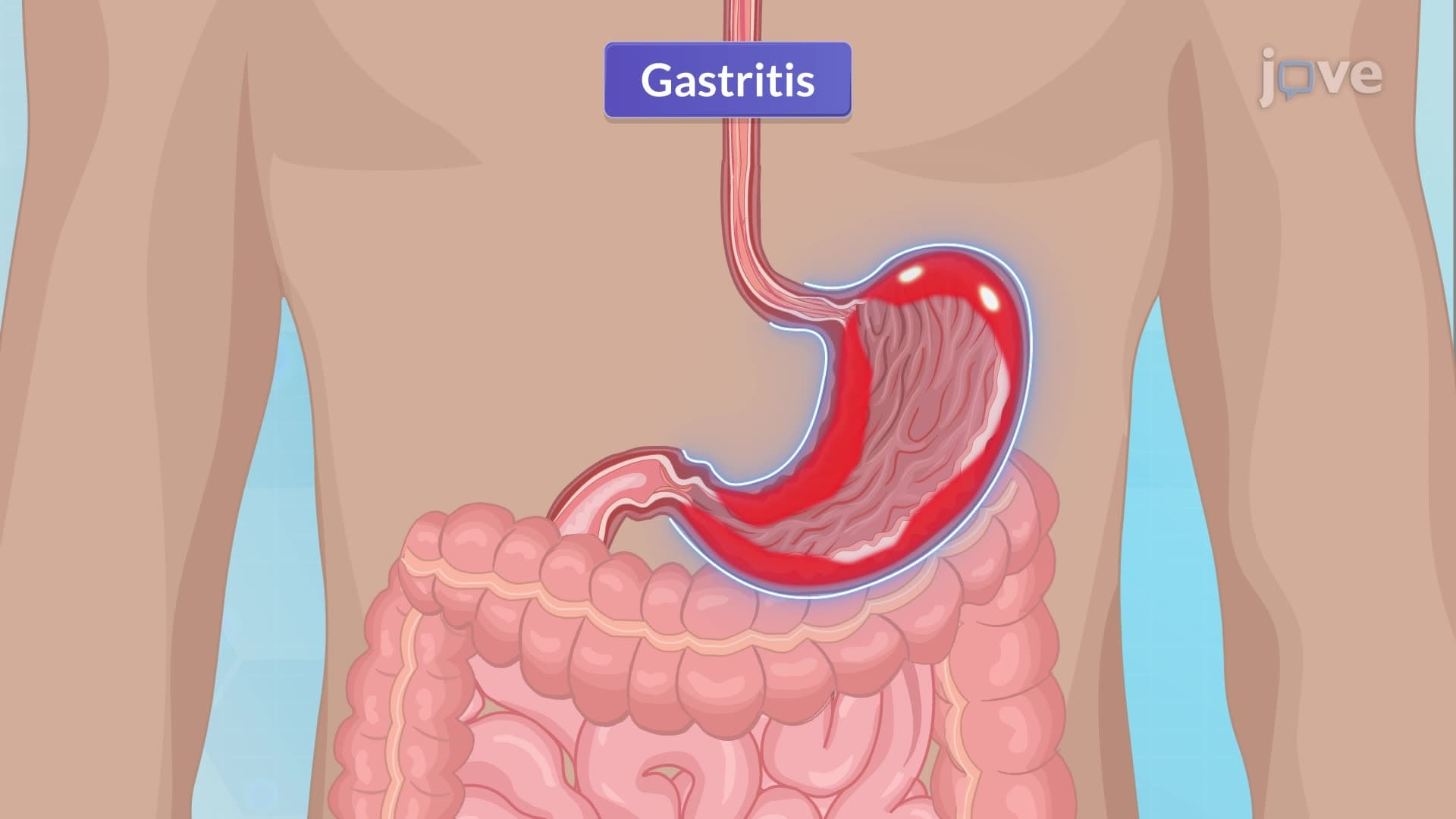
Peptic ulcer disease i introduction encompasses the complex interplay between aggressive factors and protective mechanisms within the gastrointestinal tract. These erosive lesions develop when the balance tips toward mucosal damage, creating painful sores in the esophagus, stomach, pylorus, or duodenum. Healthcare providers at institutions like Johns Hopkins Medical Center emphasize that understanding this balance is crucial for both diagnosis and treatment strategies.
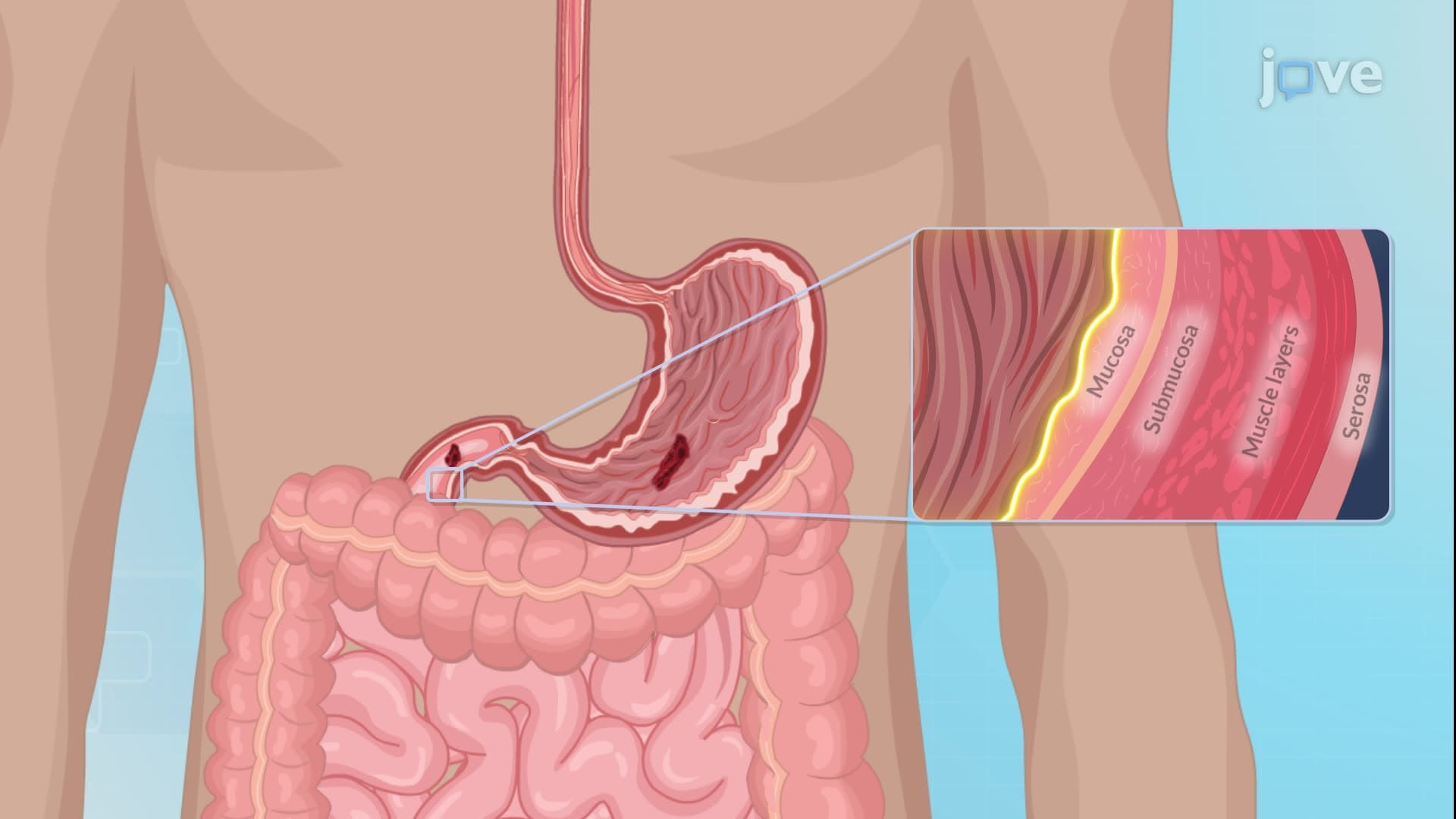
The distinction between acute and chronic ulcers represents a fundamental concept tested on the MCAT and medical school pathology exams. Acute ulcers present as superficial erosions with minimal inflammatory infiltrate, typically resolving within days to weeks once the inciting factor is removed. These lesions rarely penetrate beyond the muscularis mucosae layer. Chronic ulcers, however, demonstrate deeper penetration through the muscularis propria, often accompanied by significant fibrosis and scarring. Students preparing for AP Biology or college-level physiology courses should recognize that chronic ulcers may require months to heal and frequently leave permanent structural changes.
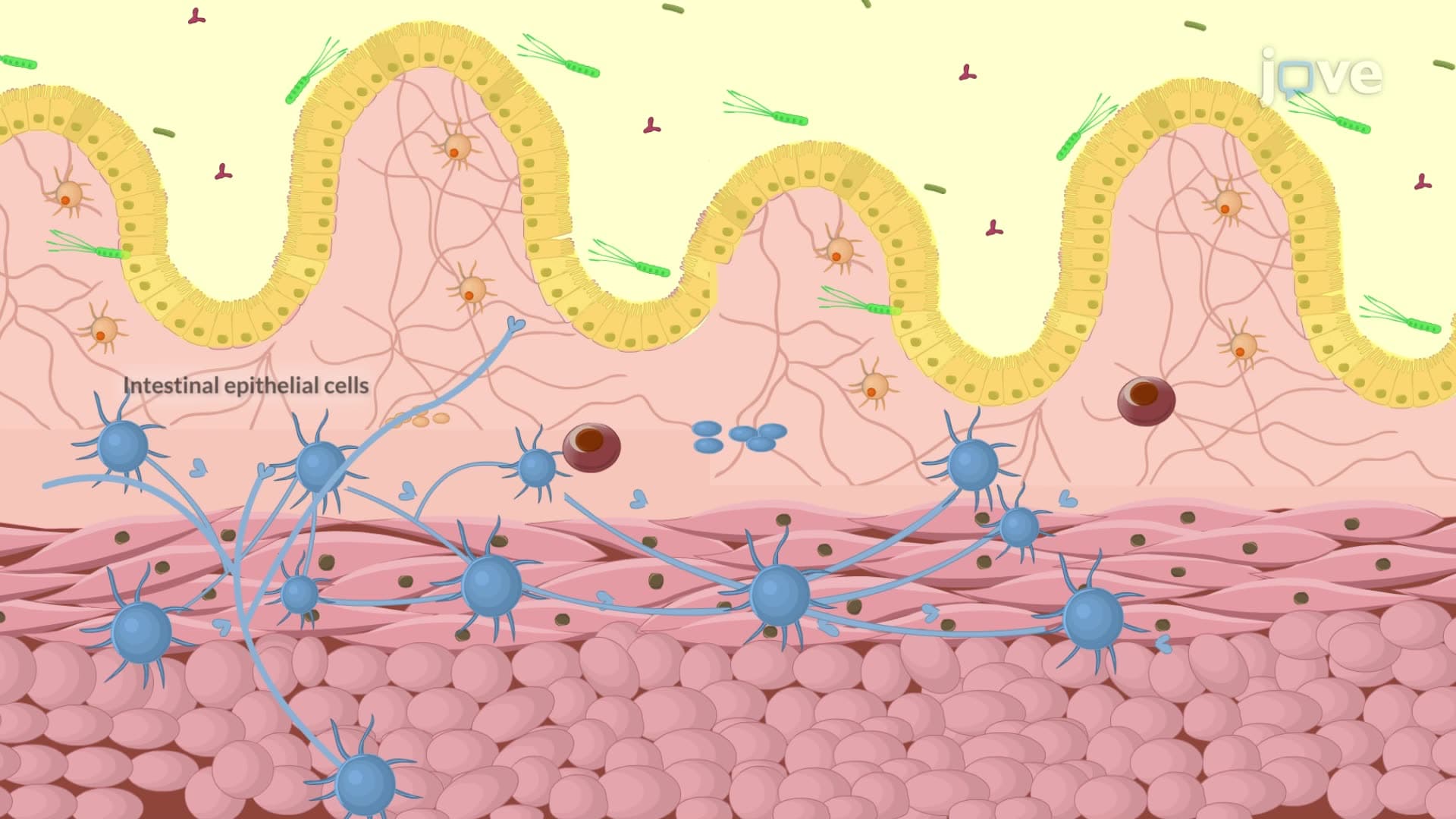
Helicobacter pylori represents one of medicine's most significant discoveries, earning Barry Marshall and Robin Warren the 2005 Nobel Prize in Physiology. This gram-negative bacterium employs sophisticated survival mechanisms, particularly urease production, which converts urea to ammonia and carbon dioxide. The ammonia creates an alkaline microenvironment around the bacteria, neutralizing stomach acid and enabling bacterial survival. Research at Stanford University demonstrates that H. pylori colonization triggers both acute and chronic inflammatory responses, releasing cytotoxic substances that directly damage gastric epithelial cells. This bacterial infection affects approximately 44% of Americans, with higher prevalence in certain demographic groups.
Nonsteroidal anti-inflammatory drugs represent the second leading cause of peptic ulcers in the United States, particularly among elderly patients managing arthritis and chronic pain. These medications inhibit cyclooxygenase-1 (COX-1), an enzyme essential for producing protective prostaglandins, specifically prostaglandin E2 (PGE2). Clinical studies from Harvard Medical School show that PGE2 stimulates mucus and bicarbonate secretion while promoting epithelial cell regeneration and maintaining adequate mucosal blood flow. When COX-1 inhibition reduces prostaglandin synthesis, the gastric mucosa becomes vulnerable to acid-pepsin digestion, creating ideal conditions for ulcer formation.
Related Micro-courses