Loading subject page…

5,676 views

Video Summary: Peptic Ulcer Disease Ii Pathophysiology Explained
Did you know that your stomach produces enough acid daily to dissolve metal, yet normally doesn't damage itself? Peptic ulcer disease ii pathophysiology reveals how this protective balance breaks down when aggressive factors like NSAIDs or H. pylori bacteria overwhelm natural defenses. Consider a college student taking ibuprofen for chronic headaches-without adequate food, these medications can disrupt the stomach's mucus barrier, leading to painful ulcers that affect over 4 million Americans annually. Watch the full video on JoVE Coach to master this concept with expert-led visuals and step-by-step explanations.
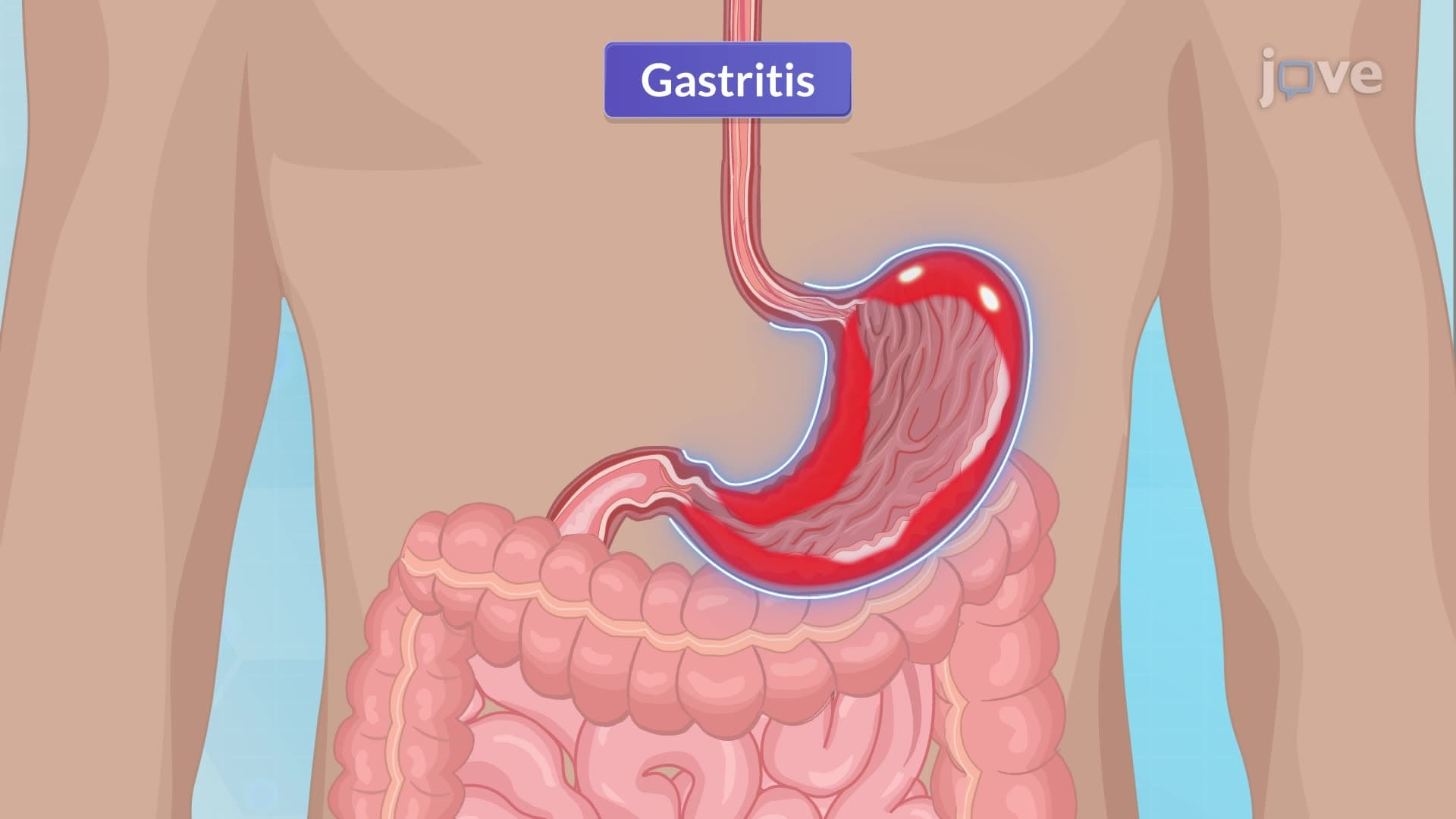
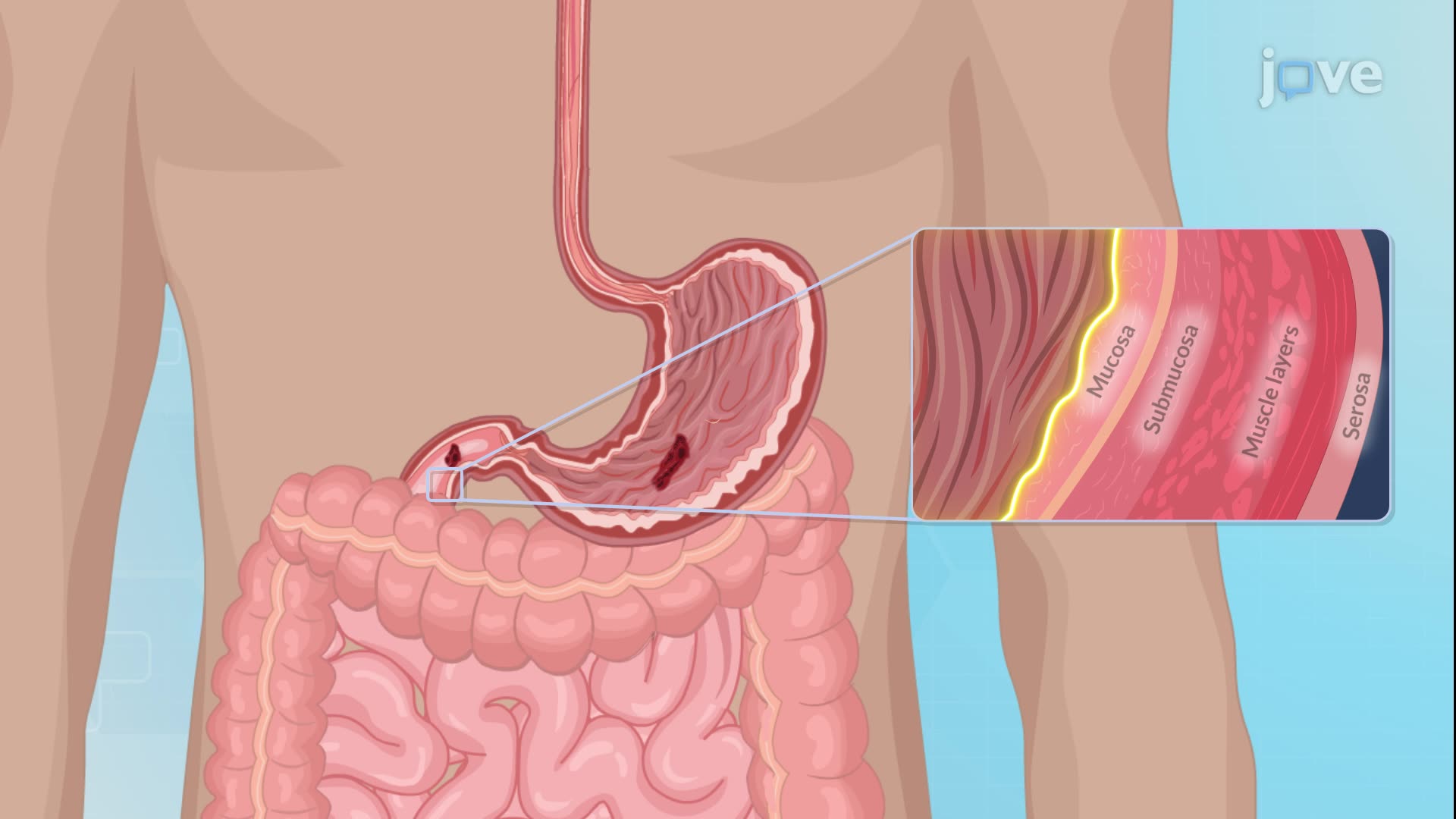
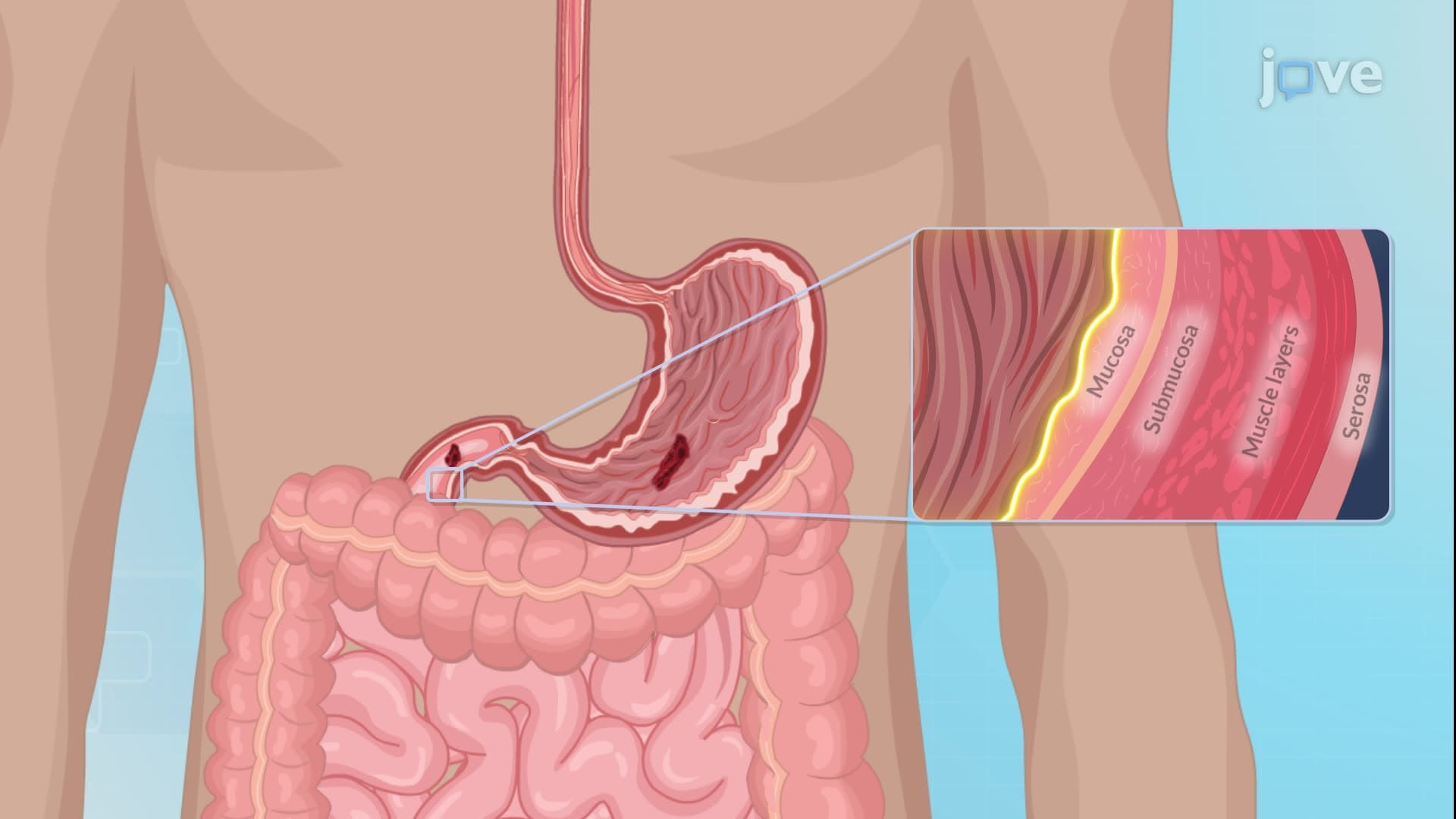
The pathophysiology of peptic ulcer disease represents a fascinating example of biological balance gone wrong. Under normal circumstances, your stomach and duodenum maintain an intricate defense system that prevents self-digestion despite producing hydrochloric acid strong enough to dissolve zinc. This protective mechanism involves multiple layers of defense that work in concert to maintain mucosal integrity.
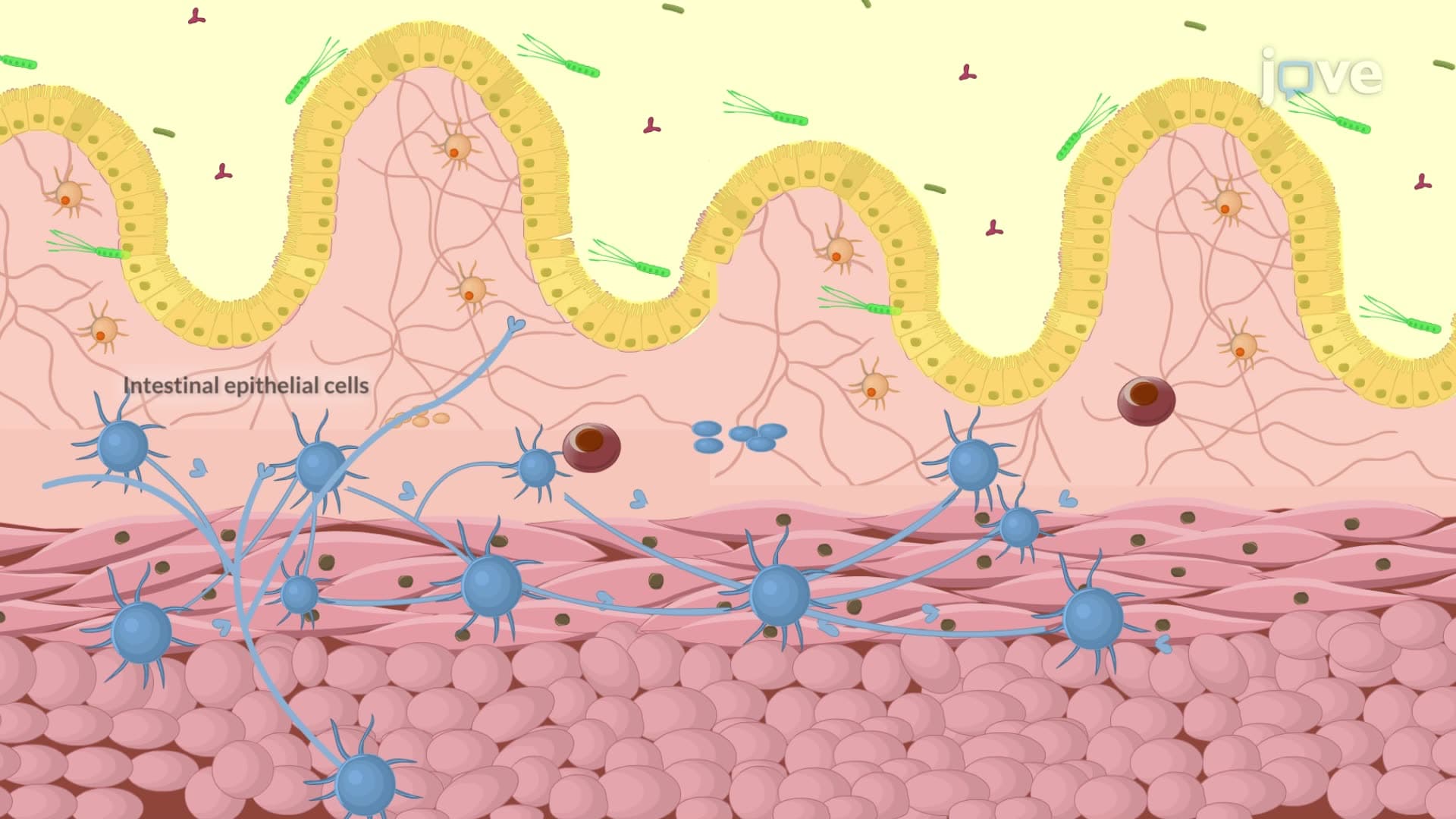
The gastric mucosa employs several sophisticated defense mechanisms. The superficial gel layer acts as the first line of defense, creating a physical barrier that prevents direct contact between aggressive gastric juices and epithelial cells. This mucus contains bicarbonate ions that neutralize acid, creating a pH gradient from highly acidic (stomach lumen) to nearly neutral (mucosal surface). Additionally, prostaglandins-particularly PGE2 and PGI2-stimulate mucus and bicarbonate secretion while promoting mucosal blood flow, which delivers nutrients and removes toxic metabolites.
Several factors can overwhelm these natural defenses. Helicobacter pylori, discovered by Australian researchers Barry Marshall and Robin Warren (Nobel Prize winners), colonizes the stomach and produces enzymes that degrade the protective mucus layer. NSAIDs like ibuprofen and aspirin inhibit cyclooxygenase enzymes, reducing prostaglandin production and compromising mucosal defenses. This explains why long-term NSAID users, including many athletes and arthritis patients in the US, face increased ulcer risk.
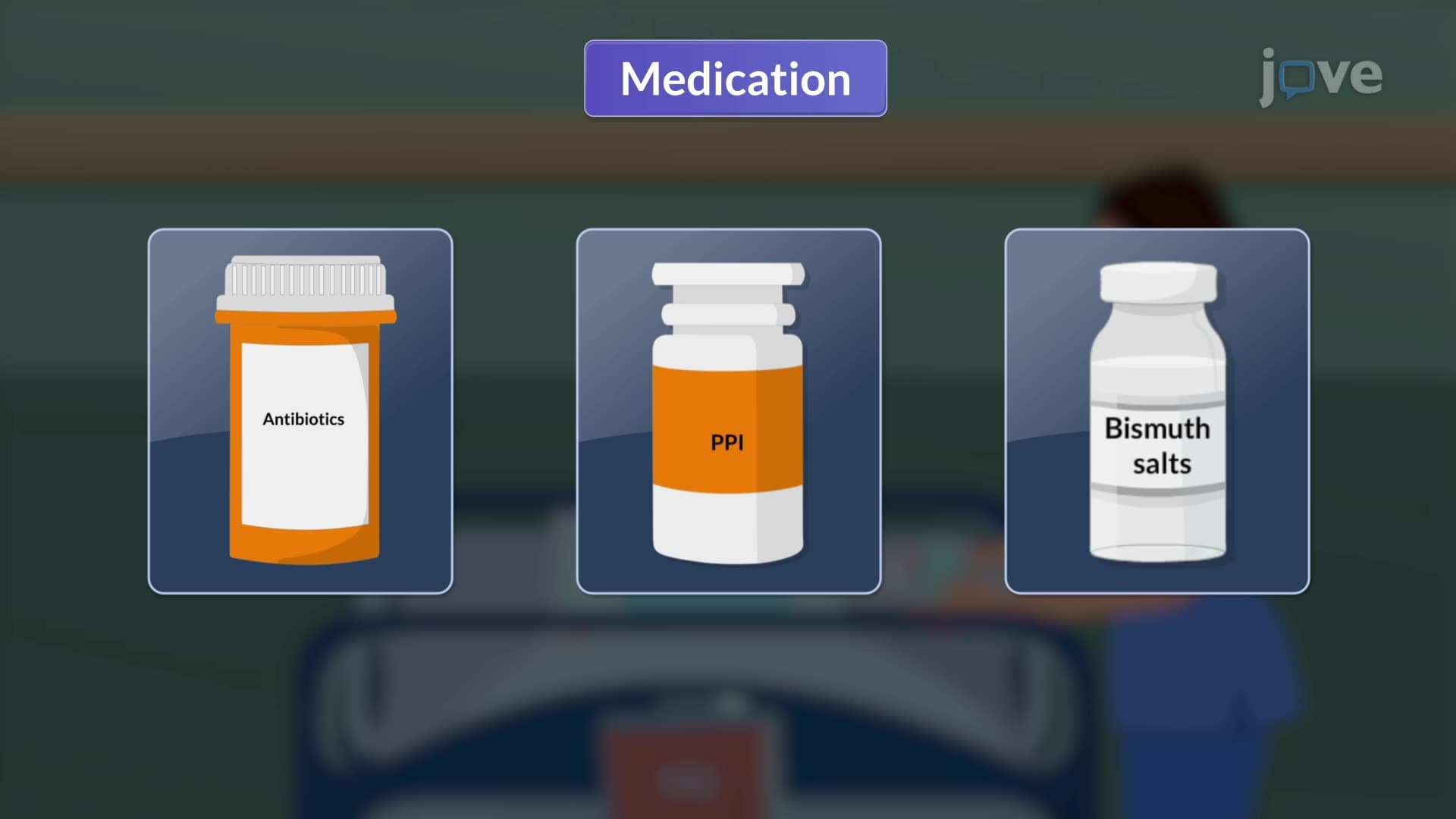
For students preparing for the MCAT or advanced placement biology exams, understanding this pathophysiology is crucial. The concept frequently appears in questions about homeostasis, negative feedback mechanisms, and pharmaceutical interactions. Medical students studying for USMLE Step 1 should focus on how this knowledge applies to clinical scenarios, such as prescribing proton pump inhibitors or understanding contraindications for NSAID therapy in elderly patients with cardiovascular disease.
Related Micro-courses