Loading video…


 8 Concepts
 5.7K views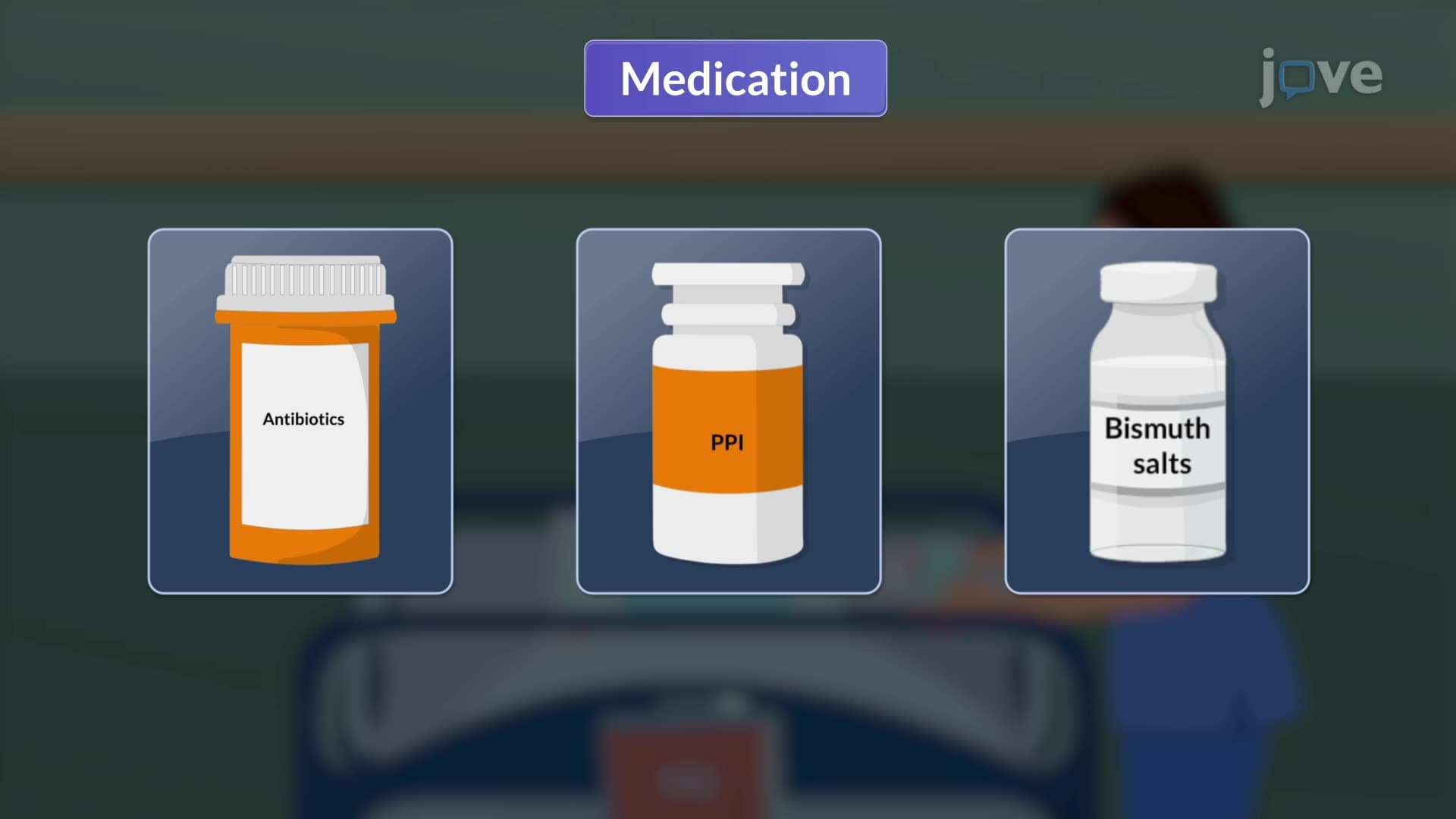

Video Summary: Peptic Ulcer Disease Iv Management Explained
Nearly 25 million Americans will develop peptic ulcers at some point in their lives, making peptic ulcer disease IV management a critical healthcare skill. When patients with severe ulcers arrive at hospitals like Johns Hopkins or Mayo Clinic, nurses must understand complex medication protocols including triple and quadruple antibiotic therapies targeting H. pylori bacteria. Watch the full video on JoVE Coach to master this concept with expert-led visuals and step-by-step explanations.
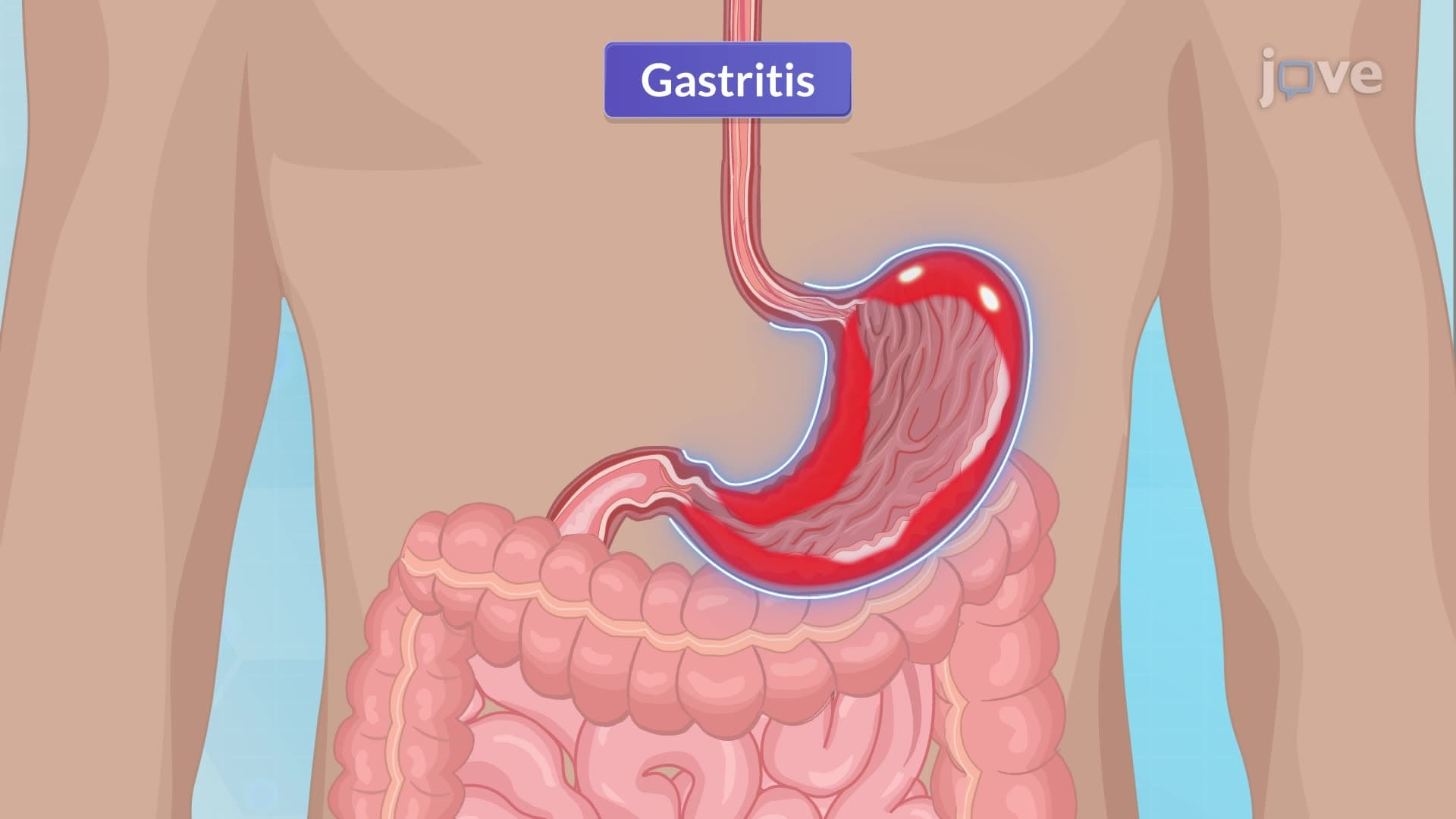
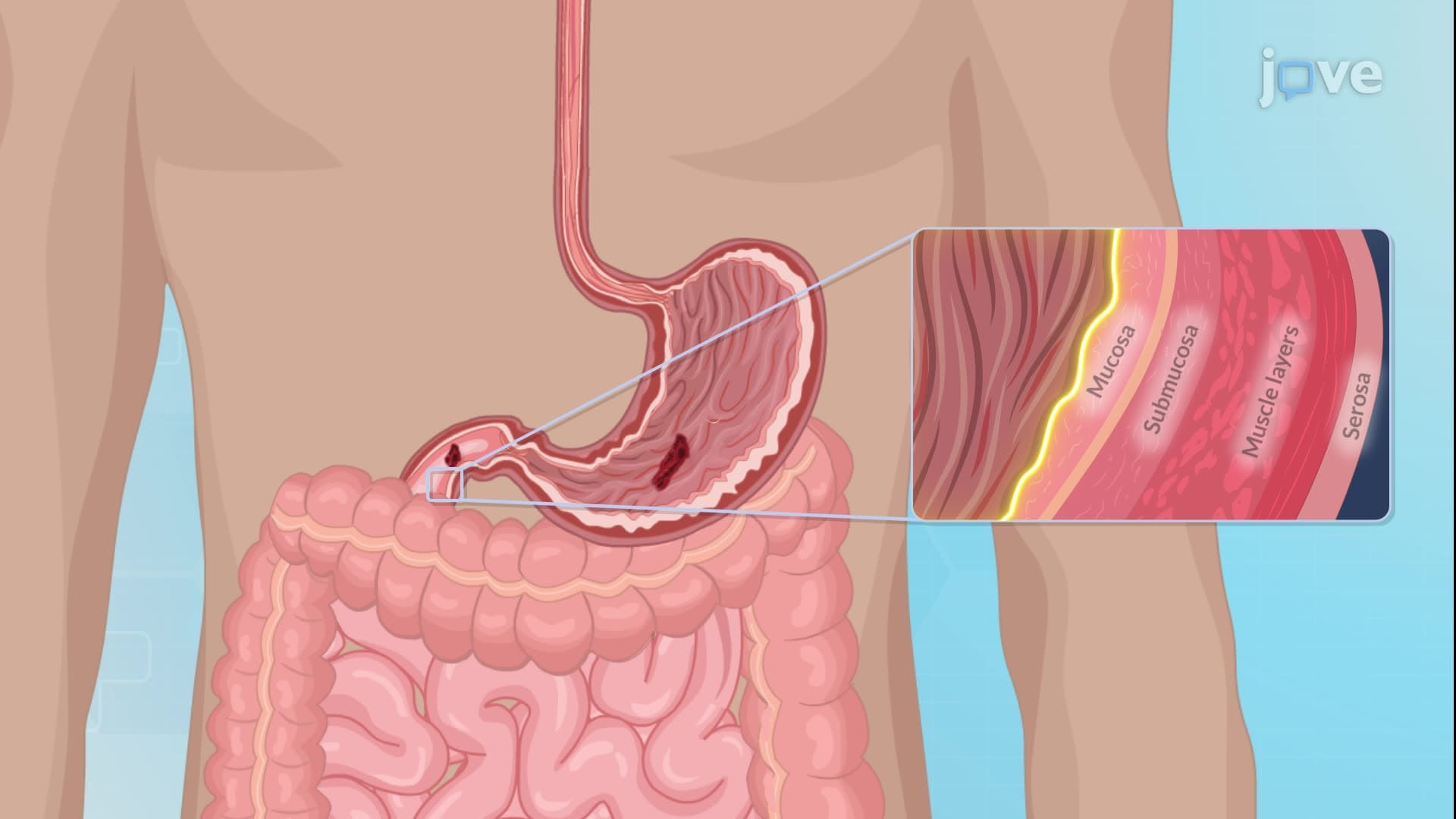
Peptic ulcer disease IV management represents a sophisticated approach to treating severe gastric and duodenal ulcers that require hospital-level intervention. Unlike oral treatments suitable for outpatient care, IV management becomes necessary when patients experience complications like bleeding, perforation, or inability to tolerate oral medications. This comprehensive treatment strategy combines targeted antimicrobial therapy, acid suppression, and supportive care measures.
The cornerstone of peptic ulcer disease IV management involves eradicating Helicobacter pylori, the bacterial culprit responsible for approximately 60% of gastric ulcers and 90% of duodenal ulcers. Triple therapy combines two antibiotics-typically clarithromycin and metronidazole-with a proton pump inhibitor (PPI) like omeprazole or pantoprazole administered intravenously. This 10-14 day regimen achieves H. pylori eradication rates exceeding 85% in US clinical studies.
Quadruple therapy adds bismuth salts and substitutes tetracycline for clarithromycin, particularly valuable when antibiotic resistance is suspected. Major medical centers like Cleveland Clinic and Massachusetts General Hospital often employ quadruple therapy as first-line treatment in regions with high clarithromycin resistance rates, which now exceed 15% in many US metropolitan areas.
Zollinger-Ellison syndrome presents unique challenges requiring modified peptic ulcer disease IV management approaches. This rare condition, affecting approximately 1 in 1 million Americans annually, involves gastrin-secreting tumors that trigger excessive acid production. Treatment protocols utilize high-dose IV proton pump inhibitors-sometimes 10 times standard ulcer doses-or octreotide, a somatostatin analog that directly inhibits gastrin release.
Students preparing for the MCAT, NCLEX-RN, or HESI A2 exams frequently encounter peptic ulcer disease IV management scenarios in clinical vignettes. AP Biology students studying digestive system pathophysiology benefit from understanding how these treatments restore normal gastric pH balance and mucosal integrity. College anatomy and physiology courses emphasize the interconnected nature of pharmacological intervention and physiological healing processes, making this topic essential for pre-health students planning medical, nursing, or pharmacy careers.
Related Micro-courses