Loading video…


 8 Concepts
 5.7K views

Video Summary: What Is Gastritis Ii Pathophysiology
Every year, over 5 million Americans develop gastritis, yet many don't realize how common painkillers like ibuprofen can damage their stomach lining at the cellular level. Gastritis II pathophysiology reveals the precise mechanisms behind stomach inflammation, from NSAID-induced prostaglandin suppression to H. pylori bacterial invasion strategies. Consider how millions of Americans taking daily aspirin for heart health unknowingly alter their gastric mucosa's protective barriers. Watch the full video on JoVE Coach to master this concept with expert-led visuals and step-by-step explanations.
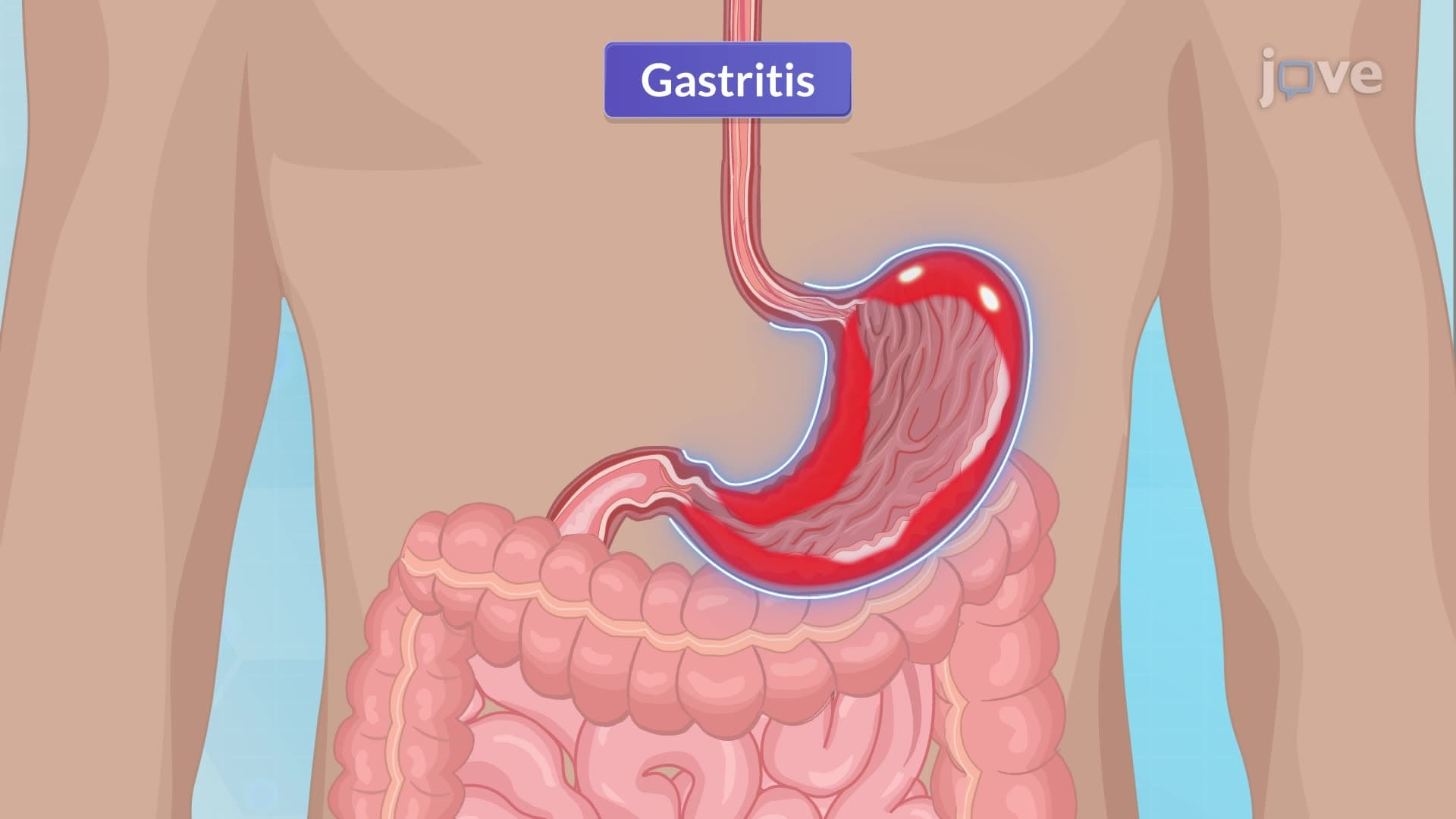
Gastritis II pathophysiology encompasses the complex cellular and molecular mechanisms underlying stomach lining inflammation. This systematic approach examines how various triggers-from medications to bacterial infections-disrupt the delicate balance between gastric acid production and mucosal protection. For students preparing for the MCAT or AP Biology exams, understanding these pathways provides crucial insight into disease mechanisms that frequently appear in clinical vignettes.
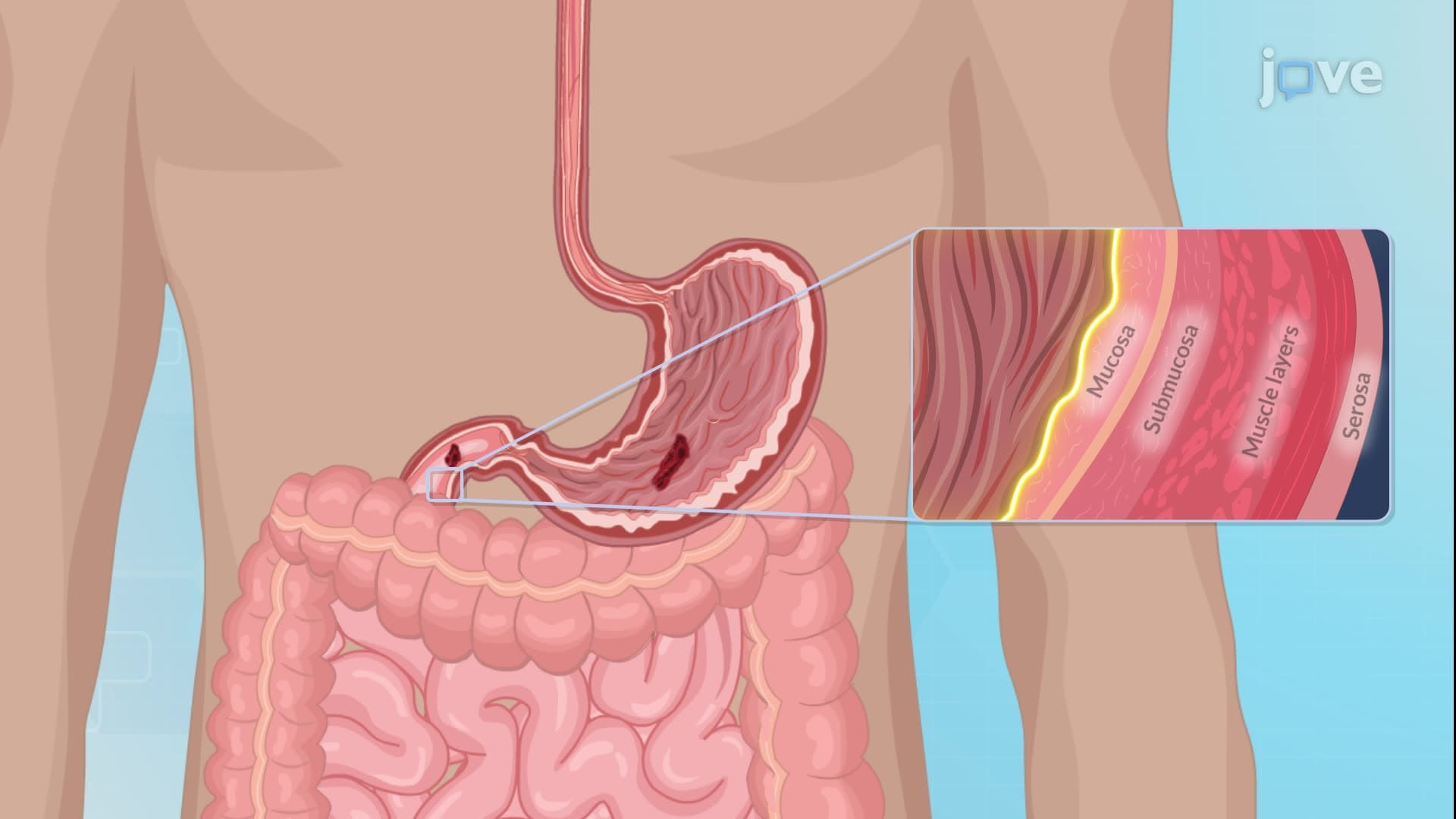
The gastritis II pathophysiology definition becomes clearest when examining NSAID mechanisms. These commonly used medications-including ibuprofen, naproxen, and aspirin-inhibit cyclooxygenase-1 (COX-1), the enzyme responsible for prostaglandin E2 synthesis. In healthy gastric mucosa, prostaglandins serve as molecular guardians, stimulating mucus production, bicarbonate secretion, and maintaining adequate mucosal blood flow. When COX-1 activity decreases, this protective triad collapses, leaving the stomach lining vulnerable to its own acidic secretions.
Consider a typical scenario: a college athlete taking ibuprofen for joint pain develops gastritis after several weeks. The gastritis II pathophysiology concept explains how chronic COX-1 inhibition progressively weakens mucosal defenses, eventually allowing gastric acid to cause superficial erosions and inflammation.
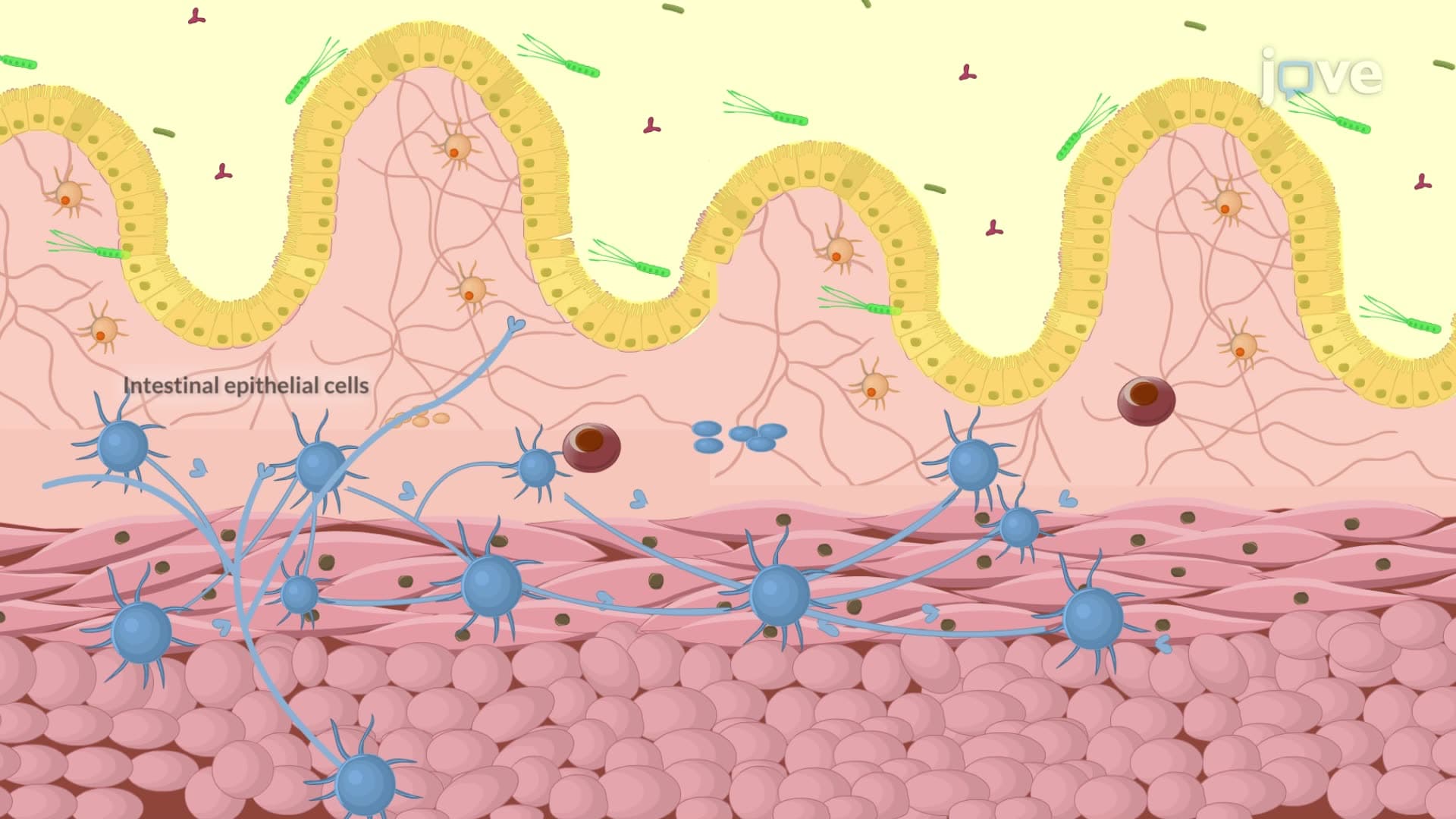
What is gastritis II pathophysiology in detail regarding bacterial causes involves understanding H. pylori's remarkable survival mechanisms. This gram-negative bacterium produces urease, converting gastric urea into ammonia and carbon dioxide. The ammonia neutralizes surrounding acid, creating a protective alkaline microenvironment. This adaptation allows H. pylori to colonize the hostile gastric environment where few organisms survive.
Once established, H. pylori triggers chronic inflammation through multiple pathways. The bacterium releases cytotoxins that directly damage epithelial cells while simultaneously activating the host immune system. This immune response, intended to eliminate the infection, paradoxically contributes to ongoing mucosal damage through inflammatory mediator release.
For USMLE Step 1 preparation, the gastritis II pathophysiology study guide emphasizes recognizing pattern differences between acute and chronic gastritis presentations. Acute NSAID-induced gastritis typically presents with sudden-onset epigastric pain, while H. pylori-associated chronic gastritis develops gradually over months or years. Understanding these pathophysiological distinctions helps students approach clinical scenarios systematically, whether in college pathophysiology courses or standardized medical examinations.
Related Micro-courses