Loading video…


 11 Concepts
 11.2K views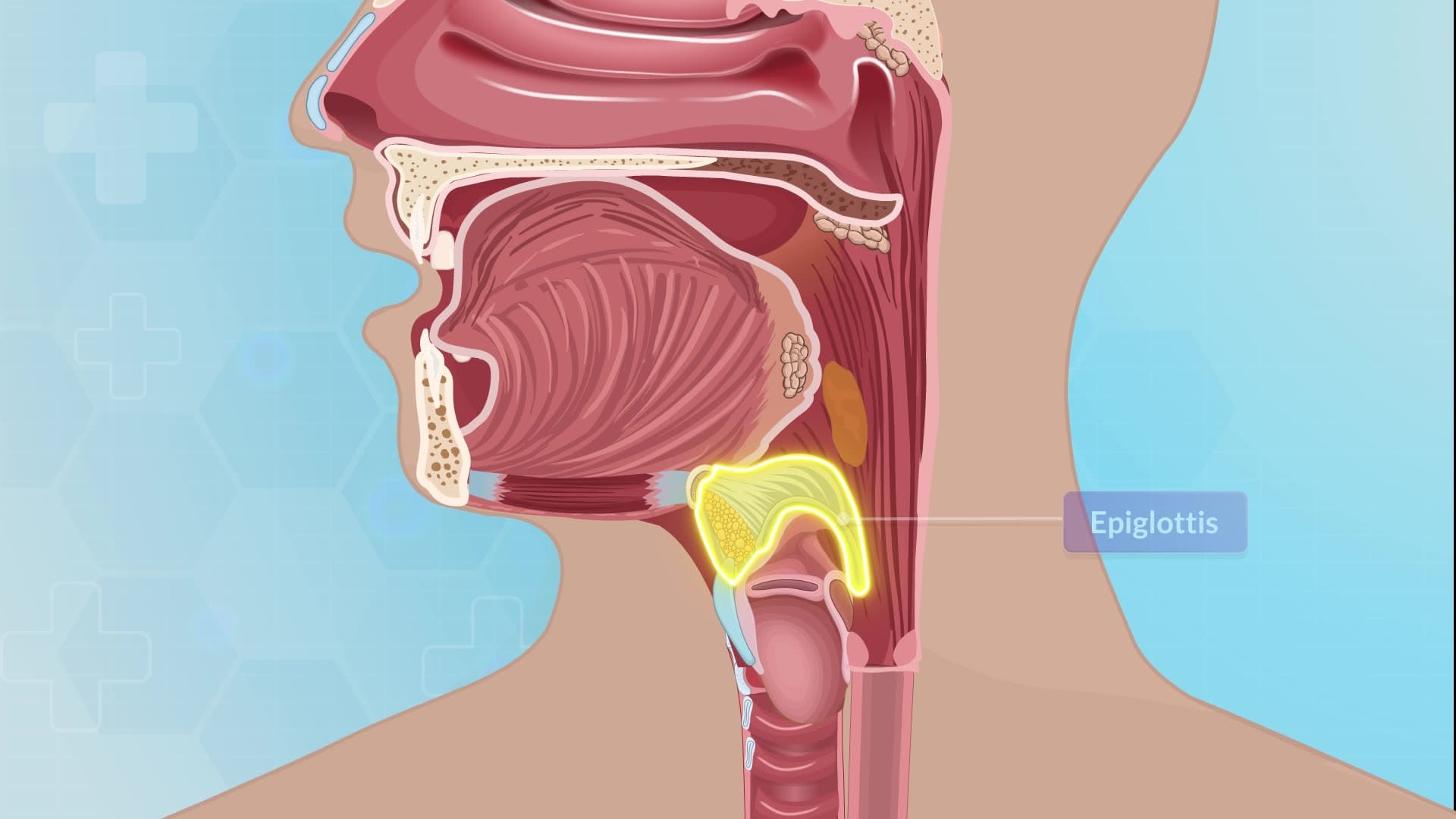

Video Summary: Physiology Gastrointestinal System I Ingestion Explained
Ever wonder why you can eat while hanging upside down? The physiology gastrointestinal system i ingestion process involves sophisticated mechanisms that ensure food reaches your stomach regardless of gravity. From the moment a slice of pizza enters your mouth, coordinated muscular contractions called peristalsis push it down your esophagus, while protective reflexes prevent choking. Watch the full video on JoVE Coach to master this concept with expert-led visuals and step-by-step explanations.
The physiology gastrointestinal system i ingestion represents the critical first phase of nutrient processing, where food transforms from external matter into a form ready for systematic breakdown. This process begins the moment food contacts oral structures and involves precise coordination between voluntary and involuntary mechanisms.
Mastication involves complex jaw movements powered by the masseter, temporalis, and pterygoid muscles. This mechanical breakdown increases food surface area by up to 3,000%, dramatically enhancing enzyme accessibility. Simultaneously, three paired salivary glands-parotid (largest, producing serous saliva), submandibular (mixed secretions), and sublingual (mucous-rich)-release approximately 1,500 milliliters of saliva daily containing salivary amylase, which begins starch hydrolysis into maltose.
The tongue, containing over 17 muscles, molds the processed food into a cohesive bolus while taste receptors trigger additional salivary secretion through neural pathways. This preparatory phase is crucial for students studying for the MCAT, as questions frequently test the relationship between mechanical processing and enzymatic efficiency.
Deglutition (swallowing) involves a precisely timed sequence protecting against aspiration. When the bolus contacts mechanoreceptors in the oropharynx, the swallowing center in the medulla oblongata coordinates multiple protective actions: soft palate elevation seals the nasopharynx, laryngeal elevation positions the epiglottis over the glottis, and vocal cord closure provides secondary airway protection.
This phase demonstrates remarkable neurological integration-failure of these mechanisms can result in aspiration pneumonia, a serious clinical condition affecting approximately 20% of stroke patients in US hospitals. AP Biology students should understand that this reflex involves both voluntary initiation and involuntary completion phases.
Primary peristalsis begins immediately after swallowing, creating a coordinated wave of smooth muscle contraction traveling at 2-4 centimeters per second. The upper esophageal sphincter (UES) relaxes for bolus entry, while the lower esophageal sphincter (LES) remains contracted until the peristaltic wave approaches, preventing gastric reflux.
Secondary peristalsis can clear residual material without additional swallowing, demonstrating the esophagus's adaptive capabilities. Understanding these mechanisms helps explain why patients with esophageal motility disorders experience dysphagia and why certain medications affecting smooth muscle function can cause swallowing difficulties.
Related Micro-courses