Loading video…


 11 Concepts
 11.2K views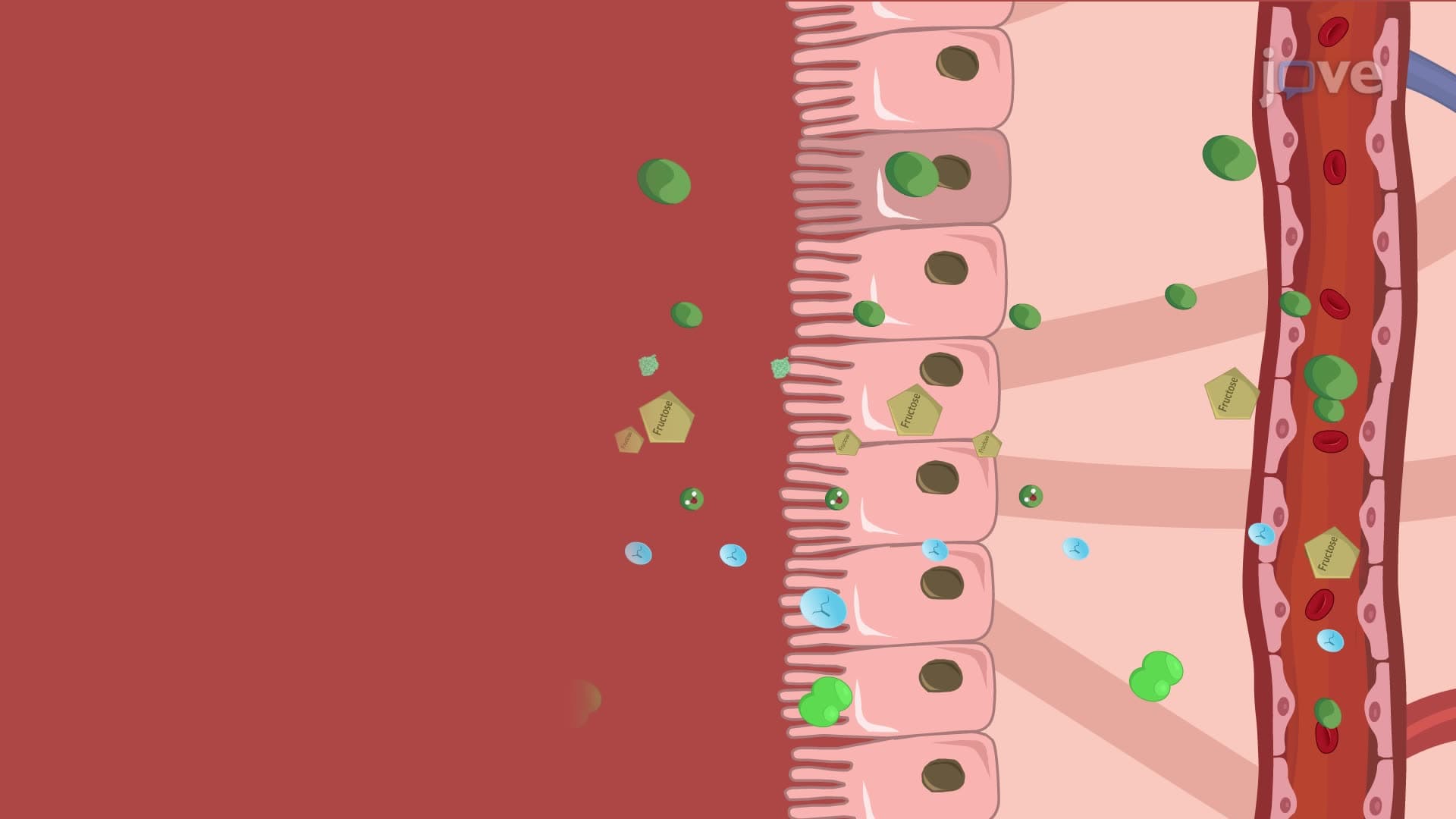

Video Summary: Physiology Gastrointestinal System Ii Digestion Explained
Did you know your stomach produces up to 3.5 liters of gastric juice daily? Physiology gastrointestinal system II digestion reveals how your body transforms a simple hamburger into life-sustaining nutrients through mechanical and chemical processes. From the initial bite in your mouth to nutrient absorption in your small intestine, this complex system involves coordinated enzyme activity, pH changes, and specialized cellular structures. Students at Johns Hopkins University study this intricate process to understand conditions like peptic ulcers and malabsorption disorders. Watch the full video on JoVE Coach to master this concept with expert-led visuals and step-by-step explanations.
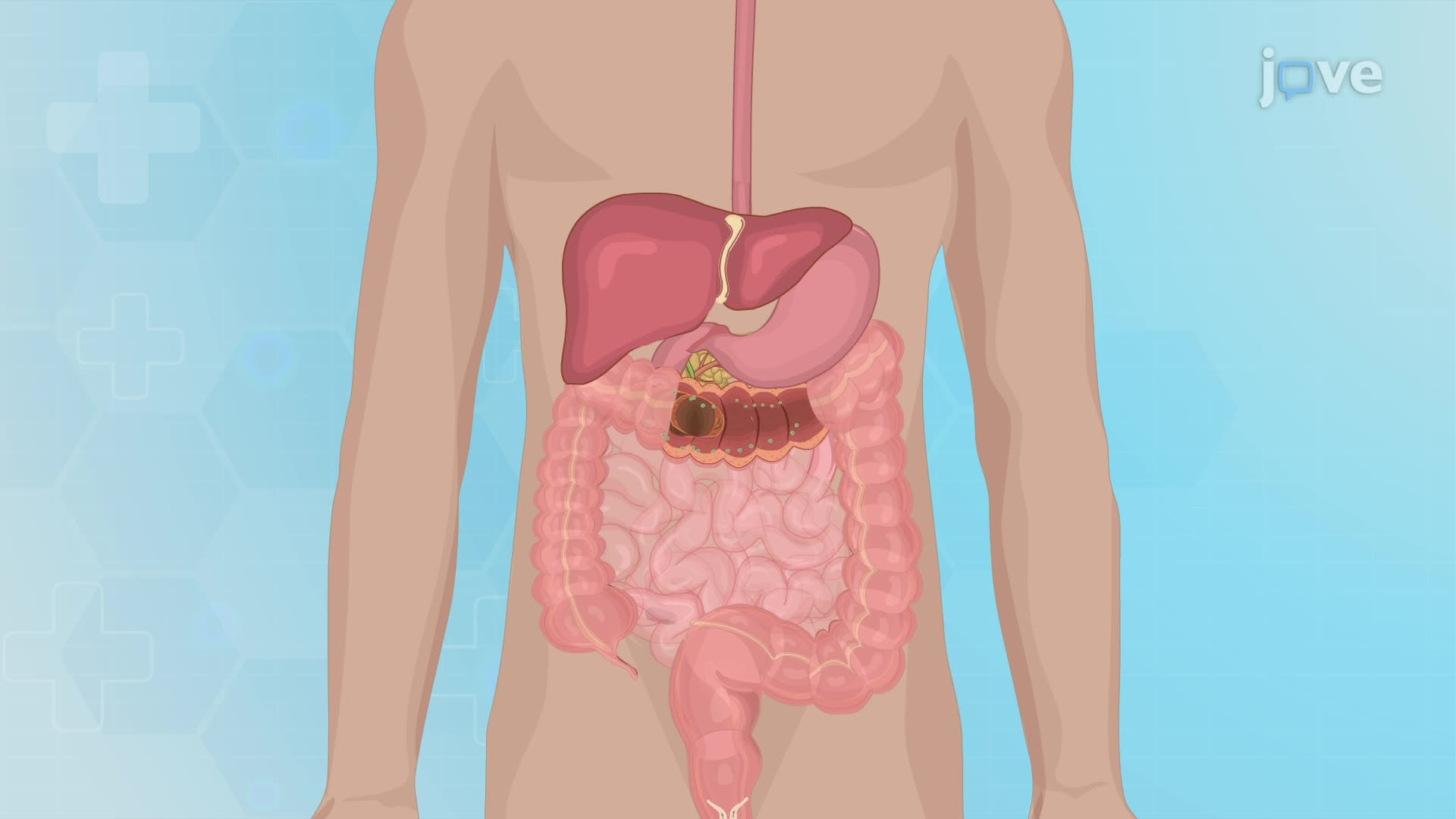
The Physiology Gastrointestinal System II Digestion Explained encompasses the sophisticated mechanisms by which your body converts complex food molecules into absorbable nutrients. This process involves both mechanical forces and chemical reactions working in perfect synchronization across multiple organ systems.
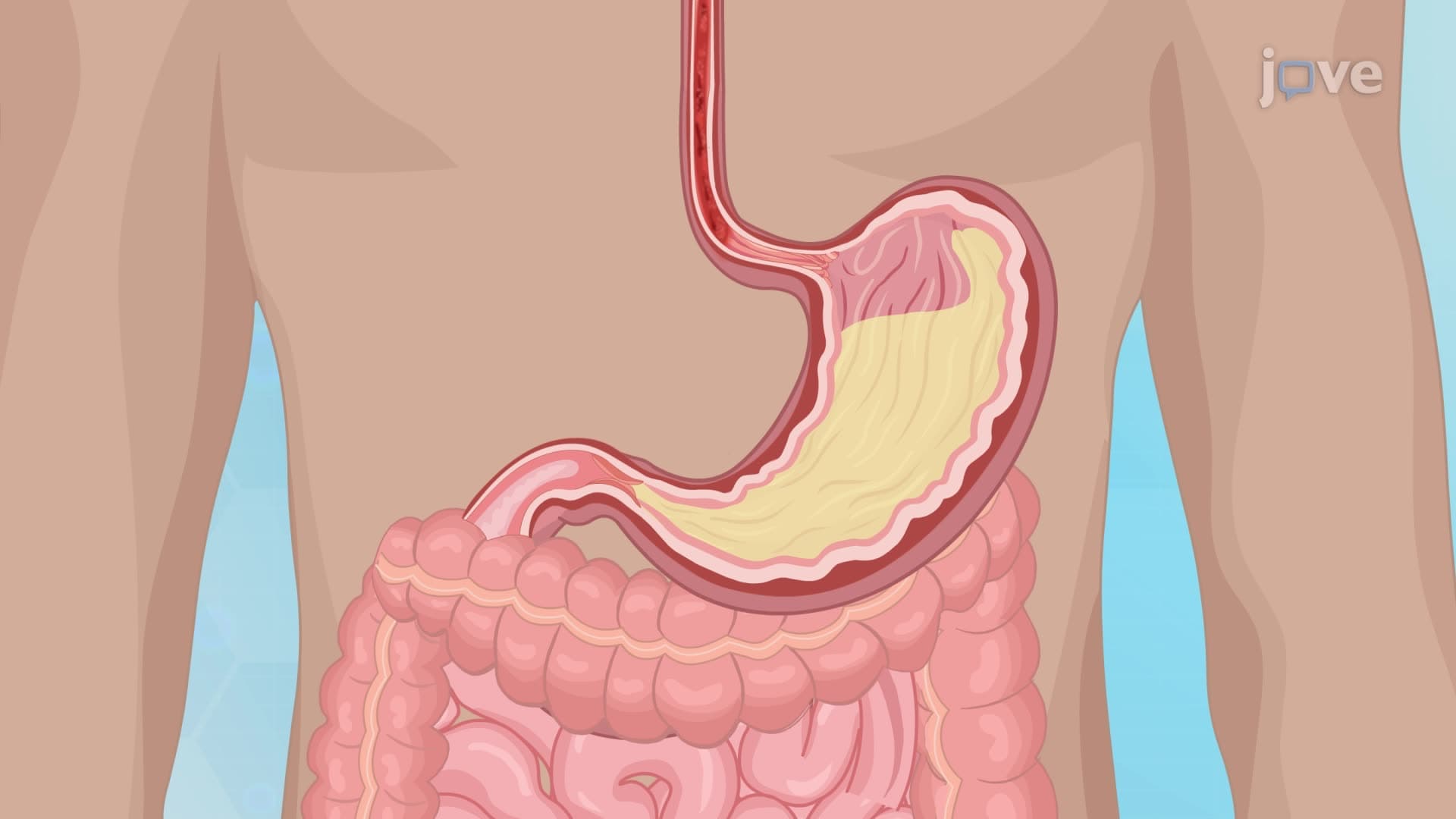
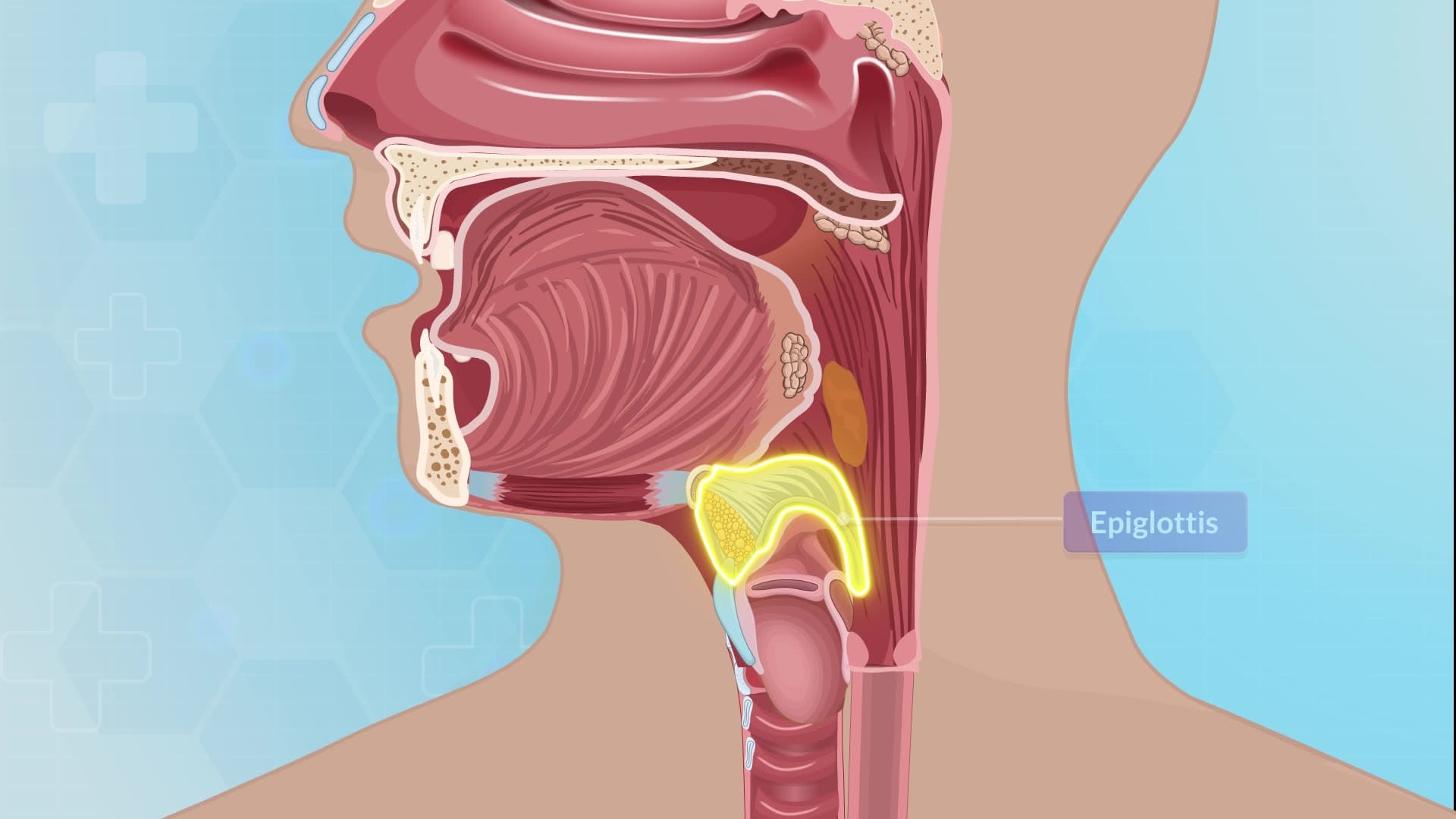
Mechanical digestion begins with mastication in the oral cavity, where teeth physically break down food into smaller particles. The tongue shapes these particles into a cohesive bolus, facilitating swallowing. In the stomach, powerful muscular contractions create a churning action that further reduces particle size while mixing food with gastric secretions. This mechanical processing increases surface area exposure, making chemical digestion more efficient.
Students preparing for the MCAT often encounter questions about peristalsis-the coordinated wave-like muscle contractions that propel food through the digestive tract. Understanding this mechanism is crucial for explaining how food moves from the esophagus through the intestines, even against gravity.
Chemical digestion involves specific enzymes that cleave molecular bonds in carbohydrates, proteins, and lipids. The stomach's acidic environment (pH 1.5-3.5) serves dual purposes: activating pepsinogen to pepsin for protein digestion and creating conditions that kill harmful bacteria. This acidic environment is maintained by parietal cells secreting hydrochloric acid through the hydrogen-potassium ATPase pump.
In the small intestine, pancreatic bicarbonate neutralizes acidic chyme, creating optimal pH conditions (8.0-8.5) for pancreatic enzymes. Pancreatic amylase continues carbohydrate digestion, while trypsin and chymotrypsin break down proteins into smaller peptides. Lipase works with bile salts to emulsify and digest fats, converting triglycerides into fatty acids and monoglycerides.
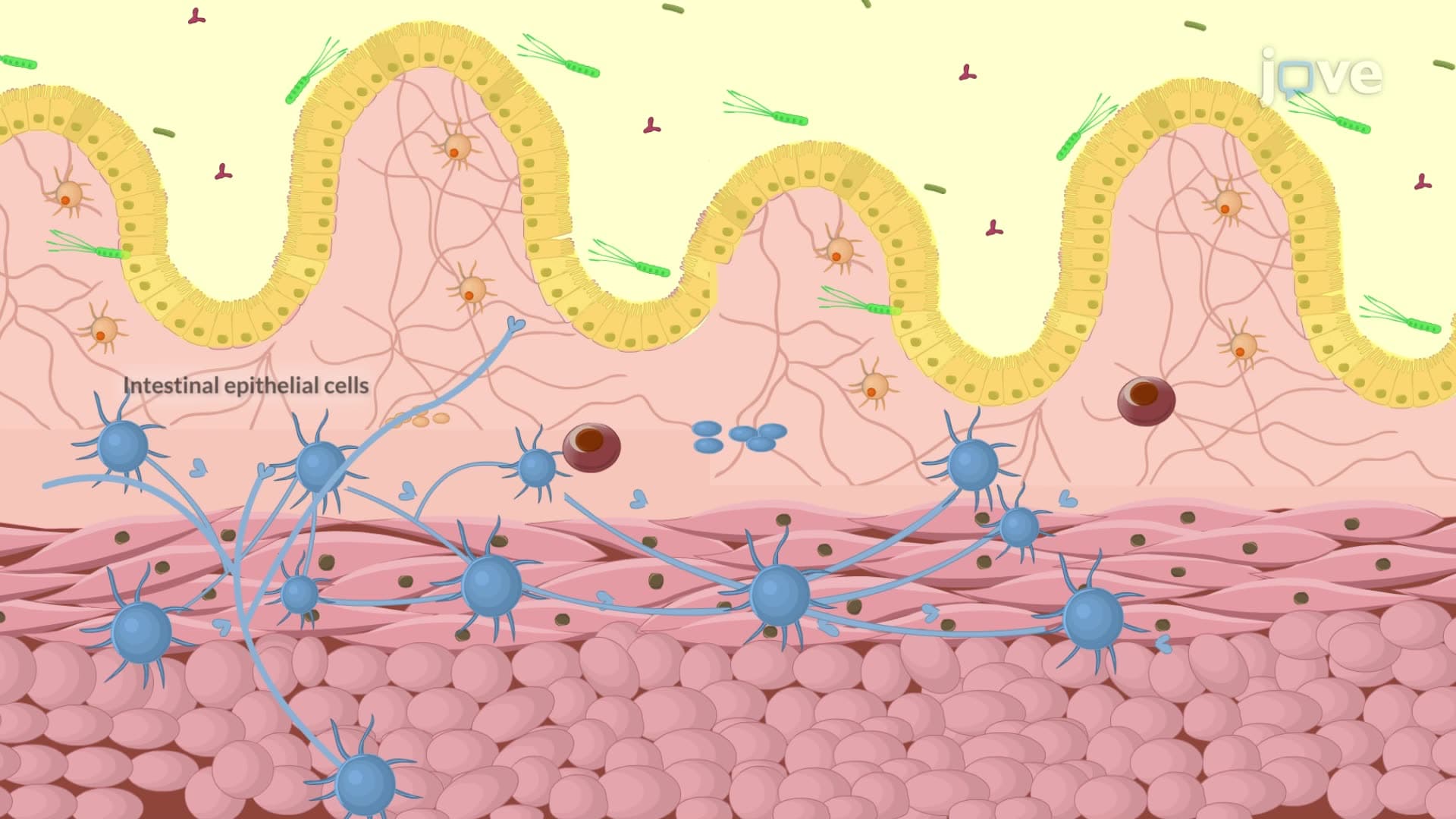
The small intestine's specialized architecture maximizes absorption through villi and microvilli, creating approximately 600 square meters of absorptive surface-roughly the size of a tennis court. Different nutrients utilize specific transport mechanisms: glucose and amino acids require active transport, while fatty acids diffuse passively across cell membranes.
Medical students studying for the USMLE frequently encounter clinical scenarios involving malabsorption syndromes like celiac disease, where damaged villi cannot effectively absorb nutrients. Understanding normal absorption physiology provides the foundation for recognizing these pathological conditions.
Related Micro-courses