Loading video…


 11 Concepts
 11.2K views

Video Summary: What Is Assessment Rectum and Anus
Did you know that rectal examinations can detect up to 80% of colorectal cancers within reach of the examining finger? Assessment rectum and anus involves systematic inspection and palpation techniques used by healthcare providers to evaluate the lower gastrointestinal tract. This examination is routinely performed in US hospitals like Mayo Clinic during comprehensive physical assessments. Watch the full video on JoVE Coach to master this concept with expert-led visuals and step-by-step explanations.
Assessment rectum and anus represents a critical component of physical examination taught in nursing and medical programs across US institutions like Johns Hopkins University and UCLA. This systematic evaluation combines visual inspection with digital palpation to assess the health of the terminal gastrointestinal tract. Healthcare providers use this assessment to screen for colorectal cancer, inflammatory conditions, and structural abnormalities that affect millions of Americans annually.
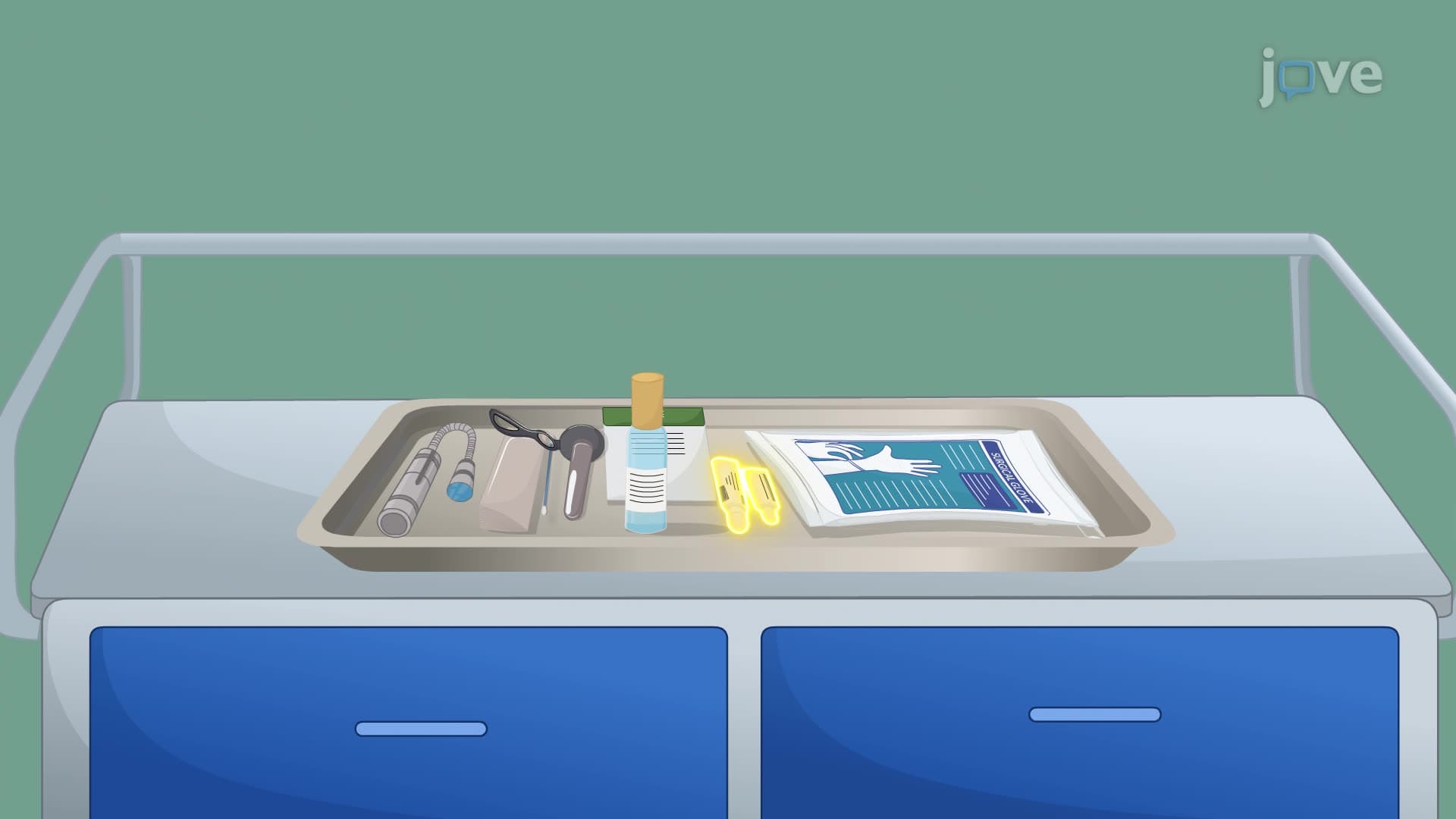
Successful rectal assessment requires specific preparation and equipment. Healthcare providers must gather water-soluble lubricant (never oil-based products that can damage latex gloves), non-powdered examination gloves, adequate lighting, and patient drapes for privacy. Patient education plays a crucial role-explaining the procedure reduces anxiety and promotes cooperation. This preparation phase directly correlates with questions found on nursing licensure exams like the NCLEX-RN, where candidates must demonstrate knowledge of proper examination techniques.
The examination begins with visual inspection of the perianal area, assessing skin color, texture, and identifying abnormalities such as skin tags, hemorrhoids, or fissures. The bearing-down maneuver reveals internal hemorrhoids, rectal prolapse, or polyps that may not be visible at rest. Digital examination follows a specific protocol: gentle pressure against the anal opening, insertion toward the umbilicus as the sphincter relaxes, and systematic palpation of all rectal surfaces. This technique appears frequently in USMLE Step 2 Clinical Skills examinations and advanced practice nursing board certifications.
Rectal assessment findings guide treatment decisions in conditions ranging from hemorrhoids to colorectal cancer screening. The American Cancer Society recommends regular screening beginning at age 45, making this skill essential for primary care providers. Students studying for the MCAT encounter questions about rectal examination techniques in their behavioral sciences sections, while nursing students face practical demonstrations during clinical rotations at facilities like Cleveland Clinic and Massachusetts General Hospital.
Related Micro-courses