Loading subject page…


9,805 views

Video Summary: Lower Gi Series Barium Enema Explained
Every year, over 150,000 Americans are diagnosed with colorectal cancer, making diagnostic imaging like the lower gi series barium enema a critical screening tool. This radiographic procedure involves introducing contrast material into the colon to visualize potential abnormalities such as polyps or tumors. The Lower GI Series Barium Enema Explained process requires careful patient preparation and post-procedure monitoring to ensure safety and diagnostic accuracy. Watch the full video on JoVE Coach to master this concept with expert-led visuals and step-by-step explanations.
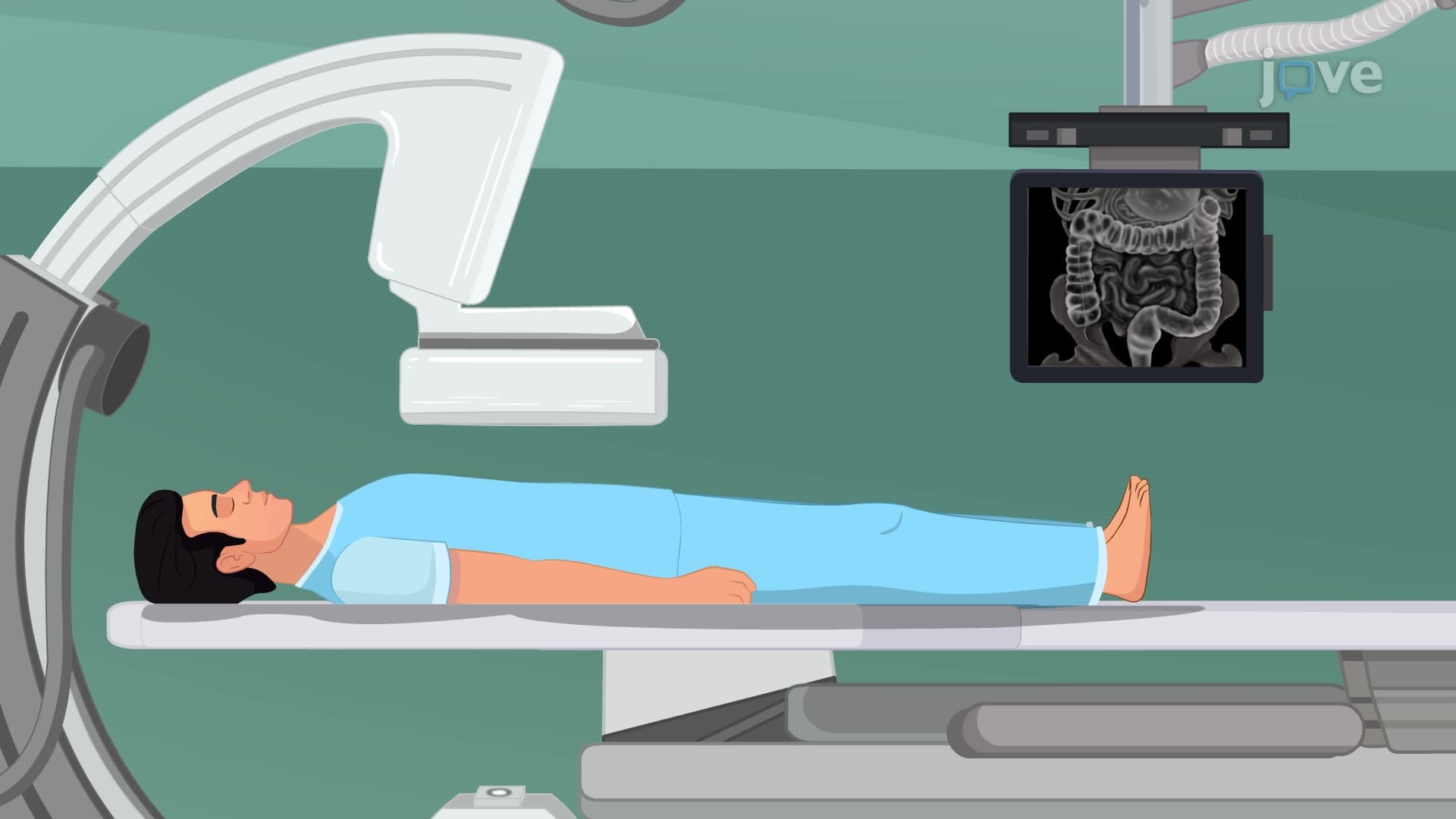
The lower gi series barium enema represents a cornerstone diagnostic tool in gastroenterology, utilizing radiopaque contrast material to visualize the large intestine's internal structure. This procedure combines the principles of radiographic imaging with contrast enhancement to detect pathological conditions that might otherwise remain invisible on standard X-rays. Healthcare professionals across the United States, from Johns Hopkins Hospital to Mayo Clinic, rely on this technique for accurate diagnosis of colorectal disorders.
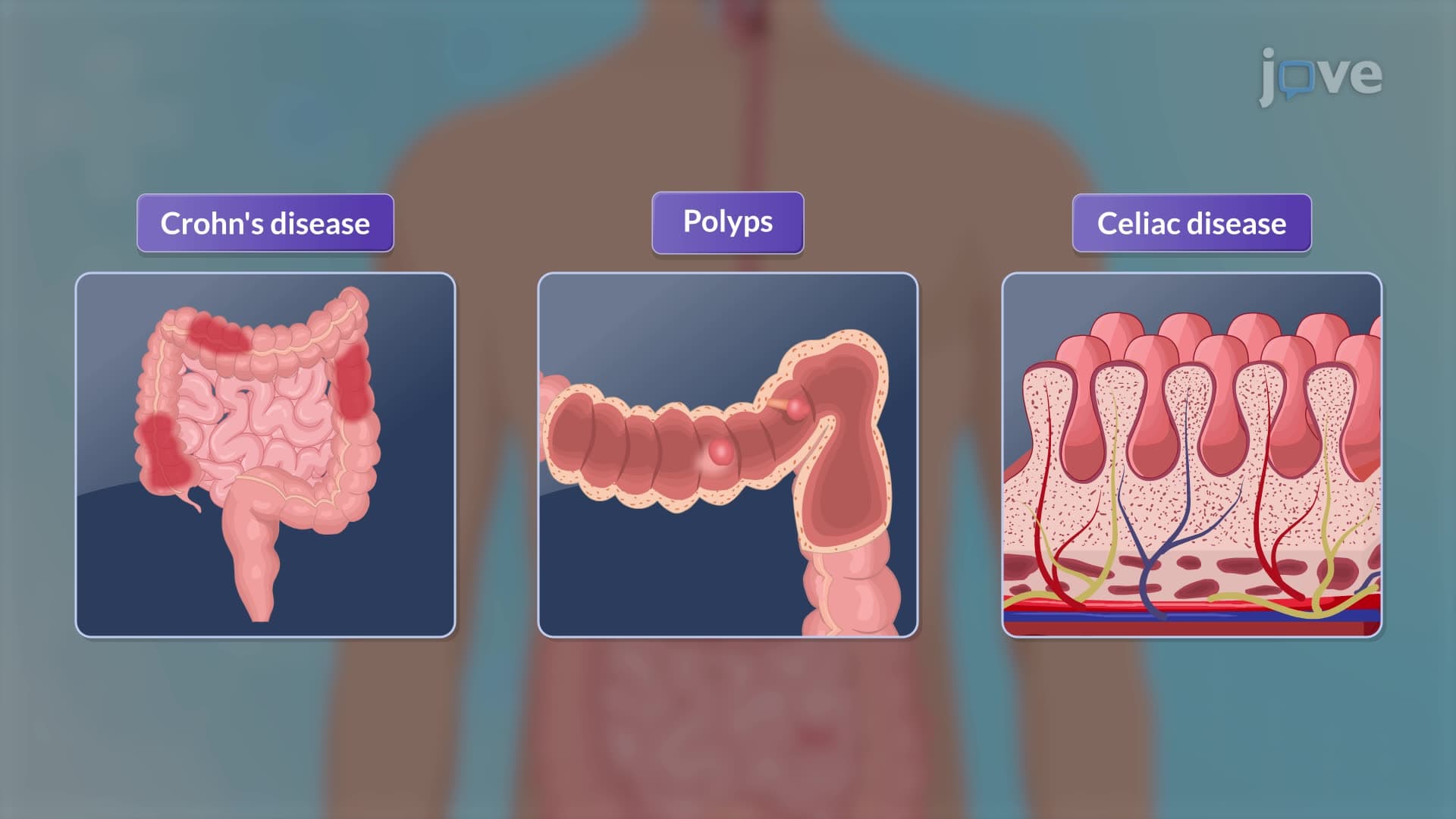
The how lower gi series barium enema works involves introducing barium sulfate suspension through the rectum, which coats the colonic mucosa and creates contrast against surrounding tissues. This technique proves invaluable for detecting colorectal cancer, adenomatous polyps, inflammatory bowel disease, and diverticular disease. Major medical centers like Cleveland Clinic report high diagnostic accuracy rates when proper technique is employed. Students preparing for the MCAT or NCLEX-RN should understand that this procedure serves as both a screening and diagnostic tool, particularly important given that colorectal cancer ranks as the third most common cancer in American adults.
Successful lower gi series barium enema tutorial implementation requires meticulous patient preparation to ensure optimal visualization and patient safety. The preparation protocol involves a three-day low-residue diet, followed by clear liquids and prescribed laxatives. Patients must maintain NPO status for eight hours before the procedure. These requirements ensure adequate bowel cleansing, which directly impacts image quality and diagnostic accuracy. Understanding these preparation steps is crucial for students taking the HESI A2 or TEAS exams, as patient education and preparation represent fundamental nursing responsibilities.
The lower gi series barium enema concept extends beyond the imaging procedure itself to encompass comprehensive post-procedure care. Patients require careful monitoring for contrast elimination, as retained barium can lead to fecal impaction or bowel obstruction. Healthcare providers must educate patients about expected stool color changes lasting up to 72 hours and the importance of increased fluid intake. This aspect of care proves particularly relevant for students studying for AP Biology or college-level anatomy and physiology courses, as it demonstrates the practical application of physiological principles in clinical practice.
Related Micro-courses