Loading subject page…


9,806 views


Video Summary: What Is Endoscopic Procedures I Esophagogastroduodenoscopy
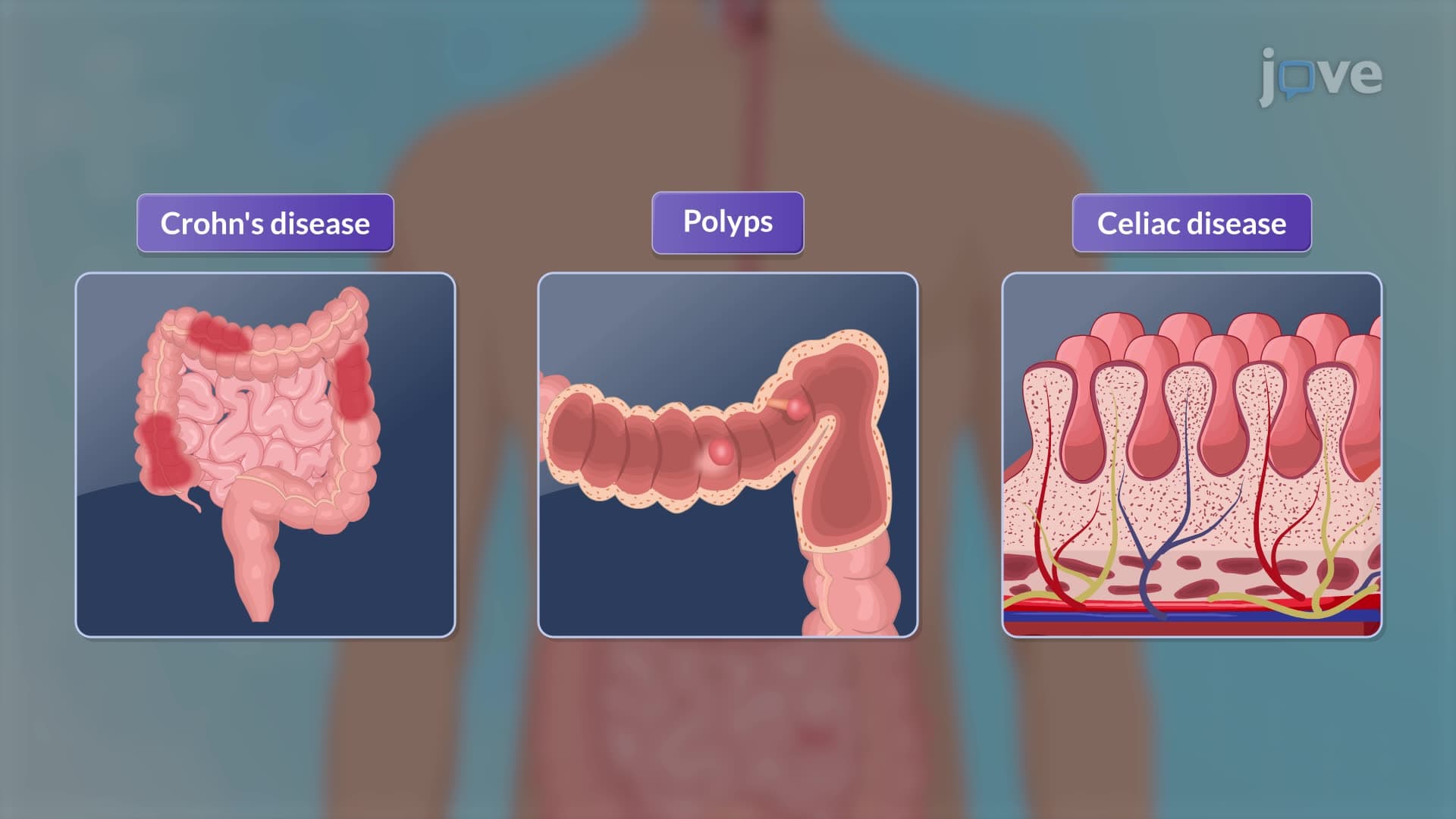
Every 20 minutes in the United States, someone undergoes an endoscopic procedures i esophagogastroduodenoscopy (EGD) to investigate mysterious stomach pain or swallowing difficulties. This sophisticated diagnostic procedure allows physicians at hospitals like Mayo Clinic to visualize the upper digestive tract in real-time, from the throat down to the small intestine. What is Endoscopic Procedures I Esophagogastroduodenoscopy reveals how this minimally invasive technique can diagnose everything from GERD to celiac disease using a flexible, camera-equipped tube. Watch the full video on JoVE Coach to master this concept with expert-led visuals and step-by-step explanations.
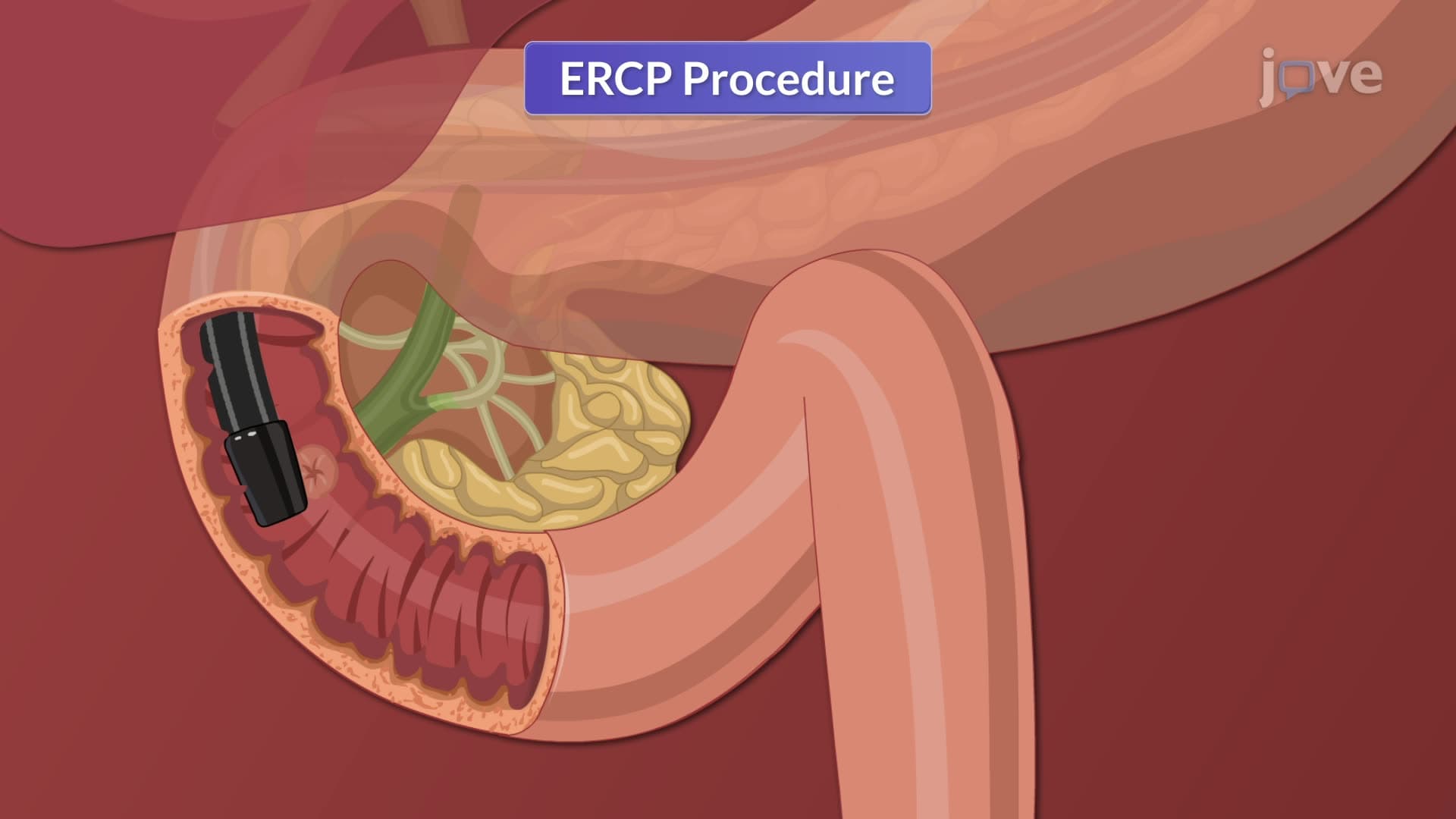
Esophagogastroduodenoscopy represents one of the most versatile diagnostic tools in modern gastroenterology. This procedure enables direct visualization of the upper gastrointestinal tract through a flexible endoscope equipped with high-definition cameras and specialized lighting. Unlike radiographic imaging, EGD provides real-time, full-color visualization of mucosal surfaces, allowing clinicians to detect subtle abnormalities that might escape other diagnostic methods.
The procedure's diagnostic power extends far beyond simple observation. Gastroenterologists at leading US medical centers like Johns Hopkins and Cleveland Clinic routinely use EGD to investigate symptoms ranging from chronic heartburn to unexplained weight loss. The technique's versatility allows for simultaneous diagnostic assessment and therapeutic intervention, making it invaluable for conditions requiring immediate treatment.
Successful EGD requires meticulous preparation protocols. Patients must maintain complete oral intake restrictions for 6-8 hours before the procedure, ensuring optimal visualization and reducing aspiration risks. This fasting period aligns with guidelines established by the American Society for Gastrointestinal Endoscopy, emphasizing patient safety as the primary concern.
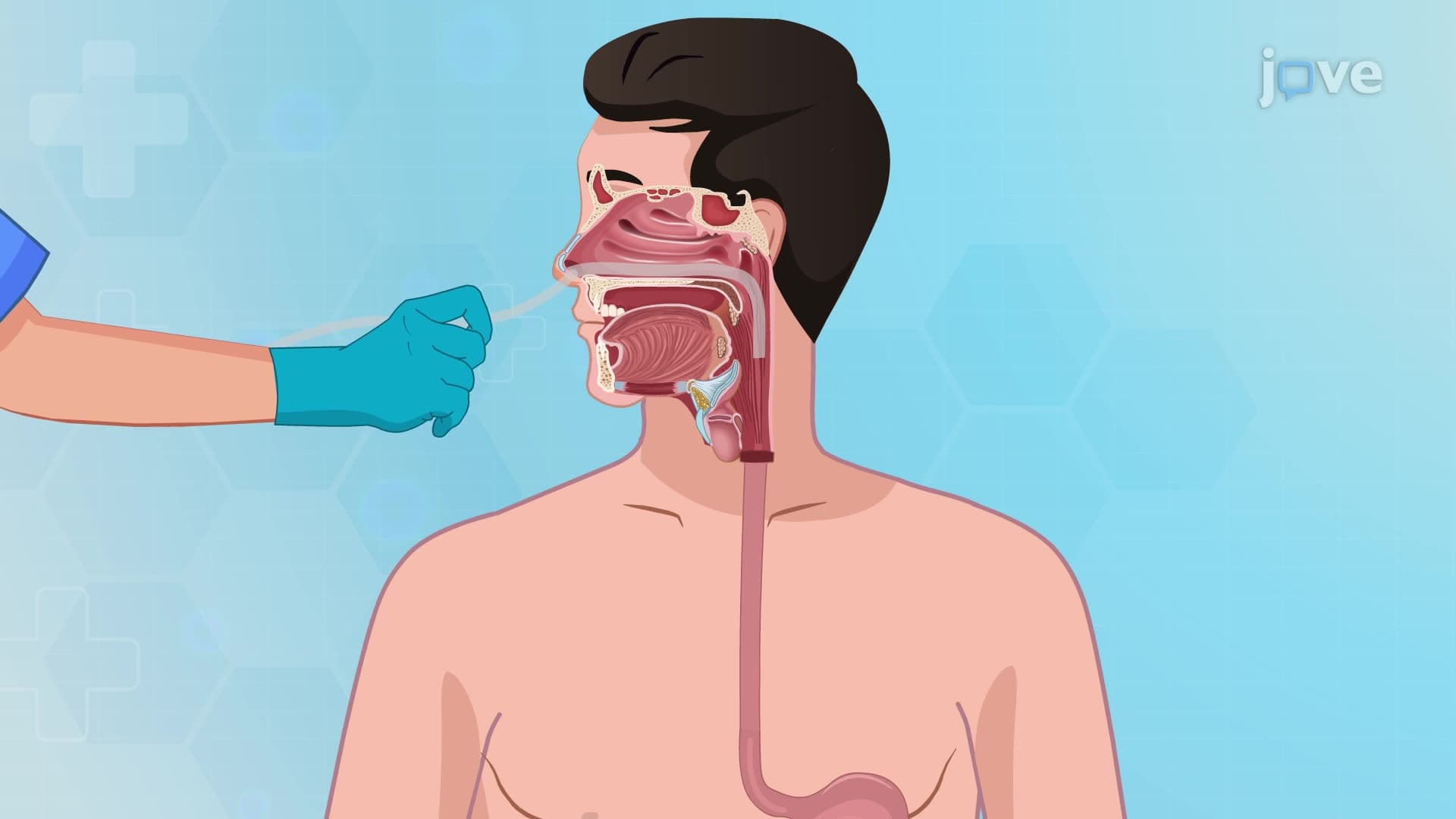
During the procedure, patients assume the left lateral decubitus position, facilitating scope advancement and reducing procedural complications. Conscious sedation, typically administered through intravenous access, ensures patient comfort while maintaining protective reflexes. The endoscope's insertion through the mouth guard allows systematic examination of each anatomical region, with insufflation techniques enhancing mucosal visualization.
EGD excels in diagnosing complex gastrointestinal conditions that significantly impact patient quality of life. Gastroesophageal reflux disease (GERD) affects approximately 20% of Americans, making EGD evaluation crucial for assessing esophageal damage and guiding treatment strategies. The procedure can identify Barrett's esophagus, a precancerous condition requiring ongoing surveillance.
Peptic ulcer disease, affecting millions of Americans annually, benefits tremendously from EGD evaluation. The procedure not only confirms ulcer presence but also identifies underlying Helicobacter pylori infections, enabling targeted antibiotic therapy. For students preparing for the MCAT or nursing board exams like NCLEX, understanding these diagnostic applications proves essential for clinical reasoning questions.
Nursing professionals play pivotal roles throughout the EGD process, from patient education to post-procedure monitoring. Pre-procedure responsibilities include comprehensive patient assessment, ensuring informed consent completion, and verifying fasting compliance. These protocols align with standards established by the American Association of Nurse Practitioners and feature prominently in NCLEX examination content.
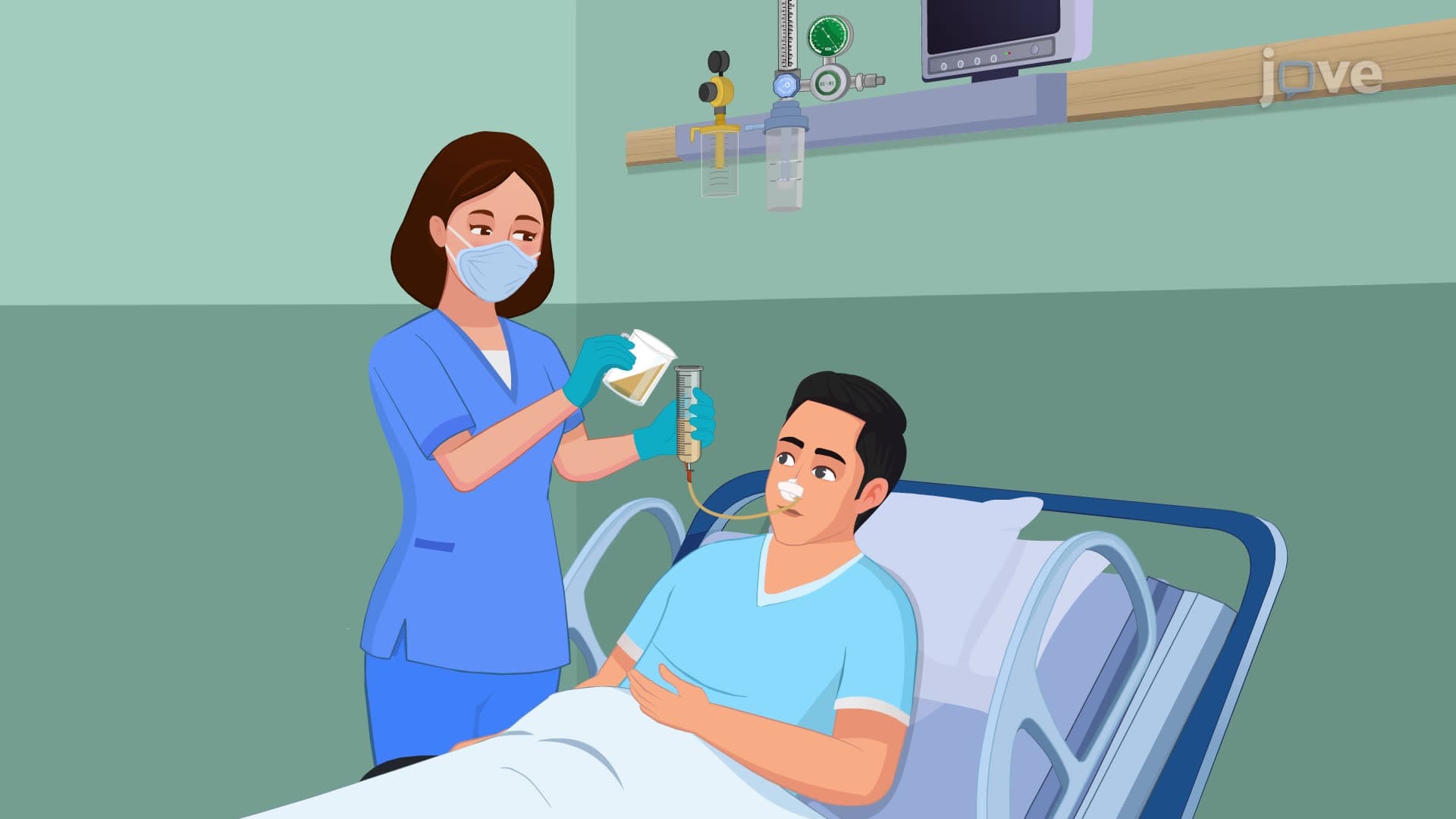
Intraoperative nursing care focuses on continuous patient monitoring, including vital signs assessment and oxygen saturation surveillance. Post-procedure care extends until complete sedation reversal, with particular attention to potential complications such as bleeding or perforation. These nursing competencies frequently appear in HESI A2 and TEAS examination questions, emphasizing their importance in healthcare education.
Related Micro-courses