Loading subject page…


9,805 views


Video Summary: What Is Endoscopic Procedures Ii Colonoscopy
Every year, over 14 million Americans undergo endoscopic procedures ii colonoscopy to detect potentially life-threatening conditions before symptoms appear. What is Endoscopic Procedures II Colonoscopy involves using a flexible, camera-equipped scope to thoroughly examine the entire colon for abnormalities like polyps, inflammation, or early-stage cancer. At major medical centers like Mayo Clinic, this procedure serves as both a diagnostic tool and preventive screening method, allowing physicians to identify and remove precancerous growths during the same session. Watch the full video on JoVE Coach to master this concept with expert-led visuals and step-by-step explanations.
Endoscopic procedures ii colonoscopy represents one of the most critical diagnostic and screening tools in modern gastroenterology. This minimally invasive procedure allows healthcare providers to directly visualize the entire colon using a flexible, fiber-optic instrument called a colonoscope. Unlike external imaging techniques, colonoscopy provides real-time, high-definition images of the colon's mucosal lining, enabling immediate identification and often simultaneous treatment of abnormalities.
The procedure's significance extends beyond simple visualization. According to the American Cancer Society, colonoscopy screening has contributed to a 30% decline in colorectal cancer deaths since 1990. This dramatic impact stems from the procedure's ability to detect and remove precancerous polyps before they develop into malignant tumors.
The endoscopic procedures ii colonoscopy definition encompasses a systematic examination of the colon's five main segments. Beginning at the rectum, the colonoscope advances through the sigmoid colon (characterized by its S-shaped curves), continues through the descending colon along the left abdominal wall, traverses the transverse colon across the upper abdomen, and finally reaches the ascending colon and cecum.
During insertion, controlled insufflation of air or carbon dioxide expands the colon, creating optimal visualization conditions. This technique, while causing temporary discomfort, allows for comprehensive mucosal examination and accurate measurement of lesion size and location. Advanced colonoscopes incorporate high-definition cameras, narrow-band imaging, and chromoendoscopy capabilities, significantly enhancing diagnostic accuracy.
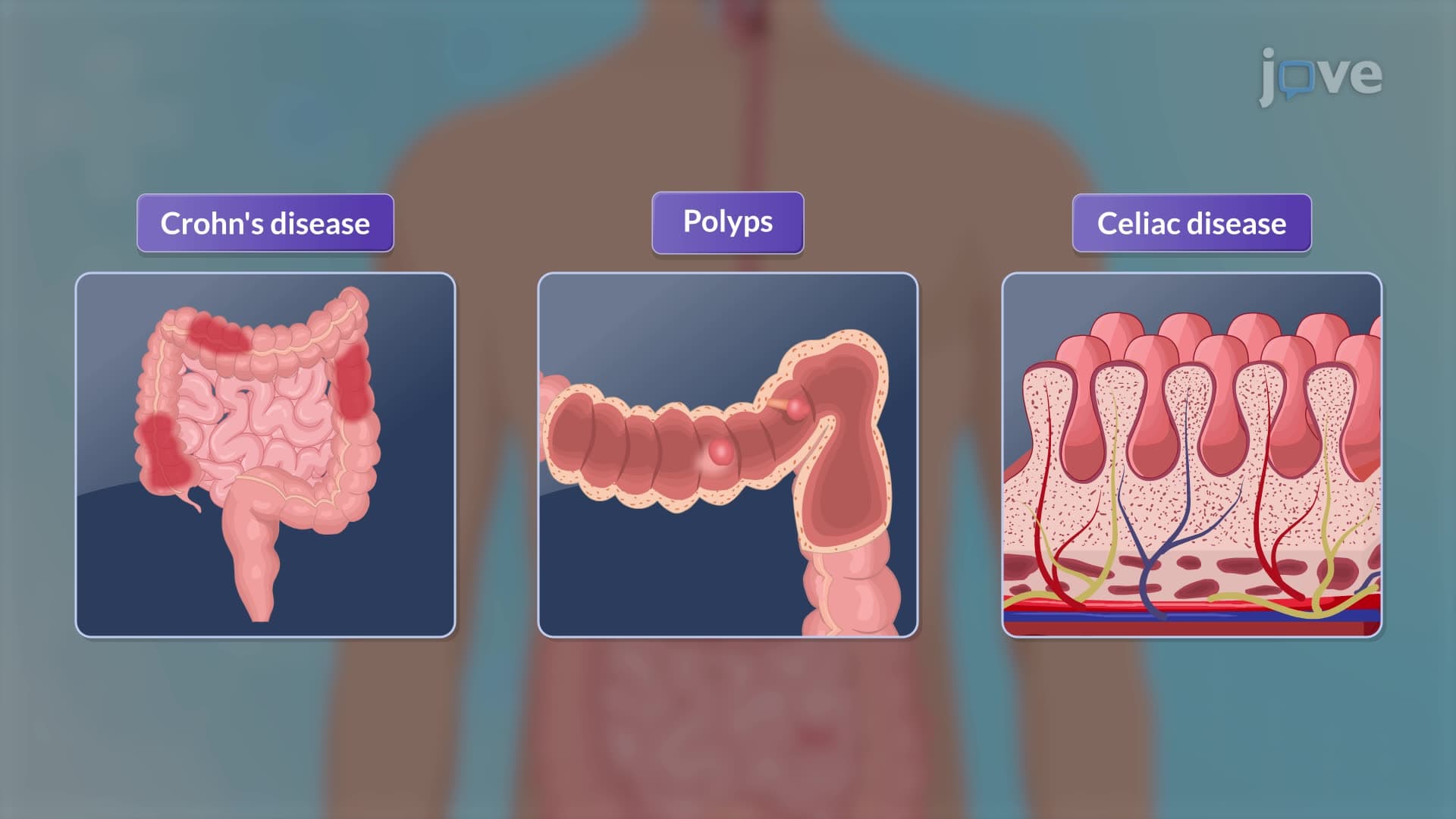
What is endoscopic procedures ii colonoscopy in detail involves recognizing its diverse clinical applications. Beyond cancer screening, colonoscopy diagnoses inflammatory bowel diseases like Crohn's disease and ulcerative colitis, identifies sources of gastrointestinal bleeding, and evaluates unexplained abdominal symptoms.
The procedure's therapeutic potential distinguishes it from other imaging modalities. Gastroenterologists routinely perform polypectomy (polyp removal), tissue biopsies, and hemostasis (bleeding control) during the same session. At leading institutions like Cleveland Clinic and Johns Hopkins, advanced techniques include endoscopic mucosal resection and submucosal dissection for larger lesions.
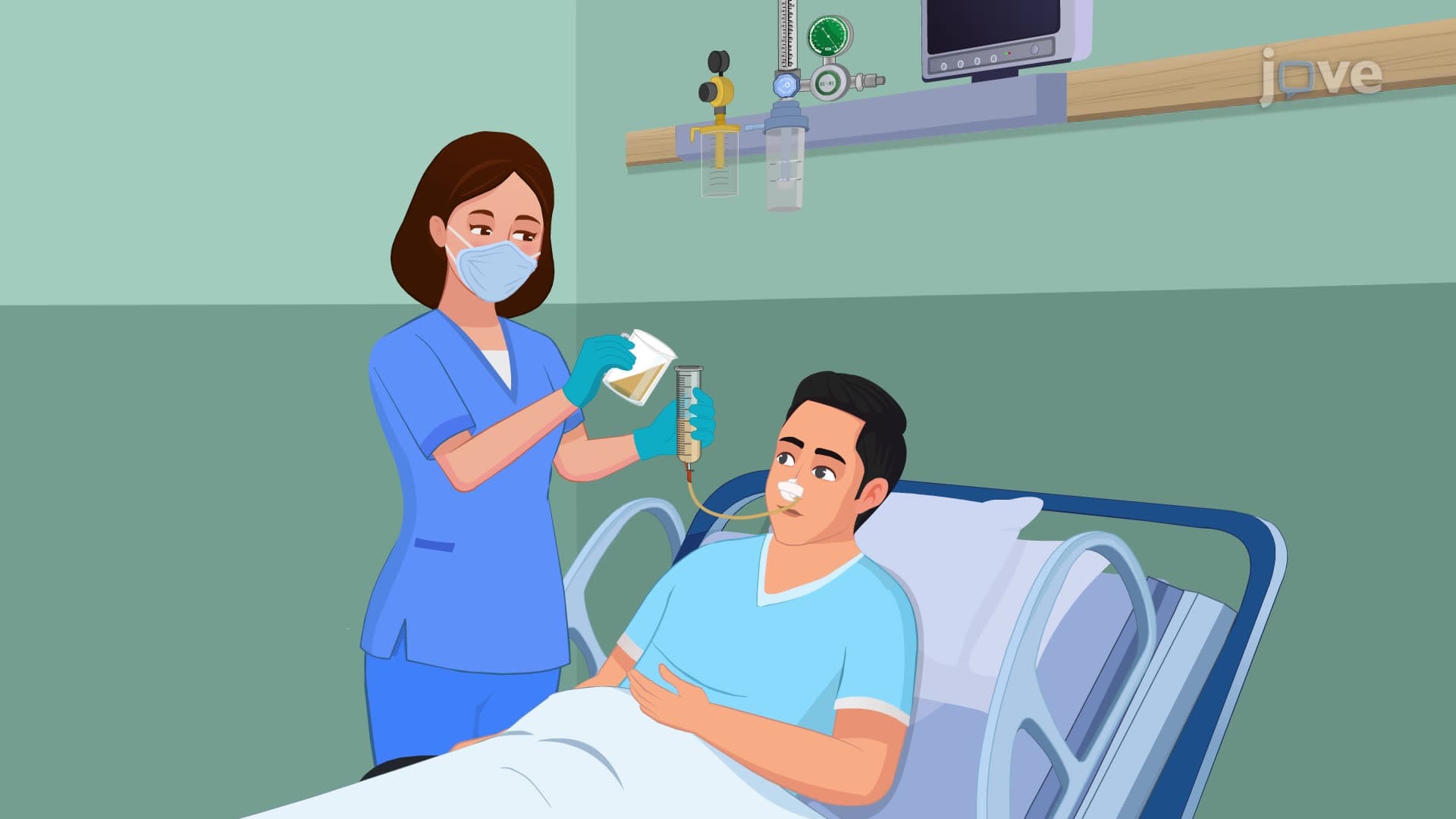
Professional nursing care encompasses comprehensive pre-procedure education, including detailed bowel preparation instructions and medication management guidelines. Nurses must assess patient understanding of dietary restrictions, typically requiring clear liquids for 24 hours and complete bowel evacuation using prescribed laxatives.
Intraoperative nursing responsibilities include continuous vital sign monitoring, sedation assessment using standardized scales, and maintaining patient dignity through appropriate draping and positioning. Post-procedure care focuses on recovery monitoring, complication recognition, and discharge education regarding activity restrictions and warning signs requiring immediate medical attention.
Related Micro-courses