Loading subject page…


6,519 views


Video Summary: Inflammatory Bowel Disease I Ulcerative Colitis Explained
Nearly 1.6 million Americans live with inflammatory bowel disease i ulcerative colitis, a condition that can transform a simple meal into hours of discomfort. Inflammatory bowel disease i ulcerative colitis primarily affects the colon's inner lining, causing inflammation that leads to painful symptoms like bloody diarrhea and abdominal cramping. Consider how patients at Mayo Clinic describe feeling trapped by unpredictable flare-ups that disrupt work and social activities. Watch the full video on JoVE Coach to master this concept with expert-led visuals and step-by-step explanations.
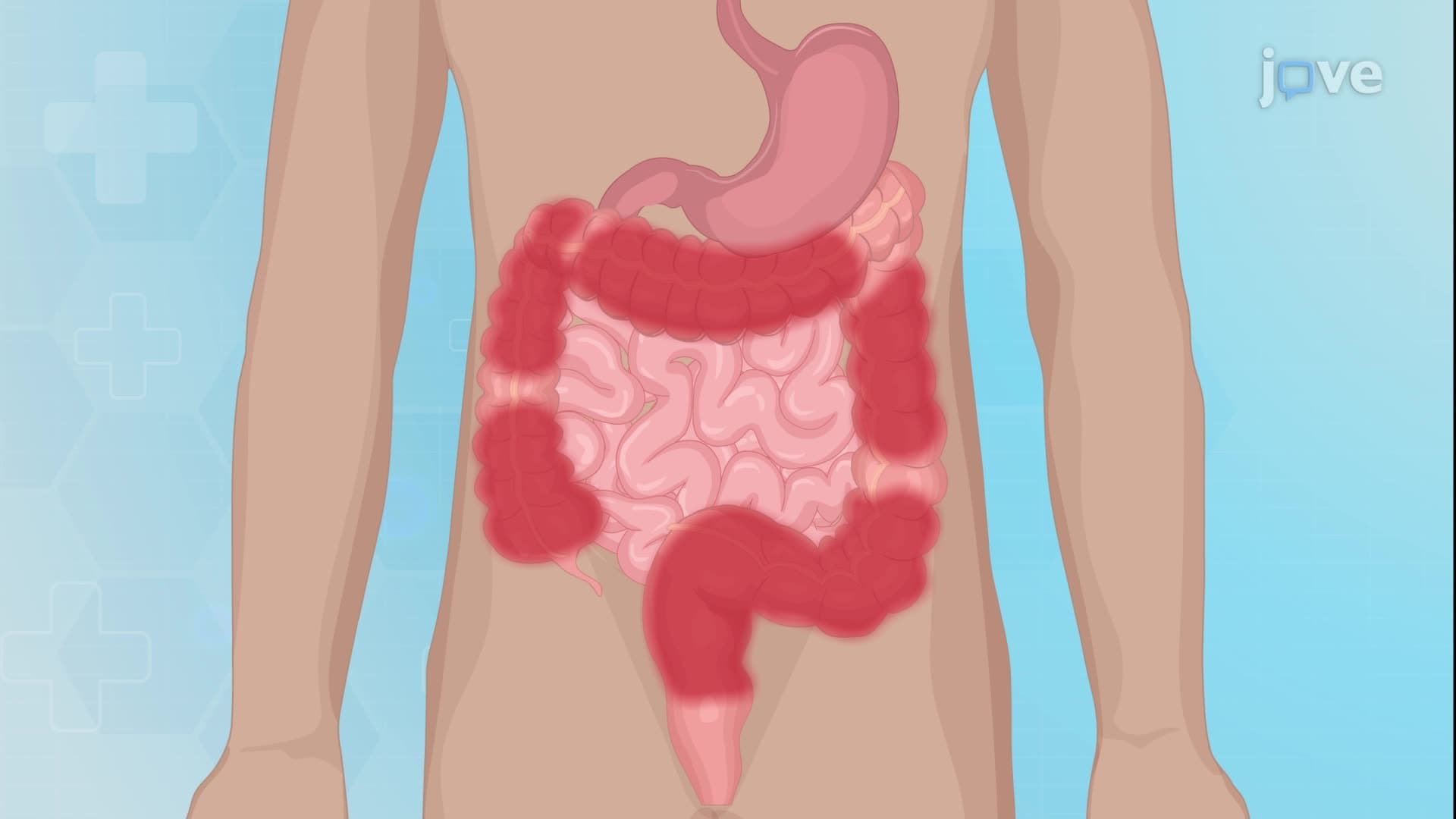
Inflammatory bowel disease i ulcerative colitis represents a complex autoimmune condition affecting approximately 907,000 Americans, with the highest prevalence among young adults aged 15-30. Unlike other gastrointestinal disorders, ulcerative colitis specifically targets the mucosal and submucosal layers of the large intestine, creating a distinctive pattern of continuous inflammation that begins in the rectum and extends proximally through the colon.
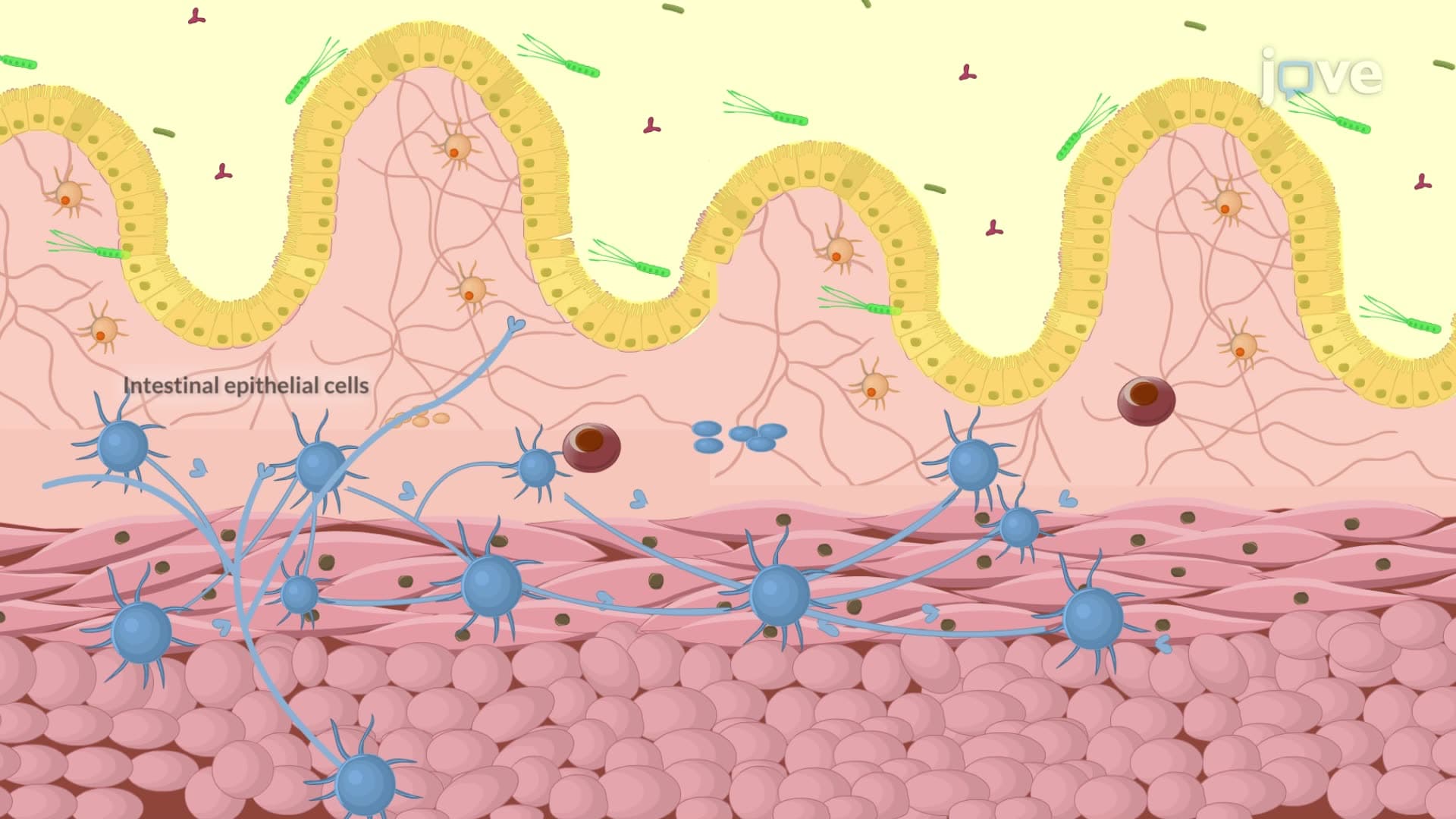
The disease mechanism involves a dysregulated immune response where the body's defense system mistakenly attacks healthy intestinal tissue. This process begins when environmental triggers-such as specific bacteria, dietary antigens, or medications like NSAIDs-interact with genetically susceptible individuals. Research from institutions like Johns Hopkins and Cleveland Clinic demonstrates that patients often carry genetic variants affecting immune regulation, particularly in the HLA-DRB1 and IL-10 receptor genes.
The hallmark symptoms of ulcerative colitis follow a predictable pattern that medical students encounter frequently on MCAT practice questions and USMLE Step 1 exams. Patients typically present with bloody diarrhea containing mucus, experiencing up to 10-20 bowel movements daily during acute flares. The characteristic left lower quadrant abdominal pain reflects the disease's predilection for the sigmoid colon and rectum.
Tenesmus-the persistent feeling of incomplete bowel evacuation-occurs in nearly 75% of patients and significantly impacts quality of life. This symptom often appears in AP Biology exam questions when discussing homeostasis disruption. Students preparing for college-level anatomy and physiology courses should understand how chronic inflammation leads to muscular hypertrophy, ultimately causing the bowel wall thickening visible on CT scans at major medical centers like Massachusetts General Hospital.
Beyond gastrointestinal symptoms, ulcerative colitis frequently involves extraintestinal manifestations that appear in approximately 25-35% of patients. Enteropathic arthritis commonly affects peripheral joints, particularly knees and ankles, following a pattern distinct from rheumatoid arthritis. Dermatologic complications include erythema nodosum and pyoderma gangrenosum, while ocular involvement may manifest as uveitis or episcleritis.
These systemic complications often correlate with disease activity and represent important differential diagnosis points for pre-med students taking the MCAT. Understanding these connections helps explain why gastroenterologists at institutions like Stanford Medical Center employ multidisciplinary approaches, collaborating with rheumatologists, dermatologists, and ophthalmologists to provide comprehensive patient care.
Related Micro-courses