Loading subject page…


6,519 views


Video Summary: Inflammatory Bowel Disease Ii Crohn Explained
Did you know that Crohn's disease can affect any part of your digestive tract, from mouth to anus, yet mysteriously skips healthy sections in between? This inflammatory bowel disease II Crohn condition creates a distinctive "cobblestone" pattern in the intestinal lining and primarily strikes the small intestine's end and ascending colon. Unlike ulcerative colitis, which only affects surface layers, Crohn's inflammation penetrates through all intestinal wall layers, creating transmural damage that can lead to serious complications in patients across major US medical centers like Mayo Clinic and Johns Hopkins. Watch the full video on JoVE Coach to master this concept with expert-led visuals and step-by-step explanations.
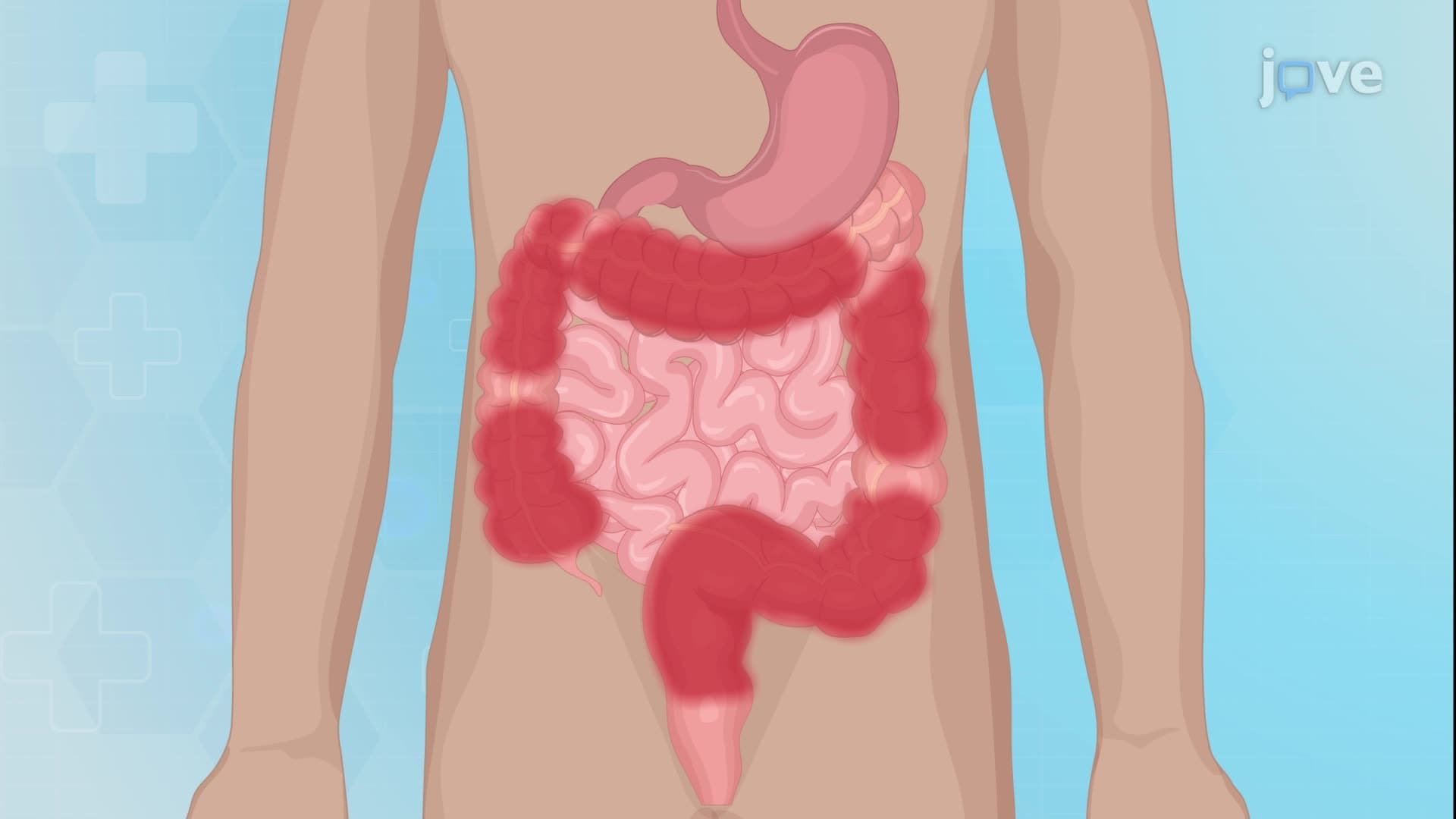
Inflammatory Bowel Disease II Crohn represents one of medicine's most complex gastrointestinal conditions, characterized by chronic, relapsing inflammation that can affect any segment of the digestive tract. Unlike its inflammatory bowel disease counterpart ulcerative colitis, Crohn's disease demonstrates a predilection for the terminal ileum and right-sided colon, though it can manifest anywhere from the oral cavity to the perianal region. This unpredictable distribution pattern makes diagnosis and management particularly challenging for gastroenterologists across major US medical centers.
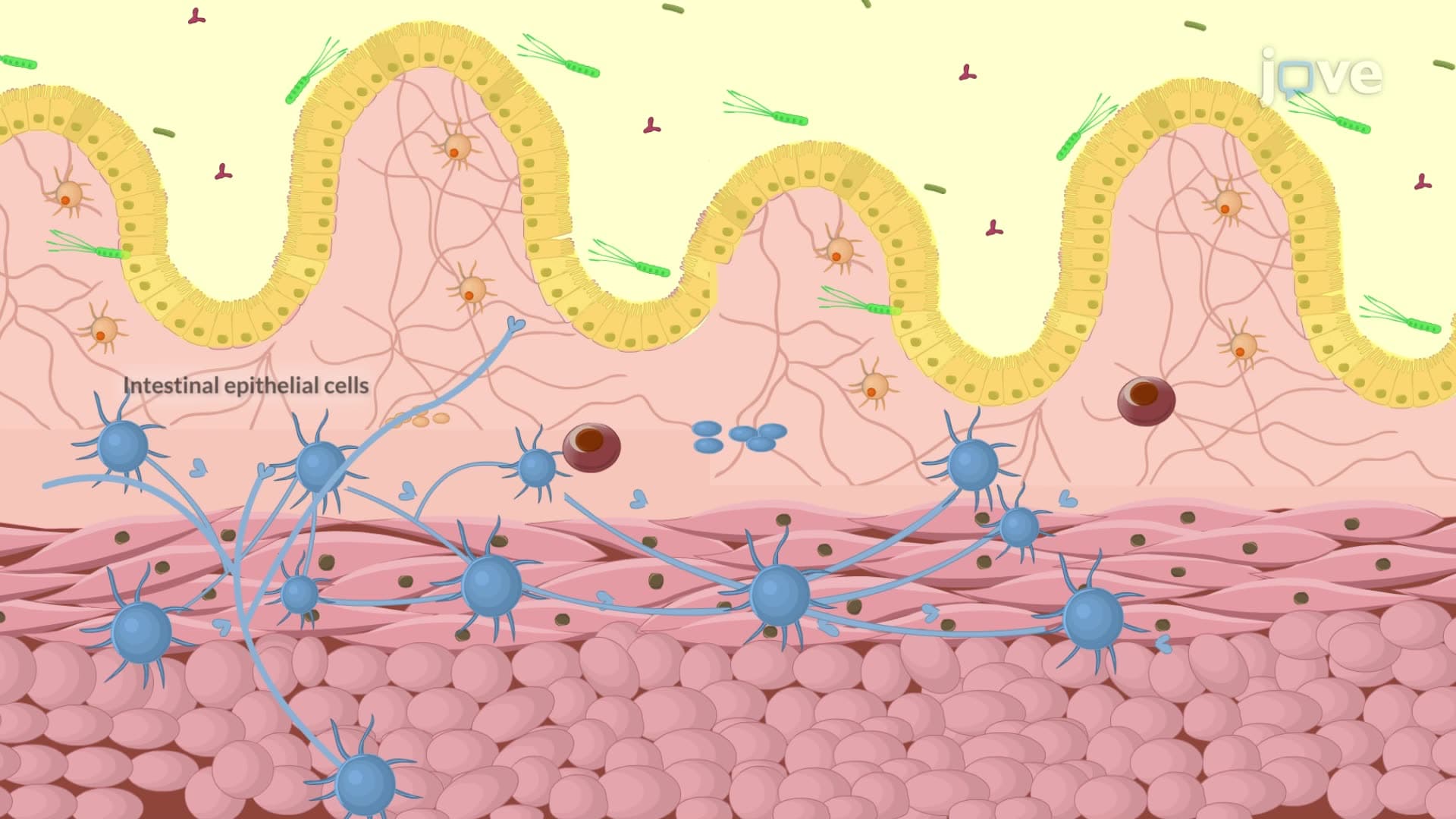
The hallmark feature distinguishing Crohn's disease involves transmural inflammation, meaning the inflammatory process extends through all layers of the intestinal wall-from the mucosa through the muscularis propria to the serosa. This deep penetration begins subtly with inflammatory cell infiltration around intestinal crypts, progressing to form characteristic non-caseating granulomas. These granulomas, found in approximately 60% of Crohn's patients, represent organized collections of immune cells that create the disease's distinctive histological signature. Students preparing for the MCAT or USMLE Step 1 should recognize that these granulomas differentiate Crohn's from ulcerative colitis, which typically shows crypt abscesses instead.
Perhaps the most clinically significant feature of Crohn's disease involves its discontinuous pattern of inflammation, creating "skip lesions" where severely inflamed bowel segments alternate with completely normal tissue. This patchy distribution contrasts sharply with ulcerative colitis's continuous inflammation pattern. As the disease progresses, repeated cycles of inflammation and healing create the characteristic "cobblestone" mucosal appearance, where deep longitudinal and transverse ulcers intersect to form raised, rounded areas resembling cobblestones. This endoscopic finding proves pathognomonic for Crohn's disease and frequently appears on AP Biology exams and college-level pathophysiology courses.
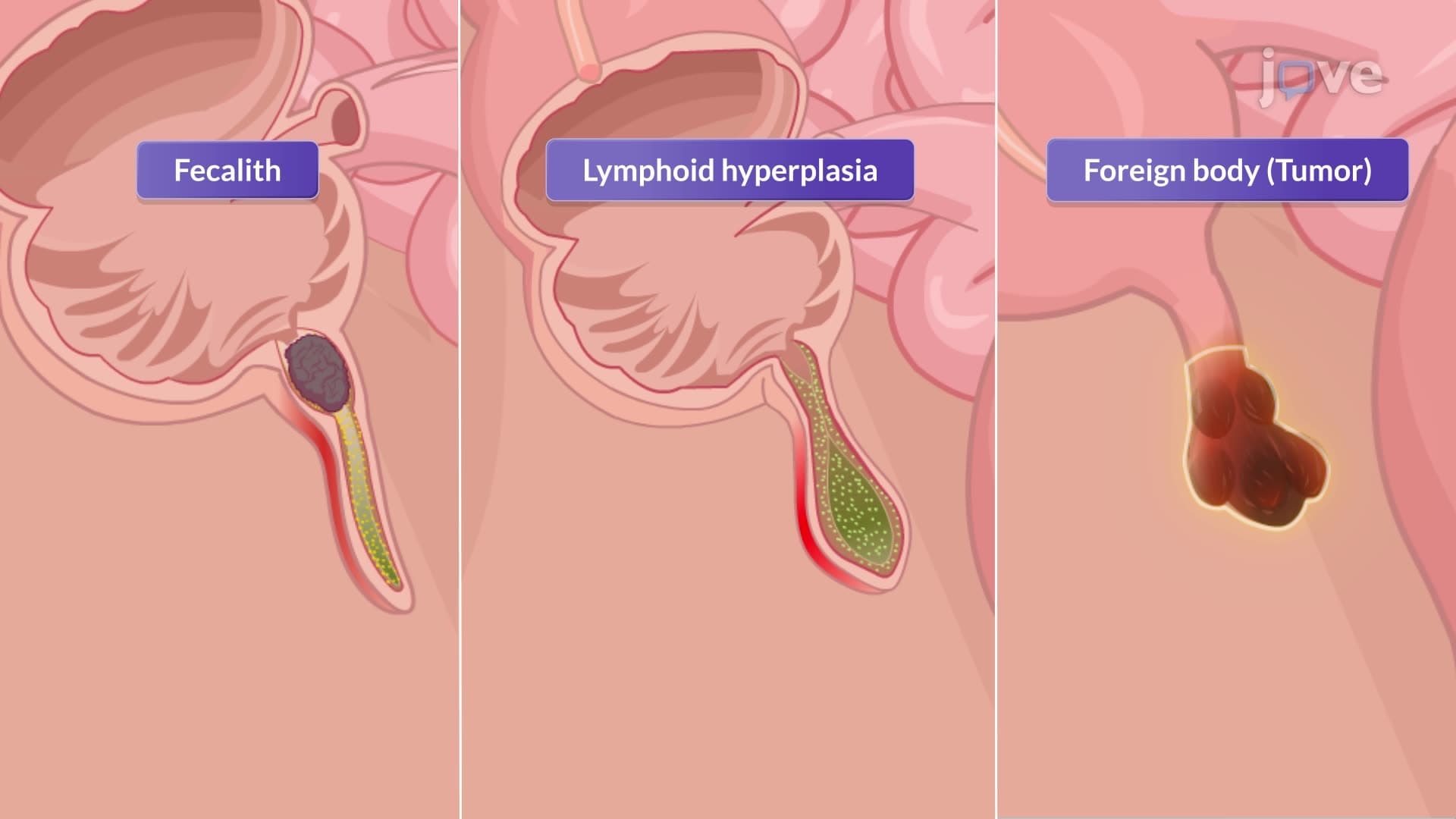
The clinical presentation of Crohn's disease extends far beyond simple gastrointestinal symptoms, reflecting its systemic inflammatory nature. Patients typically experience chronic diarrhea, often non-bloody due to small bowel involvement, accompanied by cramping abdominal pain that persists even after bowel movements-a key distinguishing feature from irritable bowel syndrome. The right lower quadrant pain pattern often mimics appendicitis, leading to diagnostic challenges in emergency departments across US hospitals. Extraintestinal manifestations affect up to 40% of patients and include erythema nodosum (painful skin nodules), peripheral arthritis affecting large joints, and oral ulcerations that can significantly impact quality of life and nutritional status.
Related Micro-courses