Loading subject page…


6,519 views

Video Summary: Inflammatory Bowel Disease Iii Diagnostic Explained
Did you know that over 3.1 million Americans live with inflammatory bowel disease, yet diagnosis often takes months due to symptom overlap with common digestive issues? Inflammatory bowel disease III diagnostic techniques combine advanced imaging, laboratory tests, and endoscopic procedures to accurately identify IBD conditions like Crohn's disease and ulcerative colitis. Consider how gastroenterologists at Mayo Clinic use colonoscopy alongside CT imaging to distinguish IBD from irritable bowel syndrome in college students experiencing chronic abdominal pain. Watch the full video on JoVE Coach to master this concept with expert-led visuals and step-by-step explanations.
The diagnostic evaluation of inflammatory bowel disease represents one of gastroenterology's most complex challenges, requiring integration of clinical symptoms, laboratory findings, imaging studies, and histologic evidence. Unlike simpler diagnostic procedures, inflammatory bowel disease III diagnostic protocols demand a systematic approach that can differentiate between Crohn's disease, ulcerative colitis, and other inflammatory conditions affecting the gastrointestinal tract.
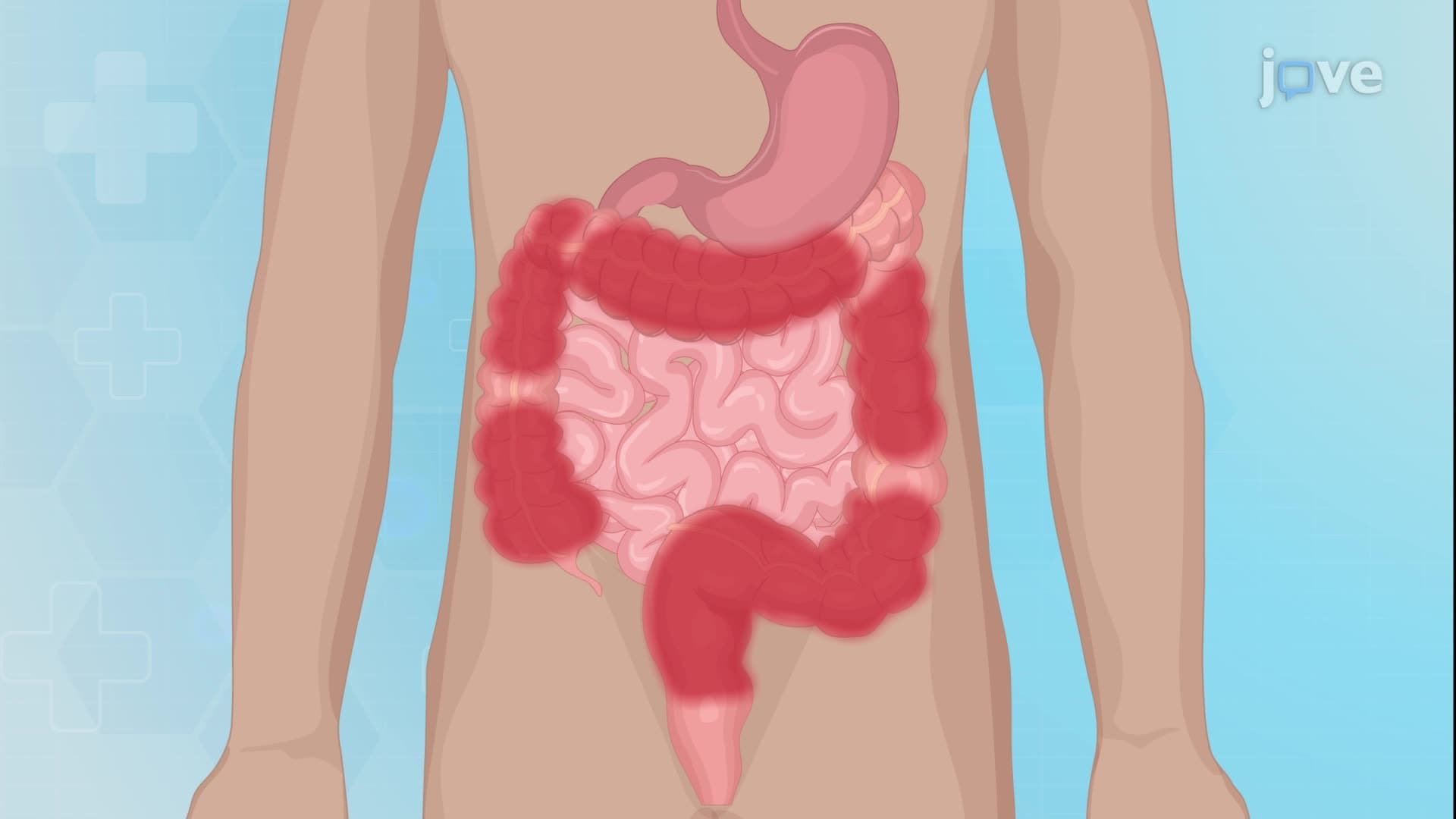
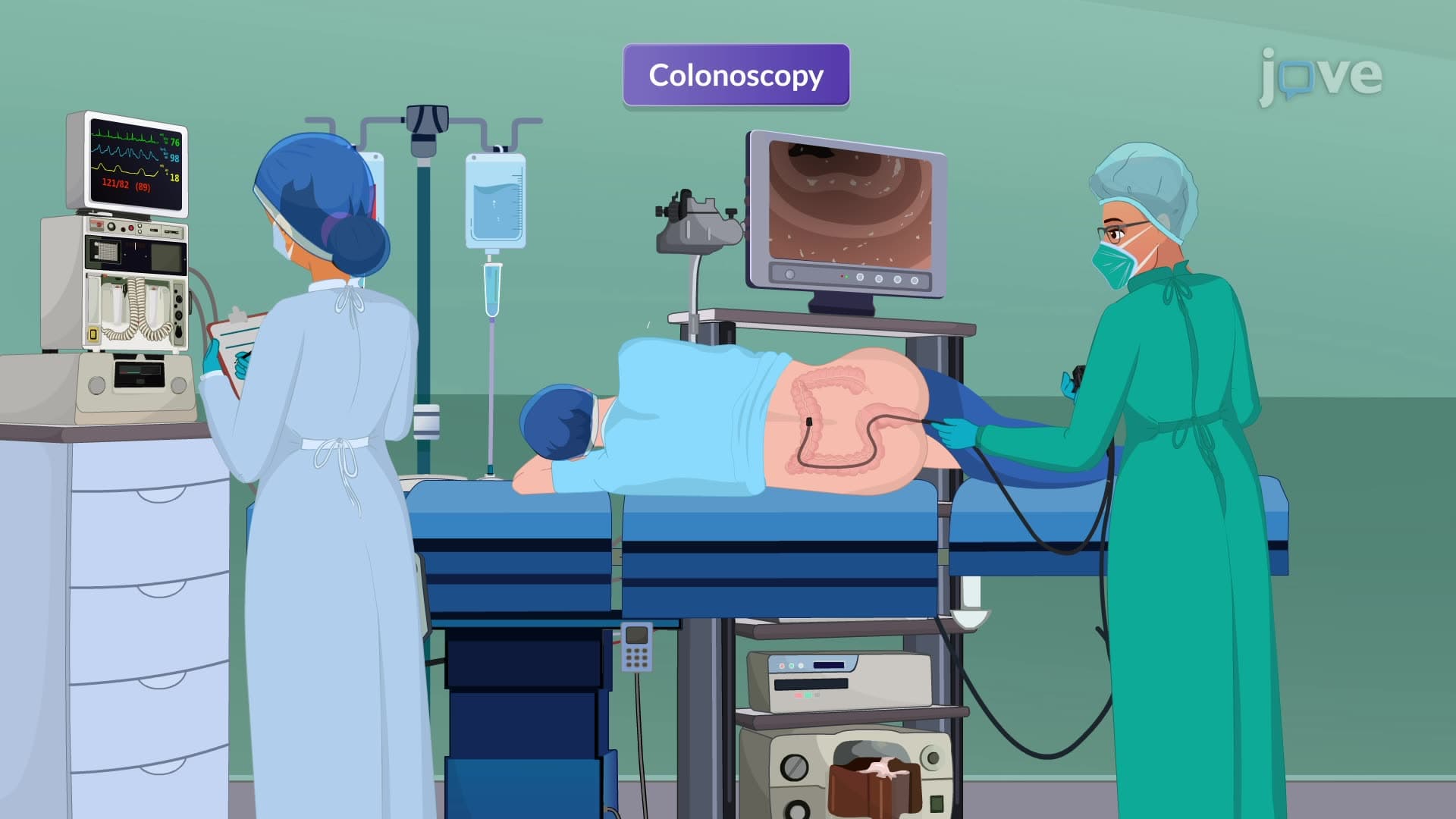
Colonoscopy serves as the cornerstone diagnostic tool, providing direct visualization of mucosal inflammation while enabling tissue biopsy collection for histologic analysis. This procedure allows gastroenterologists to assess the extent and pattern of inflammation-crucial for distinguishing ulcerative colitis (limited to colonic mucosa) from Crohn's disease (transmural inflammation affecting any GI segment). At leading medical centers like Cleveland Clinic, physicians combine colonoscopy findings with capsule endoscopy to evaluate small bowel involvement, particularly important since approximately 30% of Crohn's disease cases primarily affect the small intestine.
Cross-sectional imaging through CT enterography and MRI provides complementary information about bowel wall thickness, strictures, and extraintestinal complications. MRI proves particularly valuable for detecting perianal fistulas and abscesses-complications occurring in up to 50% of Crohn's disease patients. These imaging modalities help clinicians at institutions like Johns Hopkins develop comprehensive treatment strategies based on disease location and severity.
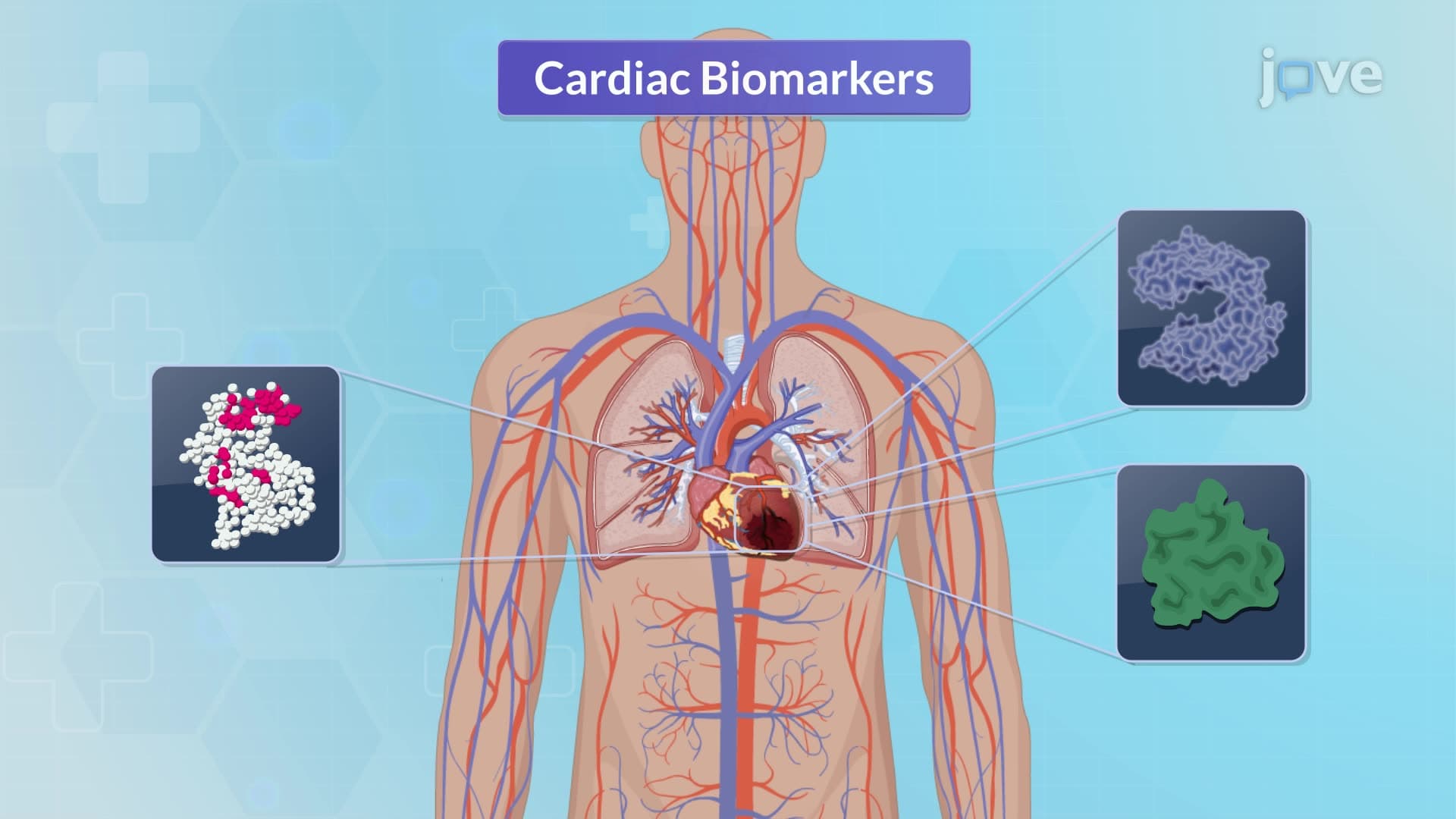
Blood testing plays a critical supportive role in IBD diagnosis, though no single laboratory value provides definitive confirmation. Elevated C-reactive protein levels indicate systemic inflammation, while decreased hemoglobin suggests chronic blood loss from intestinal ulceration. White blood cell counts may be elevated during active inflammation or decreased due to immunosuppressive medications. Advanced biomarkers like fecal calprotectin and lactoferrin offer non-invasive methods to monitor intestinal inflammation, with values above 250 μg/g strongly suggesting IBD over functional disorders.
These laboratory findings prove essential for MCAT preparation, as medical school admissions tests frequently include questions about inflammatory markers and their clinical significance. Students preparing for AP Biology exams should understand how chronic inflammation affects nutritional absorption, leading to deficiencies in iron, vitamin B12, folate, and fat-soluble vitamins.
The diagnostic process extends beyond identifying IBD to include comprehensive nutritional assessment and management strategies. Low FODMAP (Fermentable Oligosaccharides, Disaccharides, Monosaccharides, and Polyols) diets help reduce symptom burden by limiting poorly absorbed carbohydrates that can trigger intestinal distress. Research conducted at Stanford University demonstrates that structured dietary interventions can significantly improve quality of life while supporting diagnostic clarity by reducing confounding symptoms.
Probiotic supplementation addresses dysbiosis-the altered gut microbiome composition characteristic of IBD patients. Specific strains like VSL#3 have shown efficacy in maintaining remission and supporting intestinal barrier function. Healthcare providers at Mayo Clinic integrate these nutritional interventions early in the diagnostic process to optimize patient outcomes and facilitate accurate disease assessment.
Related Micro-courses