Loading subject page…


6,519 views


Video Summary: Inflammatory Bowel Disease Iv Pharmacological Management Explained
Over 3 million Americans live with inflammatory bowel disease, yet many don't realize how inflammatory bowel disease IV pharmacological management involves five distinct drug categories working through different mechanisms. Consider a college student experiencing a Crohn's disease flare-up at UCLA Medical Center-physicians must choose between aminosalicylates for maintenance, corticosteroids for acute episodes, immunomodulators for long-term control, antibiotics for complications, or biologics for severe cases. Understanding Inflammatory Bowel Disease IV Pharmacological Management Explained requires grasping how each medication targets specific inflammatory pathways. Watch the full video on JoVE Coach to master this concept with expert-led visuals and step-by-step explanations.
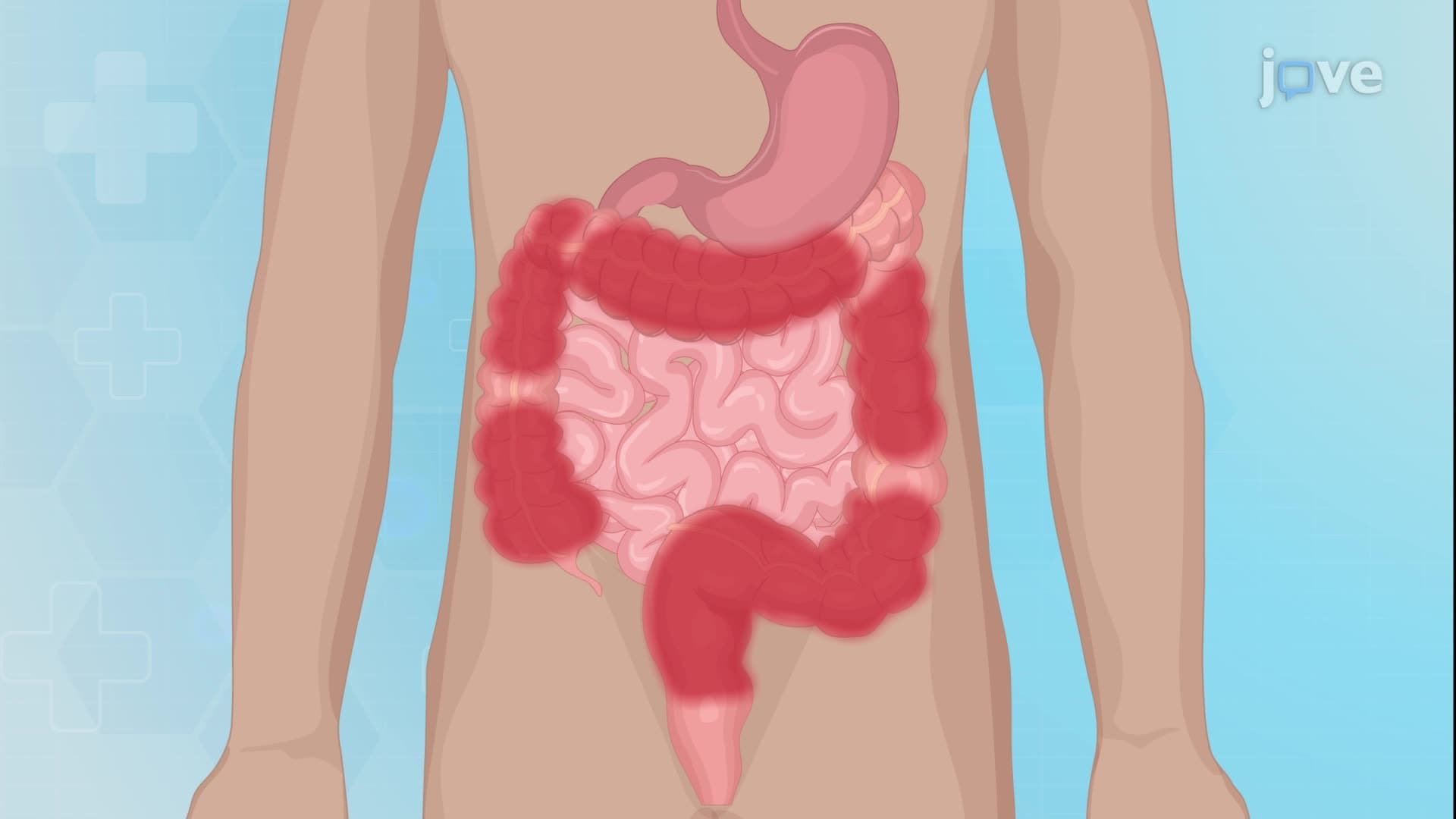
Inflammatory bowel disease affects over 3 million Americans, making effective pharmacological management crucial for maintaining quality of life. The therapeutic approach involves a systematic progression through five major drug categories, each targeting different aspects of the inflammatory cascade that characterizes both Crohn's disease and ulcerative colitis.
Aminosalicylates like sulfasalazine represent the foundation of IBD treatment by blocking prostaglandin and leukotriene production. These medications work at the cellular level to prevent inflammatory mediator synthesis, making them ideal for maintaining remission in both major IBD subtypes. At institutions like Johns Hopkins, gastroenterologists often prescribe these as initial therapy because of their favorable side effect profile and proven efficacy in preventing disease flares.
When aminosalicylates prove insufficient during acute exacerbations, corticosteroids like prednisone become essential. These potent anti-inflammatory agents are administered intravenously at high doses to rapidly control severe inflammation. However, their significant side effect profile-including bone loss, diabetes risk, and adrenal suppression-limits their use to short-term crisis management rather than long-term maintenance.
Immunomodulators such as azathioprine offer a middle ground by specifically inhibiting T-cell function to reduce gut inflammation. These medications require several months to reach full effectiveness but can maintain remission for years while reducing the need for repeated corticosteroid courses. For students preparing for the MCAT or USMLE Step 1, understanding this delayed onset mechanism is crucial for exam success.
Biologics represent the most advanced therapeutic option, with drugs like ustekinumab targeting specific interleukins (IL-12 and IL-23) involved in IBD-related inflammation. These medications are reserved for severe cases or patients who fail conventional therapy, reflecting the precision medicine approach increasingly adopted at major medical centers like Mayo Clinic and Cleveland Clinic.
Related Micro-courses