Loading subject page…

6,519 views

Video Summary: Inflammatory Bowel Disease V Surgical Management Explained
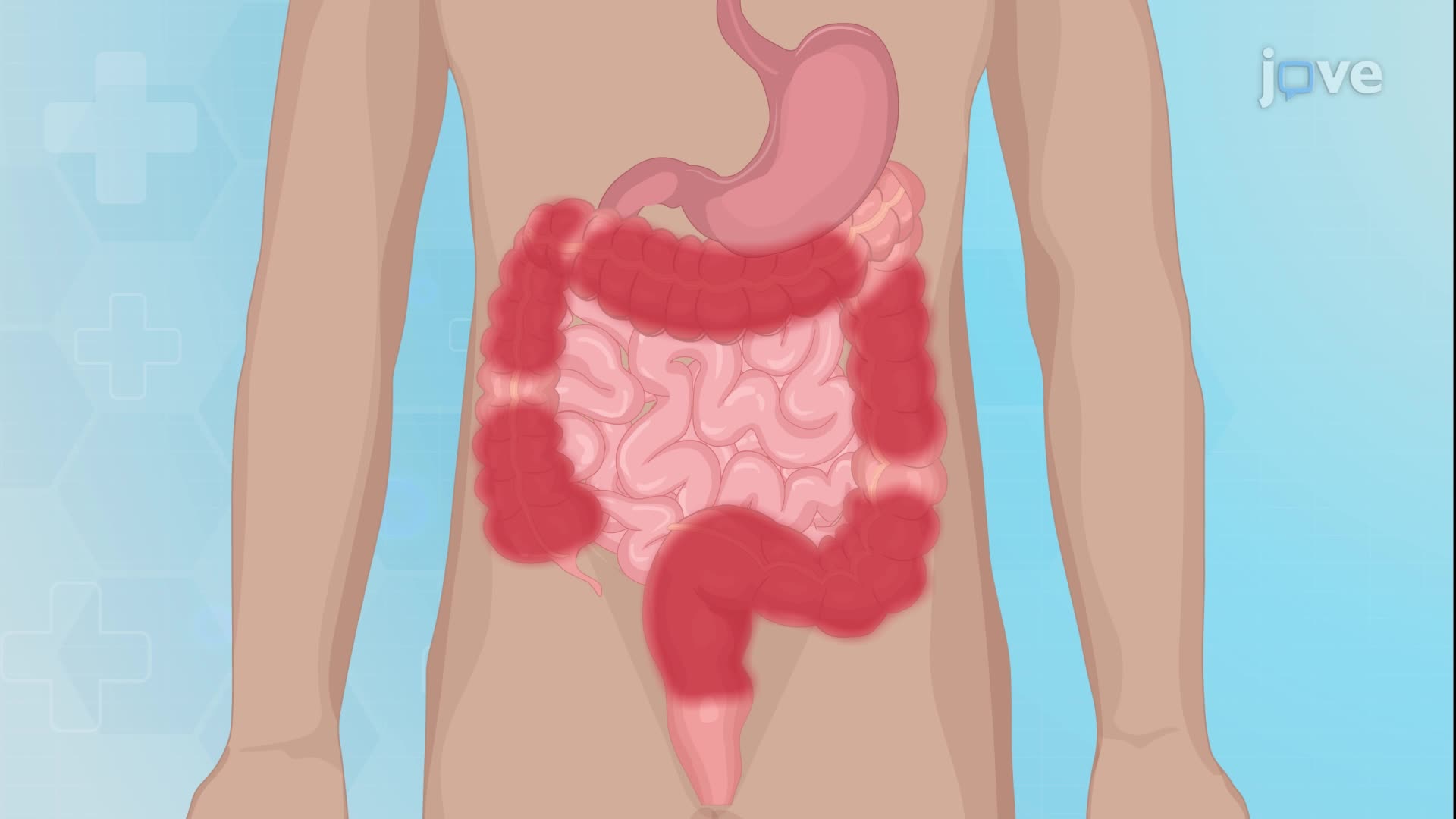
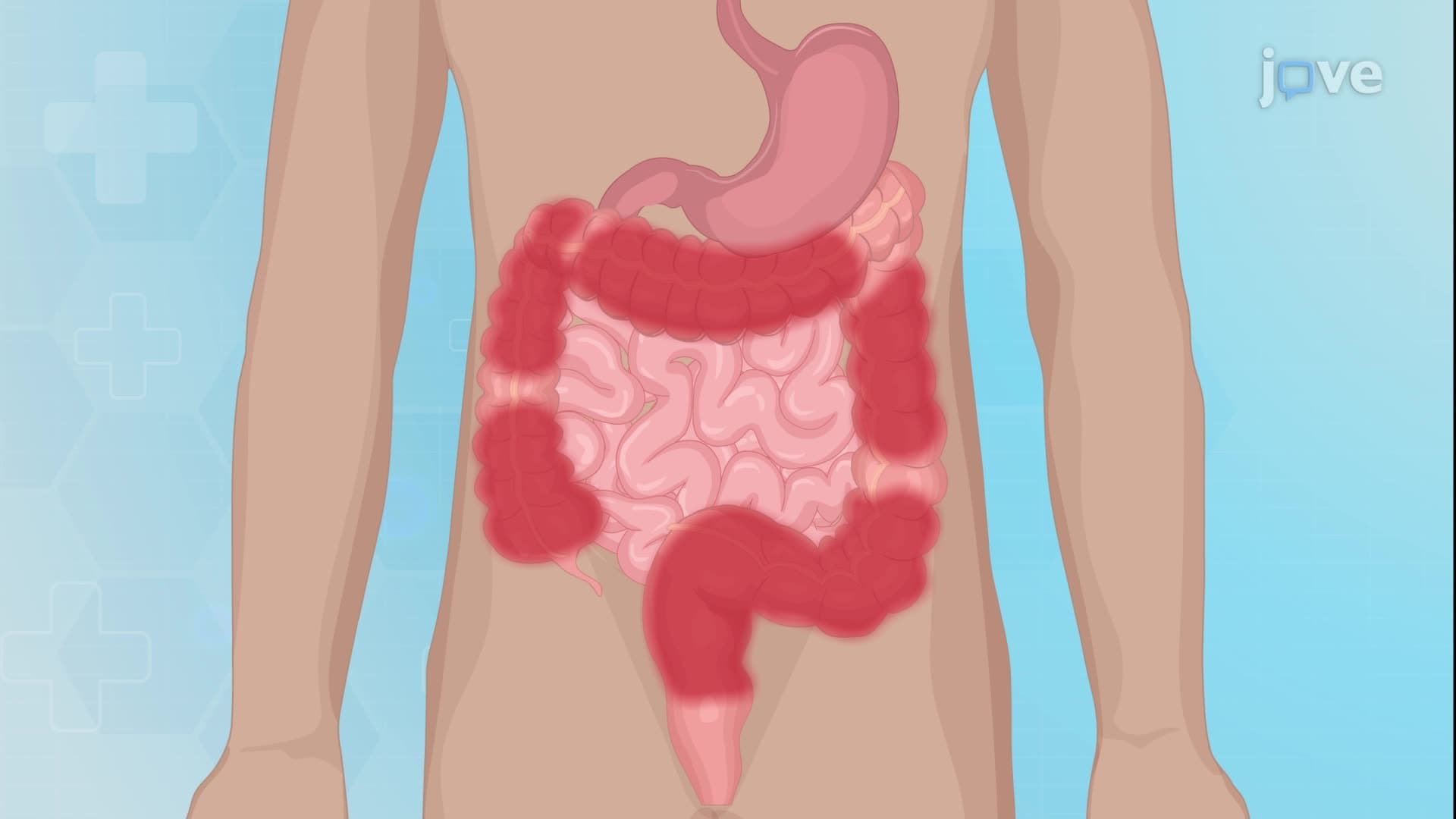
When inflammatory bowel disease v surgical management becomes necessary, approximately 70% of Crohn's disease patients and 25% of ulcerative colitis patients at major US medical centers like Mayo Clinic will eventually require surgery. Inflammatory Bowel Disease V Surgical Management Explained covers critical procedures including strictureplasty, bowel resections, and various types of colectomies that can dramatically improve quality of life for IBD patients. Watch the full video on JoVE Coach to master this concept with expert-led visuals and step-by-step explanations.
Surgical intervention in inflammatory bowel disease represents a critical treatment modality when medical therapy fails to control disease progression or complications arise. Unlike medical management, surgical approaches for IBD aim to remove diseased tissue, relieve obstructions, and restore normal bowel function. The decision to pursue surgery typically involves gastroenterologists, colorectal surgeons, and specialized IBD teams at major US academic medical centers like Cleveland Clinic and Johns Hopkins.
Strictureplasty stands as the gold standard for managing small bowel strictures in Crohn's disease, particularly when multiple strictures are present. This technique involves making longitudinal incisions across narrowed bowel segments and closing them transversely, effectively widening the lumen while preserving intestinal length. US surgeons perform approximately 3,000 strictureplasty procedures annually, with success rates exceeding 85% in specialized IBD centers. When strictureplasty isn't feasible due to severe inflammation or concern for malignancy, small bowel resection becomes necessary, involving removal of diseased segments and primary anastomosis of healthy bowel.
For severe ulcerative colitis or extensive Crohn's colitis, total colectomy or proctocolectomy may be required. Total colectomy removes the entire colon while preserving the rectum, whereas proctocolectomy removes both colon and rectum. Following these procedures, ileostomy creation diverts intestinal contents to an external collection bag through a surgically created stoma. At institutions like the University of Chicago IBD Center, approximately 60% of patients requiring colectomy eventually undergo ostomy creation.
Restorative proctocolectomy with ileal pouch-anal anastomosis (IPAA) represents the most sophisticated reconstructive option for ulcerative colitis patients. This procedure removes the diseased colon and rectum while creating an internal reservoir from small bowel loops, allowing patients to maintain continence through their preserved anal sphincter. The continent ileostomy or Kock pouch offers another reconstructive option, utilizing 30-45 cm of terminal ileum to create an internal reservoir with a flush stoma that patients can catheterize for drainage. These advanced procedures are typically performed at high-volume centers and require extensive patient counseling regarding long-term outcomes and potential complications.
Related Micro-courses