Loading subject page…


6,519 views

Video Summary: Irritable Bowel Syndrome I Introduction Explained
Did you know that irritable bowel syndrome i introduction affects up to 45 million Americans, making it one of the most common digestive disorders in the United States? This functional GI condition disrupts normal digestive processes through altered gut motility, visceral hypersensitivity, and neurotransmitter imbalances-yet shows no structural damage on medical imaging. Understanding Irritable Bowel Syndrome I Introduction is crucial for recognizing how the gut-brain axis influences digestive health. Watch the full video on JoVE Coach to master this concept with expert-led visuals and step-by-step explanations.
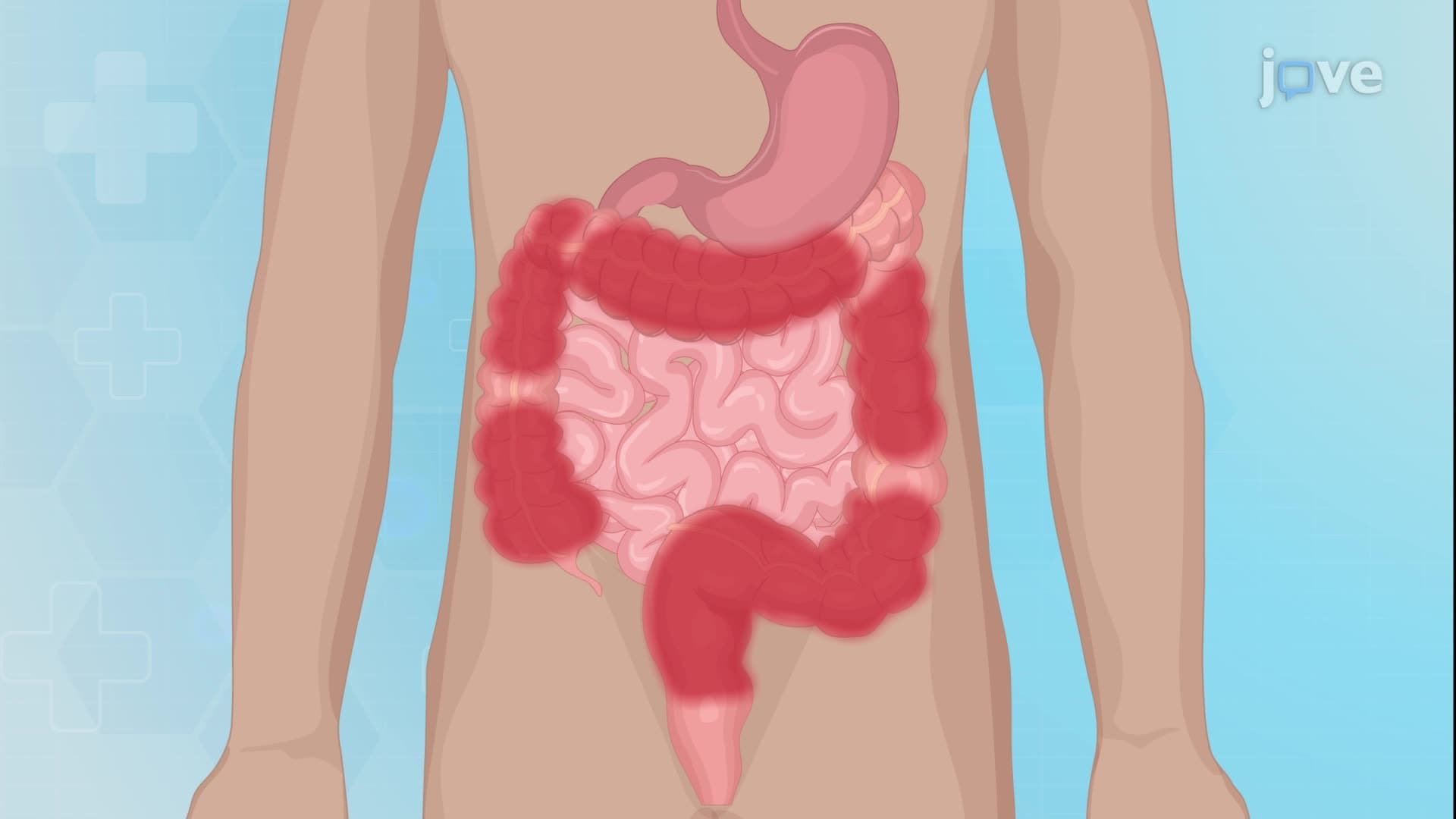
Irritable Bowel Syndrome I Introduction represents one of the most prevalent functional gastrointestinal disorders in clinical practice, affecting approximately 10-15% of the US population. Unlike inflammatory bowel diseases such as Crohn's disease or ulcerative colitis, IBS presents a unique diagnostic challenge because patients experience significant symptoms despite normal-appearing tissue on endoscopy, imaging studies, and laboratory tests. This functional nature means the problem lies in how the digestive system operates rather than structural damage.
The foundation of IBS pathophysiology centers on disrupted intestinal motility patterns. Normal peristalsis-the coordinated muscle contractions that propel food through the digestive tract-becomes irregular in IBS patients. When motility increases abnormally, patients experience rapid transit times leading to diarrhea-predominant IBS (IBS-D). Conversely, decreased motility results in prolonged transit times and constipation-predominant IBS (IBS-C). Some patients alternate between these patterns (IBS-M for mixed type). This concept frequently appears on MCAT passages testing students' understanding of normal versus pathological GI physiology.
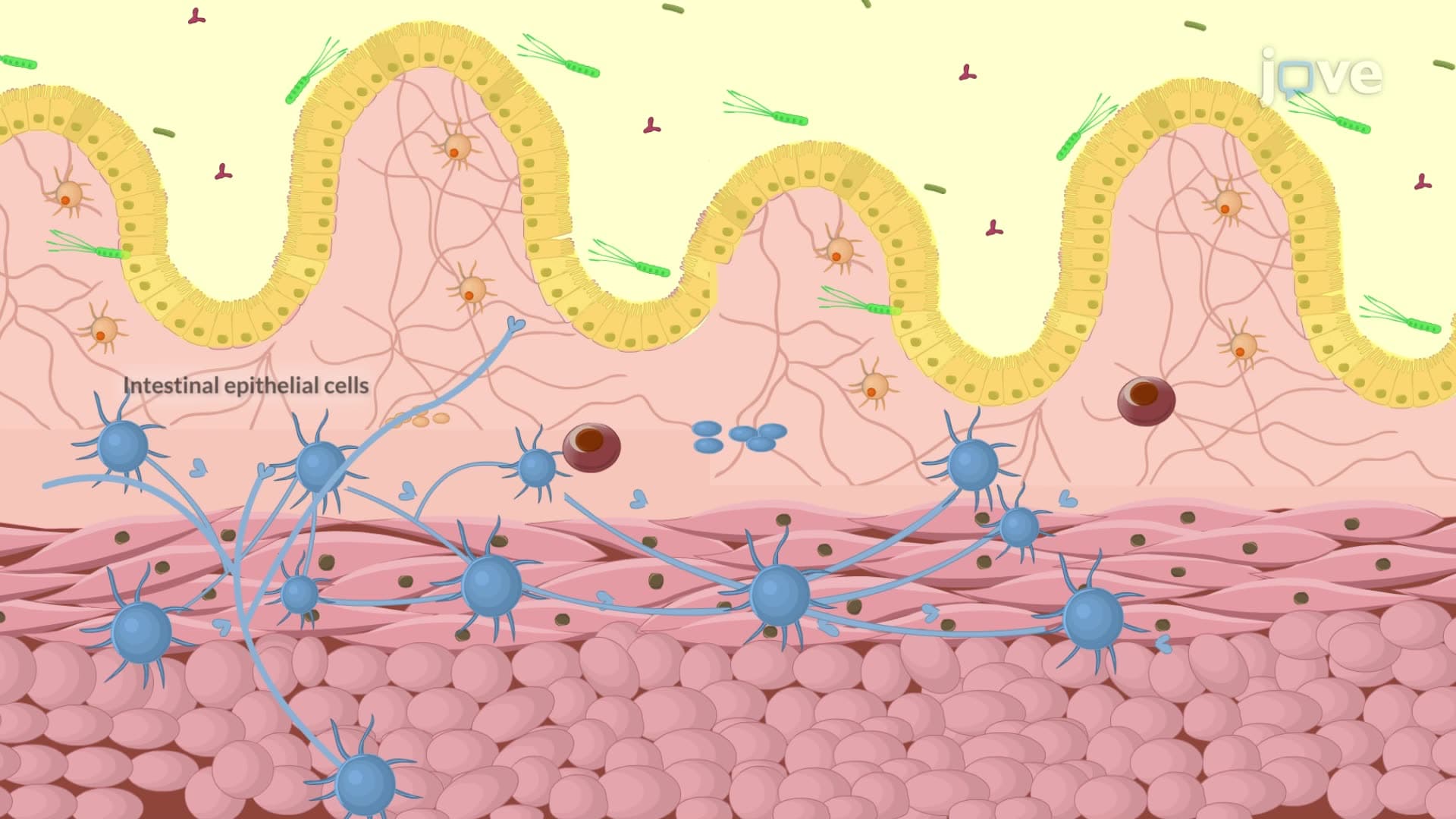
Perhaps the most fascinating aspect of IBS involves visceral hypersensitivity-a condition where the gut develops an exaggerated response to normal digestive stimuli. Imagine if your stomach interpreted the gentle pressure of food digestion as severe pain. This occurs when peripheral nerve endings in the intestinal wall become hyperreactive, sending amplified pain signals through the vagus nerve to the brain. Stanford University research has shown that IBS patients demonstrate measurably lower pain thresholds during balloon distention studies compared to healthy controls.
The gut-brain axis represents a sophisticated bidirectional communication network involving the central nervous system, enteric nervous system, and gut microbiome. Serotonin, primarily produced in enterochromaffin cells lining the intestines, plays a crucial role in this communication. Approximately 90% of the body's serotonin originates in the gut, not the brain. Disruptions in serotonin signaling can trigger both GI symptoms and mood changes, explaining why many IBS patients also experience anxiety or depression. This interconnection is increasingly emphasized in AP Biology curricula and appears regularly on nursing entrance exams like the TEAS and HESI A2.
Related Micro-courses