Loading subject page…


6,519 views


Video Summary: Irritable Bowel Syndrome Ii Clinical Explained
Did you know that irritable bowel syndrome affects up to 15% of Americans, making it one of the most common gastrointestinal disorders seen in US emergency rooms? Understanding irritable bowel syndrome II clinical concepts reveals how this functional disorder disrupts normal bowel patterns through four distinct subtypes: IBS-C (constipation-predominant), IBS-D (diarrhea-predominant), IBS-M (mixed), and IBS-U (unclassified). The Rome IV criteria provide standardized diagnostic guidelines that help clinicians differentiate IBS from other conditions. Watch the full video on JoVE Coach to master this concept with expert-led visuals and step-by-step explanations.
Irritable bowel syndrome represents a complex functional gastrointestinal disorder that significantly impacts quality of life for millions of Americans. The clinical approach to IBS diagnosis has evolved substantially, with the Rome IV criteria now serving as the gold standard for healthcare providers across the United States.
The modern classification system divides IBS into four distinct categories based on predominant bowel habits. IBS-C (constipation-predominant) affects approximately 35% of IBS patients and is characterized by hard, lumpy stools occurring more than 25% of the time. IBS-D (diarrhea-predominant) represents another 40% of cases, featuring loose, watery stools with similar frequency. IBS-M (mixed type) involves alternating constipation and diarrhea patterns, while IBS-U (unclassified) encompasses patients who don't fit clearly into other categories.
This classification system proves particularly valuable for pre-med students preparing for the MCAT, as understanding functional versus organic disorders represents a key concept in gastroenterology. College students studying for anatomy and physiology courses will encounter these classifications in exam scenarios involving case-based questions.
The Rome IV criteria establish specific parameters for IBS diagnosis: recurrent abdominal pain occurring at least one day per week during the previous three months, associated with two or more qualifying features. These features include pain related to defecation, changes in stool frequency, and alterations in stool form or appearance. This standardized approach helps clinicians at major medical centers like Mayo Clinic and Johns Hopkins distinguish IBS from inflammatory bowel diseases.
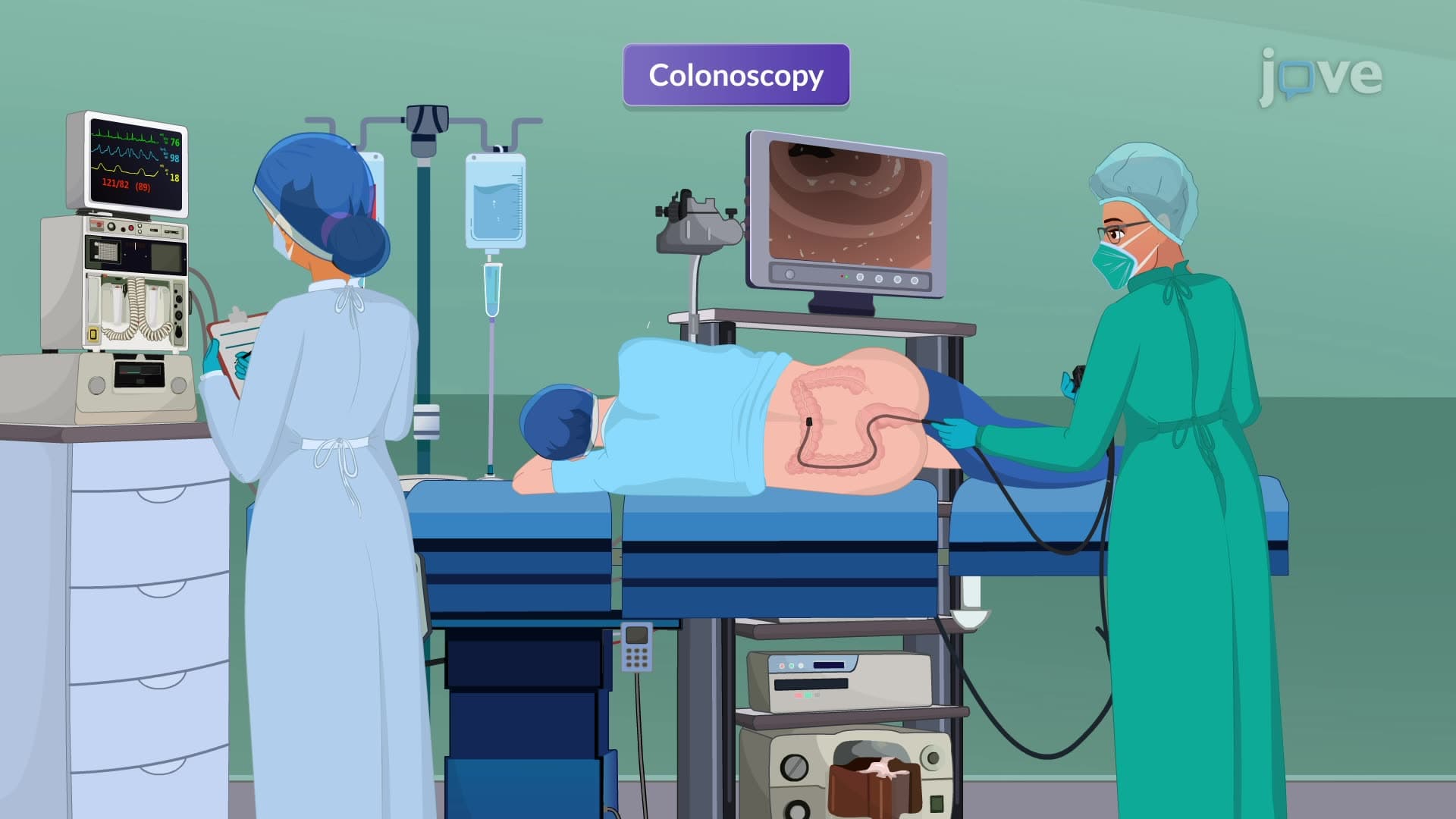
Effective IBS diagnosis requires thorough history collection encompassing symptom patterns, psychosocial stressors, family history, and detailed dietary assessments. Physical examination techniques focus on abdominal palpation and assessment of bowel sounds. Additional testing may include complete blood count, inflammatory markers like C-reactive protein, stool studies to rule out infections, and imaging studies when indicated. Advanced procedures such as colonoscopy become necessary when red flag symptoms suggest organic disease.
Related Micro-courses