Loading subject page…


6,519 views


Video Summary: Irritable Bowel Syndrome Iii Medical Explained
Did you know that nearly 45 million Americans live with irritable bowel syndrome, making it one of the most common gastrointestinal disorders? Irritable bowel syndrome III medical management involves a comprehensive treatment approach combining dietary modifications, stress reduction techniques, and targeted medications. Students at Johns Hopkins University's pre-med program regularly study these evidence-based interventions, from low-FODMAP diets to probiotic therapies. Watch the full video on JoVE Coach to master this concept with expert-led visuals and step-by-step explanations.
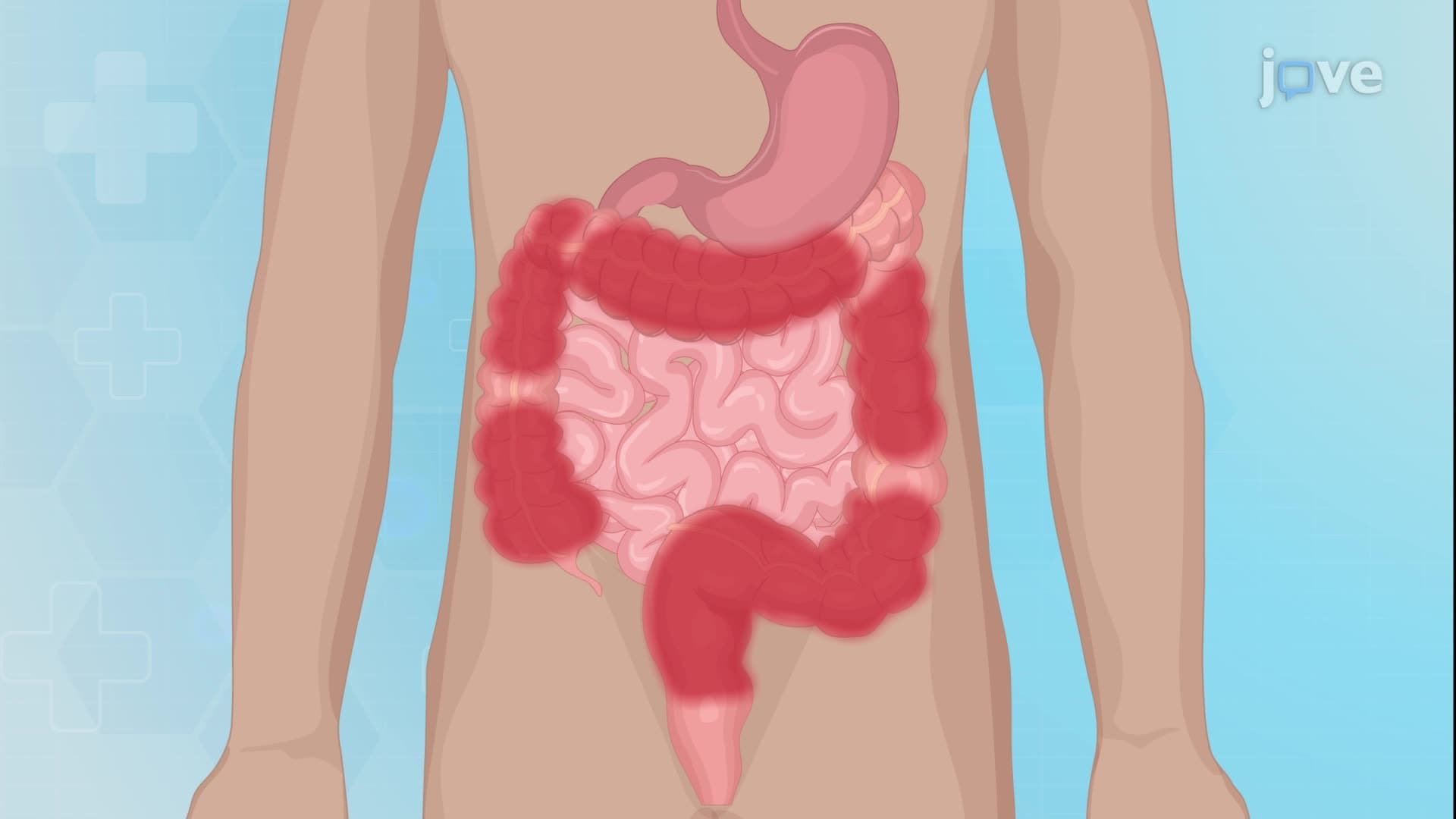
Irritable bowel syndrome III medical management represents the comprehensive, evidence-based approach to treating one of America's most prevalent digestive disorders. Unlike simple symptom suppression, this advanced management strategy addresses the complex interplay between diet, stress, gut microbiome, and pharmaceutical interventions. Medical students preparing for the MCAT encounter this topic extensively, as it demonstrates the integration of pathophysiology, pharmacology, and patient care principles.
The cornerstone of IBS management involves strategic dietary modifications, particularly the low-FODMAP approach developed by researchers at Monash University and now widely implemented across US healthcare systems. FODMAP stands for Fermentable Oligosaccharides, Disaccharides, Monosaccharides, and Polyols-compounds that can trigger symptoms in sensitive individuals. Mayo Clinic gastroenterologists routinely prescribe this three-phase elimination diet: restriction, reintroduction, and personalization. Soluble fiber sources like psyllium husk become particularly important, as they help regulate bowel movements without the gas production associated with insoluble fibers. Students studying for the NCLEX-RN exam must understand how to counsel patients on gradually increasing fiber intake while monitoring tolerance levels.
Modern IBS treatment employs targeted medications based on predominant symptoms. Antispasmodic agents like hyoscyamine help control abdominal cramping by reducing smooth muscle contractions. For IBS-C (constipation-predominant), healthcare providers may prescribe lubiprostone or linaclotide, while IBS-D (diarrhea-predominant) patients often benefit from loperamide or rifaximin. Probiotics have gained significant attention, with specific strains like Bifidobacterium infantis showing clinical efficacy in randomized controlled trials. Pre-med students at universities like Stanford learn to match therapeutic approaches with symptom patterns and severity.
Effective IBS management requires comprehensive patient education extending beyond the clinical encounter. Registered nurses play crucial roles in teaching patients about trigger identification, meal timing strategies, and stress management techniques. Evidence shows that eating smaller, frequent meals while chewing slowly can significantly reduce symptom severity. Hydration timing becomes critical-patients should drink adequate water throughout the day but avoid large volumes during meals to prevent digestive interference. Stress management techniques including progressive muscle relaxation, mindfulness meditation, and regular physical activity form integral components of holistic care plans that nursing students encounter on the HESI A2 and TEAS exams.
Related Micro-courses