Loading video…


 22 Concepts
 4.3K views

Video Summary: Exchange Efficiency and Gains From Trade I
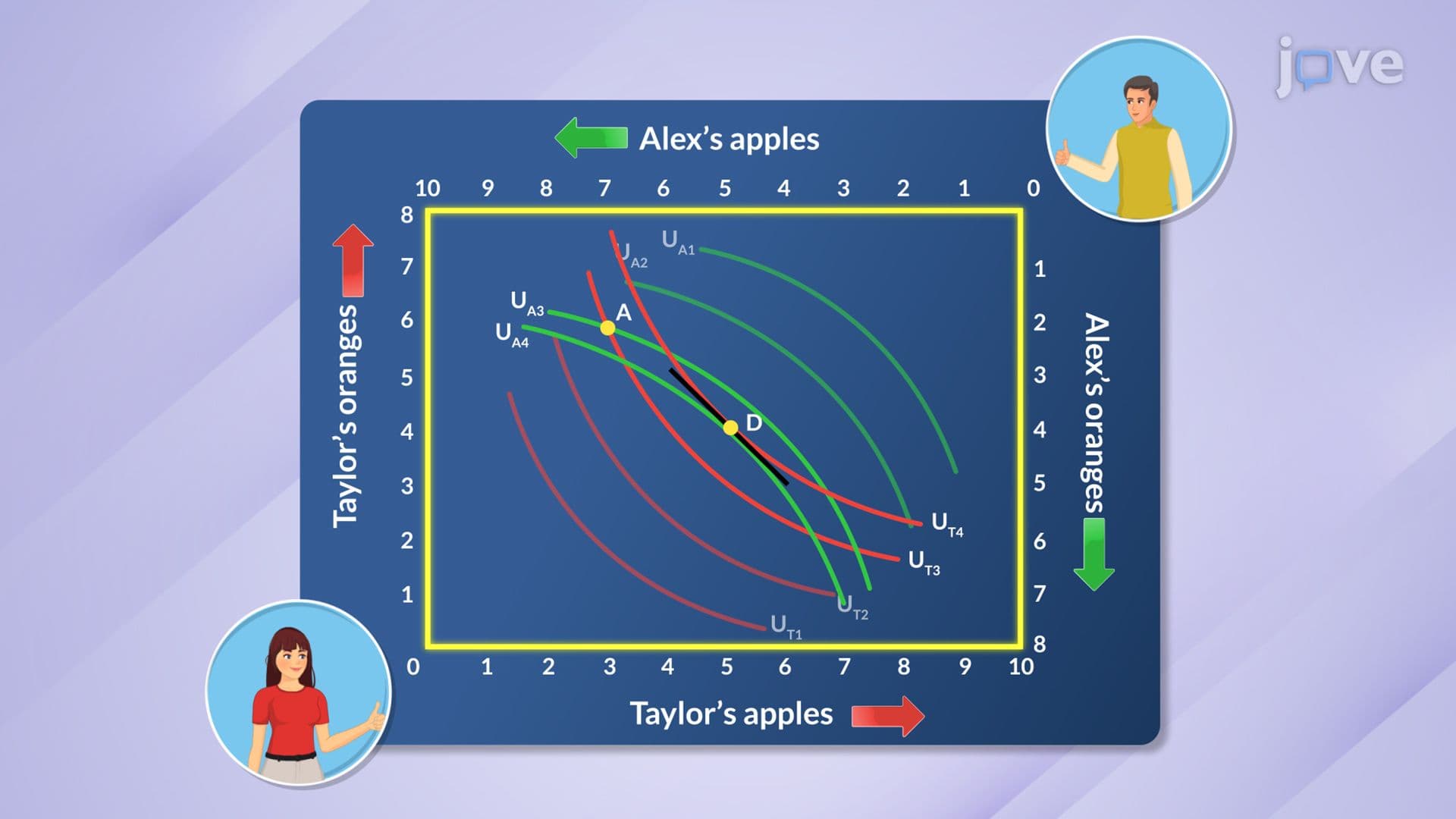
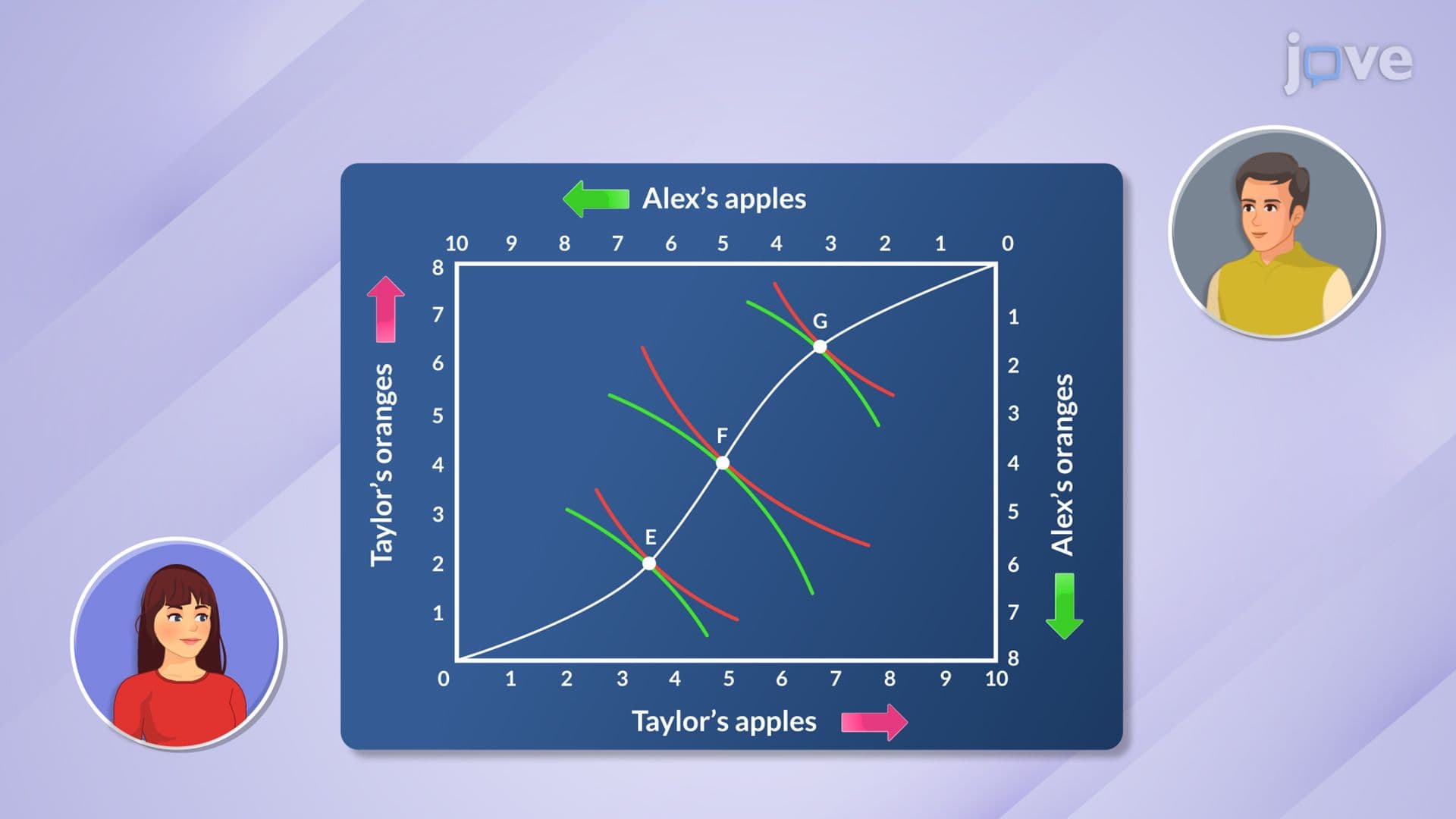
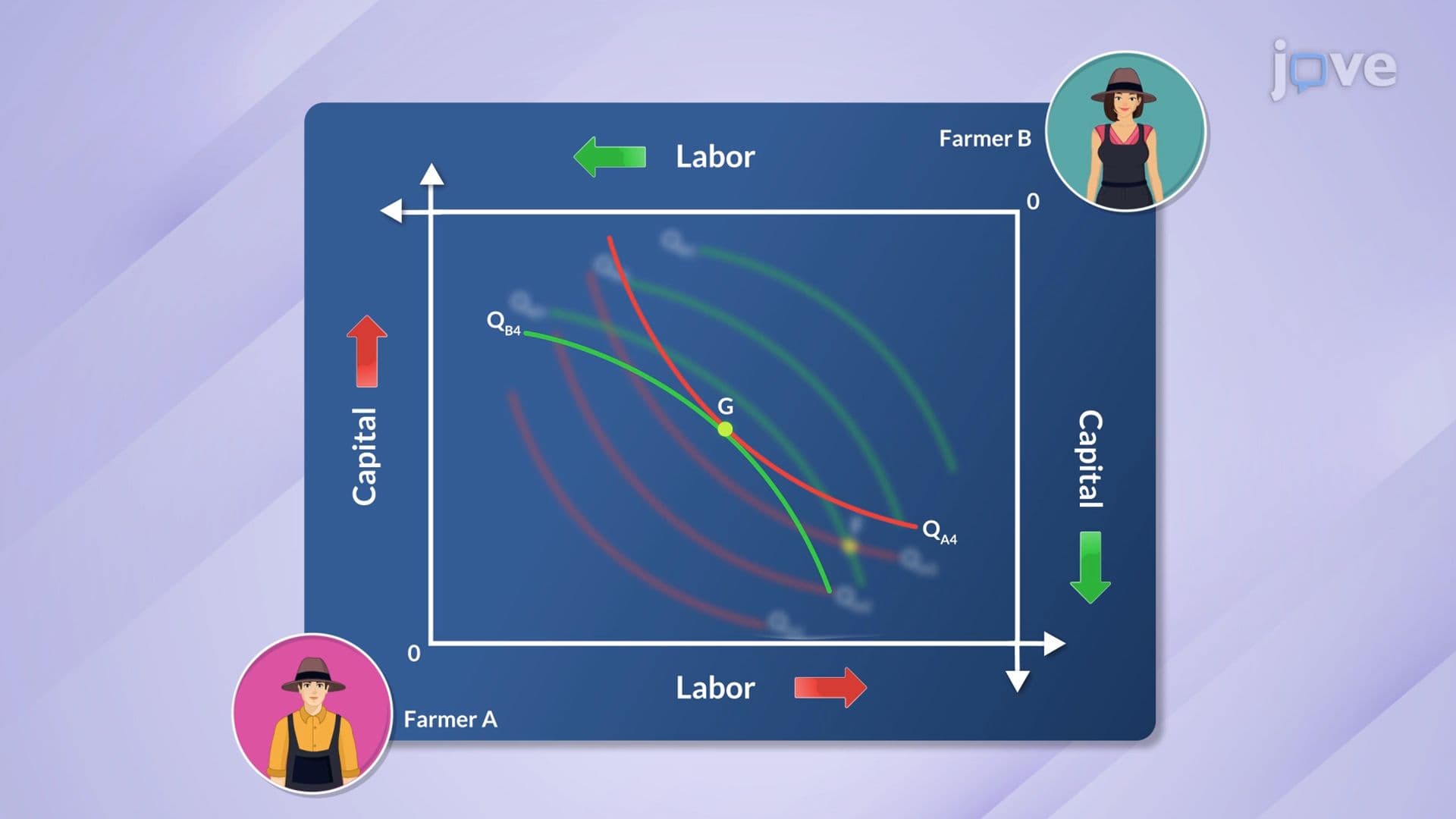
Ever wondered why the U.S. trades corn for Japanese electronics instead of producing everything domestically? Exchange efficiency gains from trade explain this phenomenon through economic modeling. Using Edgeworth Box diagrams and indifference curves, we can visualize how two parties-like Taylor and Alex trading goods, or countries exchanging resources-can both benefit from reallocation. Watch the full video on JoVE Coach to master this concept with expert-led visuals and step-by-step explanations.
Exchange efficiency represents a cornerstone concept in microeconomics, describing situations where resources are allocated in ways that maximize mutual benefit between trading parties. This principle extends far beyond simple bartering-it explains everything from why California specializes in almonds while Vermont focuses on maple syrup, to how financial markets facilitate efficient capital allocation across the U.S. economy.
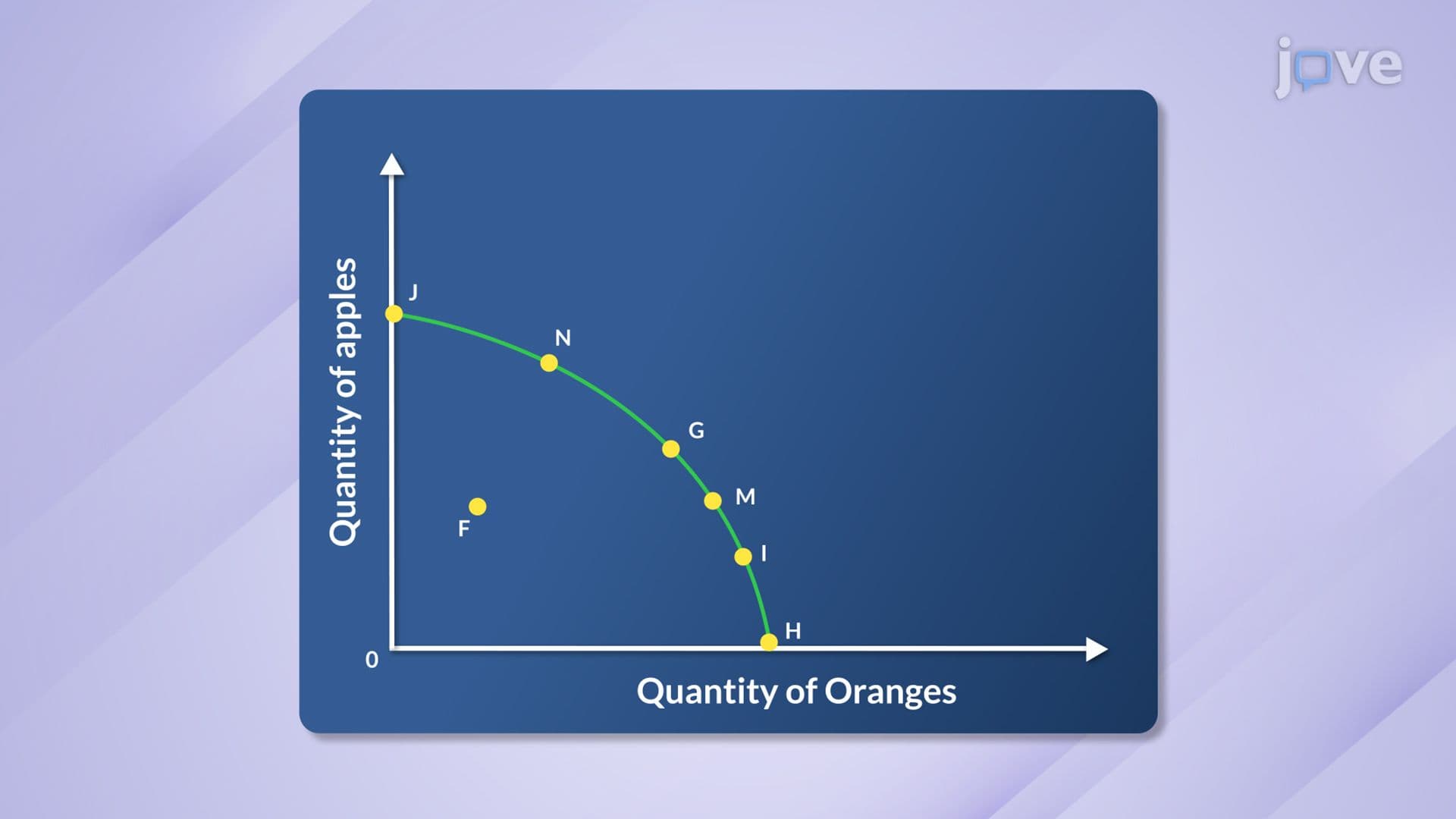
The theoretical foundation rests on Pareto efficiency, named after Italian economist Vilfredo Pareto. An allocation is Pareto-efficient when it's impossible to make one party better off without making another worse off. This concept appears frequently on AP Economics exams and college microeconomics courses, where students must identify efficient versus inefficient market outcomes.
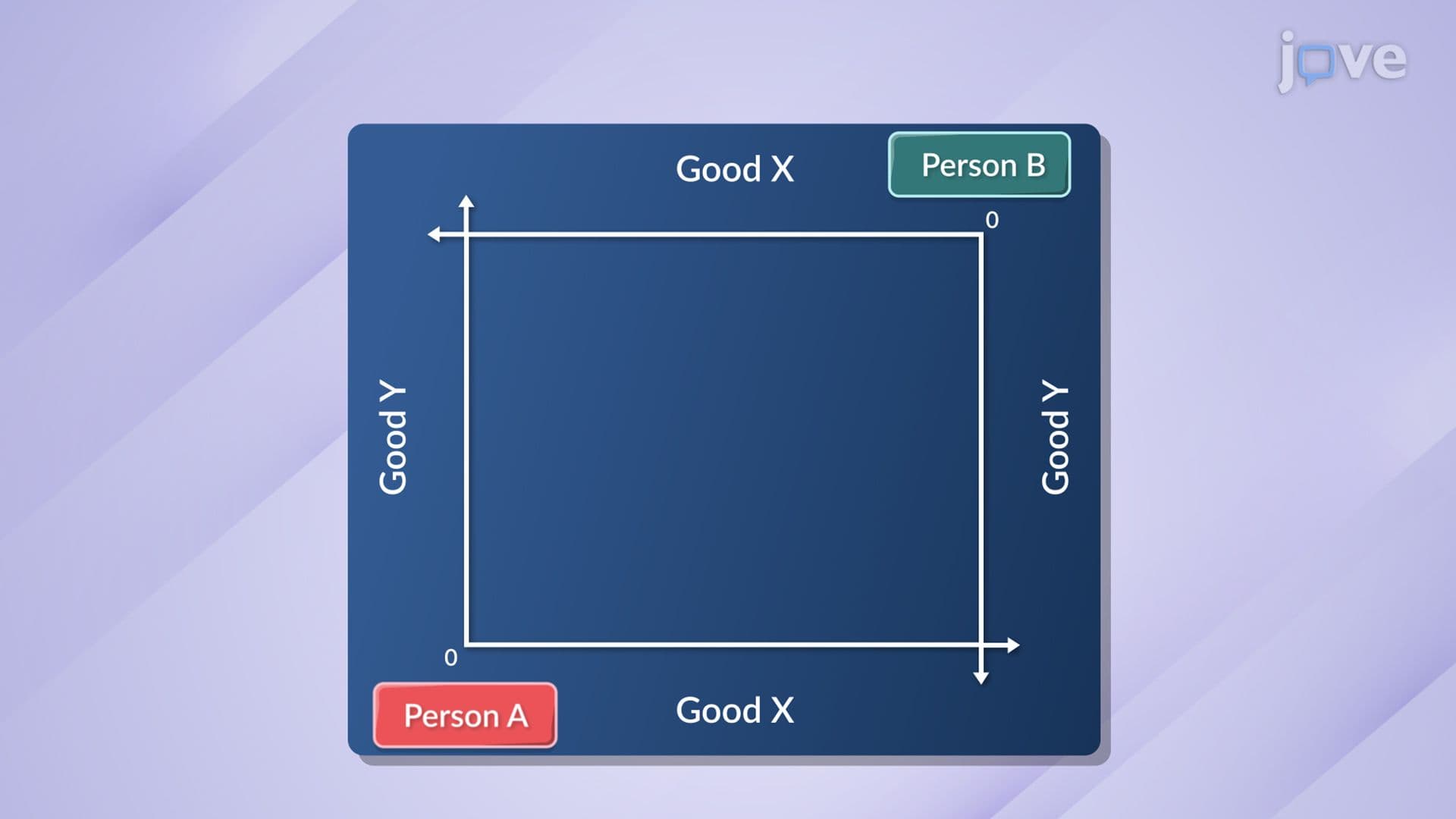
The Edgeworth Box provides a powerful visualization tool for understanding two-party exchange scenarios. Imagine two college roommates, Sarah and Mike, sharing a care package containing pizza slices and energy drinks. The box's dimensions represent total quantities of each good, while any point inside shows how these goods are distributed between them.
Indifference curves within this framework reveal each person's preferences. Sarah's curves, convex toward her origin corner, show combinations of goods that provide equal satisfaction. Higher curves mean greater utility-more pizza and energy drinks make her happier, just as higher standardized test scores generally indicate better college prospects.
The magic happens when we overlay both individuals' indifference curves. At any inefficient point, there exists a "lens-shaped" region where both parties can improve their situations simultaneously. This mirrors real-world scenarios like the North American Free Trade Agreement, where specialization allowed the U.S., Canada, and Mexico to benefit from comparative advantages.
For students preparing for college economics exams, recognizing these trading zones is crucial. The key insight: whenever indifference curves intersect (rather than being tangent), opportunities for mutually beneficial exchange exist. This principle governs everything from stock market transactions on the New York Stock Exchange to international commodity trading.
Understanding exchange efficiency proves essential for various academic assessments. AP Economics students encounter these concepts in both microeconomics and macroeconomics sections, particularly when analyzing international trade benefits. College-level intermediate microeconomics courses expand on these foundations, exploring welfare economics and market failures.
Beyond academics, these principles explain why Amazon operates efficient distribution networks rather than producing everything in-house, or why investment portfolios benefit from diversification. The Federal Reserve uses similar efficiency concepts when setting monetary policy, seeking allocations that benefit the overall U.S. economy.
Related Micro-courses