Loading video…


 22 Concepts
 4.3K views


Video Summary: Prices and the Allocation of Goods Explained
Ever wonder why concert tickets cost $200 while apples cost $2? Prices allocation goods mechanisms determine who gets what in our economy through market forces rather than government mandates. When Apple releases a new iPhone, prices and the allocation of goods explained principles show how consumers with different budgets make trade-offs between the phone and other purchases like textbooks or food. This natural sorting process ensures goods reach those who value them most highly. Watch the full video on JoVE Coach to master this concept with expert-led visuals and step-by-step explanations.
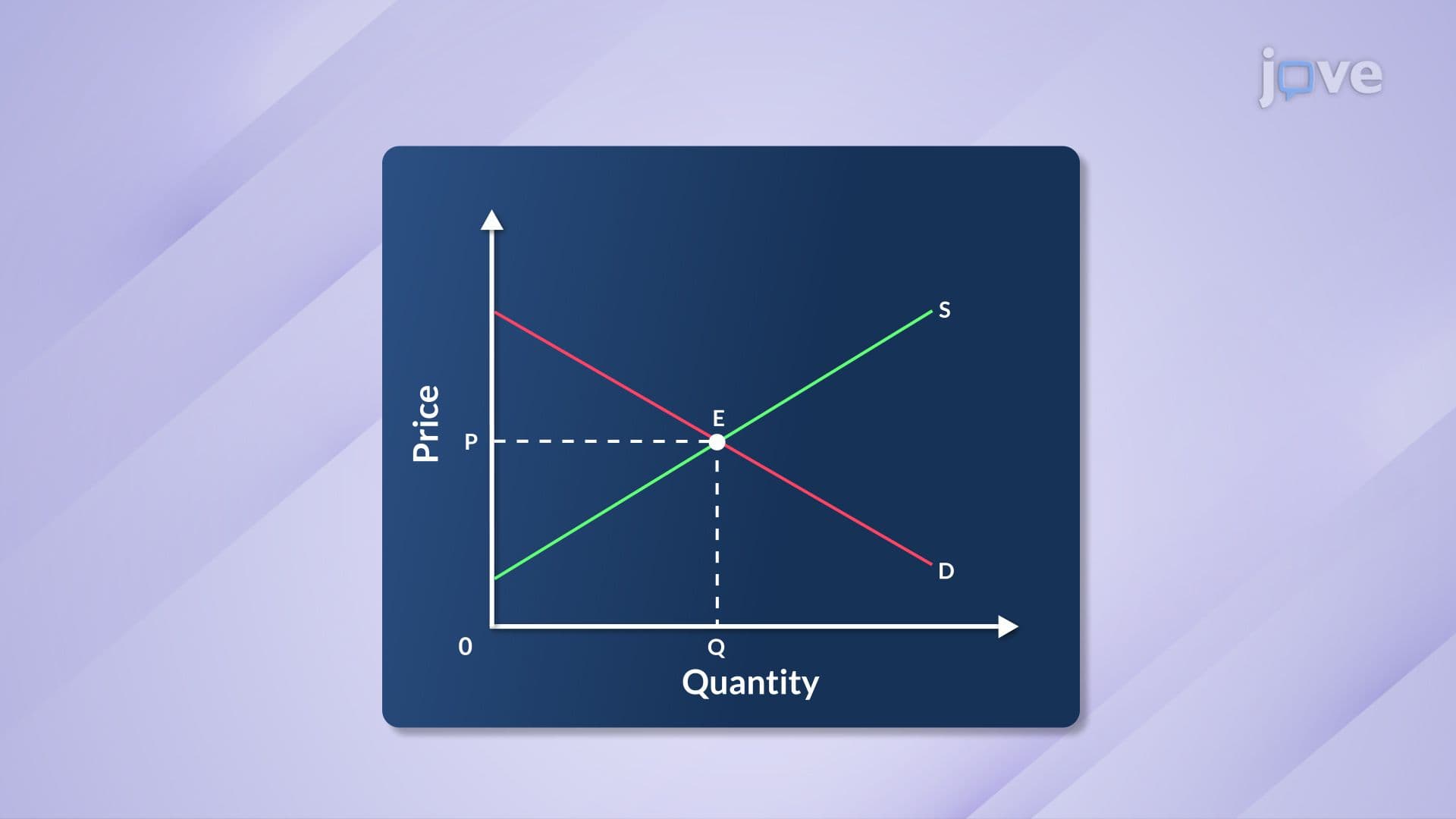
Market economies face a fundamental challenge: how to distribute limited resources among unlimited wants without central planning. The prices allocation goods system solves this through voluntary exchange, where price signals guide both consumers and producers toward efficient outcomes.
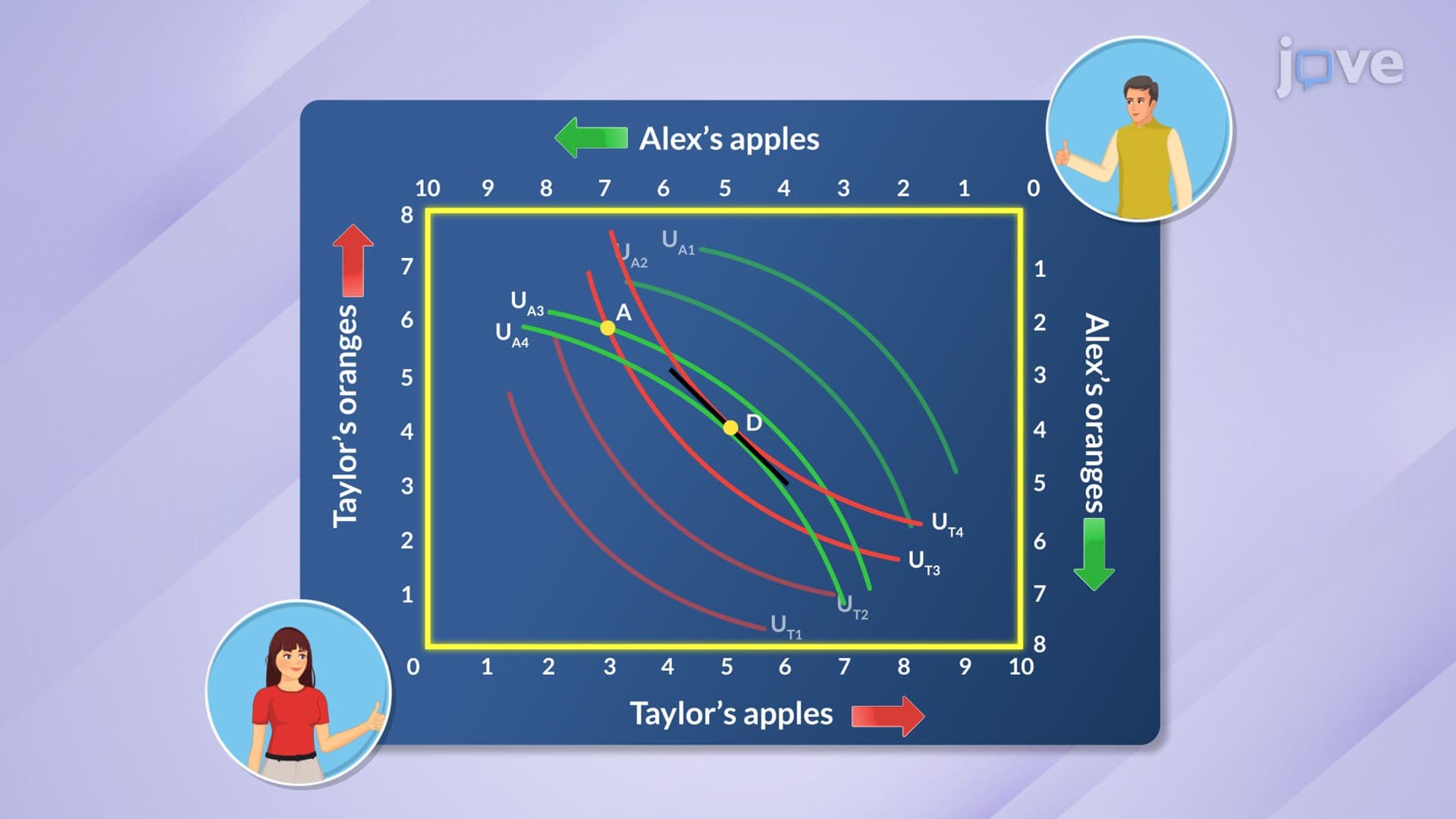
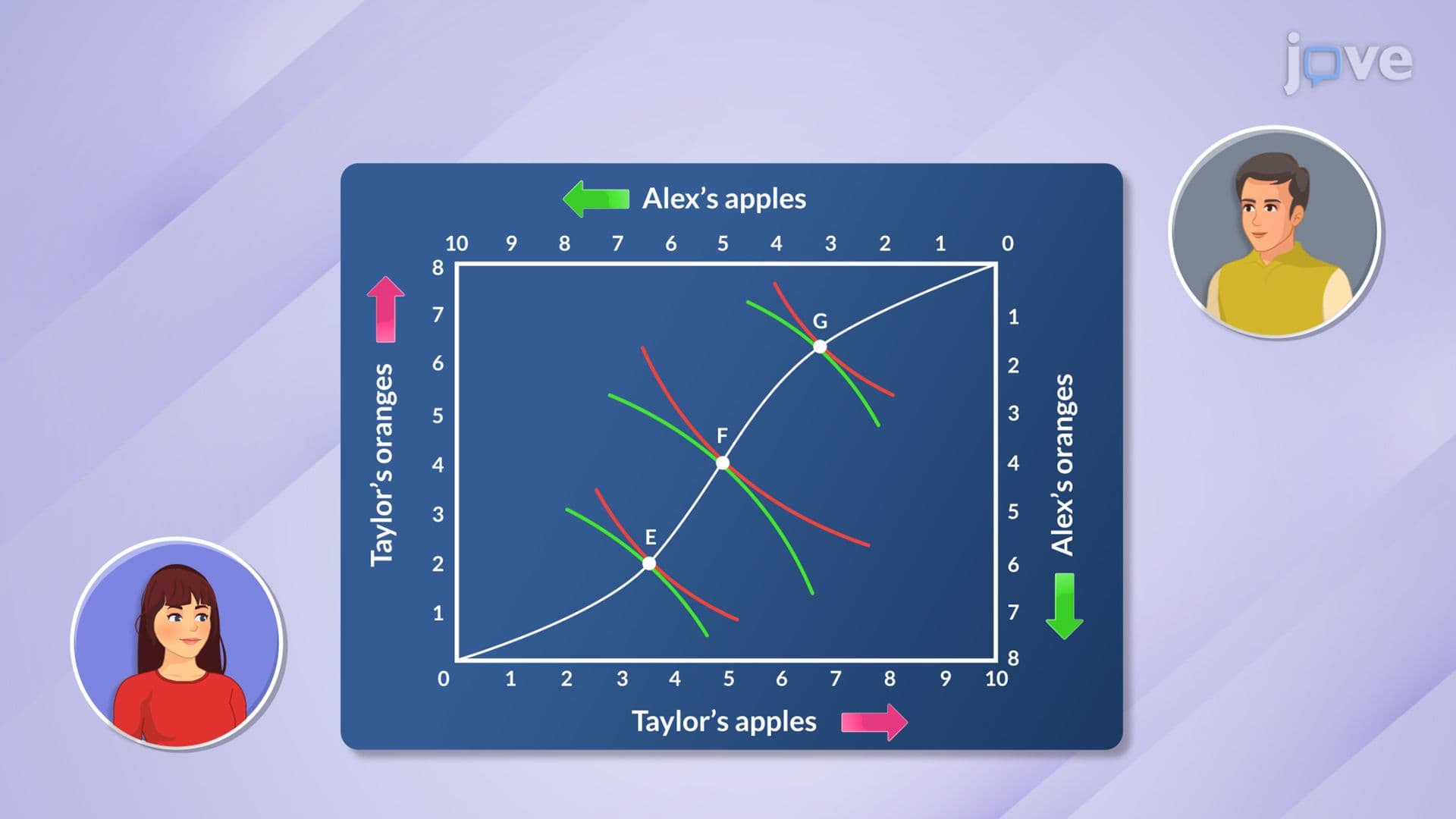
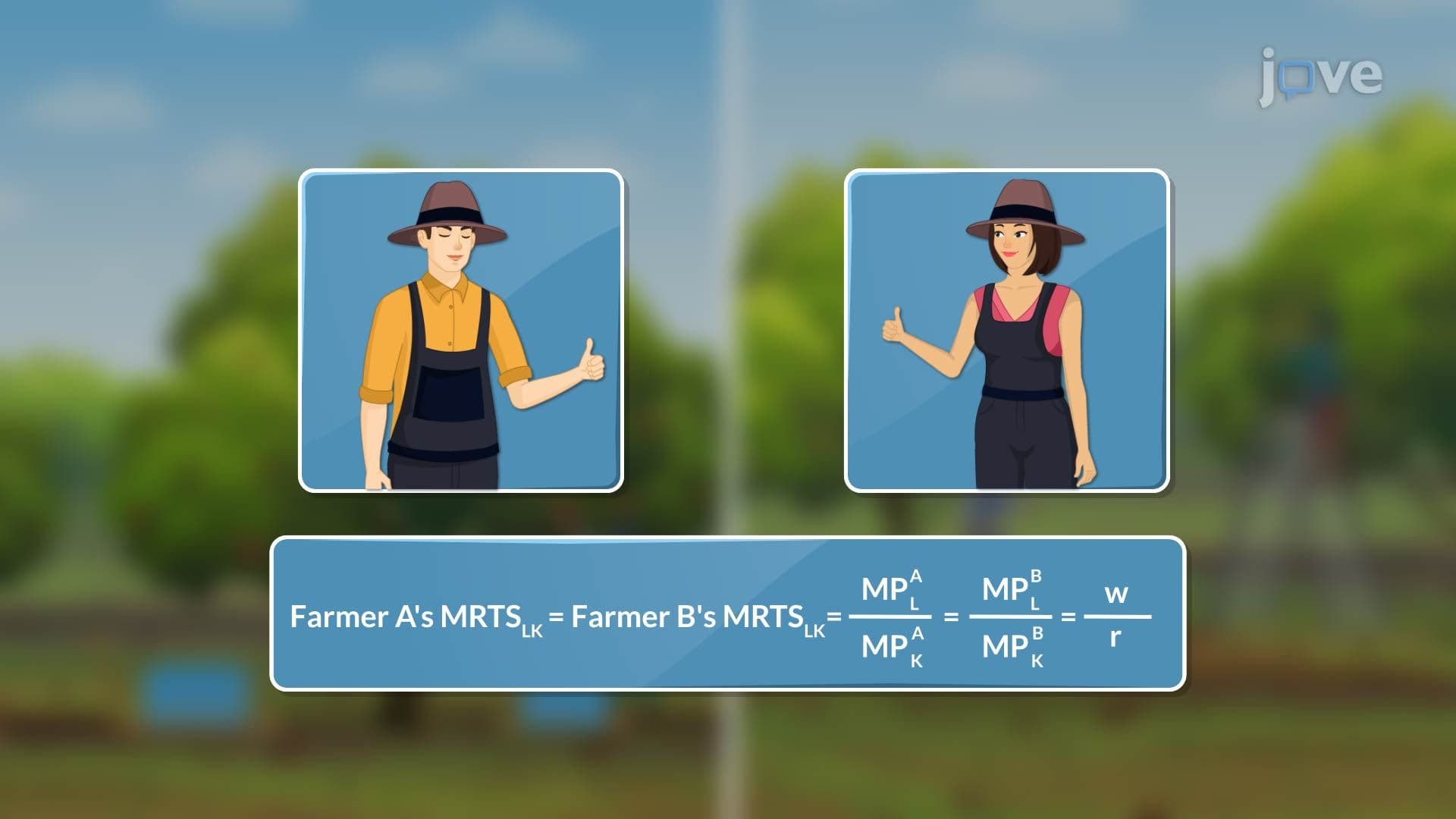
Individual consumers maximize utility subject to their income limitations. At the optimal consumption point, the marginal rate of substitution between any two goods equals their price ratio. For example, if a college student can trade 2 energy drinks for 1 textbook in the market (price ratio = 2:1), their personal willingness to substitute must also equal 2:1 at equilibrium. This mathematical relationship-MRS(x,y) = Px/Py-appears frequently on AP Microeconomics exams and college intermediate microeconomics courses.
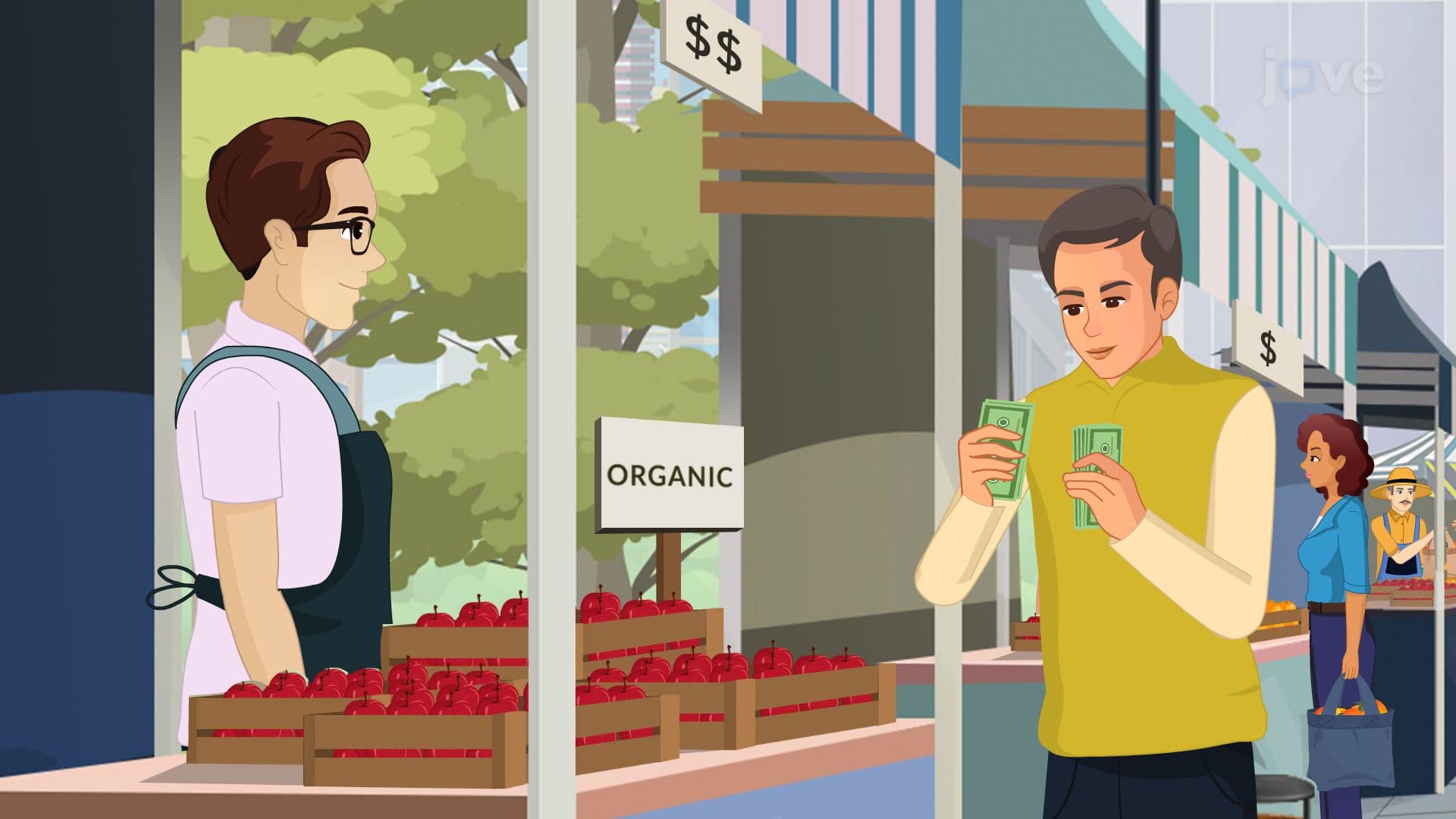
Consider two roommates, Sarah and Mike, splitting grocery costs. Sarah prefers organic produce while Mike favors processed convenience foods. Despite different preferences, both optimize where their personal MRS equals market price ratios. This ensures neither can improve their situation through further trading.
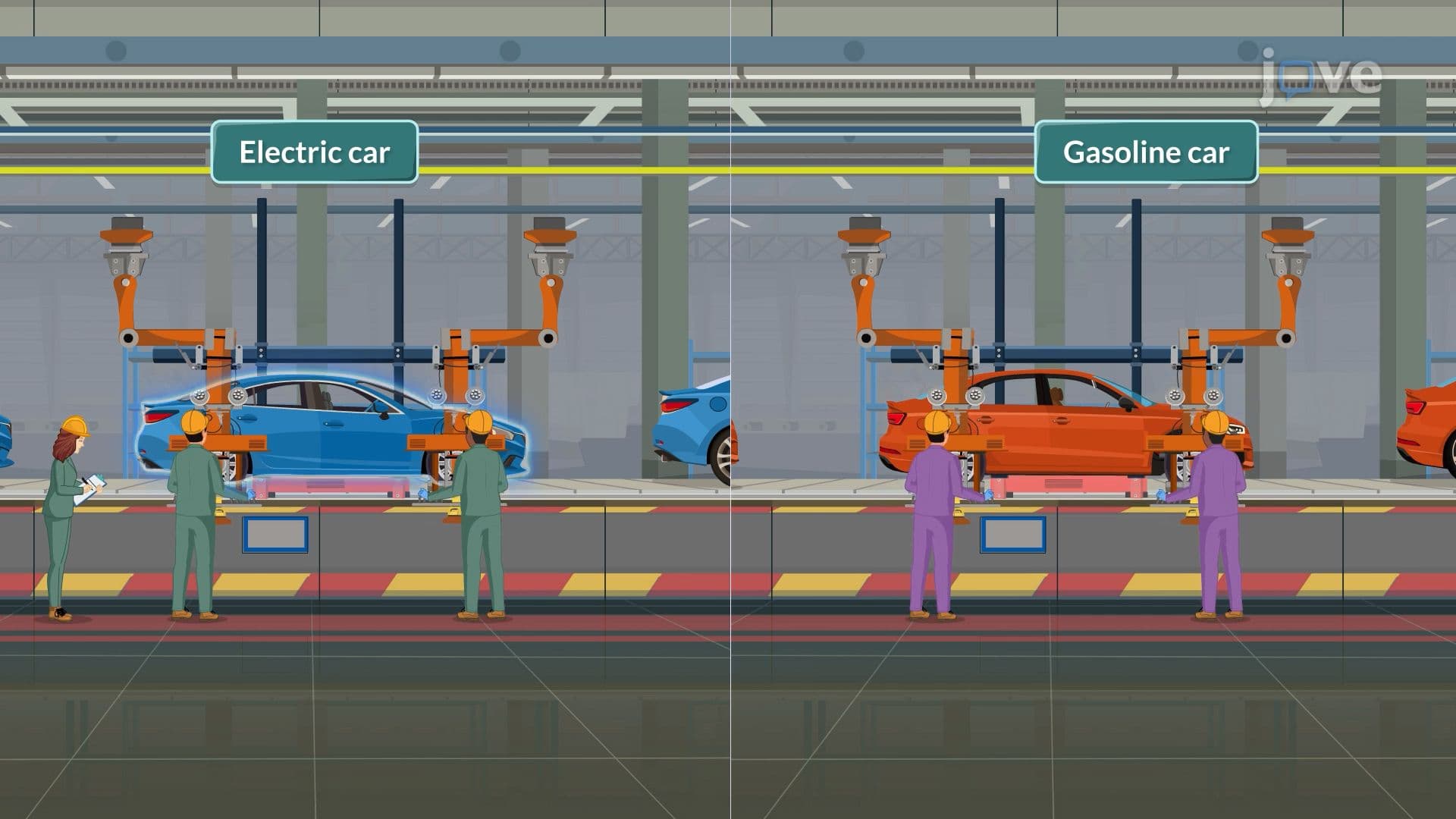
The prices allocation overview reveals how markets coordinate millions of individual decisions. When Tesla increases Model 3 prices, consumers with lower willingness-to-pay switch to alternatives like Honda Civics or public transportation. This reallocation happens automatically without any central authority directing the process.
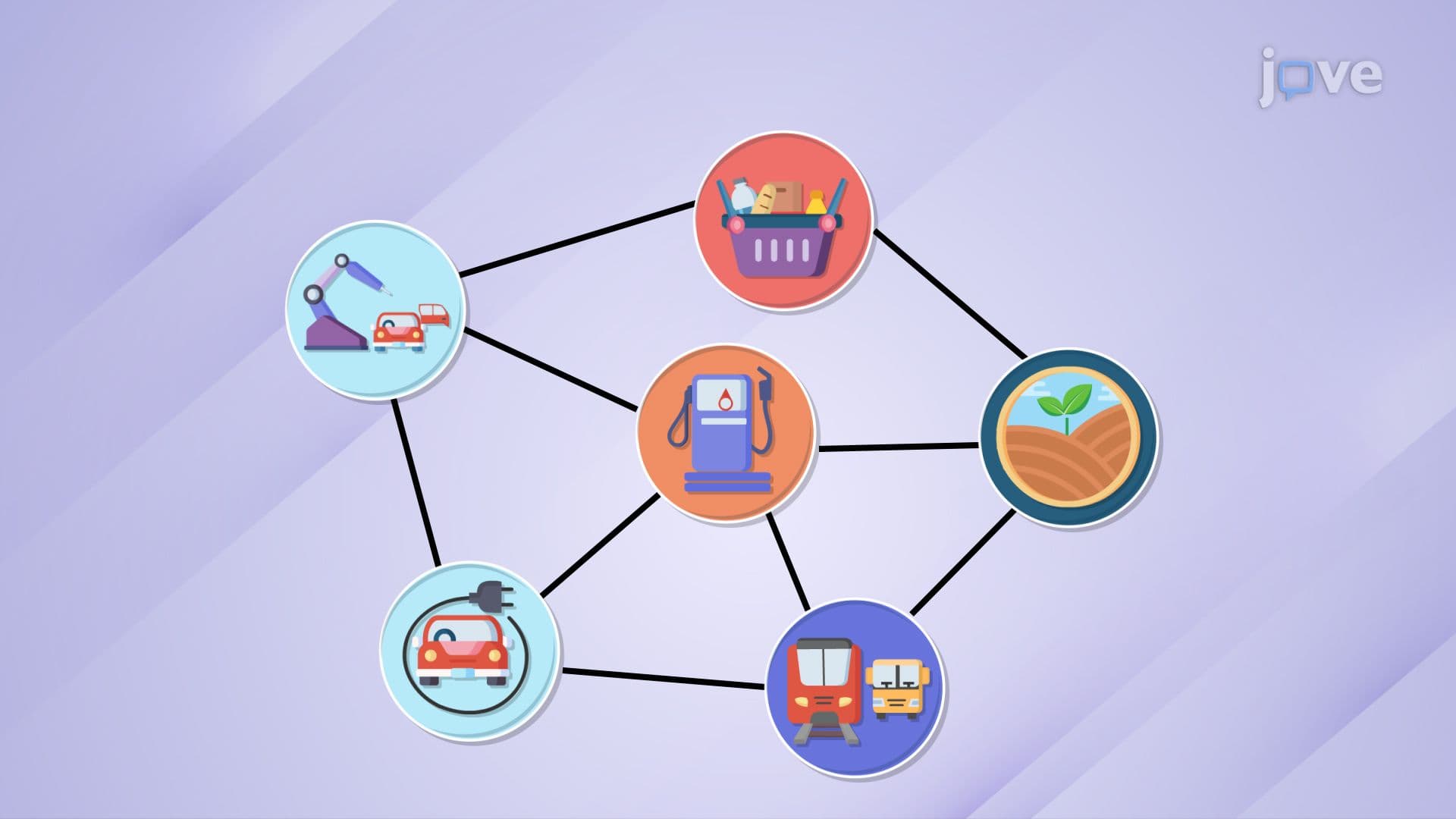
Price changes trigger cascading adjustments throughout the economy. Higher gas prices reduce SUV demand, increasing sedan demand, which affects steel allocation between different vehicle types. This interconnected adjustment process, studied extensively in principles of economics courses, demonstrates Adam Smith's "invisible hand" concept.
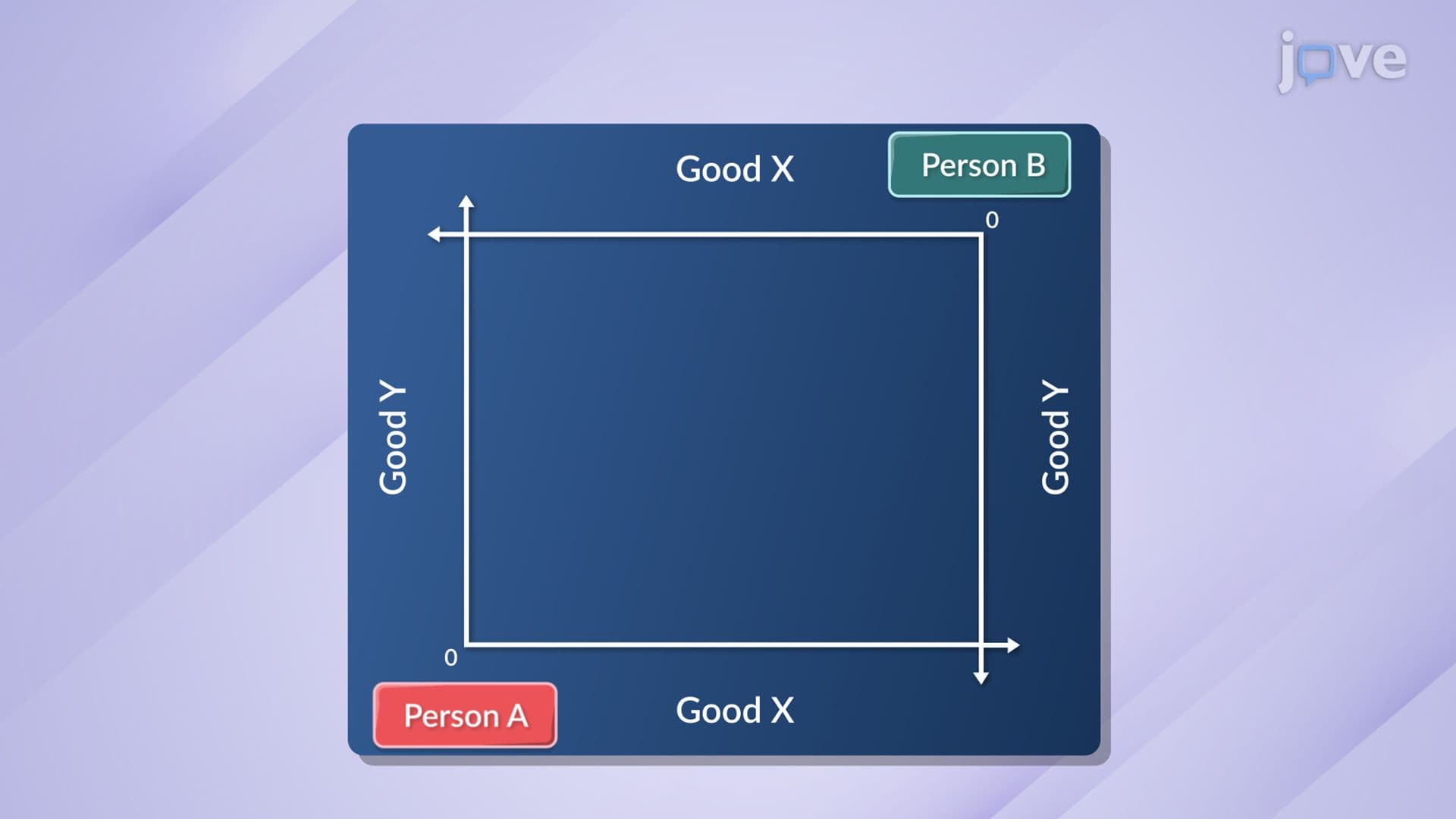
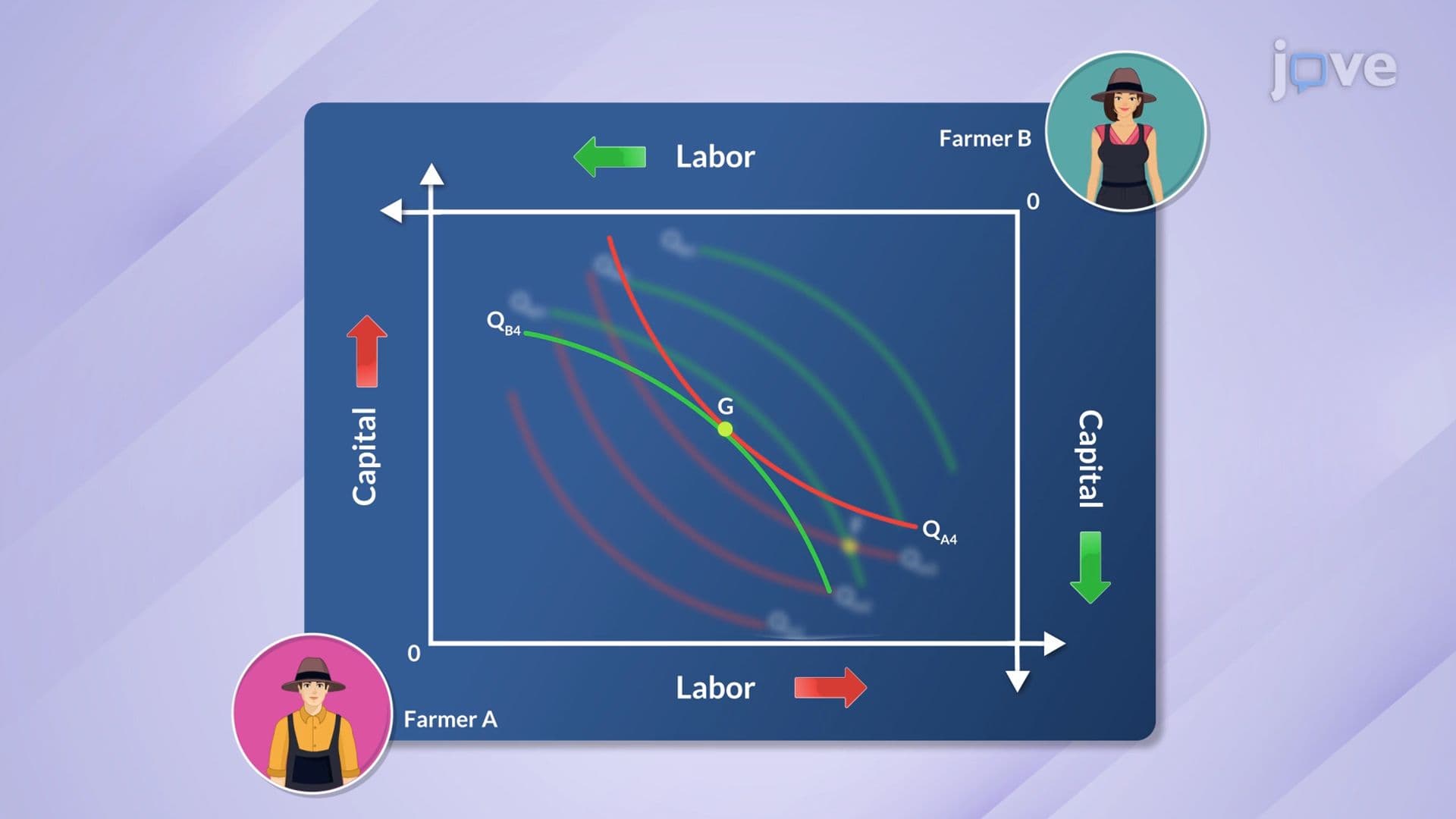
Markets naturally move toward Pareto optimal allocations where no further beneficial trades exist. Initially inefficient distributions trigger arbitrage opportunities. If someone values their concert ticket less than market price, they sell to someone with higher valuation. This voluntary exchange continues until all mutually beneficial trades are exhausted.
The prices and the allocation of goods study guide typically emphasizes this self-correcting mechanism. Unlike command economies requiring perfect information from planners, market systems harness dispersed local knowledge through price signals, making them remarkably robust for complex modern economies.
Related Micro-courses