Loading subject page…


4,330 views


Video Summary: What Is First Welfare Theorem I
Why does Amazon's marketplace work so efficiently without a central planner directing every transaction? The first welfare theorem reveals that perfectly competitive markets naturally achieve optimal resource allocation where no one can improve their situation without harming others. Consider how the New York Stock Exchange coordinates millions of trades daily, with buyers and sellers independently making decisions that collectively maximize efficiency. This fundamental economic principle, known as What is First Welfare Theorem I, demonstrates the invisible hand of market forces at work. Watch the full video on JoVE Coach to master this concept with expert-led visuals and step-by-step explanations.
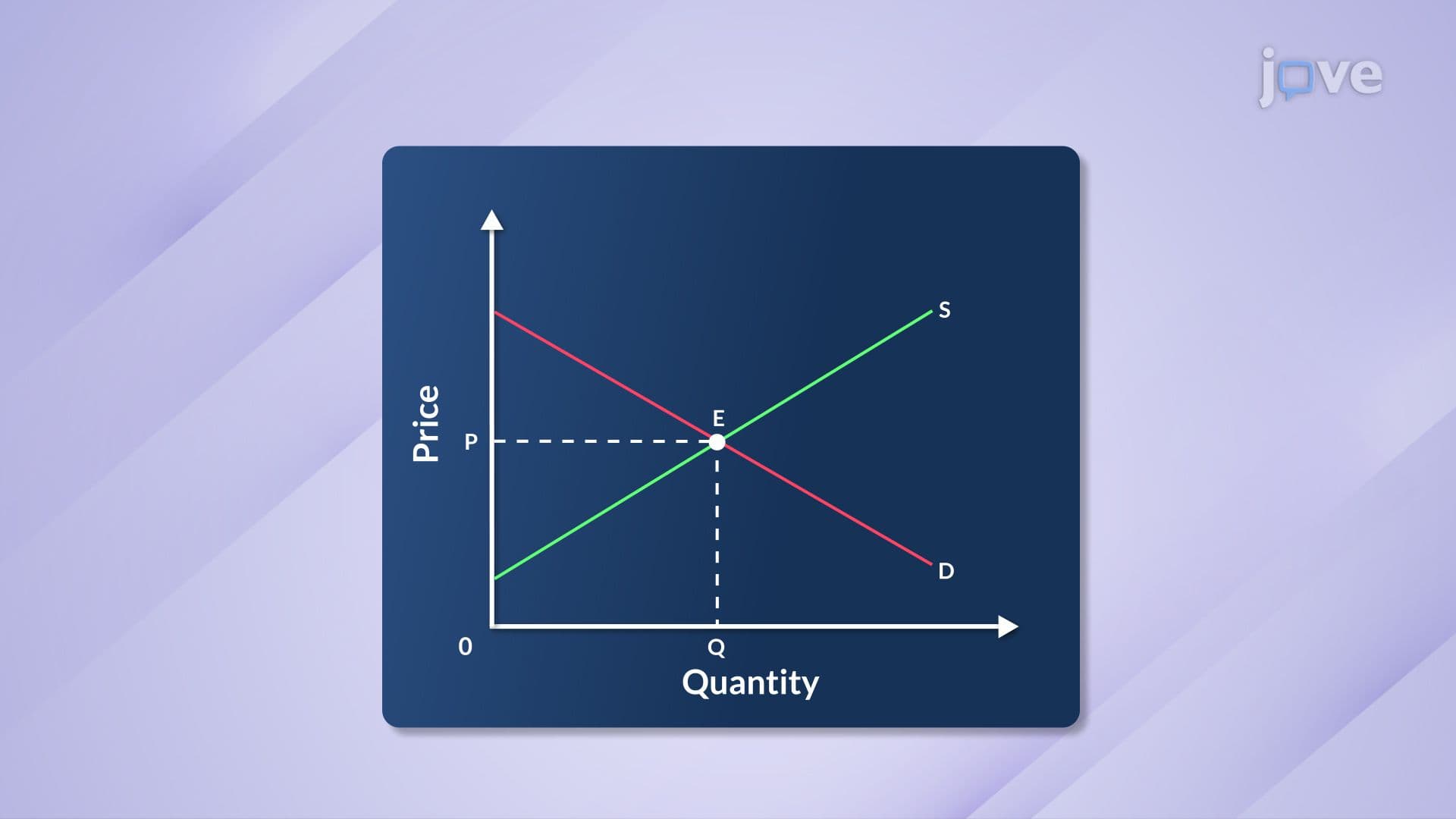
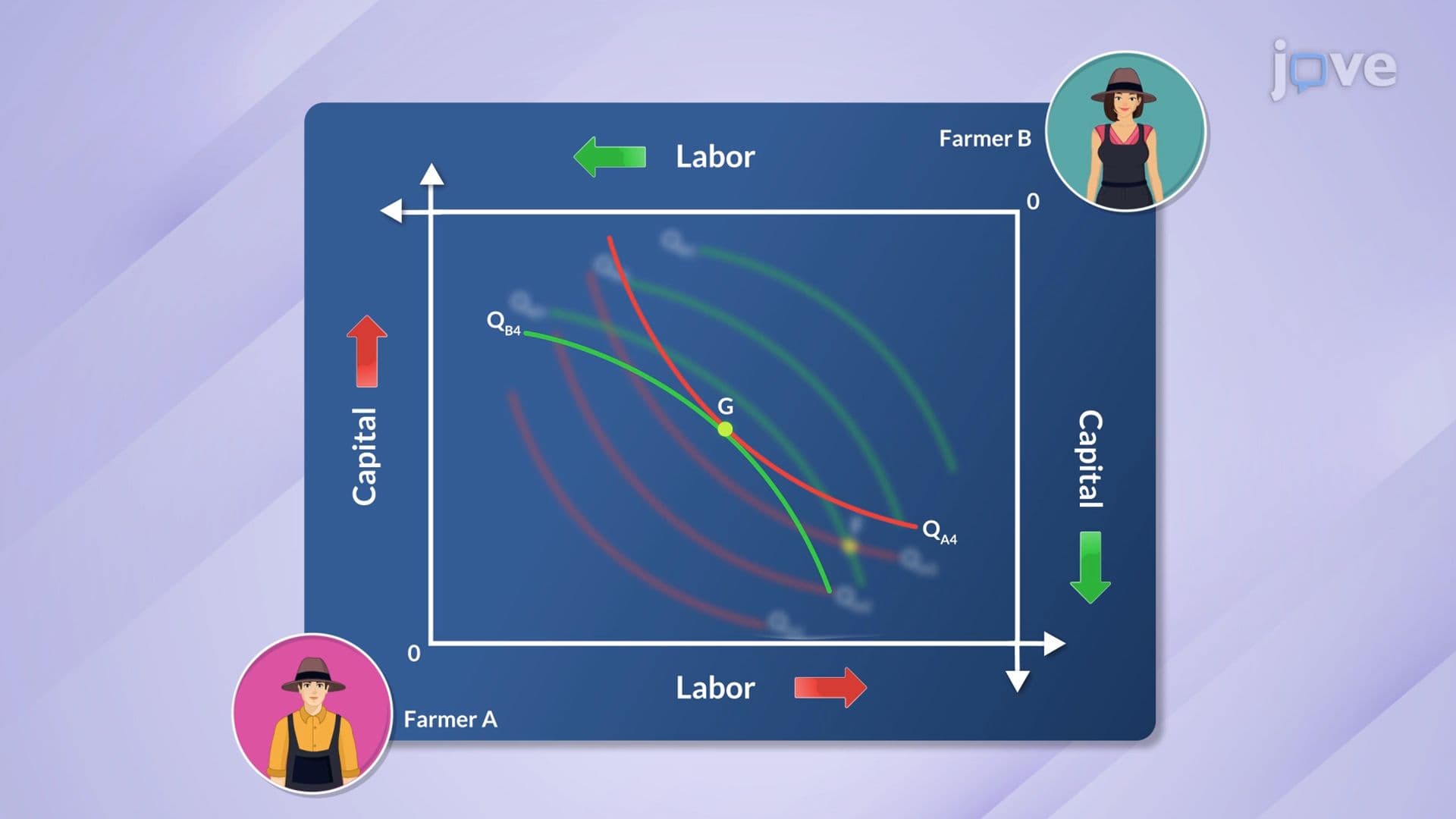
The first welfare theorem stands as one of economics' most elegant results, proving that competitive markets can achieve perfect efficiency without central coordination. This theorem establishes that when markets operate under ideal conditions, the resulting equilibrium allocates resources in a Pareto-efficient manner-meaning society cannot reallocate goods to make anyone better off without simultaneously making someone else worse off.
The first welfare theorem definition explained relies on five critical assumptions that create the foundation for market efficiency. First, markets must exhibit perfect competition where all participants act as price-takers, unable to influence market prices through individual actions. Second, perfect information ensures all buyers and sellers have complete knowledge of prices, quality, and availability. Third, the absence of externalities means production and consumption decisions don't create uncompensated effects on third parties. Fourth, complete markets exist for all goods and services, and finally, transaction costs remain zero.
These assumptions mirror conditions found in highly liquid markets like the Chicago Mercantile Exchange, where standardized contracts, transparent pricing, and minimal transaction costs create near-perfect competitive environments. Students preparing for AP Economics exams should recognize how violations of these assumptions-such as monopolistic behavior or environmental pollution-can lead to market failures.
Consider the US agricultural commodity markets, where farmers and food processors engage in competitive trading that often approximates first welfare theorem conditions. Wheat futures markets demonstrate how decentralized trading can efficiently allocate agricultural products across regions and time periods, with prices reflecting true supply and demand fundamentals.
However, real markets frequently violate welfare theorem assumptions. The 2008 financial crisis illustrated how information asymmetries and externalities can create systemic inefficiencies. Investment banks possessed superior information about mortgage-backed securities, while the systemic risks they created imposed costs on the broader economy-clear violations of the theorem's requirements.
Understanding the first welfare theorem concept explained proves essential for students pursuing economics, business, or public policy careers. The theorem provides the theoretical foundation for analyzing market regulation, antitrust policy, and international trade agreements. College microeconomics courses extensively cover this material, and it frequently appears on standardized tests including the AP Economics exam and graduate school entrance examinations.
The theorem also helps explain why economists generally favor market-based solutions over government intervention when markets function properly, while simultaneously identifying specific conditions where intervention might improve welfare outcomes.
Related Micro-courses