Loading subject page…


4,329 views

Video Summary: What Is General Equilibrium Analysis
Ever wonder why Netflix subscription prices rise when movie theaters struggle? General equilibrium analysis reveals how changes in one market create ripple effects across interconnected markets until all reach stability. When movie ticket taxes increase costs, consumers shift to streaming services like Disney+ and Hulu, driving up their prices too-but this creates feedback loops as some viewers return to theaters. This economic domino effect demonstrates how US markets from entertainment to housing constantly adjust to find balance. Watch the full video on JoVE Coach to master this concept with expert-led visuals and step-by-step explanations.
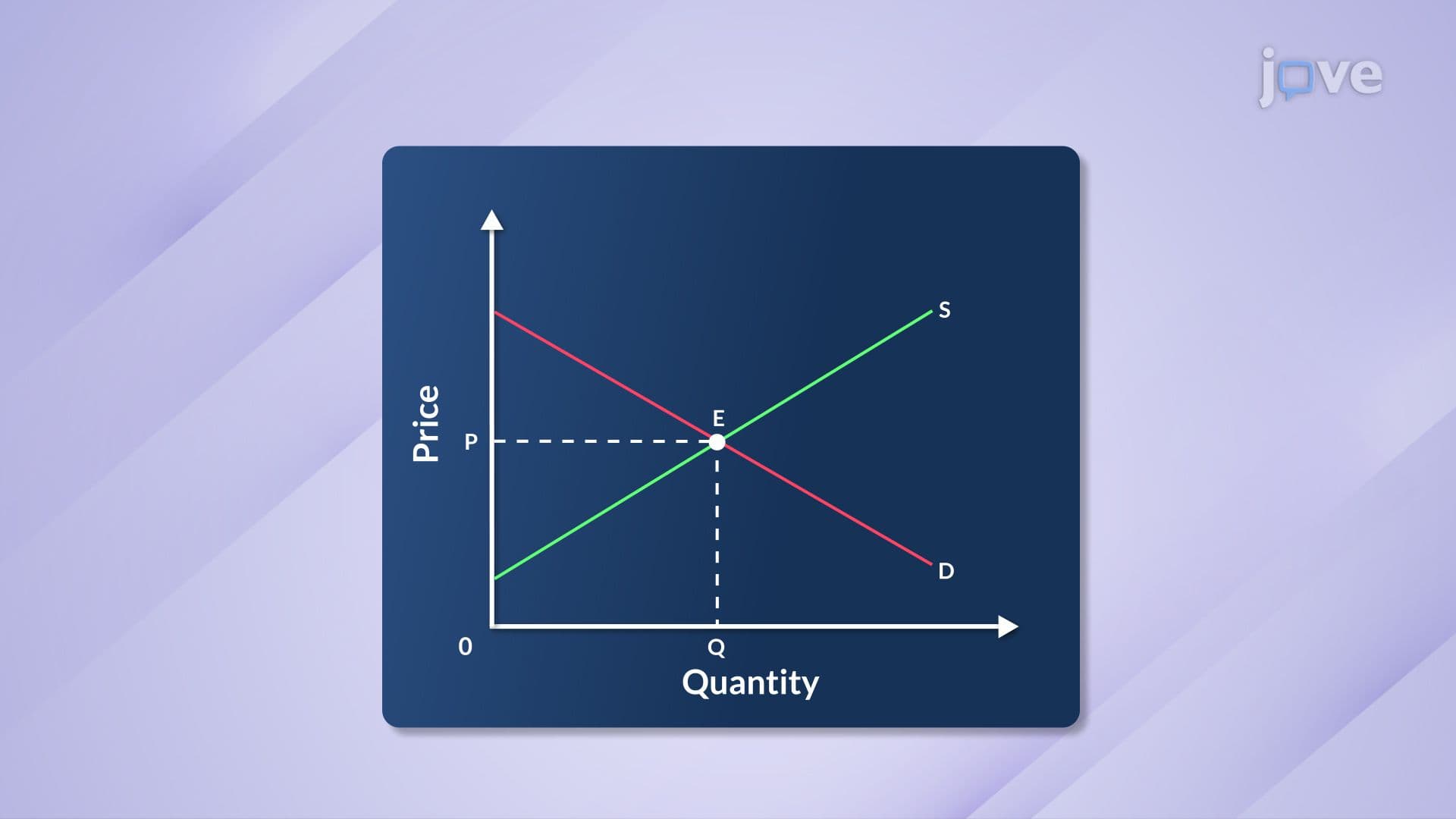
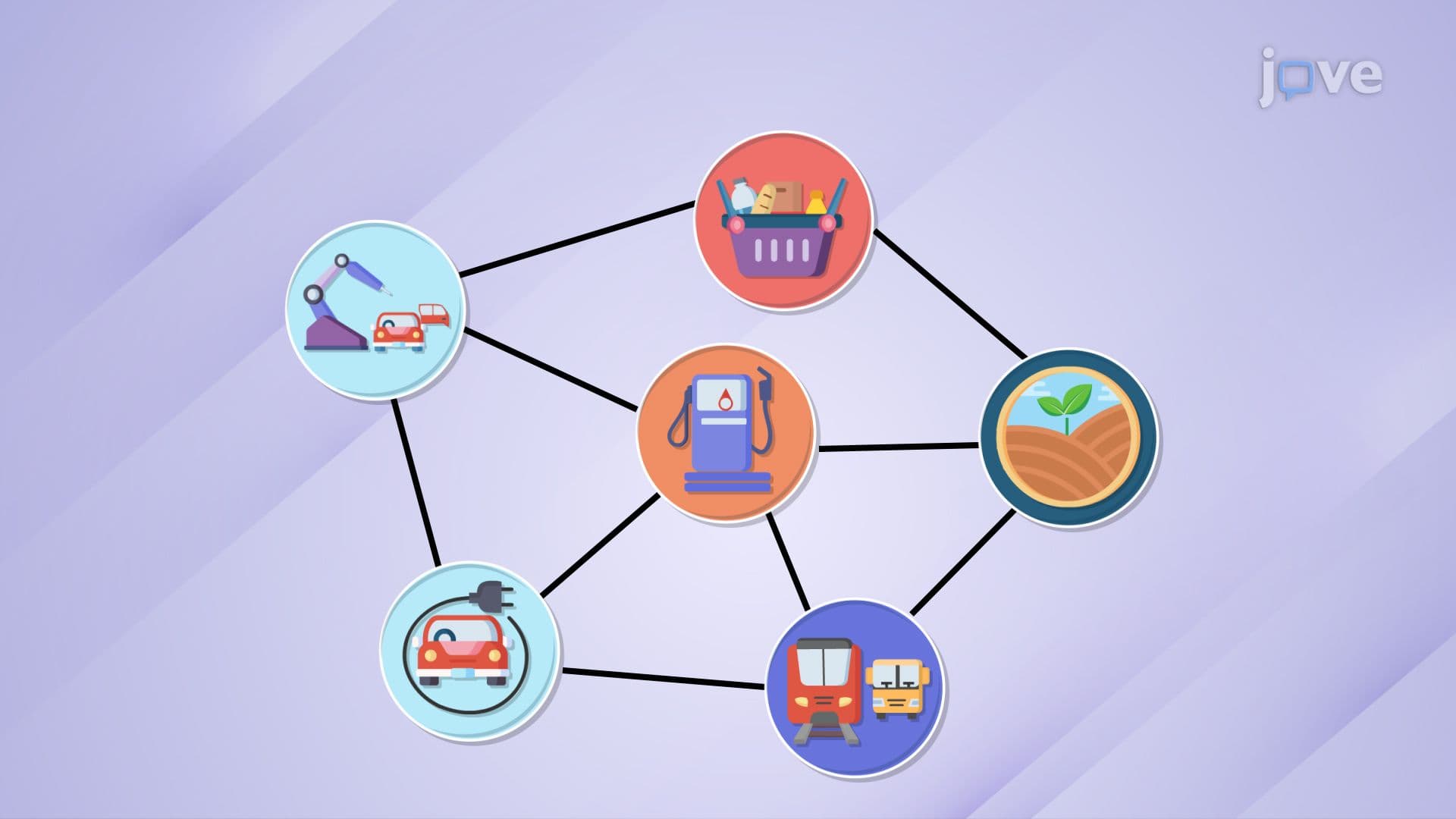
General equilibrium analysis represents one of economics' most sophisticated approaches to understanding market interactions. Unlike partial equilibrium analysis, which examines individual markets in isolation, general equilibrium considers how multiple markets simultaneously influence each other through price signals, resource allocation, and consumer behavior patterns.
This analytical framework becomes essential when studying interconnected industries. Consider how rising gasoline prices affect not just transportation markets, but also food distribution costs, tourism demand, and even real estate values in car-dependent suburbs. Each market adjustment triggers responses in others, creating complex feedback mechanisms that continue until all markets reach simultaneous equilibrium.
The power of general equilibrium analysis lies in capturing substitution relationships between goods and services. When movie theater attendance declined during the streaming revolution, this wasn't just about entertainment preferences-it affected shopping mall foot traffic, parking revenues, concession suppliers, and even urban planning decisions around entertainment districts.
These interdependencies become mathematically complex quickly. Economists use systems of equations where quantity demanded in each market depends on prices across all related markets. For a two-market system, we might express this as: Q1 = f(P1, P2) and Q2 = g(P1, P2), where changes in either price affect both quantities demanded.
American economic policy frequently demonstrates general equilibrium principles. The 2008 housing crisis illustrated how mortgage market problems cascaded through banking, construction, retail, and employment markets. Federal Reserve interest rate changes exemplify general equilibrium thinking-policymakers must consider how rate adjustments affect currency values, international trade, domestic investment, consumer spending, and inflation simultaneously.
Students preparing for AP Economics or college-level coursework encounter these concepts when analyzing trade policies, tax reforms, or regulatory changes. The key insight involves tracing impact chains: initial market disruption → immediate substitution effects → secondary market adjustments → feedback loops → new equilibrium across all affected markets.
While general equilibrium provides comprehensive market analysis, it requires significant mathematical sophistication and computational resources. Real-world applications often involve hundreds of interconnected markets, making precise predictions challenging. However, the conceptual framework remains invaluable for understanding economic complexity and policy trade-offs that affect multiple sectors simultaneously.
Related Micro-courses