Loading subject page…


4,328 views


Video Summary: What Is Input Efficiency I
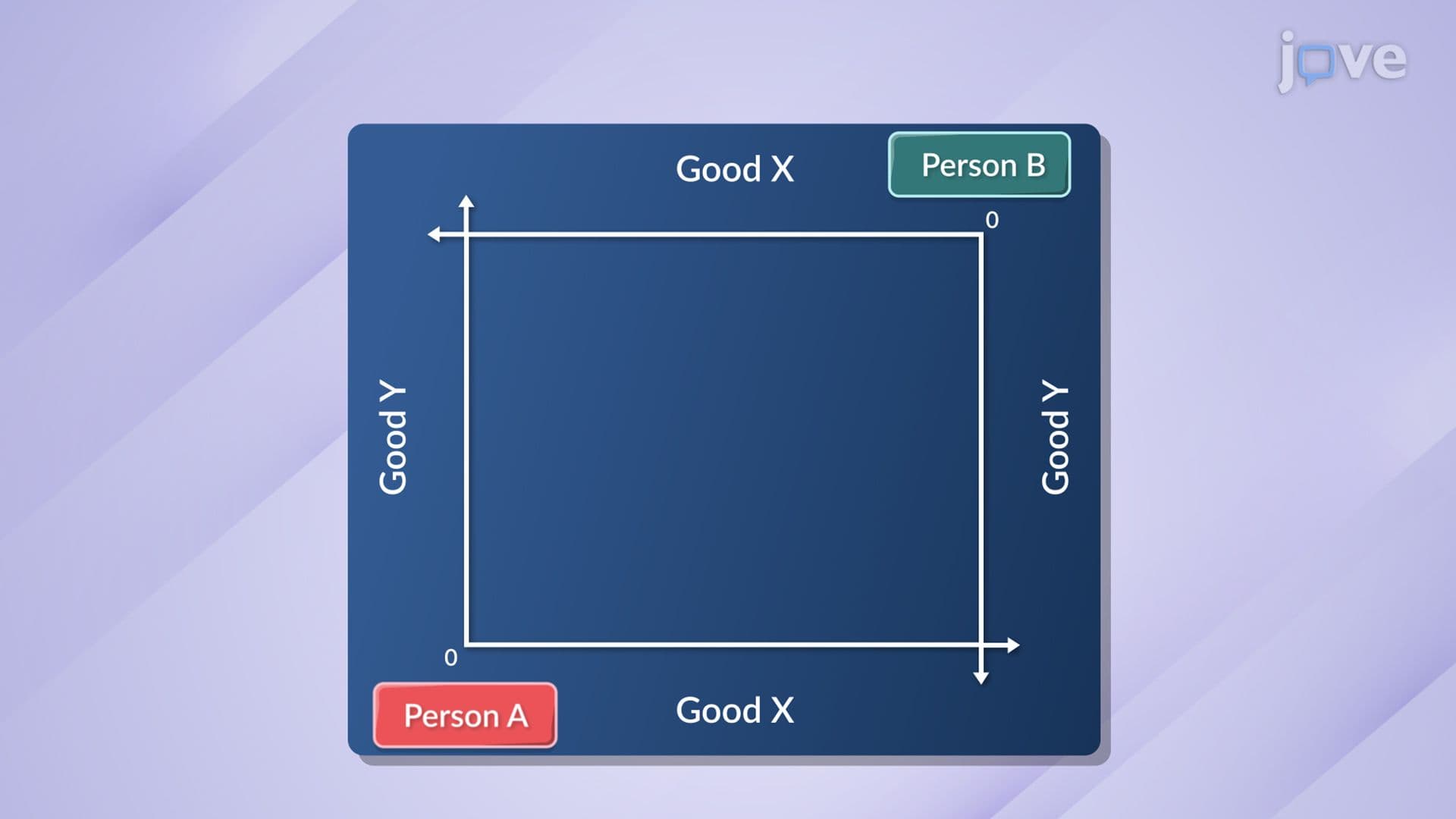
When Amazon decides how to allocate its workforce between warehouse operations and technology development, it's making input efficiency decisions that affect millions of customers. Input efficiency determines how resources like labor and capital get distributed across different production activities to maximize economic output. Consider how Tesla must allocate steel between Model 3 production and Cybertruck manufacturing-these choices directly impact What is Input Efficiency I and overall market performance. Economists use tools like the Edgeworth box diagram to visualize how producers can optimally distribute shared inputs across competing uses. Watch the full video on JoVE Coach to master this concept with expert-led visuals and step-by-step explanations.
Input efficiency represents a fundamental concept in microeconomics that examines how scarce resources are optimally distributed across different production processes. Unlike consumer choice theory, which focuses on how individuals allocate goods for consumption, input efficiency addresses the producer's challenge of allocating limited inputs like labor, capital, and raw materials among competing uses.
The core principle behind input efficiency lies in recognizing that most resources have multiple potential uses but can typically serve only one purpose at any given time. For example, a skilled software engineer at Google can work on either Android development or cloud computing services, but not both simultaneously. Similarly, when Ford allocates steel to production lines, it must decide between using that steel for F-150 trucks versus Mustang sports cars.
This concept becomes particularly relevant for students preparing for AP Economics exams, where understanding production possibilities and resource allocation appears frequently in both multiple-choice and free-response questions. College microeconomics courses extensively cover input efficiency when discussing firm behavior and market structures.
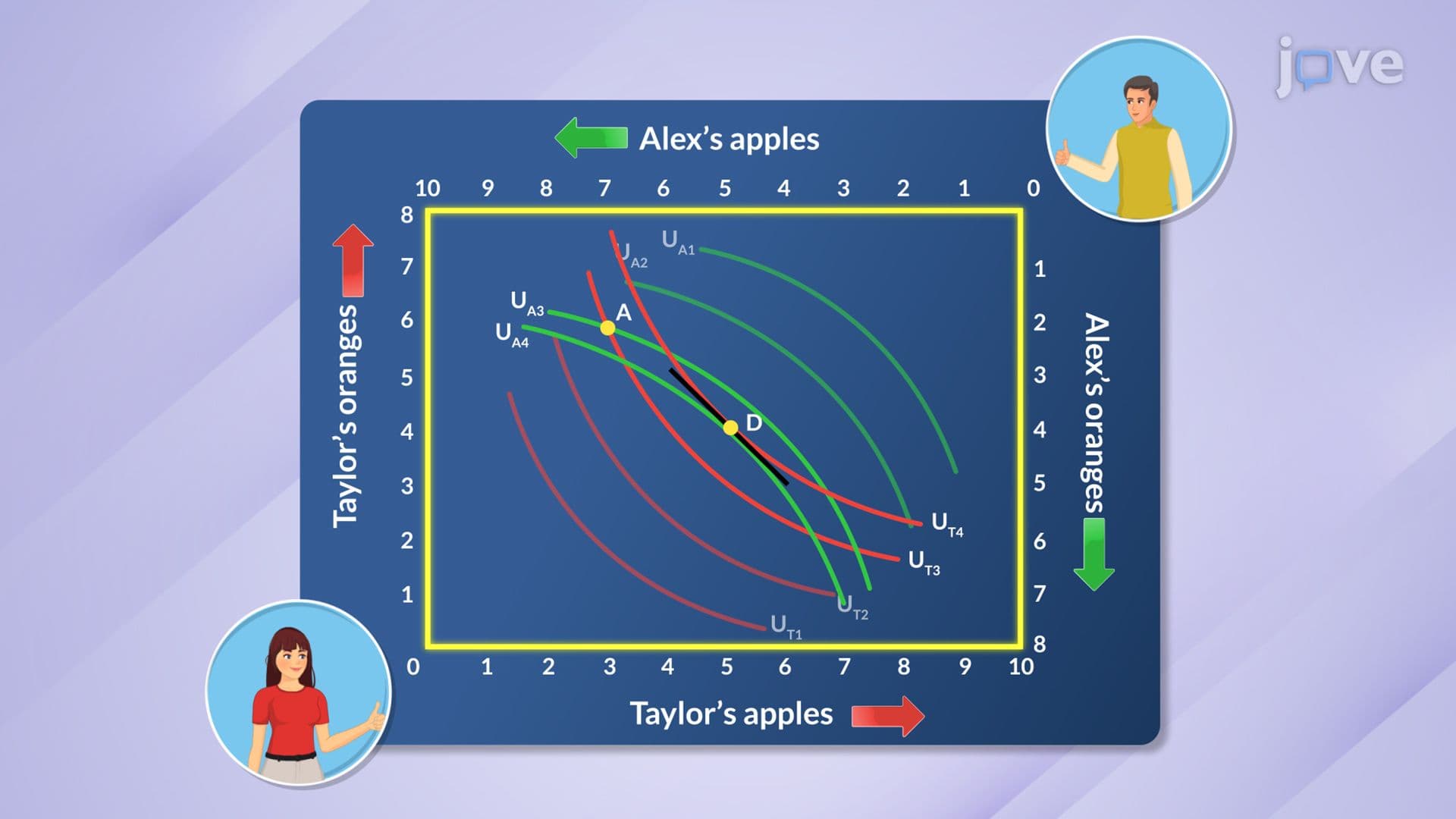
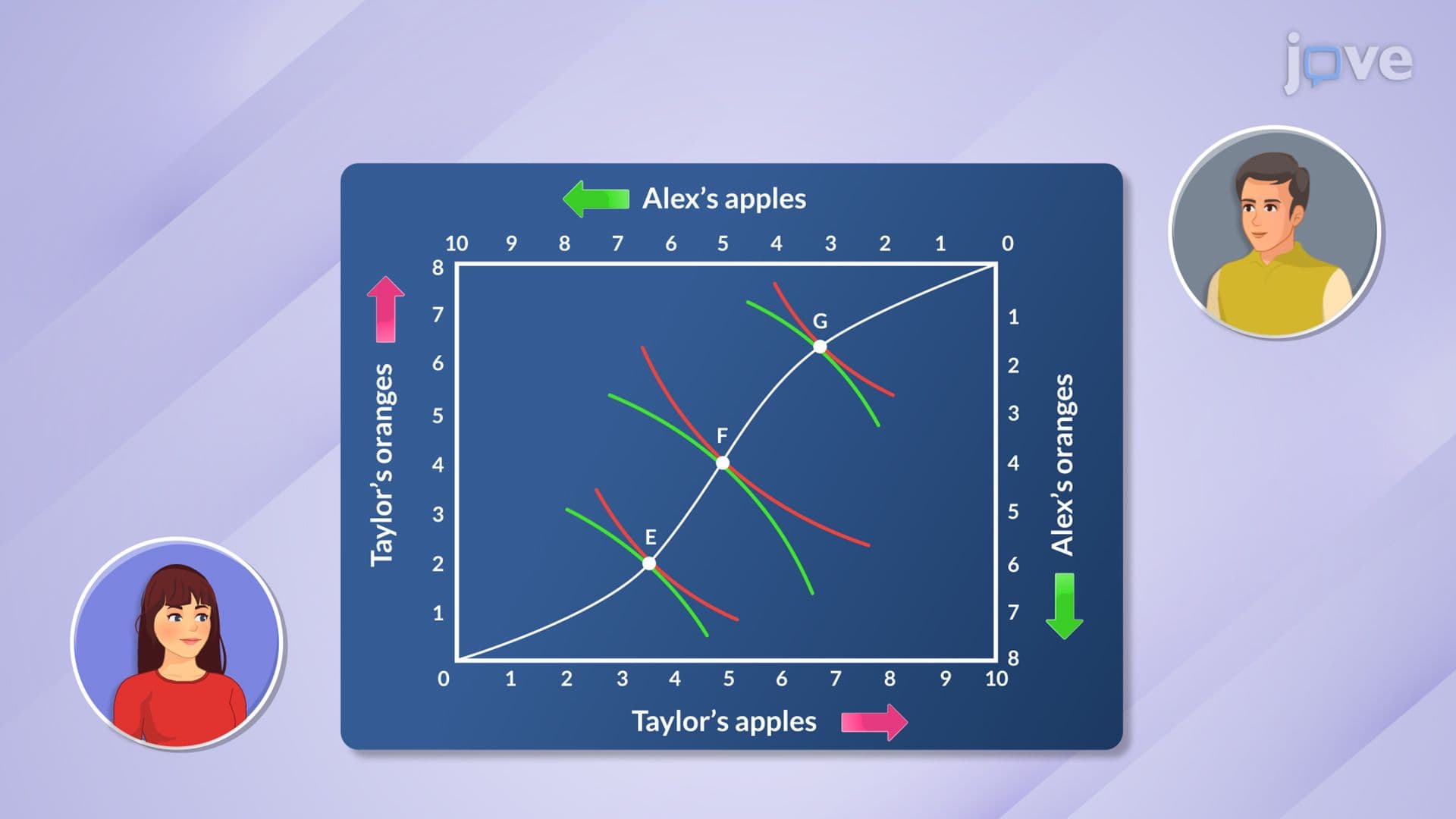
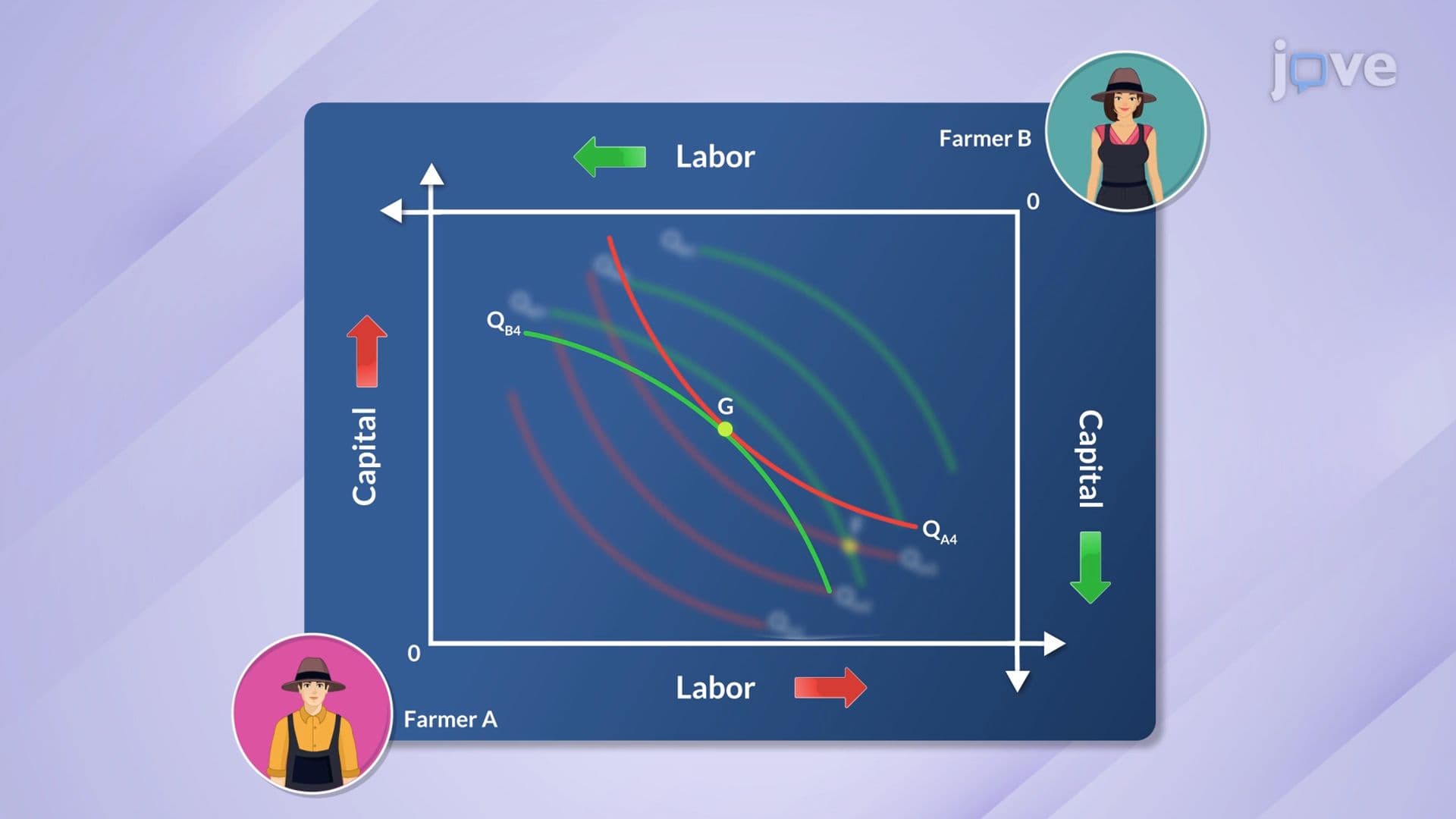
Economists visualize input efficiency using the Edgeworth box diagram, adapted for production rather than consumption. This graphical tool plots labor on the horizontal axis and capital on the vertical axis, showing how two different producers can share a fixed amount of these inputs. Unlike the consumer version, the producer Edgeworth box uses isoquants-curves representing all input combinations that produce the same output level.
Consider how this applies to the U.S. healthcare system: hospitals must allocate nursing staff between emergency departments and surgical units. Each department has isoquants showing different nurse-to-equipment ratios that maintain consistent patient care quality. The efficient allocation occurs where the isoquants of both departments are tangent, indicating that reallocating resources between departments cannot improve overall hospital output.
Input efficiency concepts appear regularly in standardized tests and college coursework. MCAT economics sections may test understanding of healthcare resource allocation, while business school admissions tests often include production efficiency scenarios. Students should practice identifying efficient allocation points and understanding when resource reallocation can improve overall productivity.
Related Micro-courses