Loading subject page…


4,328 views


Video Summary: What Is Output Efficiency
Why does Tesla's rise force traditional automakers to cut gasoline car production? Output efficiency explains this economic reality-it ensures resources are allocated to produce the optimal mix of goods without making anyone worse off. When Ford increases electric vehicle production, it must reduce traditional car output to maintain efficient resource use. This fundamental trade-off between competing products demonstrates how economies balance consumer preferences with limited productive capacity. Watch the full video on JoVE Coach to master this concept with expert-led visuals and step-by-step explanations.
Output efficiency represents one of the most crucial concepts in microeconomics, determining how societies allocate their limited resources to produce goods and services. Unlike production efficiency, which focuses on minimizing costs, output efficiency addresses the fundamental question: "What should we produce?" This concept ensures that any change in the production mix would necessarily make at least one person worse off-a condition economists call Pareto efficiency.
At its core, output efficiency operates on the principle of opportunity cost. When Apple decides to allocate more resources to iPhone production, it might reduce iPad manufacturing capacity. This trade-off isn't arbitrary-it reflects consumer demand, market prices, and resource constraints. US companies like General Motors exemplify this when they shift production lines from traditional SUVs to electric vehicles, responding to changing consumer preferences while maintaining efficient resource utilization.
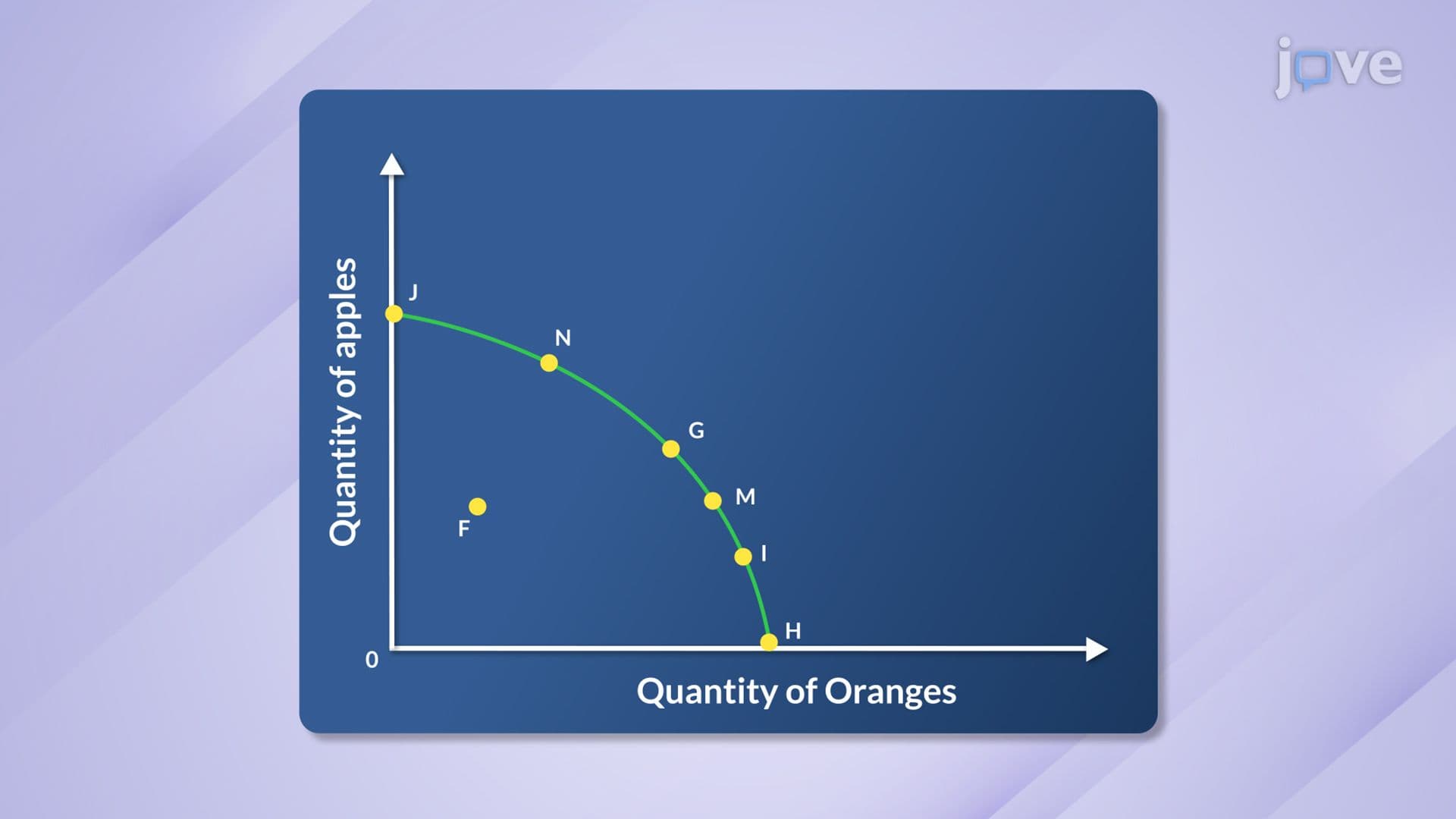
The concept frequently appears on AP Economics exams through production possibilities frontier (PPF) questions, where students must identify efficient output combinations. College microeconomics courses expand this to include welfare analysis and market equilibrium conditions.
Output efficiency requires that goods be produced in combinations reflecting consumer preferences and willingness to pay. When Netflix increased original content production while reducing licensed content, this decision reflected consumer preferences for exclusive programming. Market prices serve as signals-higher prices for electric vehicles encouraged manufacturers like General Motors and Ford to reallocate resources toward EV production.
This principle connects directly to consumer surplus and producer surplus concepts taught in intermediate microeconomics. Students preparing for economics competitions or graduate school should understand how price mechanisms guide efficient output decisions.
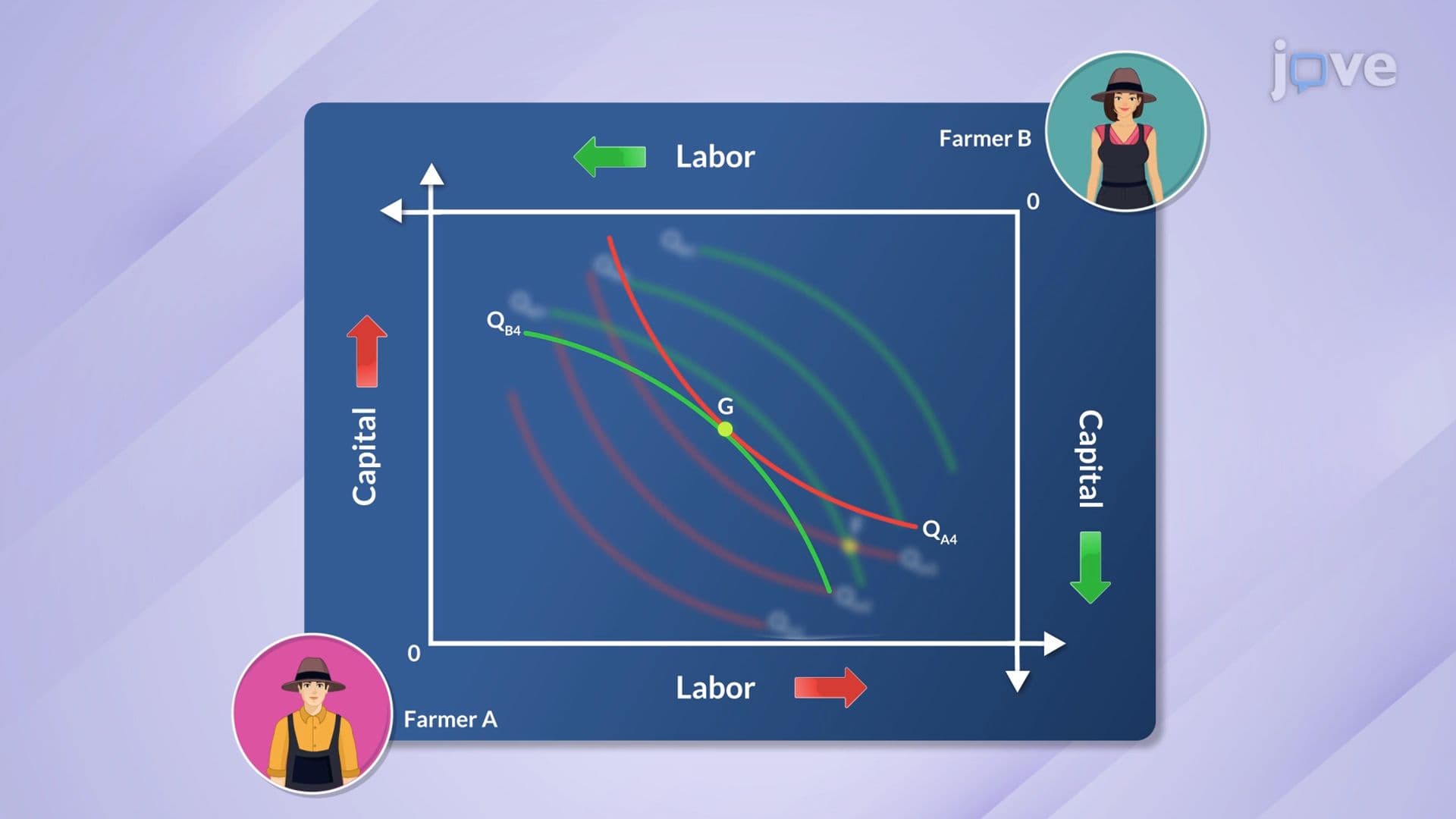
Output efficiency works alongside input efficiency (optimal resource combinations) and exchange efficiency (optimal distribution among consumers). Consider Amazon's warehouse operations: input efficiency determines the best combination of labor and technology, output efficiency decides which products to stock and in what quantities, while exchange efficiency ensures products reach consumers who value them most.
Understanding these interconnections proves essential for business strategy courses and case study analyses common in MBA programs and upper-level undergraduate business courses.
Related Micro-courses