Loading subject page…


4,330 views


Video Summary: What Is Pareto Efficiency
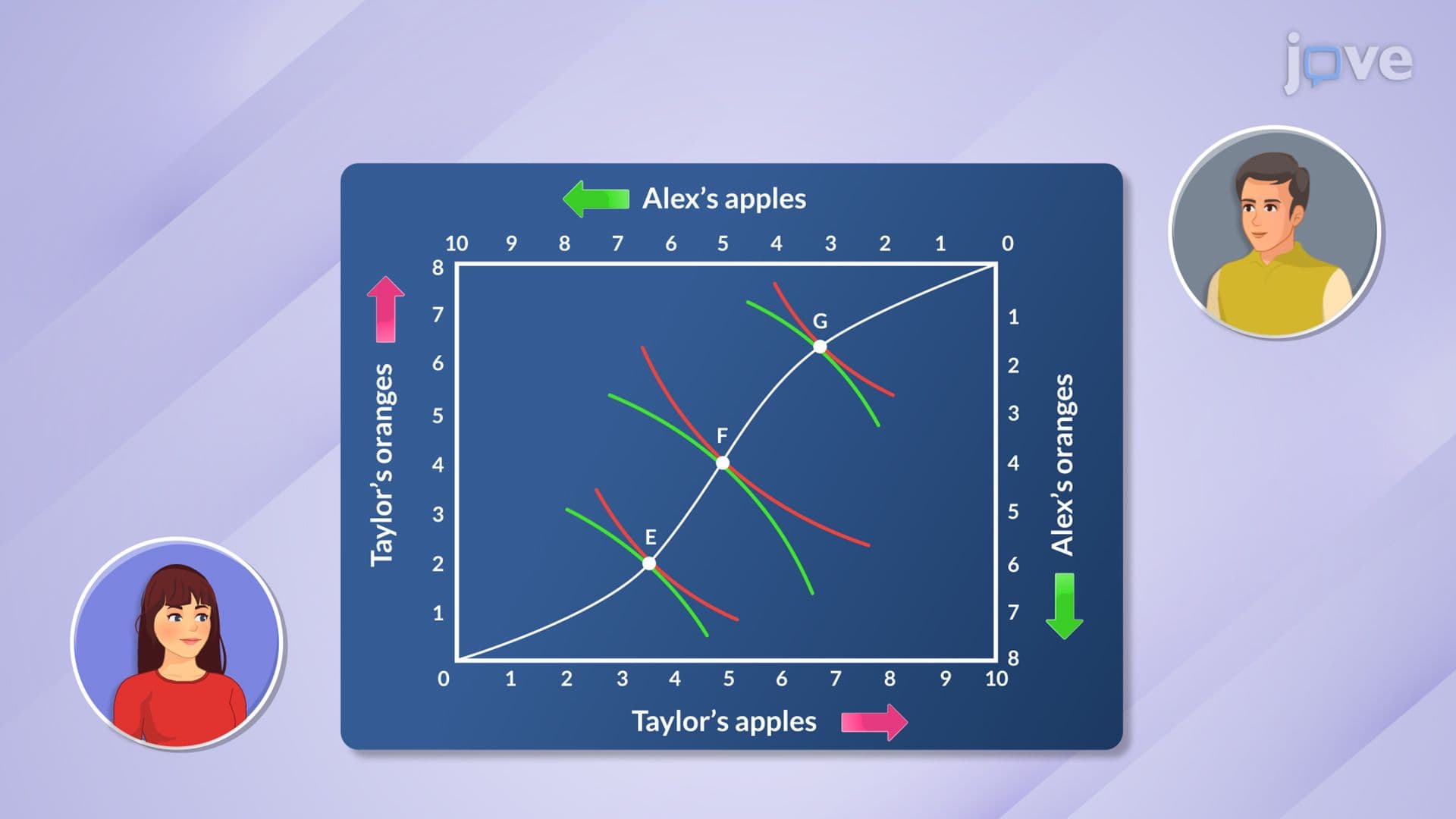
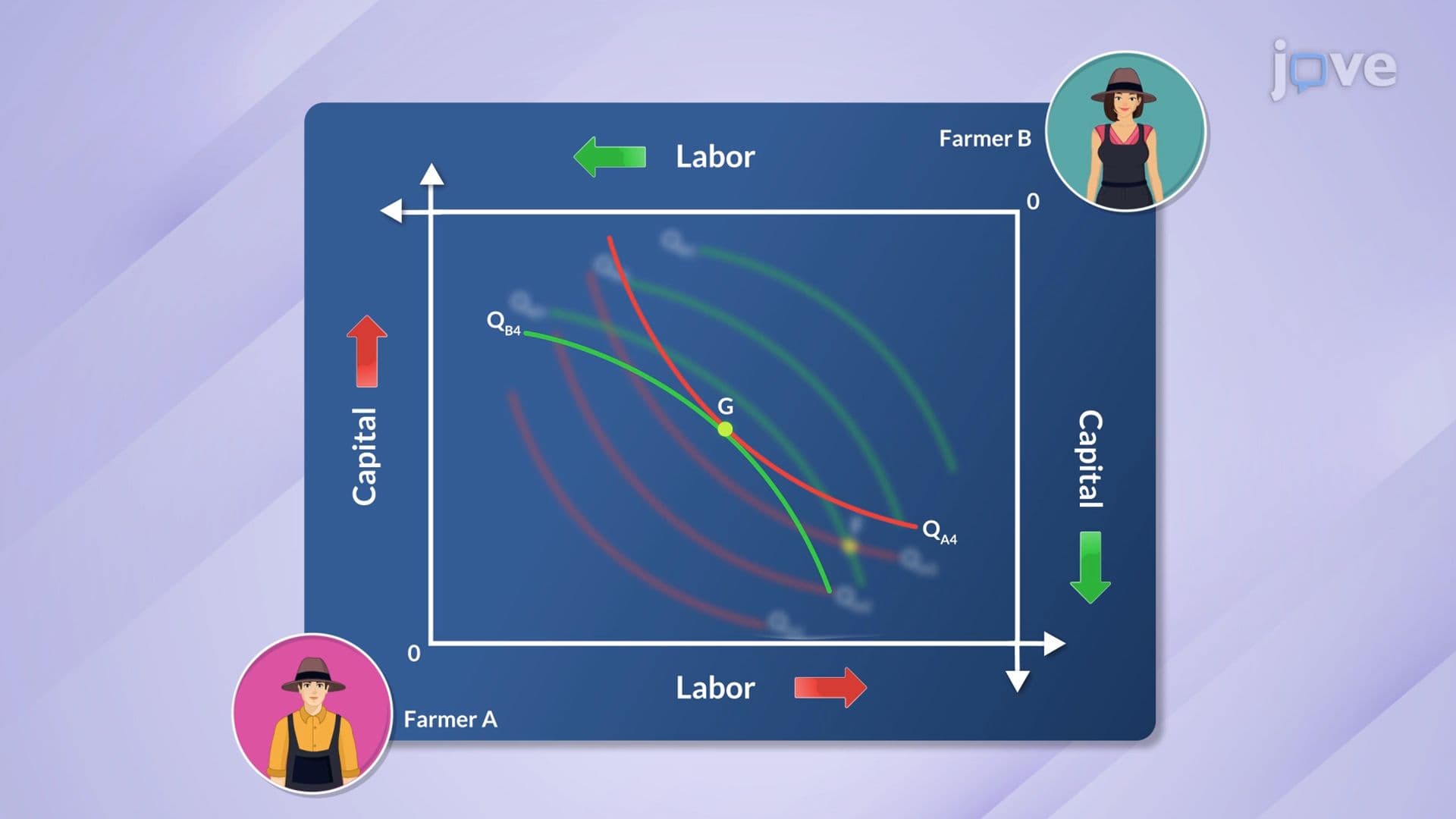
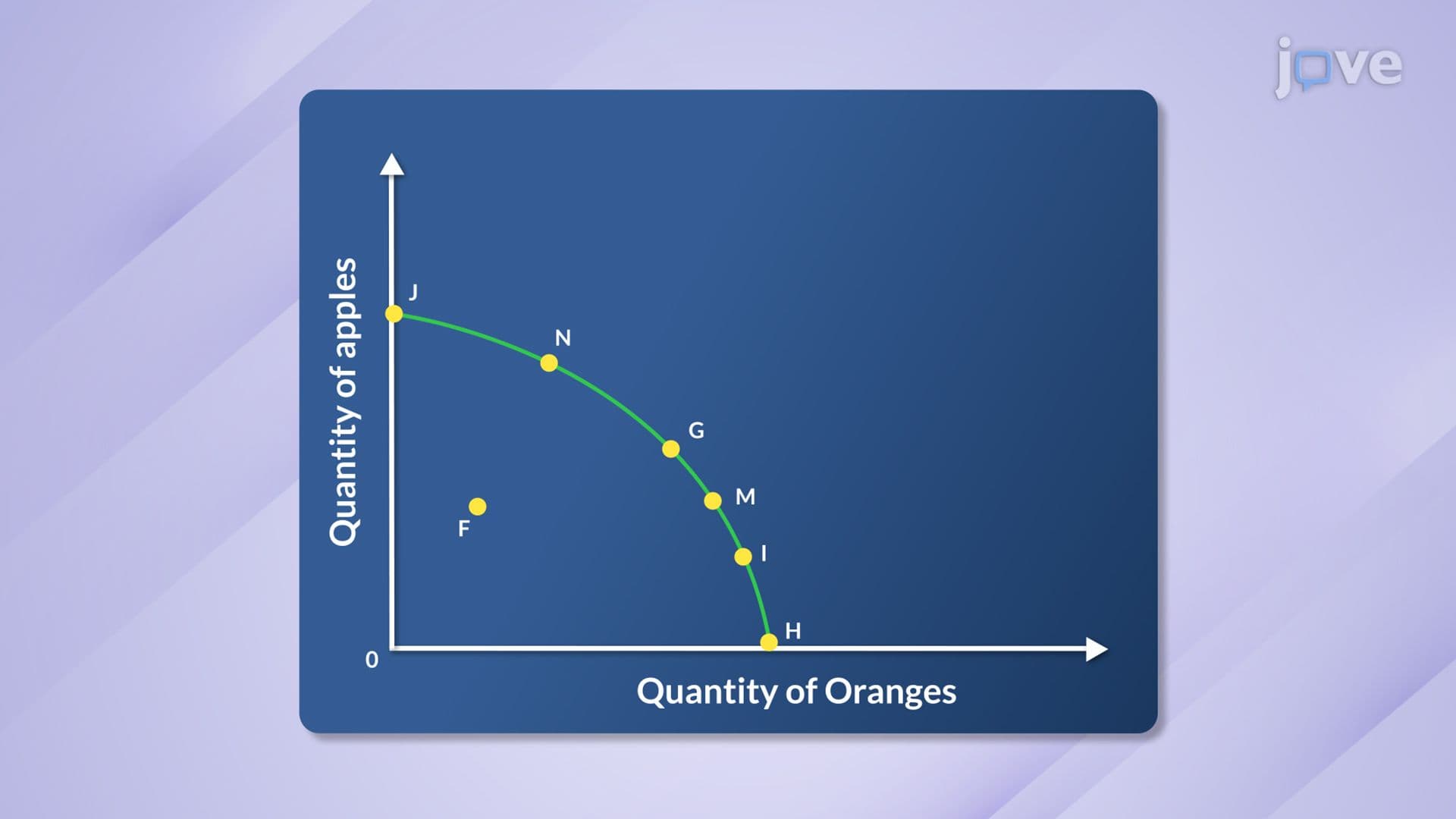
Ever wonder why economists say a situation where one billionaire owns everything could still be "efficient"? Pareto efficiency occurs when resources are allocated so that improving one person's situation becomes impossible without making someone else worse off. Consider the U.S. housing market: if every family has their ideal home through voluntary trades, the allocation is Pareto-efficient-even if some families live in mansions while others rent studios. Watch the full video on JoVE Coach to master this concept with expert-led visuals and step-by-step explanations.
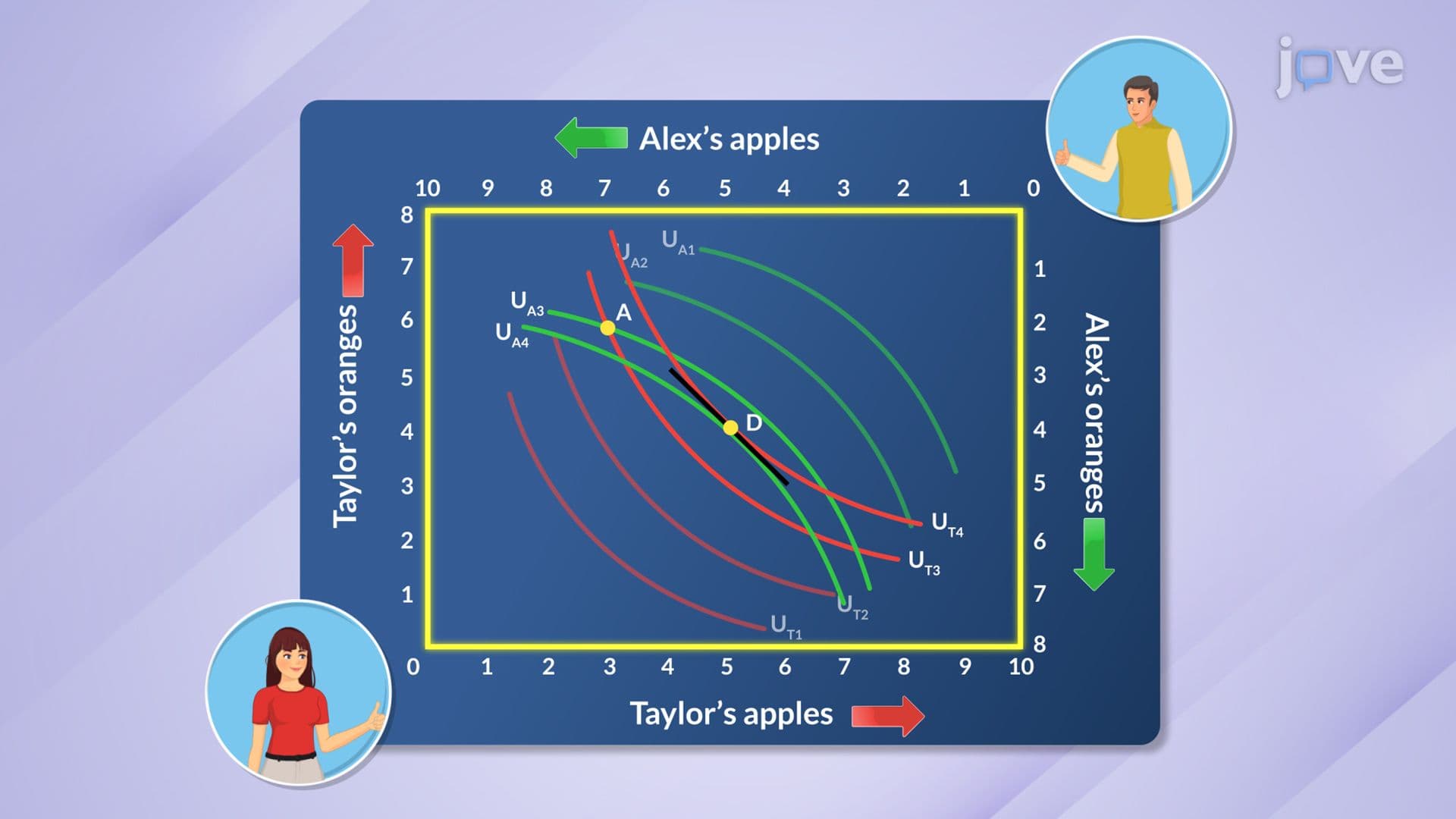
Pareto efficiency represents one of economics' most fundamental concepts for evaluating resource allocation. Named after Italian economist Vilfredo Pareto, this principle establishes that an allocation is efficient when no reallocation can improve at least one person's welfare without reducing another's. This seemingly simple definition carries profound implications for how we understand markets, policy, and economic welfare.
The concept operates independently of fairness considerations. A distribution where Jeff Bezos owns 90% of U.S. wealth while millions struggle financially could theoretically be Pareto-efficient if redistributing his wealth would make him worse off. This stark reality highlights why Pareto efficiency serves as a measure of allocative efficiency, not social justice.
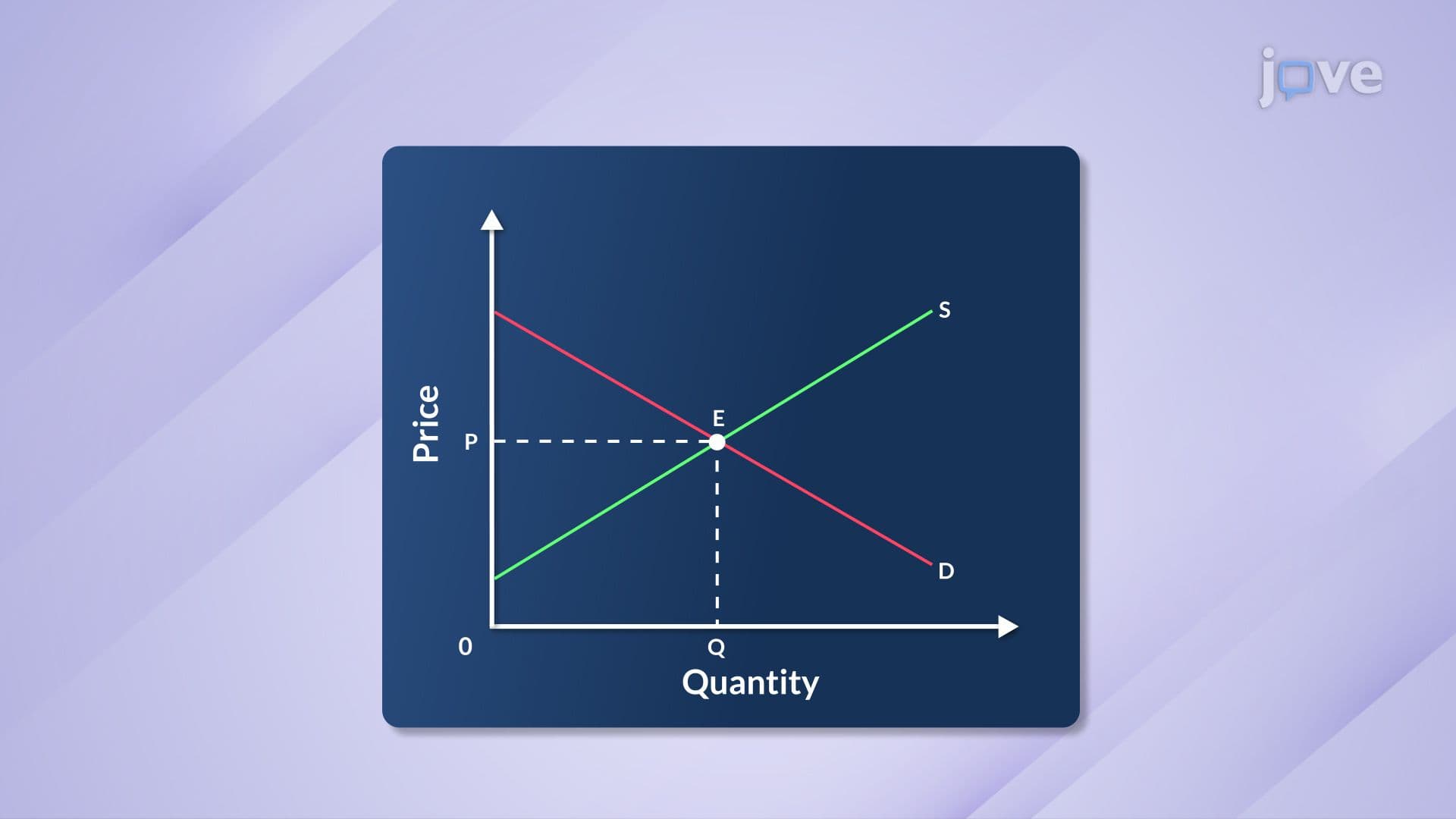
In perfectly competitive markets, voluntary trading naturally drives allocations toward Pareto efficiency. Consider the U.S. stock market: when Apple shareholders trade with Google investors, both parties benefit until no further mutually beneficial trades exist. At that point, the allocation becomes Pareto-efficient.
However, real markets rarely achieve perfect Pareto efficiency due to transaction costs, information asymmetries, and market power. The 2008 financial crisis exemplified Pareto inefficiency-mortgage-backed securities created situations where better allocations could have improved outcomes for homeowners, investors, and taxpayers simultaneously.
Economists use Pareto efficiency to identify "Pareto improvements"-changes that benefit at least one person without harming others. U.S. trade policies often aim for such improvements. When the North American Free Trade Agreement (NAFTA) was implemented, economists argued it created Pareto improvements by allowing countries to specialize in comparative advantages.
For AP Economics students, Pareto efficiency appears frequently in microeconomics questions about market efficiency and deadweight loss. College-level courses explore welfare economics theorems showing how competitive equilibria achieve Pareto efficiency under specific conditions. MCAT test-takers encounter these concepts in behavioral economics passages, while business school students apply Pareto analysis to organizational resource allocation.
Understanding this concept helps students recognize when markets work efficiently and when government intervention might create improvements-crucial knowledge for economics majors and future policy makers.
Related Micro-courses