Loading subject page…


4,328 views


Video Summary: What Is Second Welfare Theorem
Did you know that the U.S. government's Earned Income Tax Credit program redistributes $70 billion annually while still allowing free markets to operate efficiently? The second welfare theorem explains how society can achieve both fairness and economic efficiency by redistributing initial resources rather than controlling prices. Consider how housing vouchers help low-income families access better neighborhoods without disrupting rental market prices-this demonstrates the second welfare theorem in action. Watch the full video on JoVE Coach to master this concept with expert-led visuals and step-by-step explanations.
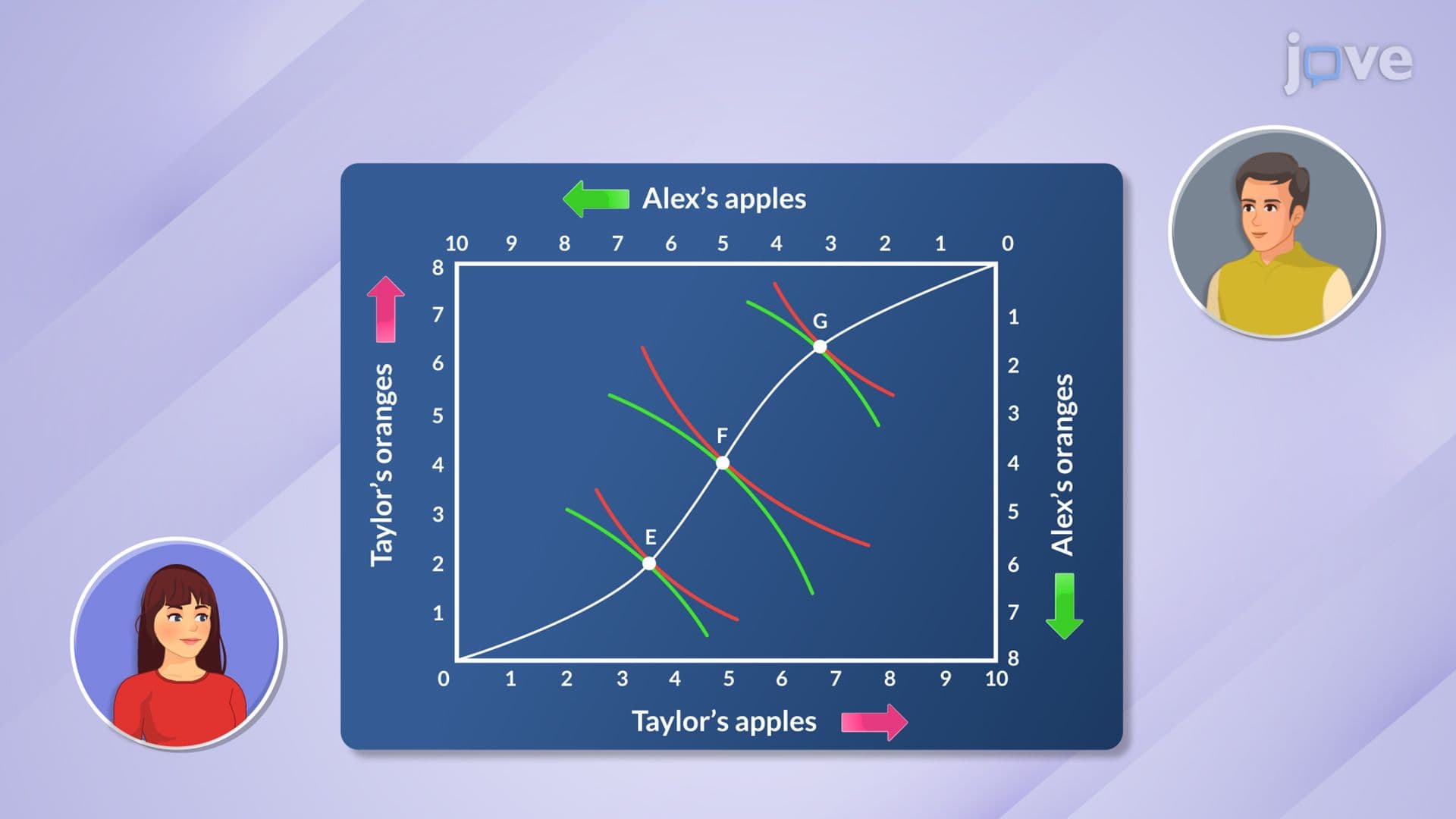
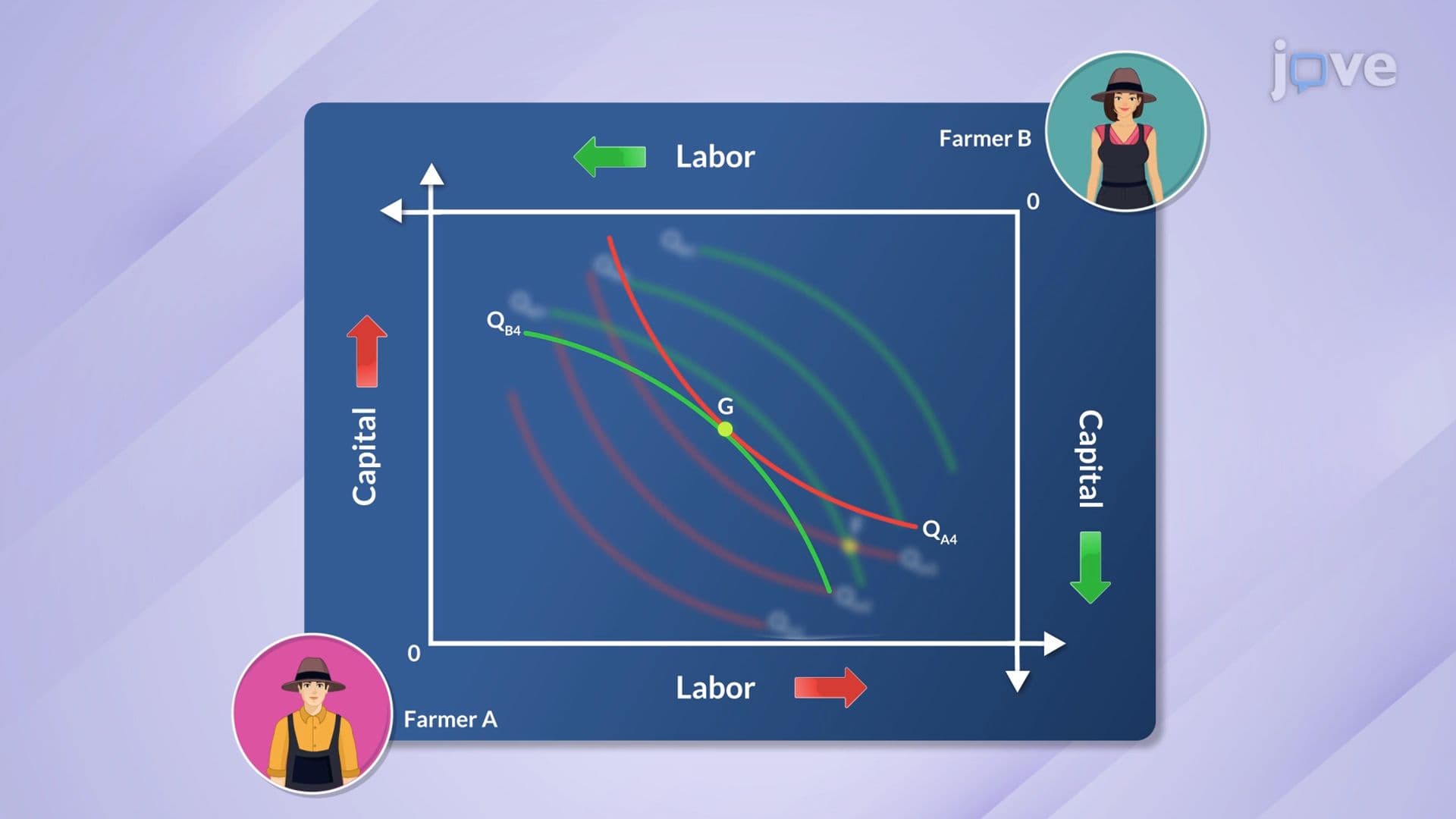
The Second Welfare Theorem represents one of economics' most elegant solutions to balancing efficiency with fairness. While the First Welfare Theorem demonstrates that competitive markets naturally achieve efficient outcomes, it says nothing about whether those outcomes are fair or equitable. The Second Welfare Theorem fills this gap by proving that any efficient allocation can be achieved through redistribution of initial resources, allowing markets to maintain their efficiency-generating properties.
This theorem is particularly relevant for AP Economics students and college microeconomics courses, where understanding the relationship between efficiency and equity forms a cornerstone of policy analysis. The concept frequently appears on AP Economics exams and college midterms, often in questions about government intervention and market outcomes.
American economic policy provides numerous examples of Second Welfare Theorem principles in action. The Supplemental Nutrition Assistance Program (SNAP) redistributes purchasing power to low-income families while allowing them to make choices in competitive food markets. Similarly, education voucher programs in states like Florida and Wisconsin redistribute resources for schooling while maintaining market competition among schools.
Consider Silicon Valley's housing crisis: rather than implementing rent controls (which create inefficiencies), economists often recommend housing vouchers or direct cash transfers that redistribute resources while preserving market price signals. This approach aligns with the Second Welfare Theorem's emphasis on redistribution over price intervention.
The theorem requires several strict conditions: perfect information, no transaction costs, and perfectly competitive markets. In reality, these conditions rarely hold completely. Information asymmetries make it difficult to determine optimal redistribution amounts, while transaction costs can make redistribution expensive to implement.
Administrative challenges also complicate real-world applications. Determining who deserves redistribution and in what amounts requires complex means-testing and bureaucratic oversight. The U.S. tax system's complexity partly reflects these challenges-achieving redistribution while maintaining work incentives requires careful policy design.
For standardized tests and college exams, focus on the theorem's core insight: redistribution can achieve equity without sacrificing efficiency, provided it occurs through initial endowments rather than market interference. Practice distinguishing between policies that follow Second Welfare Theorem principles (like the Earned Income Tax Credit) versus those that don't (like price ceilings or floors).
Related Micro-courses