Loading video…

 6 Concepts
 2.9K views

Video Summary: Presenting Team Achievements with Impact
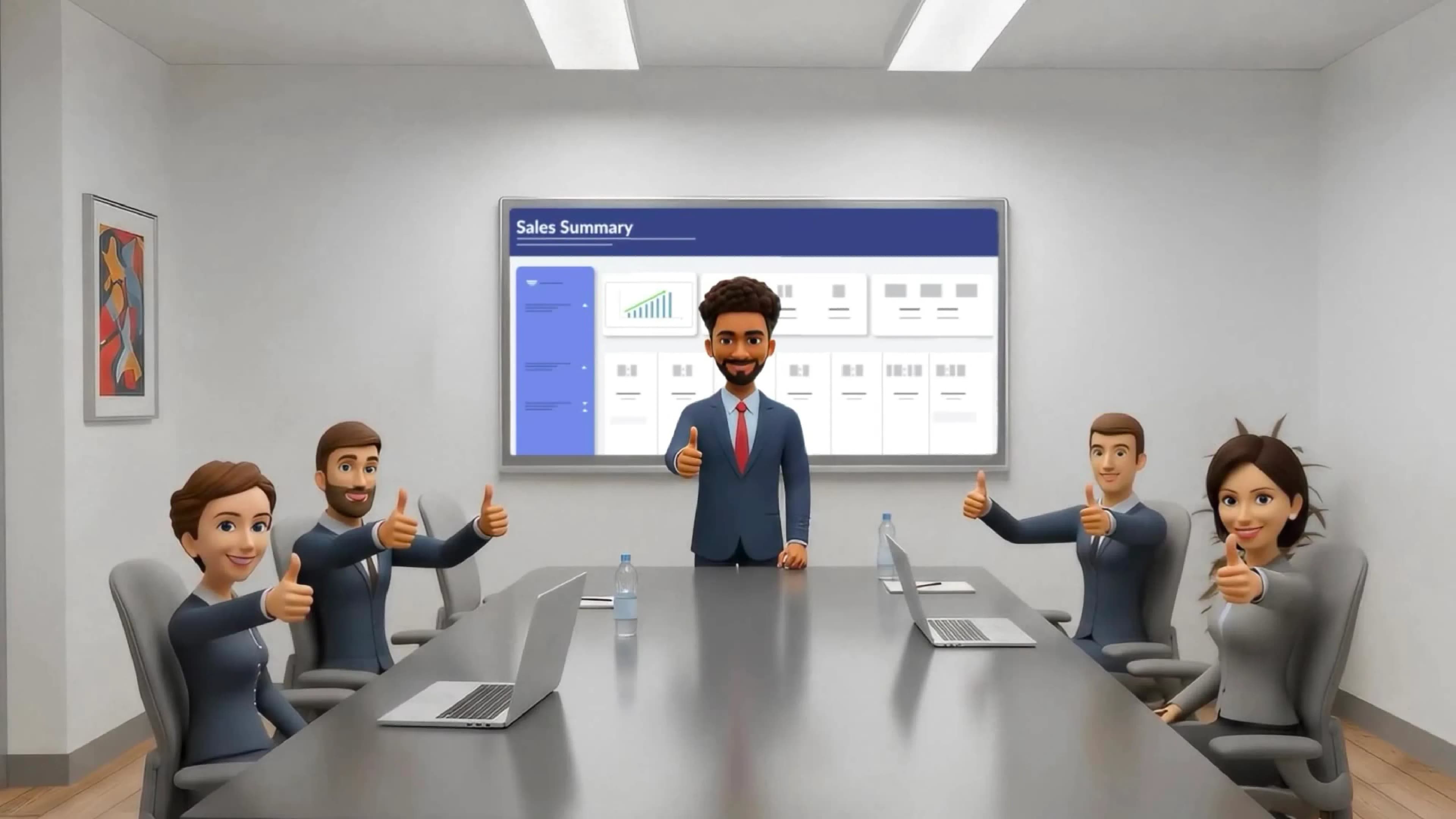
Presenting team achievements with impact means combining measurable results, clear explanations of challenges overcome, and engaging visuals to make your team's work resonate with senior leaders and cross-functional stakeholders. A strong presentation connects outcomes to company goals, uses concrete examples and data visualizations, and brings authenticity through testimonials and interactive elements. For first-time managers, this skill ties closely to communicating with senior leaders effectively.
Start by framing your team's measurable outcomes in terms of the organization's goals and vision. When the audience sees how your work advances broader priorities, results feel relevant rather than isolated. This approach to aligning team priorities with organizational goals anchors the entire presentation.
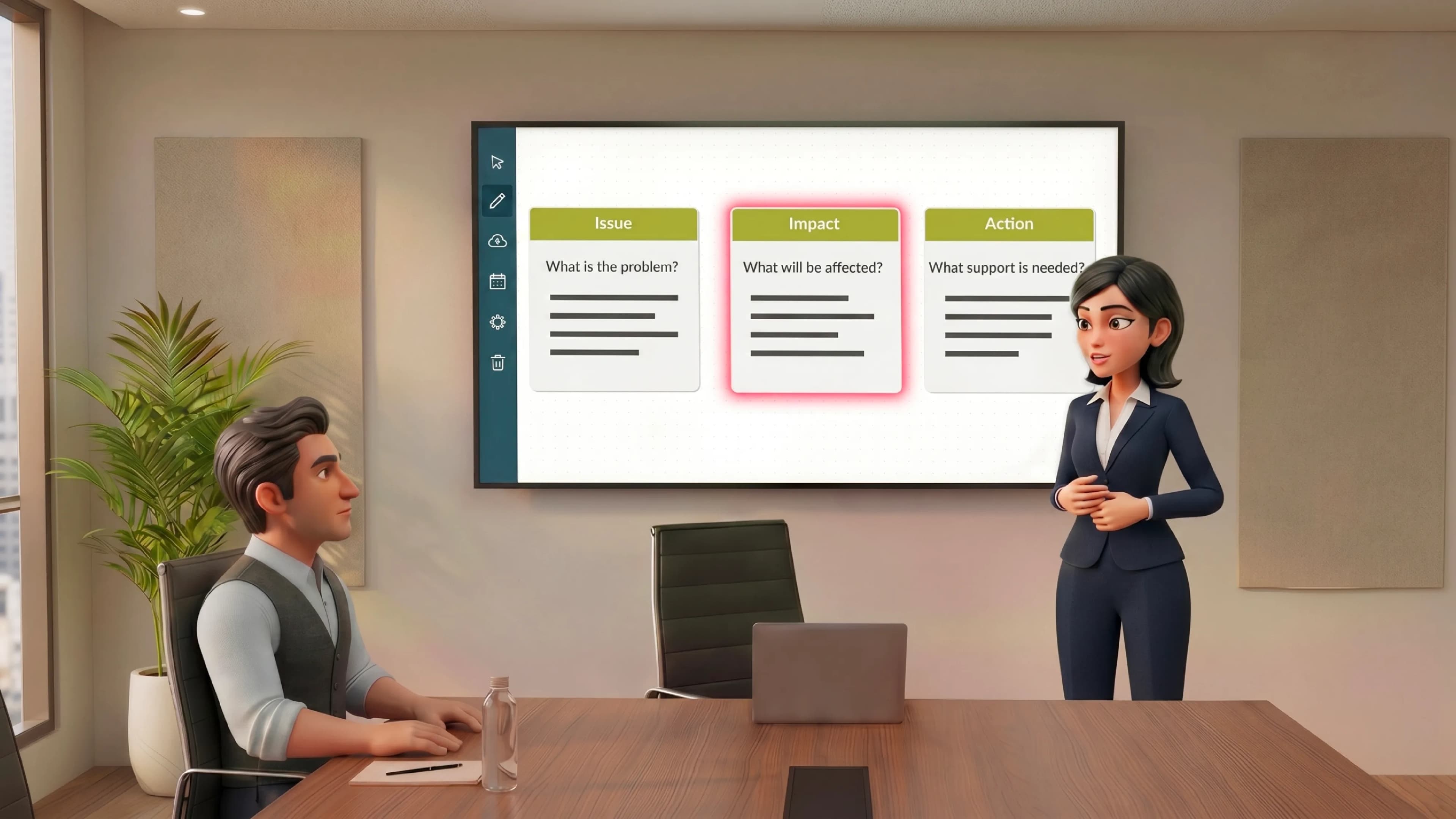
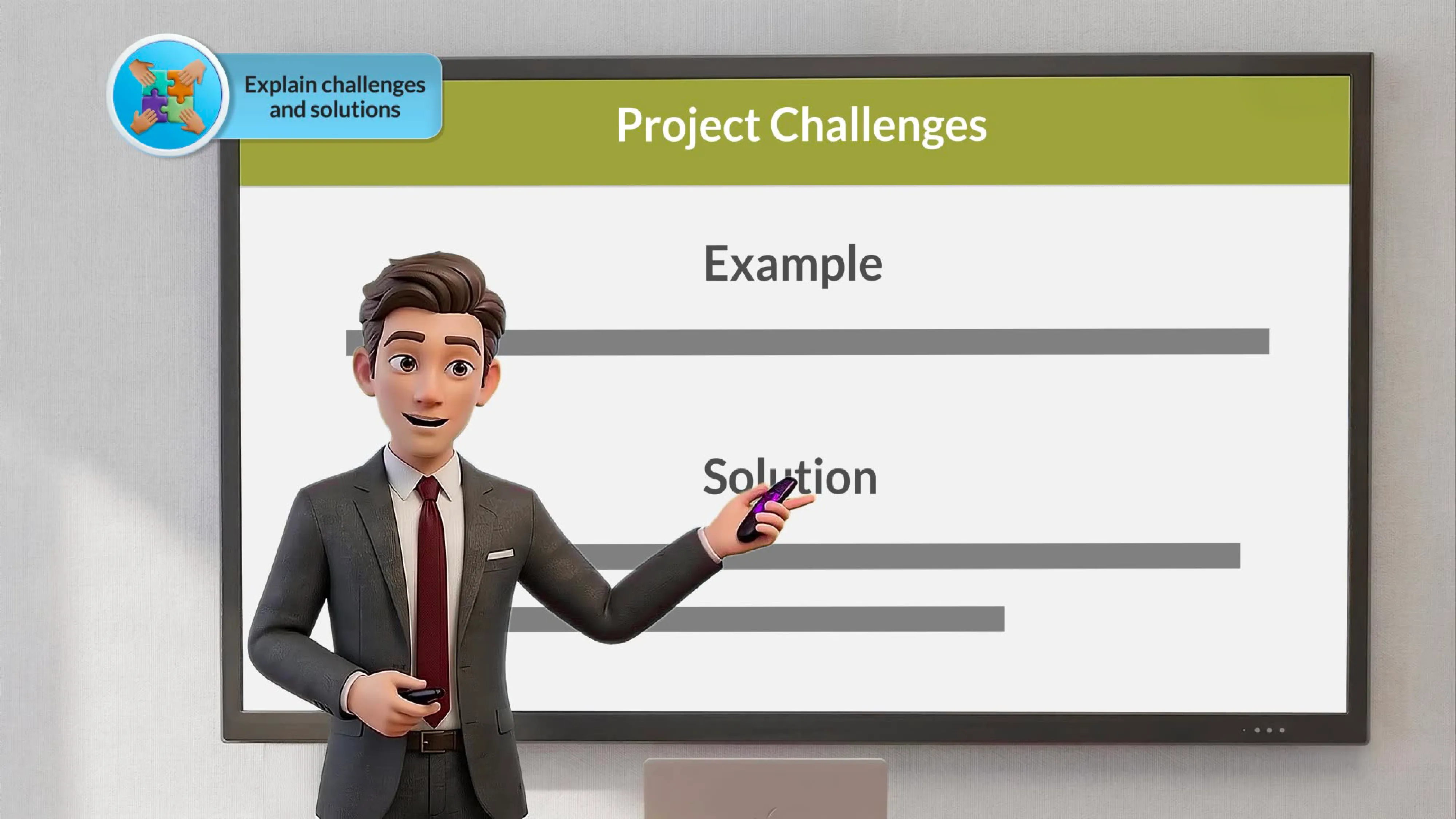
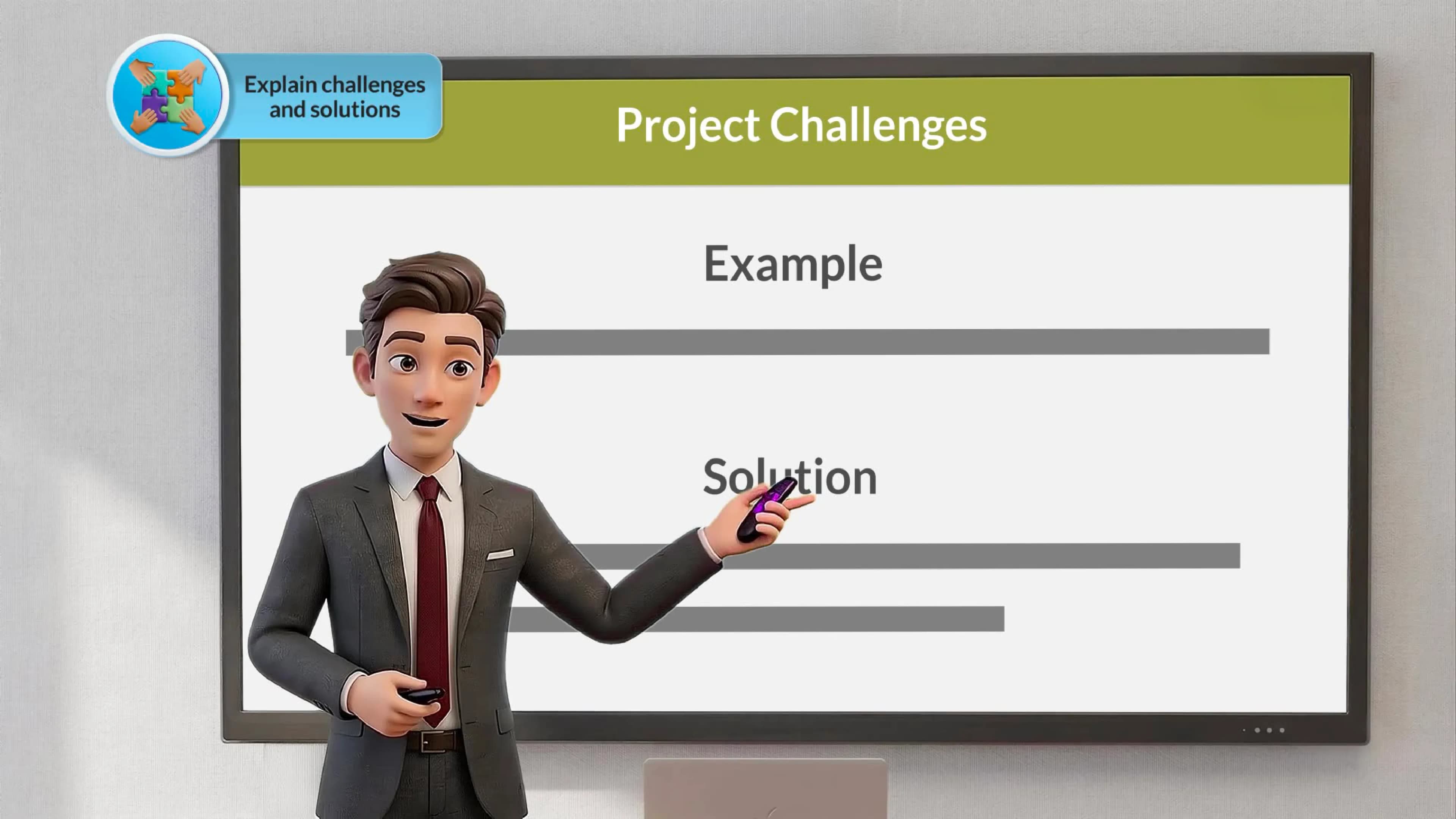
Describe the obstacles your team encountered and the practical steps taken to resolve them. This shows senior leaders and stakeholders that results came from deliberate problem-solving, not luck. Knowing when to raise a concern is part of escalating issues professionally, a skill that complements this narrative.
Pair data points with brief, relatable examples to make numbers meaningful. Without context, statistics can lose an audience quickly. Short illustrations help people connect figures to real outcomes, keeping the room engaged and the message clear throughout the presentation.
Dashboards, infographics, and progress charts make both quantitative and qualitative success visible at a glance. Visual formats reduce cognitive load and let stakeholders absorb complex information quickly. This builds on habits formed through tracking team performance and feedback on a regular basis.
Short video clips and team member testimonials give the presentation a human dimension that data alone cannot provide. Hearing directly from people involved in the work adds credibility and makes achievements more compelling. This is also a practical way of building influence across teams by letting others speak to shared results.
Customer feedback and ratings bring the audience into the presentation as active participants rather than passive listeners. Interactive elements highlight real-world impact and signal that the team's work created measurable value beyond internal metrics, giving stakeholders a concrete reason to take notice.
Related Micro-courses