Loading subject page…

- New Manager Essentials
- Managing Team Operations and Priorities
- Planning Projects as a First-Time Manager
Micro-course: Managing Team Operations and Priorities
2,742 views
Learn key concepts and earn your certificate.



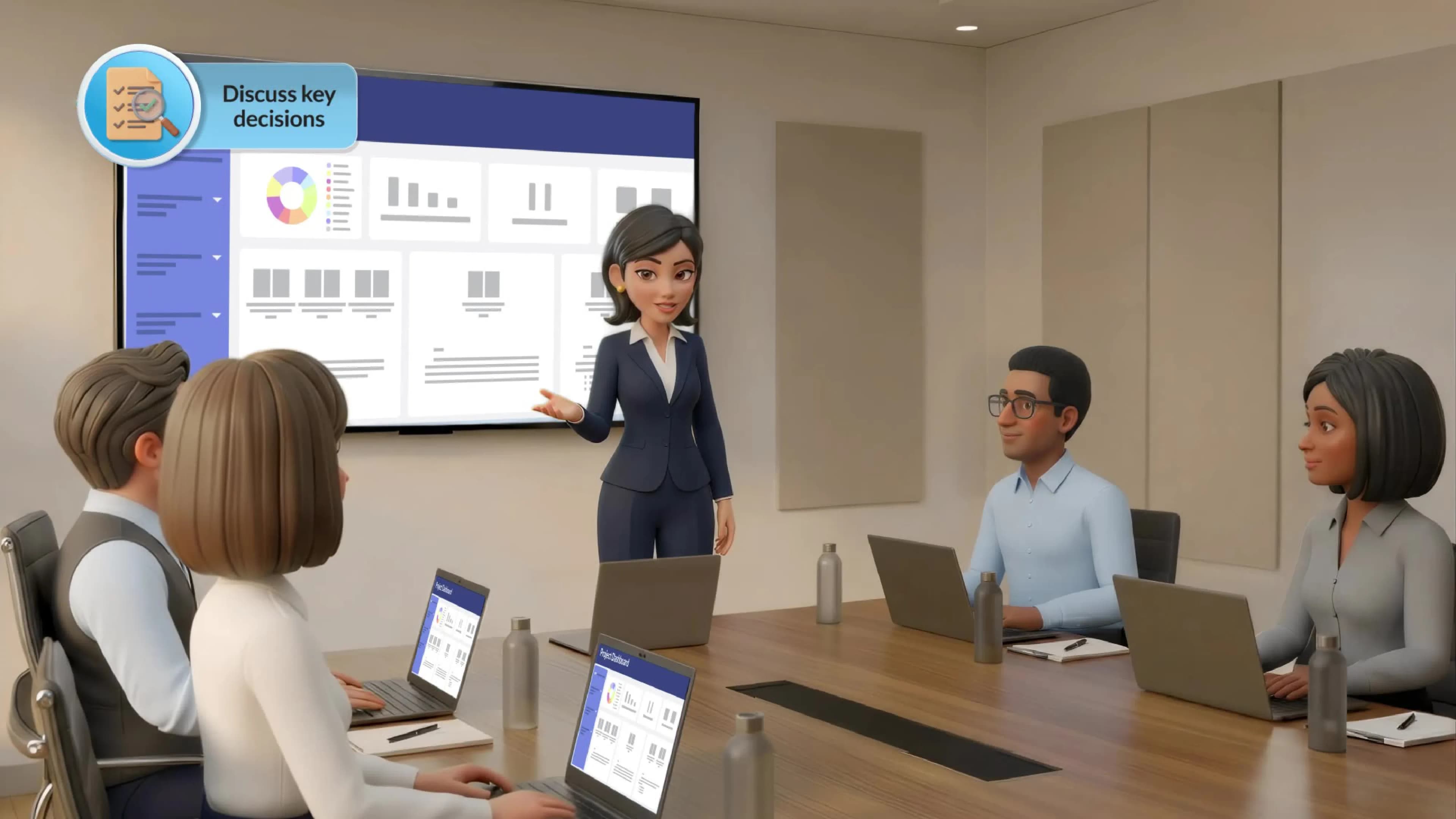





Planning Projects as a First-Time Manager


00:00
01:15
Video Summary: Planning Projects as First Time Manager
When first-time managers transition from single project oversight to juggling multiple initiatives simultaneously, project planning for first-time managers becomes mission-critical. Without systematic coordination approaches, competing deadlines and interdependent deliverables quickly spiral into chaos, missed milestones, and team frustration. This breakdown explores essential frameworks for managing multiple projects as manager, including dashboard utilization, dependency mapping, and priority matrix application for sustainable project coordination. Watch the full video on JoVE Coach to master this concept with expert-led visuals and step-by-step explanations.
- Manage project interdependencies using visual mapping to prevent cascading delays across concurrent initiatives
- Structure priority matrices that balance urgency versus impact for effective resource allocation decisions
- Build comprehensive project dashboards that provide real-time visibility into deadlines, risks, and progress indicators
- Navigate competing stakeholder demands while maintaining clear project scope boundaries and realistic timelines
- Delegate project tasks strategically based on team capacity, skill alignment, and cross-project dependencies
- Facilitate regular cross-project coordination meetings to identify bottlenecks before they impact delivery dates
- Handle scope creep and changing requirements across multiple projects without compromising team performance
- Align project outcomes with broader organizational objectives while maintaining individual project integrity
Project Planning for First-Time Managers: Managing Multiple Projects
Picture this: You've just been promoted to manager after successfully delivering individual projects as a senior contributor. Suddenly, you're responsible for three concurrent initiatives with overlapping deadlines, shared team members, and stakeholders who each believe their project is the top priority. This transition from single-project focus to multi-project orchestration represents one of the most challenging aspects of early management-and where most new managers struggle.
Why Most First-Time Managers Struggle With Multi-Project Coordination
The fundamental challenge isn't time management-it's systems thinking. Managing multiple projects as manager requires shifting from linear task execution to dynamic resource optimization across competing priorities. Most first-time managers attempt to apply single-project methodologies to multi-project environments, leading to constant firefighting, missed dependencies, and team burnout.
The root issue lies in mental model adaptation. Individual contributors excel by diving deep into specific deliverables. Managers must maintain helicopter-view perspective while orchestrating interconnected workstreams. This cognitive shift, combined with increased stakeholder complexity, creates the perfect storm for project chaos.
A Framework That Actually Works: The MPM Matrix
Successful first-time manager project planning relies on the Multi-Project Management (MPM) Matrix-a systematic approach combining four essential elements: visibility, dependency mapping, priority optimization, and resource allocation.
Visibility starts with consolidated project dashboards displaying real-time status across all initiatives. Effective dashboards highlight completion percentages, upcoming milestones, risk indicators, and resource utilization rates. This single-source-of-truth prevents information fragmentation and enables data-driven decision making.
Dependency mapping involves creating visual representations of cross-project task relationships. When Project A's design completion enables Project B's development phase, these connections must be explicit and monitored. Use RACI matrices to clarify responsibility boundaries and prevent coordination gaps.
Priority optimization employs the Eisenhower Matrix adapted for multi-project environments. Classify tasks by urgency and impact, but add a third dimension: cross-project influence. Tasks that unlock progress across multiple initiatives automatically receive elevated priority status, regardless of individual project importance.
Implementing Multi-Project Success in Your Next Planning Cycle
Begin each week with a cross-project standup reviewing dependencies, resource conflicts, and priority shifts. Establish clear escalation paths for scope changes that impact multiple initiatives. Create buffer time within project timelines to absorb inevitable cross-project delays.
Most importantly, communicate project interdependencies to stakeholders proactively. When stakeholders understand how their requests impact other initiatives, they make more informed priority trade-off decisions and reduce unrealistic demand pressure on your team.
Frequently Asked Questions
It's the systematic approach to coordinating multiple concurrent initiatives while managing resource constraints and stakeholder expectations. Unlike individual contributor project work, managerial project planning focuses on cross-project optimization, dependency management, and team capacity allocation rather than individual task execution.
Apply the impact-urgency matrix with a cross-project lens-prioritize tasks that unlock progress across multiple initiatives first. Communicate openly with stakeholders about trade-offs, providing specific examples of how accelerating one project impacts others. Create shared priority frameworks that stakeholders help establish and agree to honor.
Start with consolidated dashboards that show all project statuses in one view-whether through project management software or simple spreadsheets. Focus on visibility and dependency tracking over complex features. The key is consistent updating and team accessibility, not tool sophistication.
Map dependencies visually during project initiation, asking "What must happen before this can start?" for every major deliverable. Conduct weekly cross-project reviews specifically focused on upcoming dependencies. Involve team members in dependency identification-they often spot operational connections managers miss.
Acknowledge the complexity openly and establish clear context-switching protocols. Implement time-blocking where team members focus on one project per day or half-day when possible. Regularly review workload distribution and adjust project timelines based on actual capacity, not ideal capacity.
No, but you need to shift from execution mindset to orchestration mindset. Your individual contributor project experience provides valuable foundation knowledge-you understand project phases, common risks, and quality standards. Focus on developing systems thinking and stakeholder communication skills to bridge the gap.
It demonstrates strategic thinking, resource optimization, and stakeholder management capabilities that senior leadership values highly. Successfully coordinating multiple projects proves you can handle increased scope and complexity, positioning you for broader management responsibilities and leadership advancement opportunities.
Develop advanced stakeholder influence skills and strategic portfolio management capabilities. Learn to align project outcomes with broader business objectives and practice communicating project trade-offs to senior leadership. These skills prepare you for director-level responsibilities and cross-functional leadership roles.
Related Micro-courses