Loading subject page…

2,762 views


Video Summary: Applying Agile Principles to People Management
Applying agile principles to people management means using collaboration, adaptation, continuous feedback, and shared ownership to keep a team responsive when priorities shift. A manager working within agile breaks work into short cycles, holds regular check-ins, reviews team progress at the end of each cycle, and involves the team in prioritization. This approach lets you respond faster to changing demands without sacrificing service quality. For a broader foundation, see planning projects as a first-time manager.
Breaking work into one-week cycles gives a team a clear, manageable scope while leaving room to adjust when client needs change. You work with the team to reprioritize tasks against the new demand, such as reducing response time, so everyone understands what matters most right now. This keeps effort focused and reduces wasted work. Learn more about how to plan and prioritize team tasks.
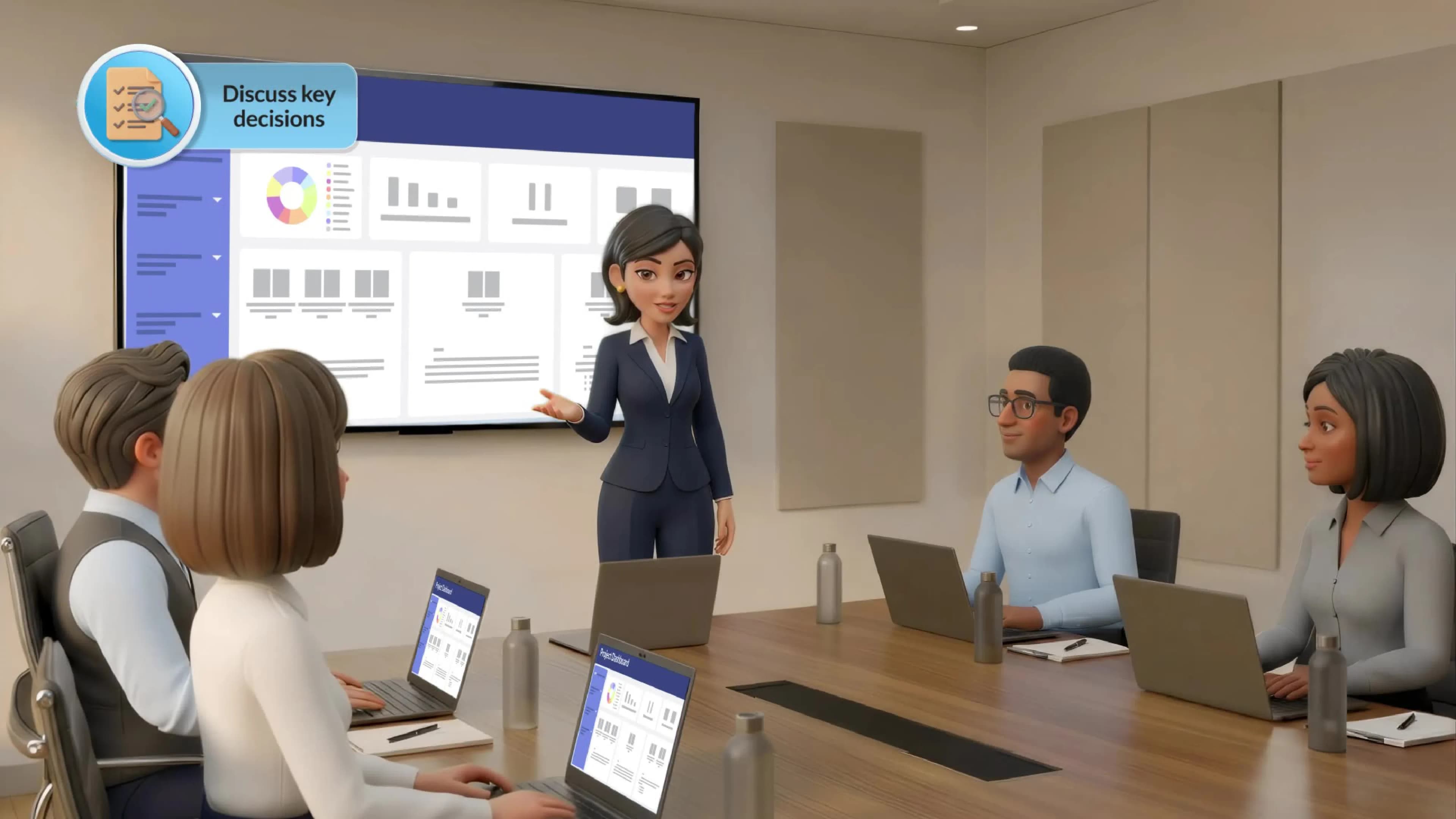
Daily stand-ups give the team a consistent, brief moment to share progress, flag blockers, and adjust plans before small problems grow. Running these check-ins keeps the whole team aligned without long meetings. The goal is rapid course-correction, not status reporting for its own sake. For guidance on structuring these sessions well, see running meetings that drive results.
At the end of each work cycle, the team reflects on what worked and identifies concrete ways to improve their process going forward. This regular rhythm of reflection prevents the same inefficiencies from repeating. It also gives team members a structured voice in how work gets done. Explore strategies for turning feedback into measurable improvement.
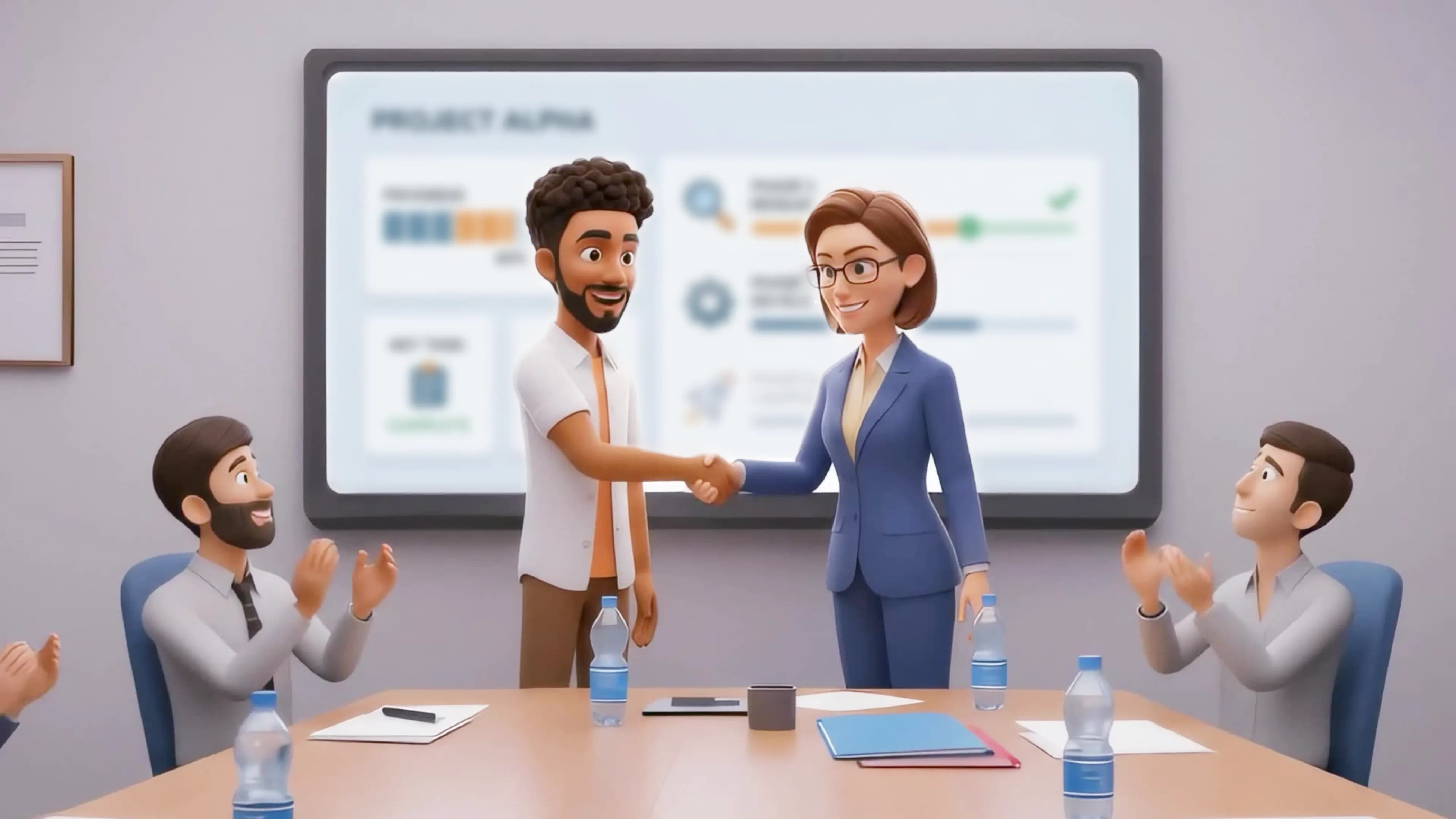
Involving team members in deciding which tasks take priority gives people a stake in the outcome, not just a list of instructions. This builds trust and raises engagement because the team understands the reasoning behind decisions and has contributed to them. The result is a team that takes responsibility rather than waiting to be directed. Supporting building trust and collaboration strengthens this dynamic further.
Related Micro-courses