Loading video…


 9 Concepts
 2.8K views

Video Summary: Planning Projects as First Time Manager
Planning projects as a first-time manager means organizing multiple concurrent projects by tracking deadlines, understanding how tasks connect across projects, and prioritizing work that creates the most forward momentum. Rather than treating each project in isolation, you learn to see the full picture, spot which tasks are prerequisites for others, and act first on the work that is both urgent and high-impact. This approach keeps decisions timely and prevents deadlines from slipping. For a closer look at structuring this kind of work, see how to plan and prioritize team tasks.
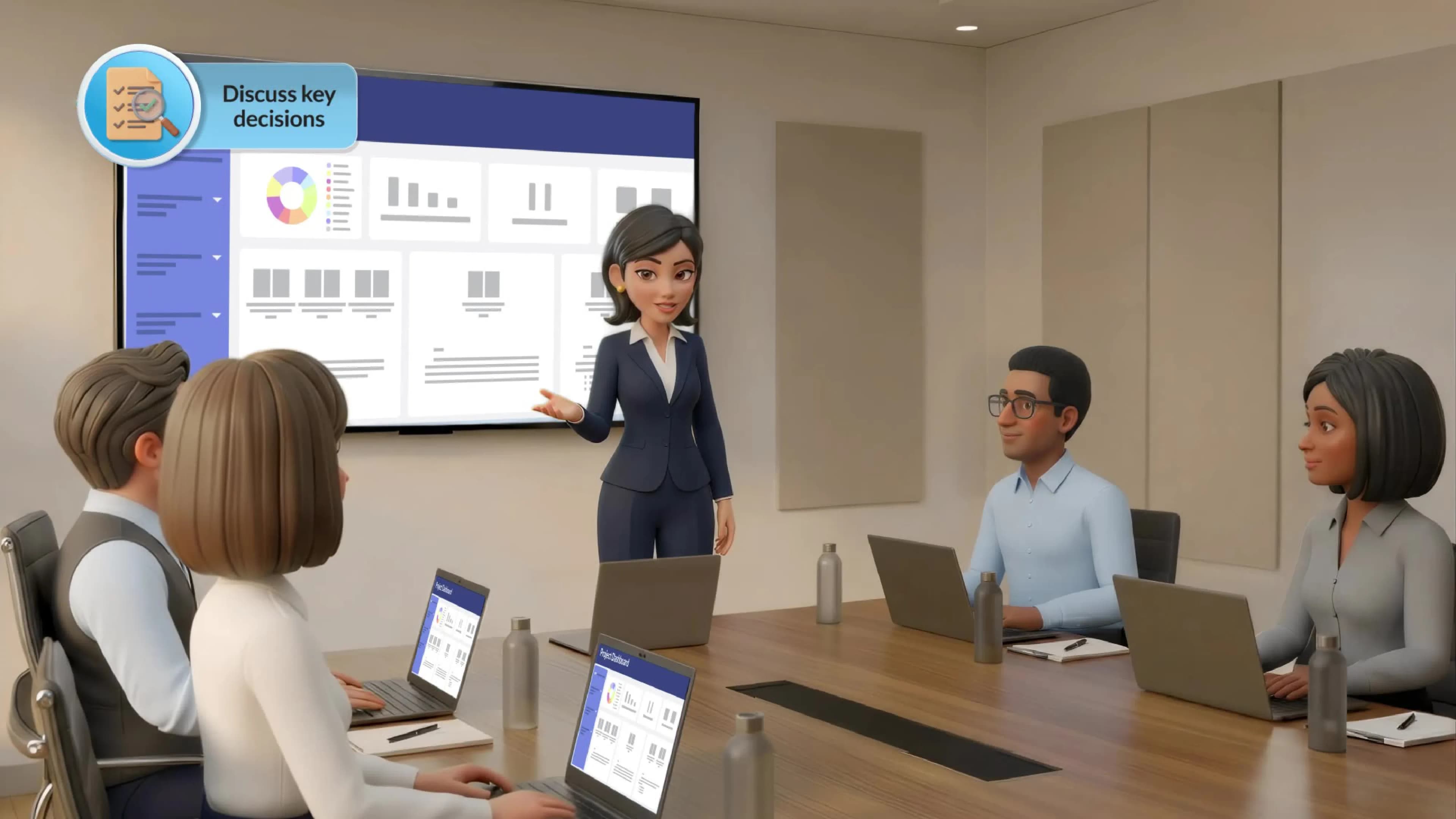
A project dashboard gives you a single view of all active projects, showing each one's deadlines, priority levels, and risk status. Starting with this overview prevents you from reacting to the loudest request instead of the most critical one, and it keeps all three dimensions visible so no project falls through the cracks. Part of reading a dashboard well is assessing operational risks alongside timelines.
Task dependencies describe situations where one task must finish before another can start, even across separate projects. Checking these connections early tells you which tasks are true blockers and which can wait. Mapping workflows for team efficiency is a practical way to make these dependencies visible before they cause delays.
Once you know what is due and what is blocked, rank tasks by two factors: how time-sensitive they are and how much downstream work they affect. A task that is both urgent and high-consequence earns top priority over routine updates or internal planning work that can wait without real cost.
Some tasks matter more than their own project because completing them opens up work in other projects simultaneously. Finishing a shared prerequisite task in one project can release parallel work in two or three others, which multiplies the value of that single effort. Knowing how to spot these blockers is closely related to identifying and fixing team bottlenecks.
Related Micro-courses