Loading subject page…


26,496 views


Video Summary: What Is Ethical Dilemmas I
Ethical dilemmas occur when healthcare professionals face impossible choices between competing moral principles. Imagine a nurse torn between respecting a teen's confidentiality about STD treatment versus parental rights to know-this exemplifies What is Ethical Dilemmas I in real nursing practice. These conflicts arise daily in US hospitals, from vaccination decisions to reproductive health choices, challenging healthcare workers to balance patient autonomy, professional duties, and legal obligations. Watch the full video on JoVE Coach to master this concept with expert-led visuals and step-by-step explanations.
Ethical dilemmas represent one of the most challenging aspects of healthcare practice, occurring when fundamental moral principles conflict and create competing courses of action. These situations force healthcare professionals to choose between equally valid ethical obligations, making them particularly complex to navigate. In the United States healthcare system, these dilemmas are increasingly common as patient rights, professional standards, and legal requirements sometimes pull practitioners in different directions.
The foundation of any ethical dilemma lies in the conflict between core bioethical principles: autonomy (respecting patient choice), beneficence (doing good), non-maleficence (avoiding harm), and justice (fair treatment). When these principles contradict each other, healthcare providers must carefully weigh their options. For instance, respecting a patient's autonomous choice might sometimes conflict with the healthcare provider's duty to prevent harm, creating genuine moral tension.
Pediatric and adolescent healthcare generates numerous ethical dilemmas, particularly around reproductive health, mental health treatment, and substance abuse care. In many US states, minors can consent to certain medical treatments without parental involvement, including STD testing and treatment, contraceptive services, and mental health counseling. This legal framework creates ethical tensions when healthcare providers must balance adolescent confidentiality rights against parental involvement preferences.
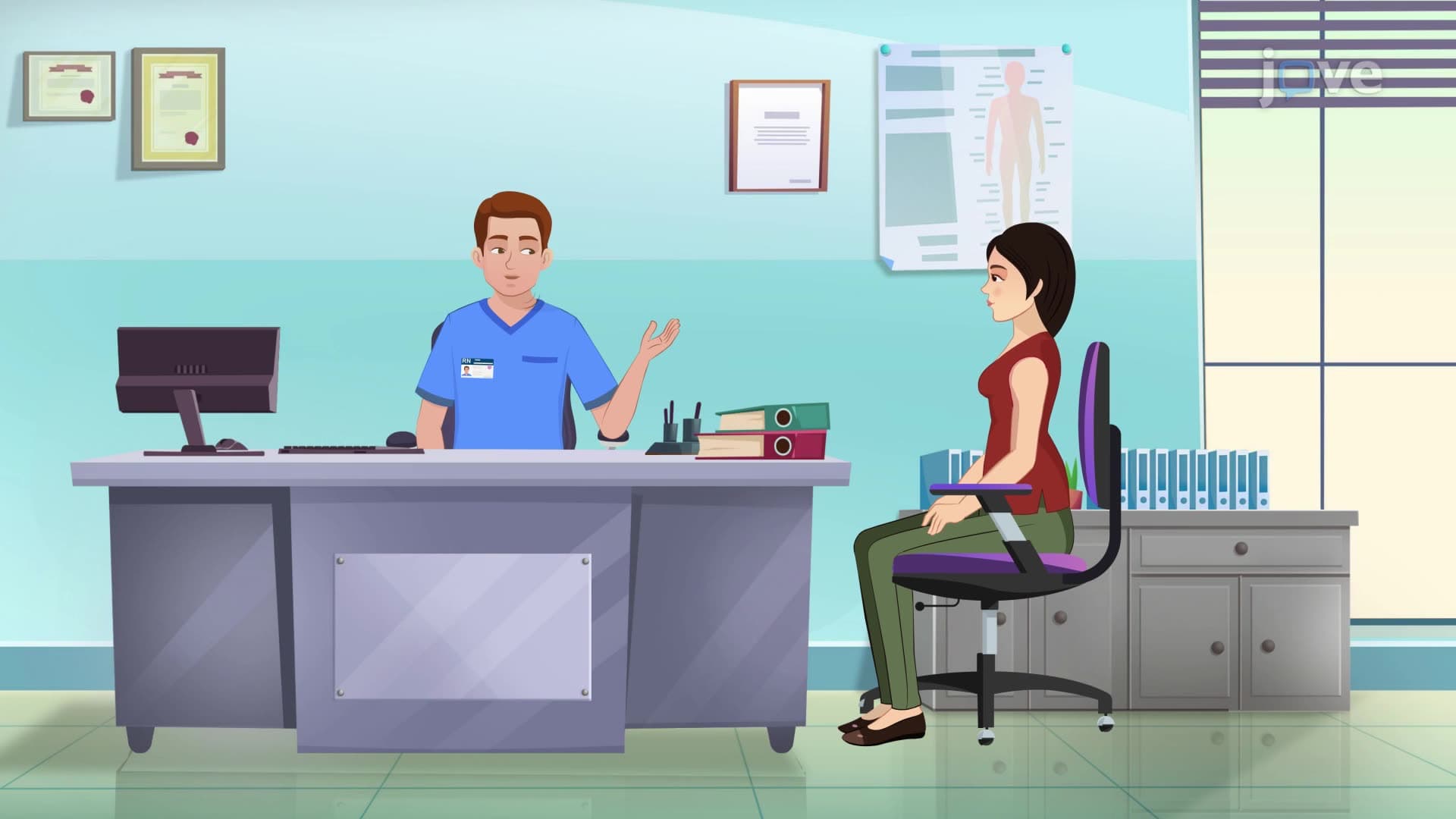
Consider a 16-year-old seeking treatment for chlamydia at a community health center in California. The adolescent specifically requests that parents not be informed, which is legally permissible under state law. However, the treating nurse practitioner knows this patient comes from a supportive family environment where parental involvement might enhance treatment compliance and emotional support. The dilemma involves respecting patient autonomy while considering whether parental involvement might serve the patient's best interests.
The intersection of public health and individual choice creates another category of ethical dilemmas. While healthcare providers have professional obligations to promote vaccination as a public health measure, they must also respect parental autonomy in medical decision-making. This balance becomes particularly challenging during disease outbreaks or when caring for immunocompromised patients who depend on community immunity.
These concepts frequently appear on nursing exams like the NCLEX-RN, medical school assessments including USMLE Step 1, and undergraduate bioethics courses. Students should practice identifying the competing principles in each scenario and articulating the reasoning behind different ethical approaches.
Related Micro-courses