Loading subject page…


26,496 views


Video Summary: What Is Ethics and Bioethics
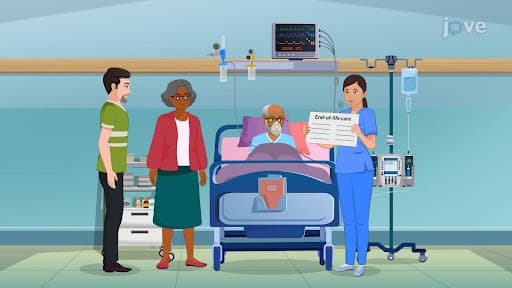
When doctors must decide whether to continue life support for a terminally ill patient, ethics and bioethics provide the moral framework for these critical decisions. Ethics encompasses the fundamental values and principles guiding human conduct, while bioethics specifically addresses ethical dilemmas in medicine and life sciences. For instance, the Tuskegee Syphilis Study scandal led to revolutionary changes in medical research ethics, establishing informed consent protocols still used in US hospitals today. Understanding what is ethics and bioethics helps future healthcare professionals navigate complex moral landscapes in clinical practice. Watch the full video on JoVE Coach to master this concept with expert-led visuals and step-by-step explanations.
Ethics and bioethics form the cornerstone of moral decision-making in healthcare and life sciences. Ethics represents a broader philosophical discipline examining moral principles that govern behavior, while bioethics specifically applies these principles to biological and medical contexts. This distinction becomes crucial when healthcare professionals face dilemmas like resource allocation during pandemics or determining treatment protocols for vulnerable populations.
Deontological ethics, developed by philosopher Immanuel Kant, emphasizes moral duties and obligations rather than consequences. In US healthcare, this theory manifests through principles like informed consent and patient autonomy. For example, emergency room physicians must respect a patient's right to refuse treatment, even if the refusal might lead to harmful outcomes. The theory evaluates actions based on their inherent rightness or wrongness, making it particularly relevant for medical professionals bound by codes of ethics like the Hippocratic Oath.
Utilitarianism focuses on maximizing overall well-being and minimizing harm through consequence-based decision-making. This theory significantly influences US public health policy, particularly during health crises. The COVID-19 pandemic exemplified utilitarian thinking when policymakers implemented mask mandates and social distancing measures, prioritizing collective benefit over individual preferences. Similarly, organ allocation systems use utilitarian principles to distribute limited resources where they can save the most lives or provide the greatest benefit.
Rights-based ethical theories distinguish between natural and conventional rights in medical contexts. Natural rights, such as the right to life and bodily autonomy, are considered inherent to human dignity. Conventional rights, like access to healthcare coverage, reflect societal values and legislative decisions. The ongoing debates about universal healthcare in the US illustrate tensions between these concepts, as advocates argue whether healthcare access represents a natural human right or a conventional benefit determined by social policy.
Virtue ethics emphasizes character traits and moral behavior, making it particularly relevant for healthcare professional development. Medical schools across the US integrate virtue ethics into curricula, focusing on cultivating traits like compassion, integrity, and wisdom. This approach appears in MCAT ethics sections and medical licensing examinations, where candidates must demonstrate understanding of professional virtues. For college students preparing for health-related careers, mastering virtue ethics concepts proves essential for both academic success and future clinical practice.
Related Micro-courses