Loading video…


 19 Concepts
 26.5K views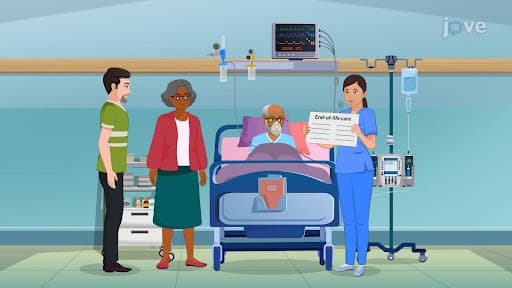

Video Summary: What Is Ethical Dilemmas Ii
When a terminally ill patient at Johns Hopkins Hospital wants comfort care while their family demands aggressive treatment, healthcare workers face complex ethical dilemmas that require systematic resolution. These situations exemplify What is Ethical Dilemmas II-advanced decision-making frameworks used in real clinical settings across American hospitals. Understanding these structured approaches helps resolve conflicts between patient autonomy, family wishes, and professional obligations. Watch the full video on JoVE Coach to master this concept with expert-led visuals and step-by-step explanations.
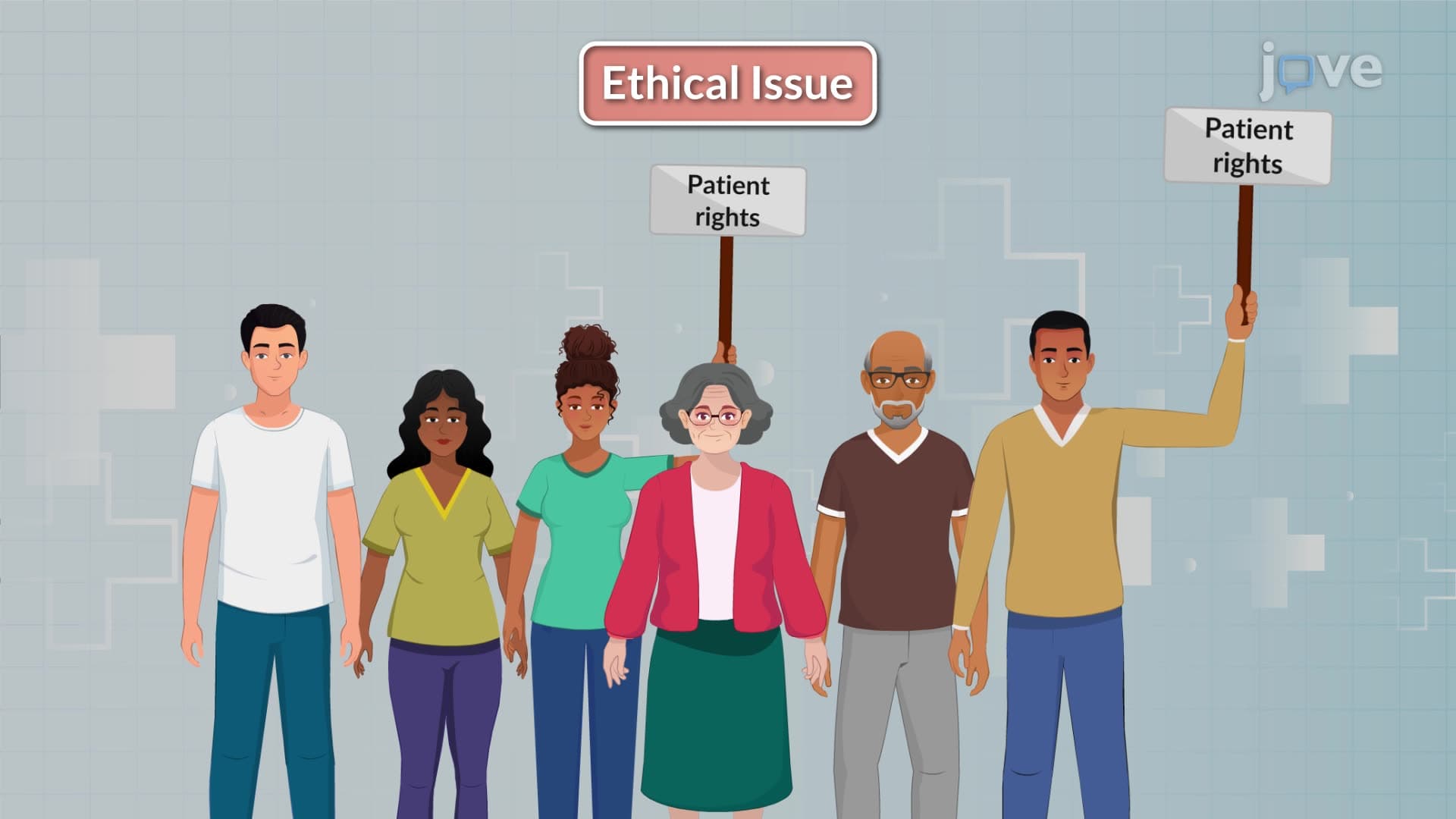
Ethical dilemmas represent complex situations where healthcare professionals must choose between competing moral principles, often with no clearly "right" answer. What is Ethical Dilemmas II builds upon foundational ethical principles by providing a structured, step-by-step approach to navigate these challenging scenarios systematically.
The ethical dilemmas definition encompasses situations requiring careful analysis of competing values. Step one involves identifying the certainty of the ethical problem-distinguishing between true dilemmas and situations with clear solutions. For instance, when a patient at Mayo Clinic expresses wishes for palliative care while family members insist on life-sustaining treatment, healthcare teams must first confirm this represents a genuine ethical conflict rather than a communication misunderstanding.
Data gathering forms the foundation of ethical decision-making. Healthcare professionals collect comprehensive information including medical records, advance directives, family histories, cultural backgrounds, and relevant religious considerations. At Cleveland Clinic, ethics committees routinely review patient charts alongside social work assessments to understand the complete picture before making recommendations.
Consulting interprofessional team members provides crucial perspective diversity. Nurses, physicians, social workers, chaplains, and ethics committee members each contribute unique insights based on their specialized training and patient interactions. This ethical dilemmas overview emphasizes that complex decisions benefit from multiple professional viewpoints.
Distinguishing facts from values and opinions requires careful analysis. Facts include objective medical data, legal requirements, and documented patient preferences. Values encompass personal beliefs, cultural traditions, and religious convictions. Opinions represent subjective interpretations that may change with additional information or different perspectives.
Creating specific dilemma statements helps clarify the core conflict. Rather than vague descriptions, effective statements identify precise competing principles: "Patient autonomy conflicts with family beneficence regarding end-of-life care decisions." This clarity guides subsequent action planning.
Action plans typically emphasize communication and education. Healthcare teams explain medical conditions, treatment options, and potential outcomes to ensure informed decision-making. At Johns Hopkins, family conferences often resolve apparent ethical conflicts by addressing misunderstandings about prognosis or treatment effectiveness.
Evaluation remains ongoing throughout the process. If initial interventions fail to resolve conflicts, teams must reassess their approach, gather additional information, or explore alternative solutions. This iterative process acknowledges that ethical dilemmas explained require flexibility and persistence rather than one-time interventions.
Related Micro-courses