Loading subject page…


26,496 views
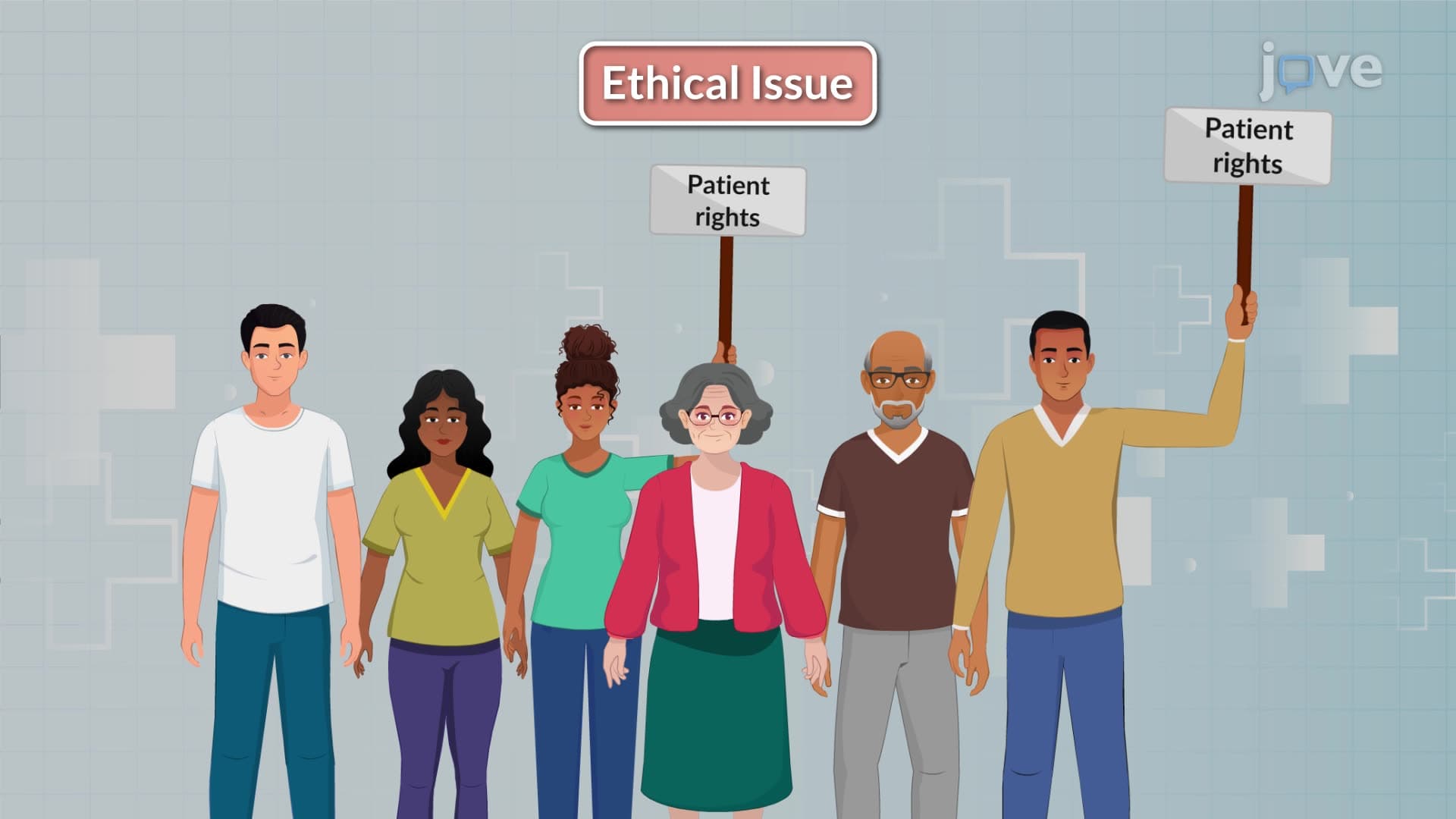

Video Summary: What Is Ethical Issues
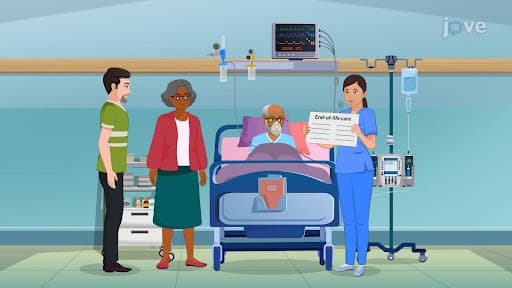
Imagine a hospital facing critical staff shortages while families demand doctors withhold a cancer diagnosis from their loved one. Ethical issues like these create profound moral dilemmas in healthcare settings across America daily. These conflicts arise when actions contradict established ethical standards, whether from resource constraints, patient autonomy violations, or cultural clashes. Consider Johns Hopkins Hospital navigating a patient's refusal of blood transfusions on religious grounds despite life-threatening consequences. Watch the full video on JoVE Coach to master this concept with expert-led visuals and step-by-step explanations.
Ethical issues represent fundamental conflicts between what medical professionals believe they should do and what external factors-whether institutional, familial, or personal-prevent them from doing. These moral dilemmas permeate American healthcare systems from rural clinics to major medical centers like Mayo Clinic and Cleveland Clinic. For students preparing for healthcare careers, understanding these conflicts becomes crucial for MCAT preparation, nursing school entrance exams like HESI A2 and TEAS, and clinical rotations.
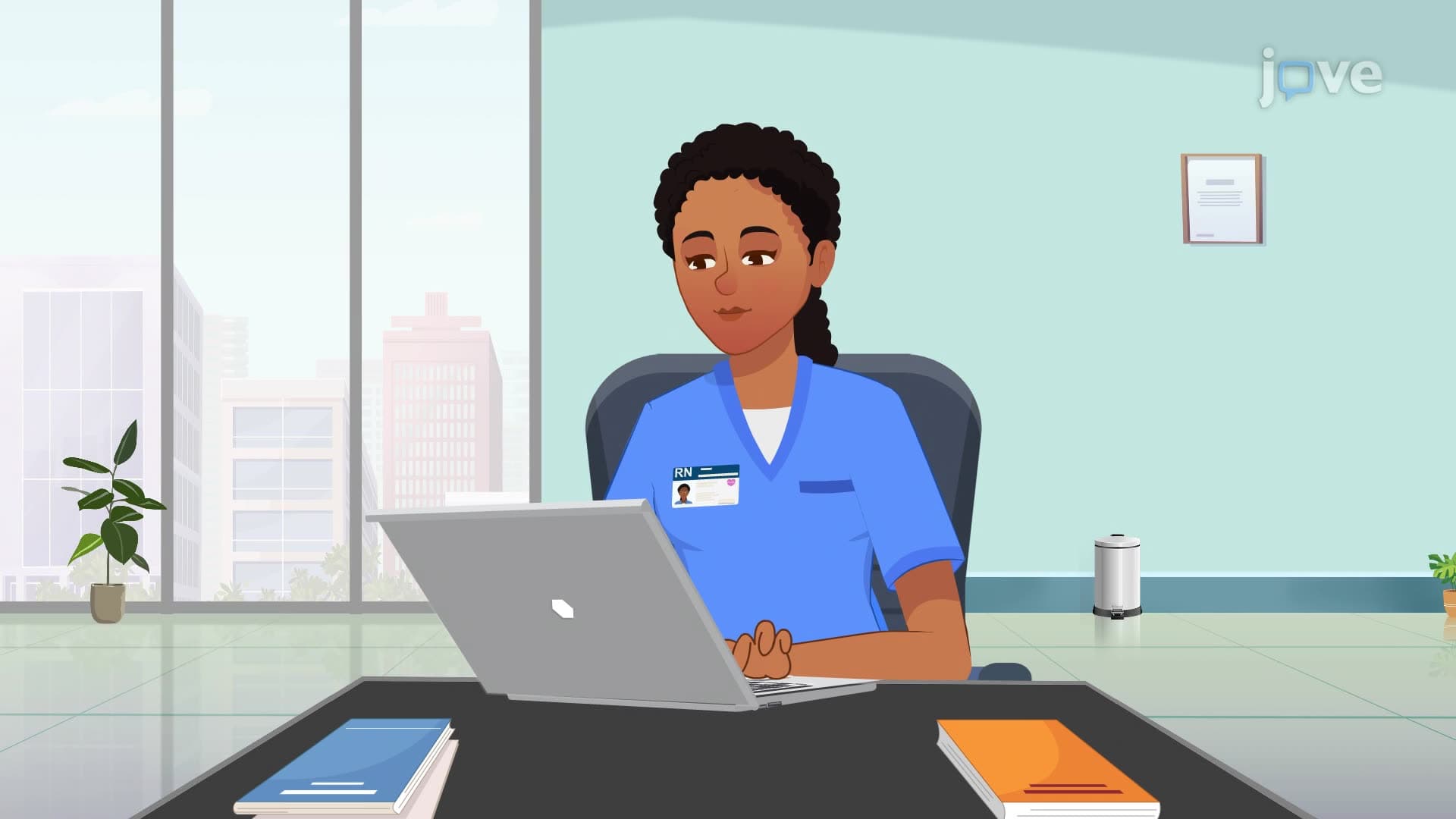
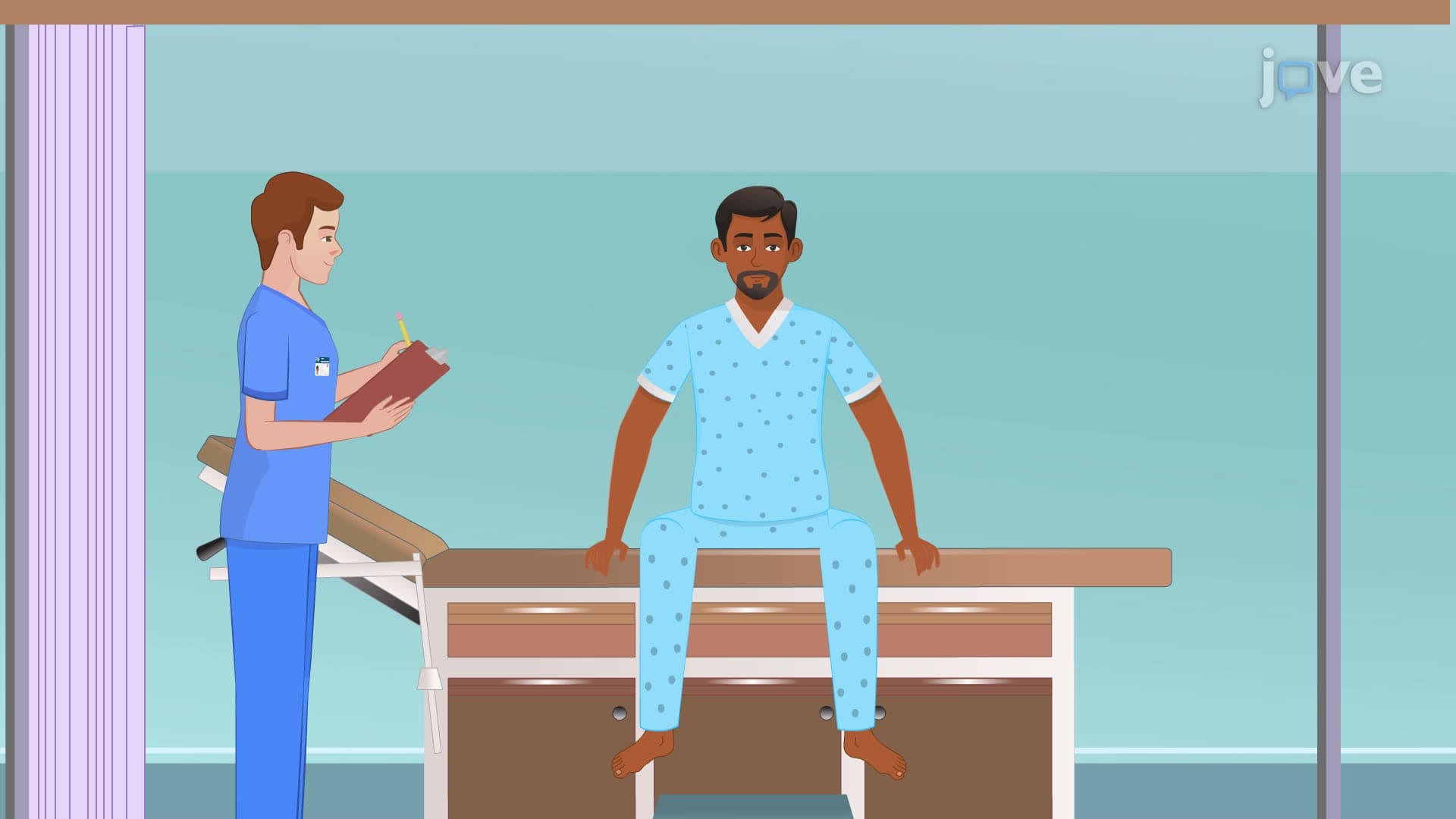
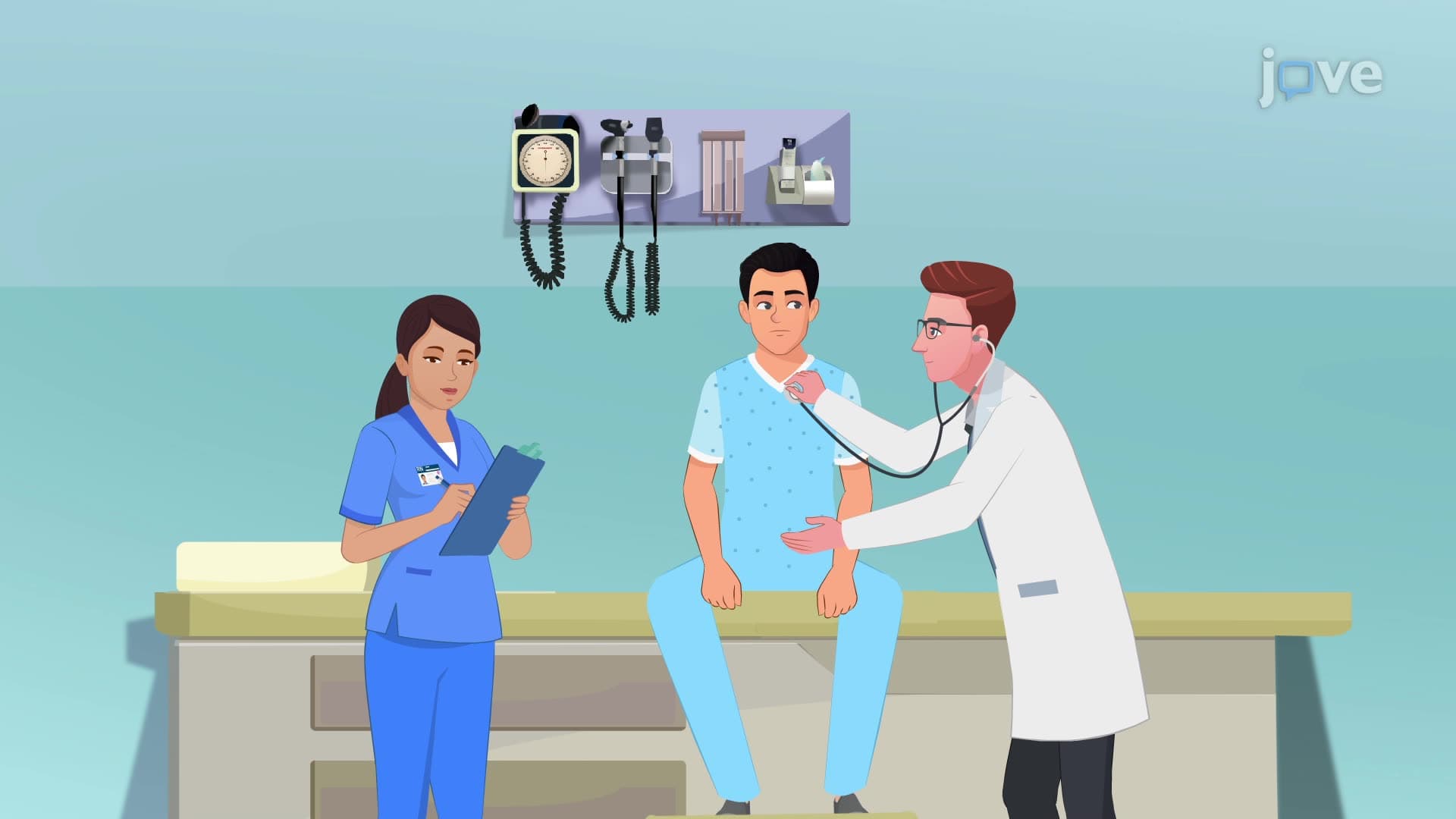
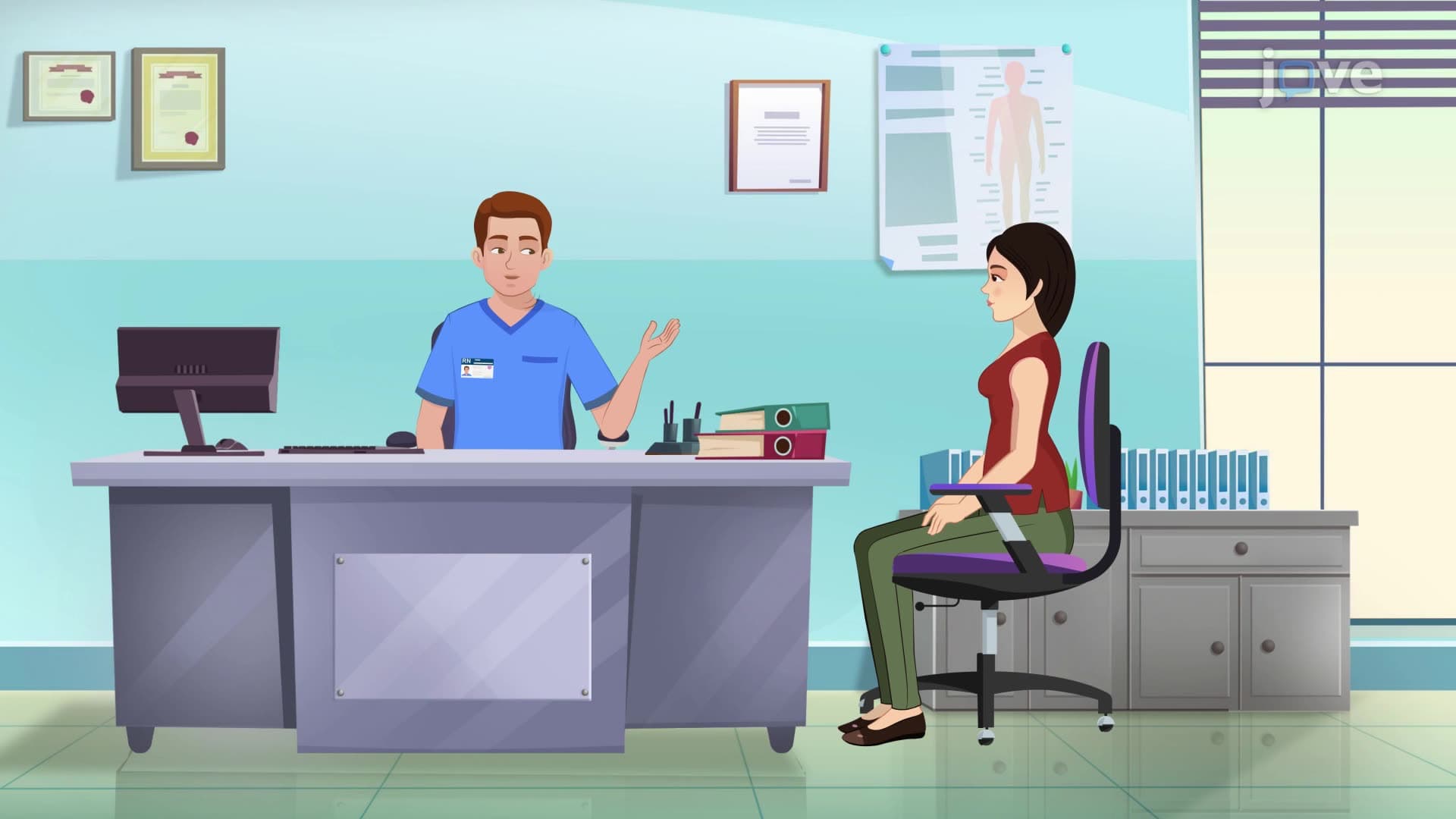
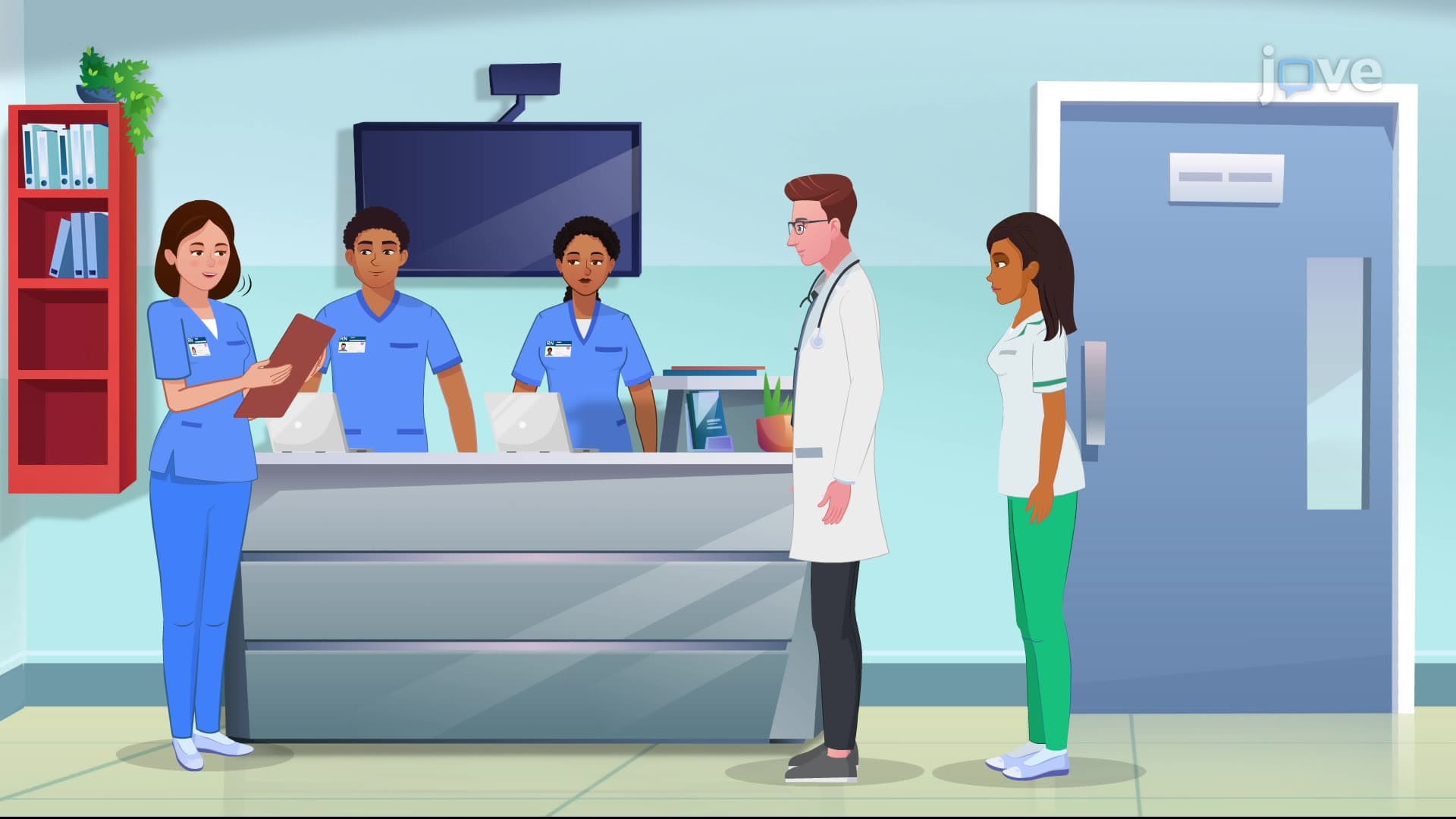
Healthcare ethical dilemmas typically fall into three primary categories. Resource-based conflicts emerge when hospitals face staffing shortages or equipment limitations, forcing providers to make impossible choices about patient care allocation. During COVID-19, ventilator shortages at hospitals nationwide exemplified this category. Patient autonomy conflicts arise when competent patients make decisions that medical teams believe are harmful, such as refusing chemotherapy for treatable cancers or demanding treatments that contradict medical judgment.
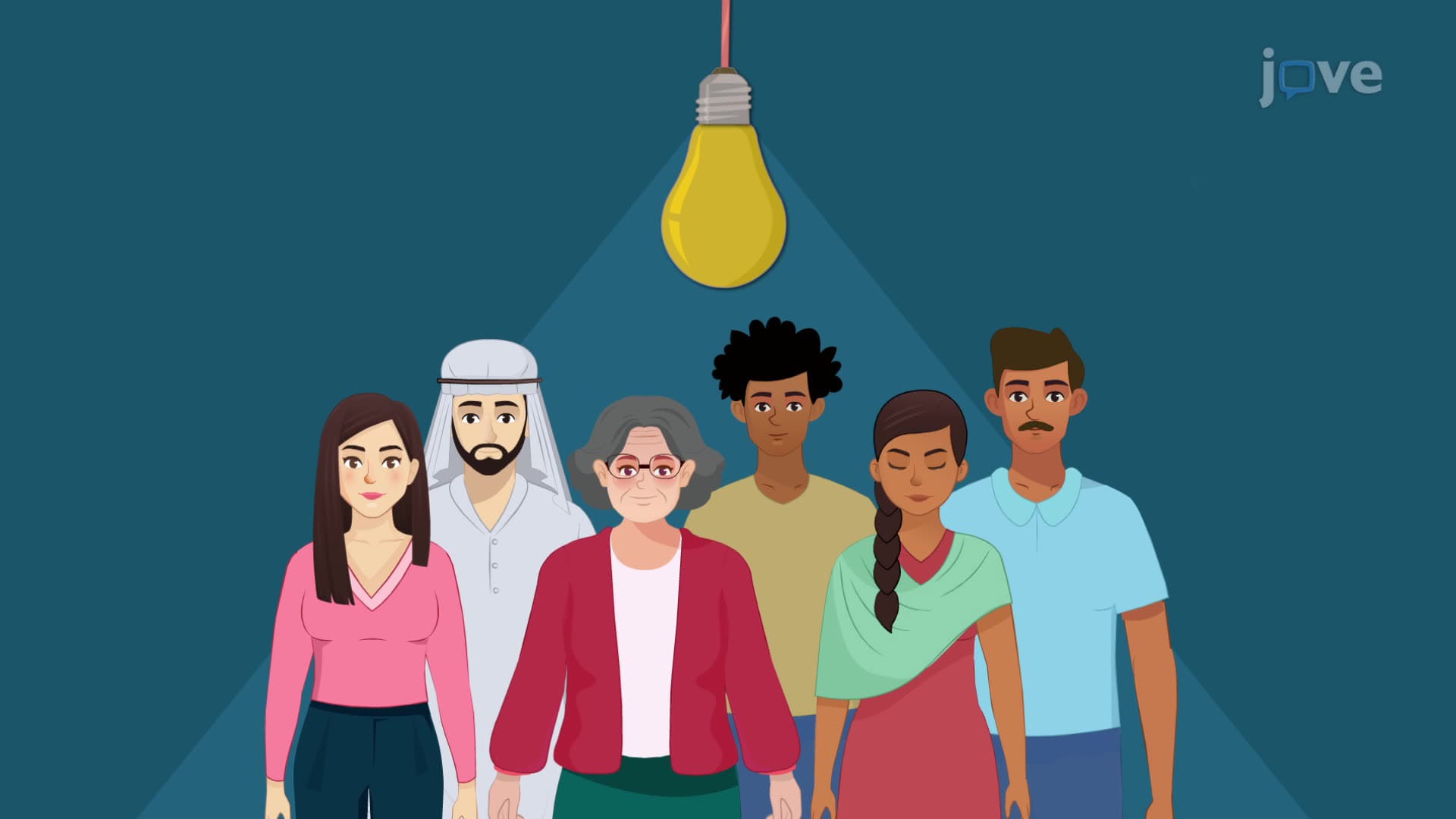
Cultural and religious conflicts represent the third major category, where patients' deeply held beliefs clash with standard medical practice. Jehovah's Witnesses refusing blood transfusions, Orthodox Jewish families requesting male physicians for female patients, or Native American patients seeking traditional healing alongside Western medicine all create ethical complexity requiring careful navigation.
Understanding ethical issues proves essential for various standardized exams. The MCAT includes ethics questions in its psychology and sociology sections, while nursing boards (NCLEX) heavily test ethical decision-making scenarios. AP Psychology courses cover bioethics as part of research methodology units. College bioethics courses, increasingly required for pre-med tracks, explore these dilemmas through case study analysis.
Healthcare institutions address ethical issues through ethics committees, which include physicians, nurses, chaplains, and community representatives. These committees review complex cases, provide consultation services, and develop institutional policies. Students should understand that ethical issues rarely have clear-cut solutions-instead, they require balancing competing moral principles while respecting patient dignity, cultural sensitivity, and professional obligations.
Related Micro-courses