Loading subject page…


26,496 views


Video Summary: What Is Ethical Standards I
When nurses at Johns Hopkins Hospital handle patient records, they follow strict ethical standards that could mean the difference between patient trust and a career-ending lawsuit. Ethical standards in healthcare create a protective framework that governs how medical professionals handle sensitive patient information, ensuring both legal compliance and moral integrity. These standards become especially critical when dealing with protected health information (PHI), where a single breach can result in HIPAA violations and substantial penalties. Watch the full video on JoVE Coach to master this concept with expert-led visuals and step-by-step explanations.
Ethical Standards I represents the foundational principles that govern how healthcare professionals handle sensitive patient information while maintaining both legal compliance and moral integrity. This concept extends far beyond simple rule-following-it encompasses a comprehensive framework that protects patient privacy, ensures data security, and maintains the trust essential to effective healthcare delivery.
In the United States healthcare system, these ethical standards are reinforced by federal legislation such as HIPAA (Health Insurance Portability and Accountability Act), which mandates specific protocols for protecting patient information. Students studying for the NCLEX or preparing for healthcare-related AP courses will encounter these principles as fundamental requirements for professional practice.
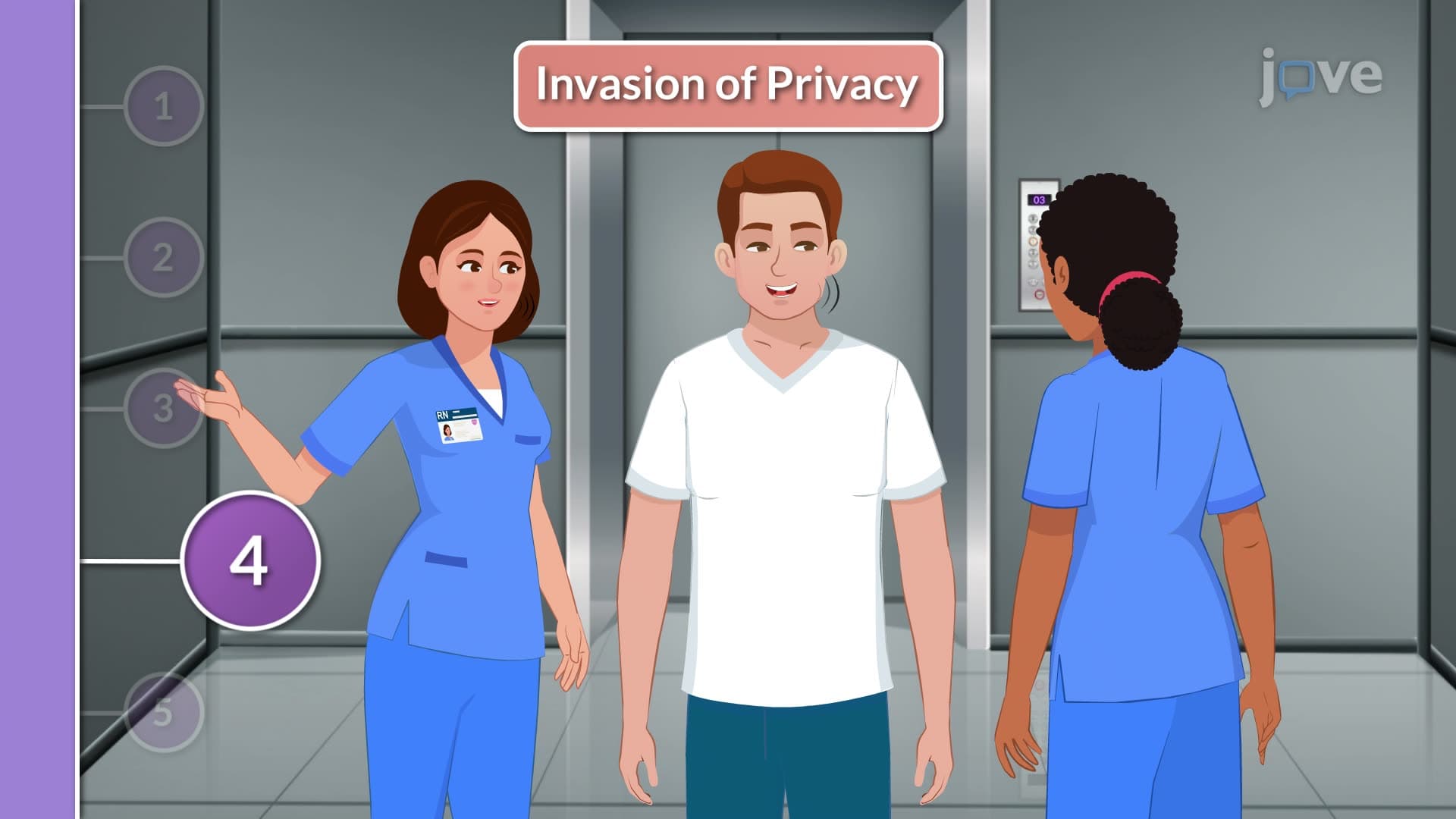
Protected Health Information forms the cornerstone of healthcare data security protocols. PHI includes not only medical records and treatment information but also demographic data, insurance information, and any identifiable details that could link information to a specific patient. For example, at Massachusetts General Hospital, even seemingly innocuous details like appointment times combined with unit locations could potentially identify patients if not properly protected.
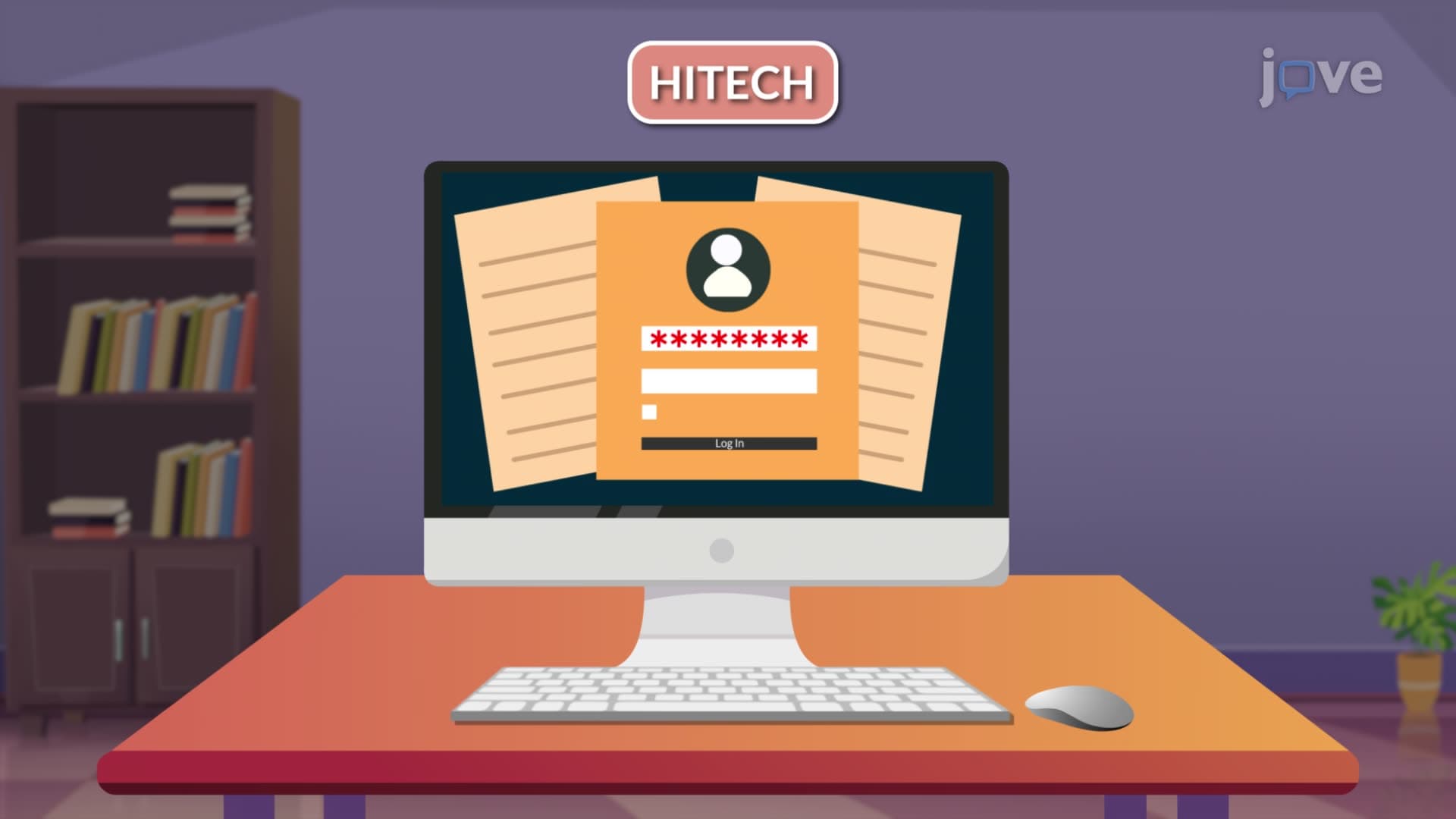
Healthcare professionals must understand that PHI protection involves both digital and physical security measures. This includes using only authorized, encrypted devices, securing paper records, and ensuring that patient information is never accessible to unauthorized personnel. Students preparing for the MCAT or healthcare administration courses should note that data breaches in healthcare can result in penalties ranging from $100 to $50,000 per violation, with maximum annual penalties reaching $1.5 million.
Modern healthcare increasingly relies on digital systems, making technology literacy a crucial component of ethical practice. Healthcare workers must navigate the balance between leveraging technology for improved patient care while maintaining strict security protocols. This includes understanding which devices are approved for clinical use, how to properly encrypt and transmit patient data, and recognizing potential security vulnerabilities.
The integration of smartphones, tablets, and other personal devices in healthcare settings creates particular challenges. For instance, a nurse at Cleveland Clinic taking a photo of a patient's wound for documentation purposes must use hospital-approved, encrypted devices rather than personal smartphones, regardless of convenience or image quality considerations.
Patient consent remains fundamental to ethical healthcare practice, requiring clear communication about how patient information will be used, shared, and stored. This principle extends to interdisciplinary team communications, family discussions, and any external information sharing. Healthcare professionals must also maintain vigilance in identifying and reporting potential violations, as prompt reporting can minimize harm and demonstrate institutional commitment to ethical standards.
Related Micro-courses