Loading video…


 19 Concepts
 26.5K views

Video Summary: What Is Nurses Legal Responsibilities Ii
Did you know that nurses face potential lawsuits in 1 out of every 4 malpractice cases filed in US hospitals? Understanding nurses legal responsibilities is crucial for patient safety and career protection. What is Nurses Legal Responsibilities II explores the complex web of professional duties, from maintaining therapeutic nurse-patient relationships to mandatory reporting requirements. For instance, California nurses must report suspected elder abuse within 24 hours or face criminal charges themselves. Watch the full video on JoVE Coach to master this concept with expert-led visuals and step-by-step explanations.
Nurses legal responsibilities encompass a complex framework of professional, ethical, and legal obligations that extend far beyond basic patient care. This advanced exploration builds upon foundational nursing law by examining the intricate relationships between nurses, patients, and healthcare teams. In the United States, these responsibilities are governed by state nursing practice acts, federal regulations like HIPAA, and institutional policies that vary across healthcare settings.
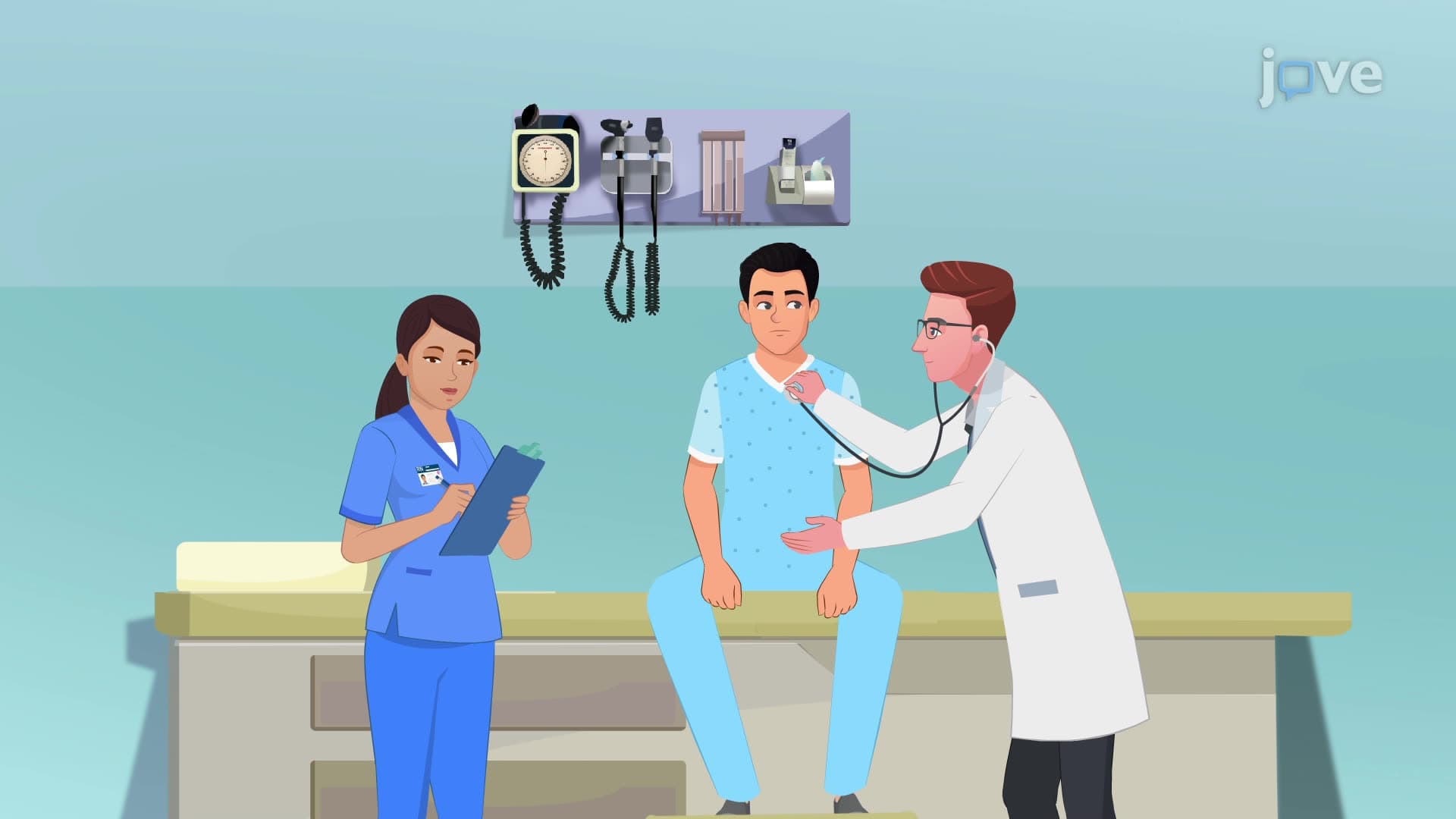
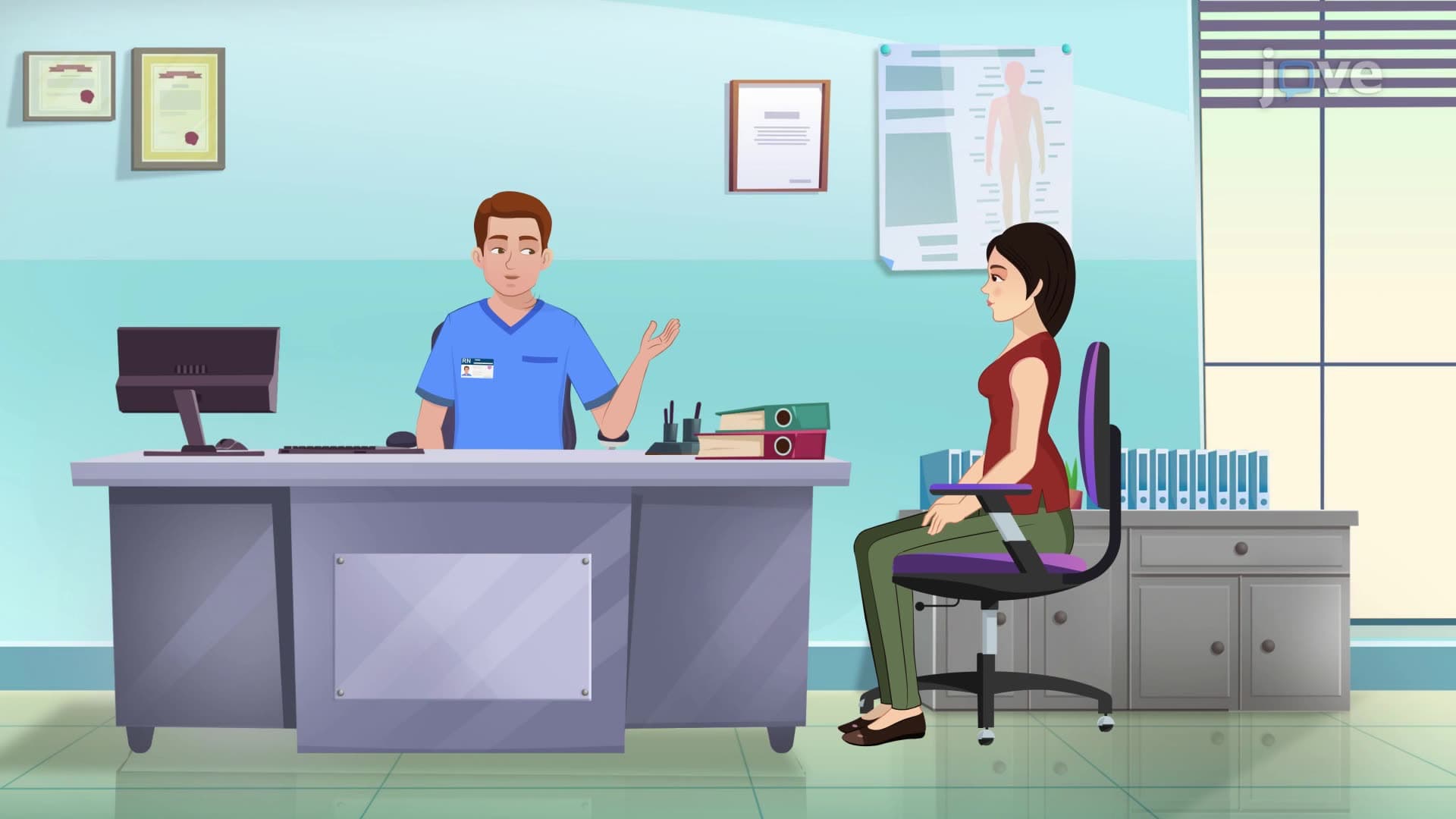
The therapeutic nurse-patient relationship forms the cornerstone of nursing legal responsibilities. This relationship must maintain clear professional boundaries while providing compassionate, evidence-based care. US courts have consistently held nurses liable for boundary violations, with cases like *Doe v. Samaritan Counseling Center* establishing precedent for professional relationship standards. Nurses must balance therapeutic communication with appropriate emotional distance, ensuring patient advocacy without overstepping professional limits. Documentation of all patient interactions becomes legally protective evidence that demonstrates adherence to professional standards.
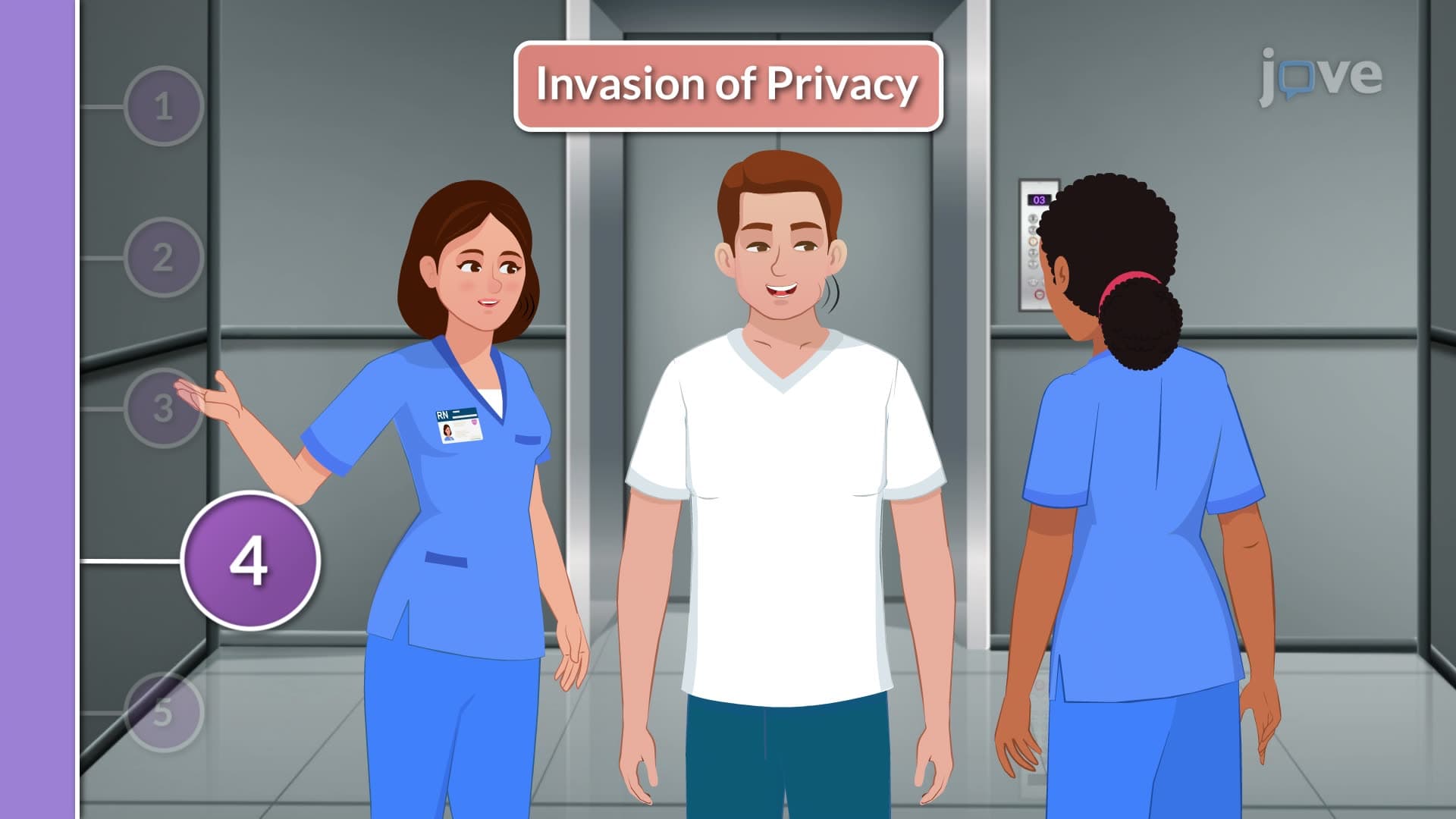
Federal and state laws require nurses to report various incidents, creating legal obligations that supersede loyalty to colleagues or employers. The Joint Commission's National Patient Safety Goals mandate reporting of sentinel events, while state laws require reporting of suspected abuse, neglect, or impairment among healthcare providers. For NCLEX preparation, students must understand that failure to report can result in both criminal charges and nursing license revocation. Whistleblower protection laws, such as the False Claims Act, shield nurses from retaliation when reporting violations, though protection varies significantly across states.
Comprehensive documentation serves as the primary legal defense for nursing practice. The legal principle "if it wasn't documented, it didn't happen" applies universally in US malpractice litigation. Effective documentation must be timely, accurate, objective, and complete, following institutional policies and professional standards. For college nursing courses and HESI A2 preparation, understanding documentation requirements helps students recognize how clinical practice translates into legal protection. Electronic health records have introduced new legal considerations, including audit trails and amendment procedures that carry legal implications.
Related Micro-courses