Loading subject page…


26,496 views


Video Summary: What Is Nursing Ethical Principles I
Did you know that when a nurse at Johns Hopkins Hospital respects a patient's decision to refuse a blood transfusion due to religious beliefs, they're applying nursing ethical principles? These foundational guidelines shape every healthcare decision nurses make daily. Understanding What is Nursing Ethical Principles I involves mastering five core concepts: autonomy, beneficence, non-maleficence, justice, and fidelity. Watch the full video on JoVE Coach to master this concept with expert-led visuals and step-by-step explanations.
Nursing ethical principles form the moral backbone of healthcare delivery, providing nurses with a systematic framework for making complex decisions. These principles, rooted in bioethical theory developed by philosophers like Tom Beauchamp and James Childress, translate abstract moral concepts into practical guidelines for bedside care. For students preparing for the NCLEX-RN or pursuing nursing degrees, mastering these principles is essential for both academic success and professional competence.
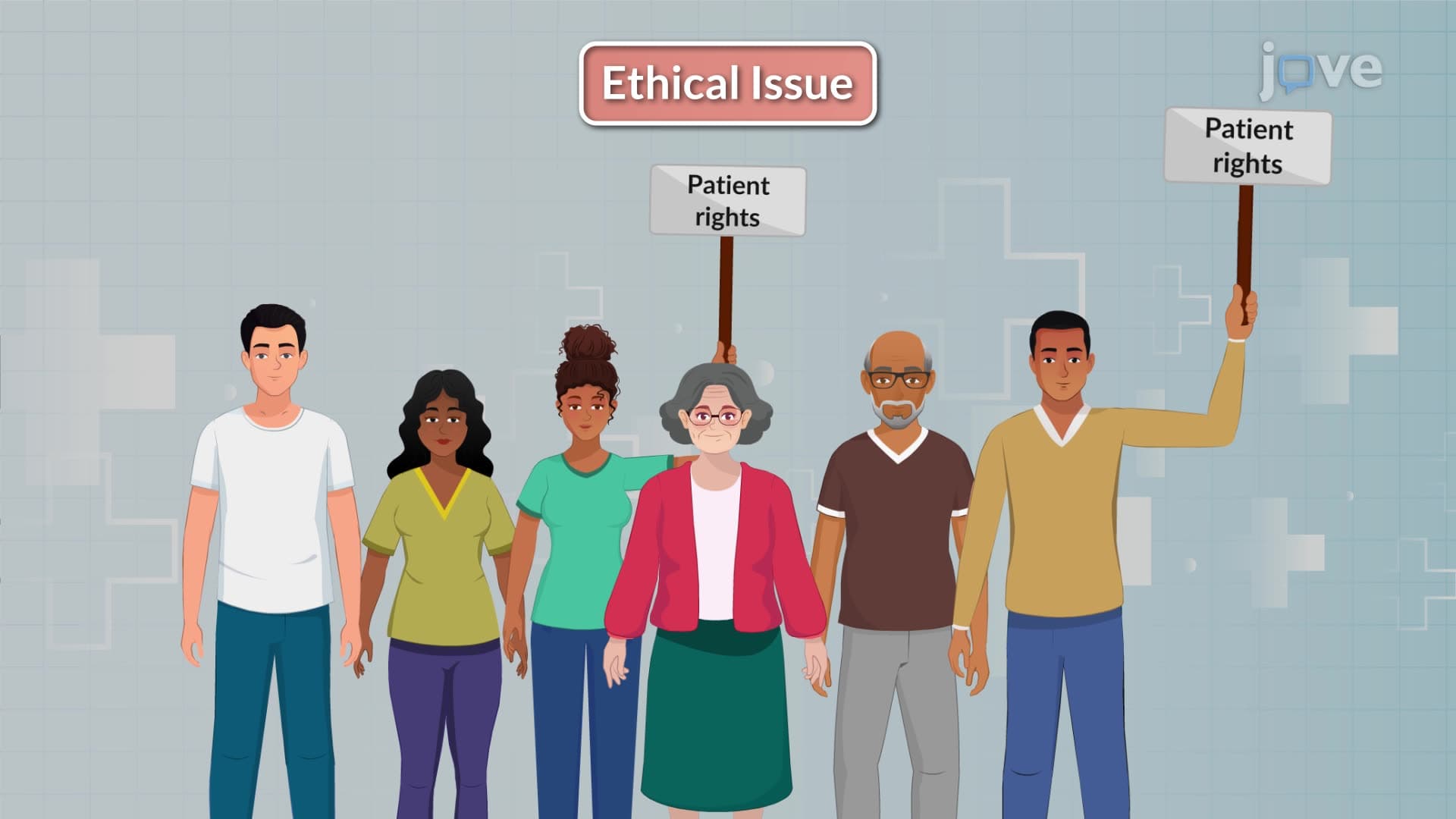
Autonomy represents perhaps the most fundamental principle in modern healthcare. This concept extends beyond simple consent forms-it encompasses respecting patients' cultural backgrounds, religious beliefs, and personal values. For instance, when a patient at Massachusetts General Hospital chooses alternative medicine over conventional treatment, nurses must support this decision while providing appropriate education. This principle directly connects to patient rights legislation and appears frequently on HESI A2 and TEAS examinations.
Beneficence and Non-maleficence work together as complementary principles. Beneficence requires nurses to actively promote patient welfare, such as implementing fall prevention protocols or advocating for pain management. Non-maleficence, often summarized as "first, do no harm," means avoiding actions that could injure patients. A nurse double-checking medication dosages exemplifies both principles simultaneously. These concepts are heavily emphasized in AP Biology ethics units and nursing fundamentals courses.
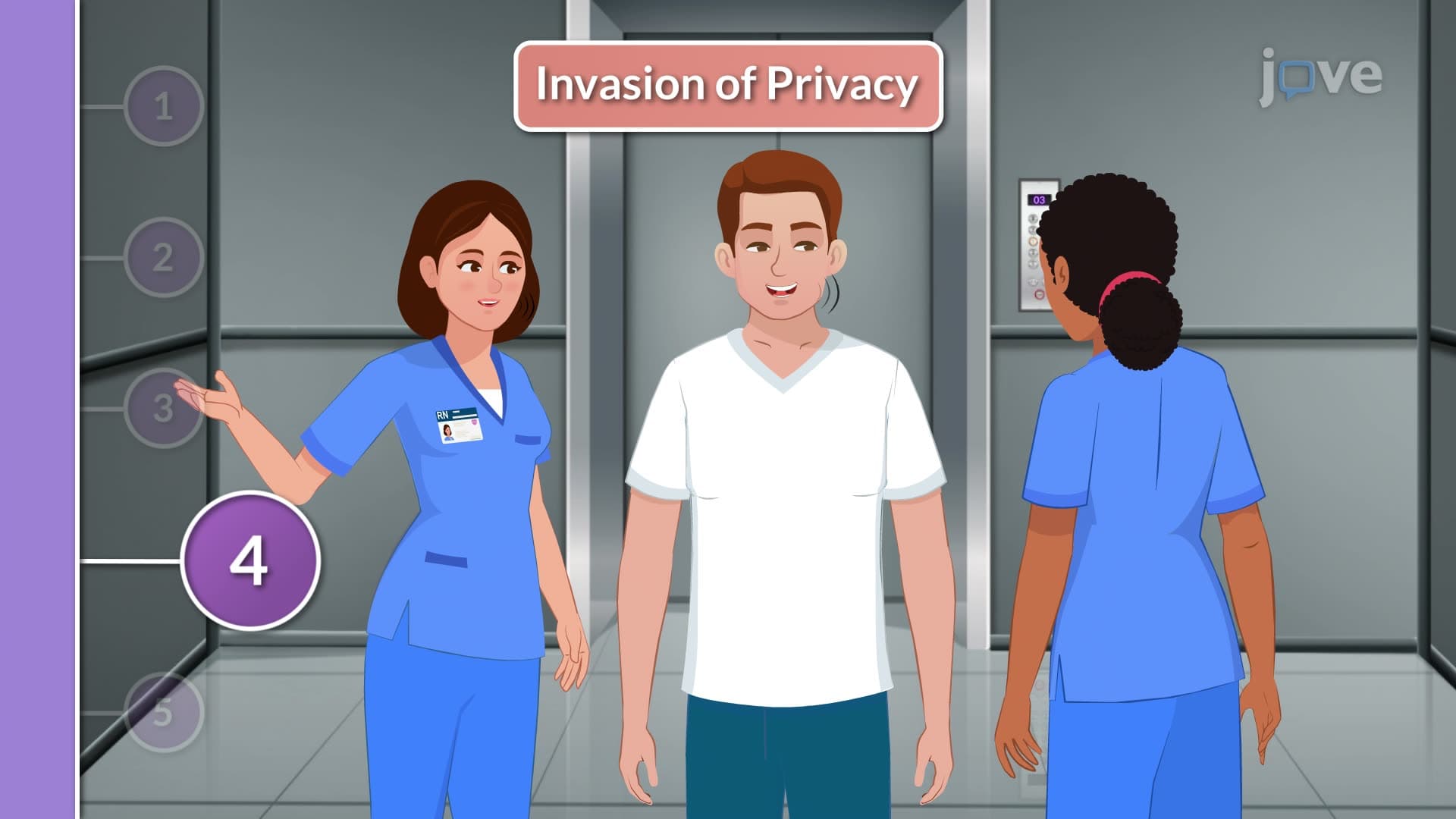
Justice ensures fair treatment regardless of socioeconomic status, race, or insurance coverage. At Cleveland Clinic, this might mean a nurse spending equal time educating both privately insured and Medicaid patients about post-surgical care. Fidelity involves maintaining professional promises and confidentiality-crucial for building therapeutic relationships and meeting HIPAA requirements.
These principles frequently appear in MCAT ethics sections and nursing school examinations. Students should understand how they interact: autonomy might conflict with beneficence when patients make seemingly harmful choices, requiring nurses to balance respect for self-determination with professional obligations. Successful application requires critical thinking skills that transfer to clinical reasoning on standardized nursing examinations and real-world practice scenarios.
Related Micro-courses