Loading subject page…


26,496 views


Video Summary: What Is Torts I
Torts represent a fundamental legal concept that affects everyone from healthcare workers to everyday citizens in potential liability situations. Understanding what is Torts I becomes crucial when examining cases like a nurse accidentally administering the wrong medication dose, which could result in both civil liability and professional consequences. This foundational legal framework distinguishes between intentional harm, quasi-intentional actions, and unintentional negligence that can lead to significant financial and professional penalties. Watch the full video on JoVE Coach to master this concept with expert-led visuals and step-by-step explanations.
Torts form the backbone of civil law in the United States, representing wrongful acts that cause harm to individuals and create legal liability for damages. Unlike criminal law, which focuses on punishment by the state, tort law provides a mechanism for injured parties to seek compensation through civil litigation. The concept becomes particularly relevant in professional settings like healthcare, where a single mistake can result in both patient harm and significant legal consequences.
The legal framework divides torts into three distinct categories, each carrying different standards of proof and liability. Intentional torts require deliberate action with the intent to cause harm or substantial certainty that harm will result. Classic examples include battery (unwanted physical contact), assault (reasonable fear of imminent harmful contact), and false imprisonment (restraint of movement without legal justification). These cases often arise in healthcare when practitioners exceed the scope of patient consent or use excessive force.
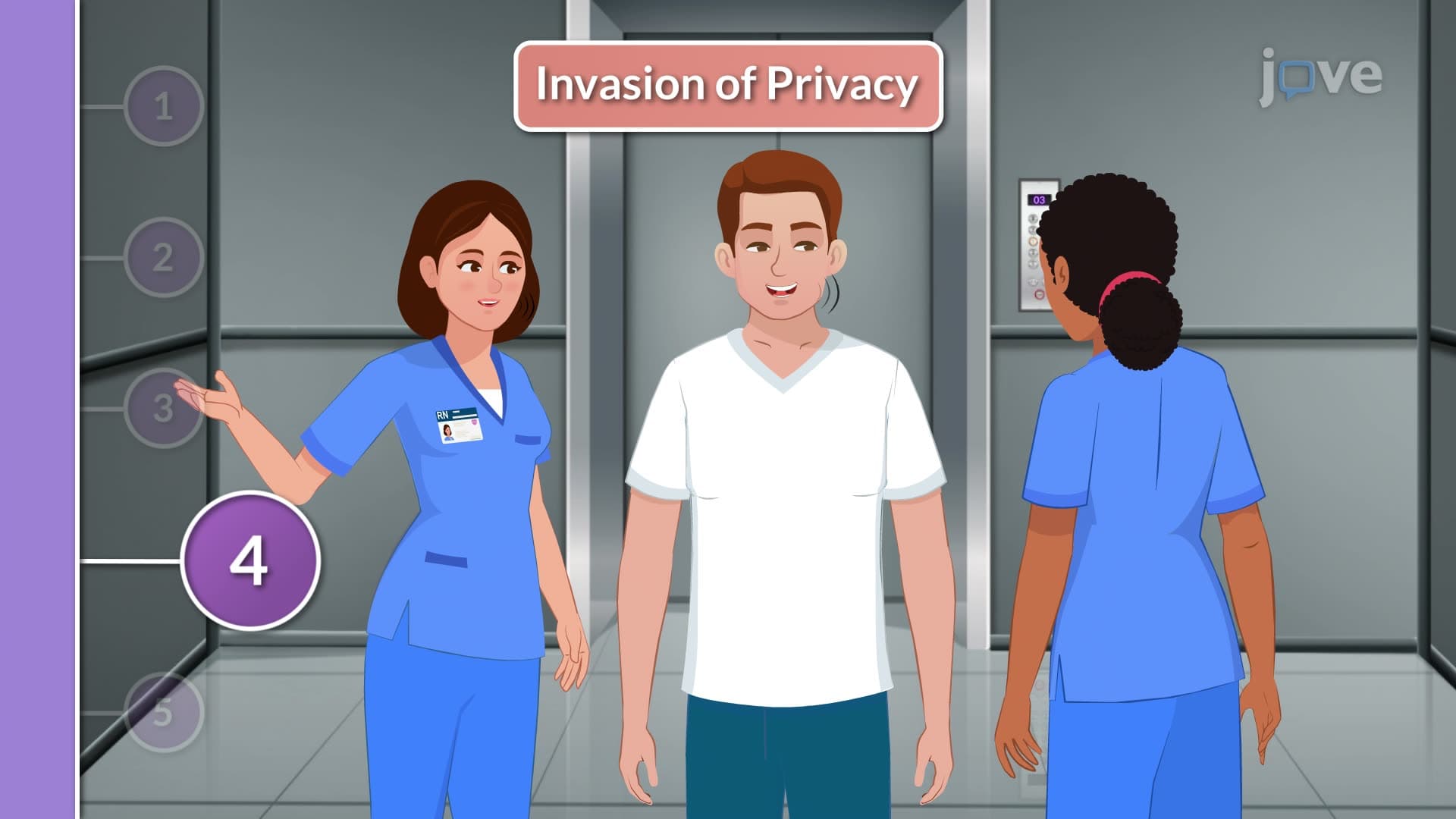
Quasi-intentional torts occupy a middle ground, involving actions that may not intend direct physical harm but violate personal rights or dignity. Invasion of privacy represents the most common example, particularly relevant in our digital age where medical information, personal communications, or private images can be disclosed without consent. Healthcare professionals face this risk when discussing patient cases inappropriately or sharing information beyond medical necessity.
Unintentional torts, primarily encompassing negligence, represent the largest category of civil litigation in the United States. The legal standard requires four elements: duty of care, breach of that duty, causation, and damages. Acts of commission occur when someone does something a reasonable person would avoid, such as texting while driving or administering medication without proper verification. Acts of omission involve failing to act when a reasonable person would, like ignoring safety protocols or failing to monitor a patient's condition.
For students preparing for exams like the MCAT or NCLEX, understanding these distinctions proves crucial. The "reasonable person" standard appears frequently in test questions, requiring analysis of what an ordinary, prudent person would do under similar circumstances. This objective standard helps courts and juries evaluate conduct without considering the defendant's personal characteristics or limitations.
In professional contexts, tort liability extends beyond financial damages to include disciplinary actions, license suspension, and career-ending consequences. Healthcare workers face particular scrutiny under state nursing boards and medical licensing authorities, which can impose sanctions independent of civil court outcomes. Understanding these concepts helps future professionals recognize risk factors and implement appropriate safeguards to protect both patients and their own careers.
Related Micro-courses