Loading subject page…


26,496 views

Video Summary: What Is Torts Ii
Did you know that a doctor performing surgery on the wrong body part could face a battery lawsuit, even if the patient consented to the procedure? Torts are civil wrongs that cause harm to individuals, and understanding What is Torts II reveals five critical intentional torts that occur in everyday situations. From healthcare settings where nurses threaten patients without consent to privacy violations in medical records, these legal concepts protect individual rights across America. Watch the full video on JoVE Coach to master this concept with expert-led visuals and step-by-step explanations.
Torts represent a fundamental area of civil law that addresses wrongs committed against individuals, and What is Torts II specifically focuses on intentional torts-deliberate actions that cause harm to others. Unlike criminal law, which punishes wrongdoers, tort law compensates victims for their losses through monetary damages. This torts definition explained reveals that intentional torts require three key elements: intent, action, and harm or apprehension of harm.
For students preparing for the MCAT, AP Government, or college pre-law courses, mastering these concepts is essential. The torts overview shows how these principles govern everything from healthcare interactions to everyday business relationships across the United States.
Assault occurs when someone intentionally creates reasonable apprehension of harmful or offensive contact. Crucially, no physical touch is required-the threat alone constitutes assault. In healthcare settings, this might involve a nurse threatening to administer medication against a patient's wishes. Recent cases in California hospitals have resulted in significant settlements when staff members used intimidation tactics during patient care.
Battery involves intentional harmful or offensive physical contact without consent. The classic medical malpractice example involves performing surgery on the wrong body part, even when the patient consented to the procedure. In 2023, Johns Hopkins faced multiple battery claims for unauthorized procedures, highlighting how consent must be specific and informed.
False imprisonment restricts someone's freedom of movement without legal justification. Beyond physical restraints, this includes blocking exits or using threats to prevent departure. Retail stores face frequent false imprisonment lawsuits when security guards detain suspected shoplifters beyond reasonable limits, with Target and Walmart paying millions in settlements.
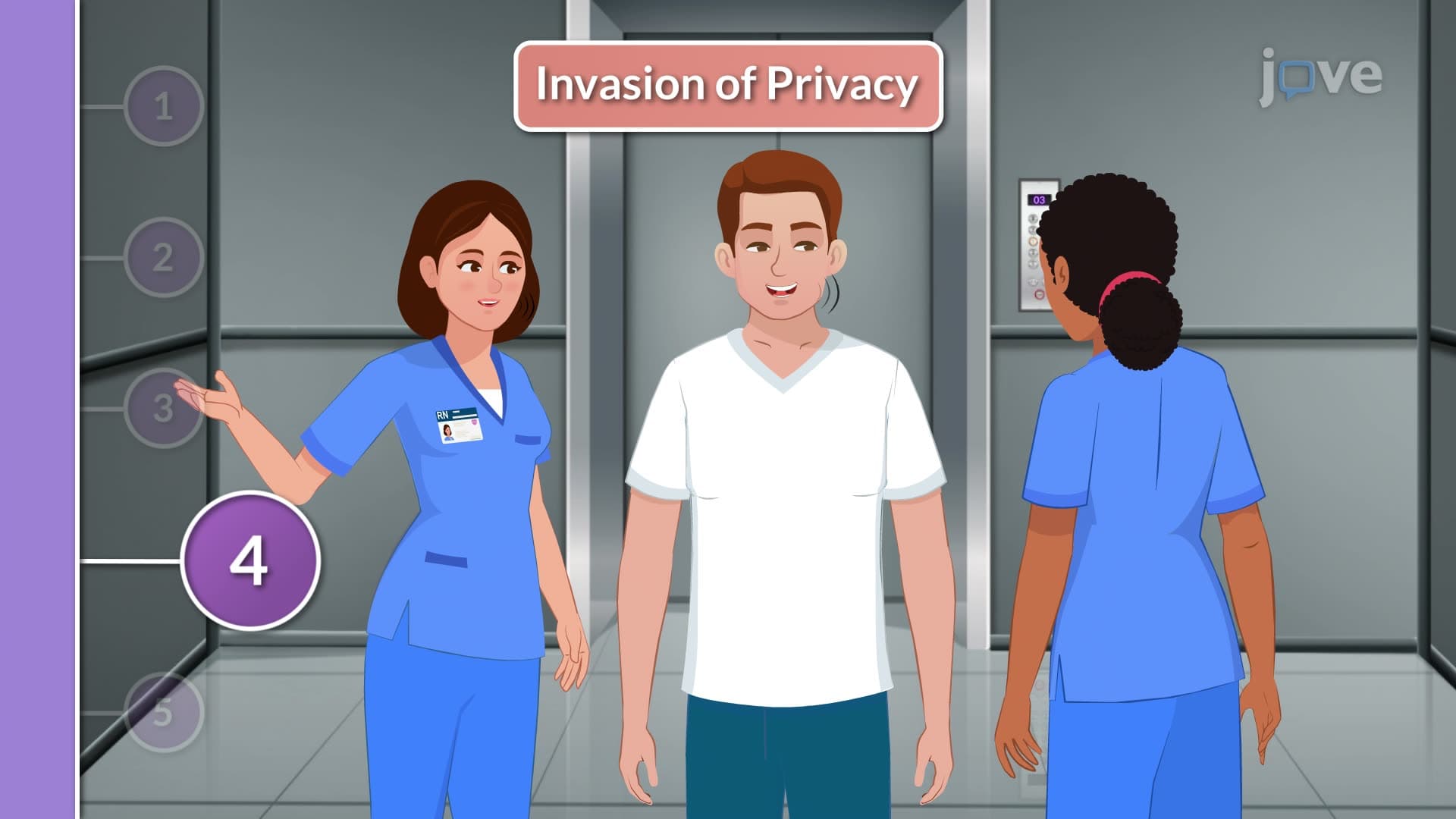
Invasion of privacy encompasses four distinct categories: intrusion upon seclusion, public disclosure of private facts, false light invasion, and appropriation of likeness. Healthcare providers face particular scrutiny under HIPAA regulations, where unauthorized disclosure of patient information can trigger both federal penalties and tort liability. The 2022 breach at CommonSpirit Health resulted in class-action lawsuits affecting over 600,000 patients.
Fraud requires intentional misrepresentation of material facts that cause reliance and damages. Healthcare fraud cases often involve billing for services not provided or performing unnecessary procedures. The Department of Justice recovered over $2.2 billion in healthcare fraud settlements in 2023, demonstrating the serious legal and financial consequences of deceptive practices.
These torts explained guide concepts frequently appear on standardized exams. The MCAT includes tort questions in its psychology and sociology sections, while AP Government exams test understanding of civil versus criminal law distinctions. College students encounter these principles in business law, healthcare ethics, and pre-law courses. Success requires memorizing elements of each tort and practicing with realistic scenarios that mirror actual court cases.
Related Micro-courses