Loading subject page…


37,756 views


Video Summary: Interdisciplinary Care the Health Care Explained I
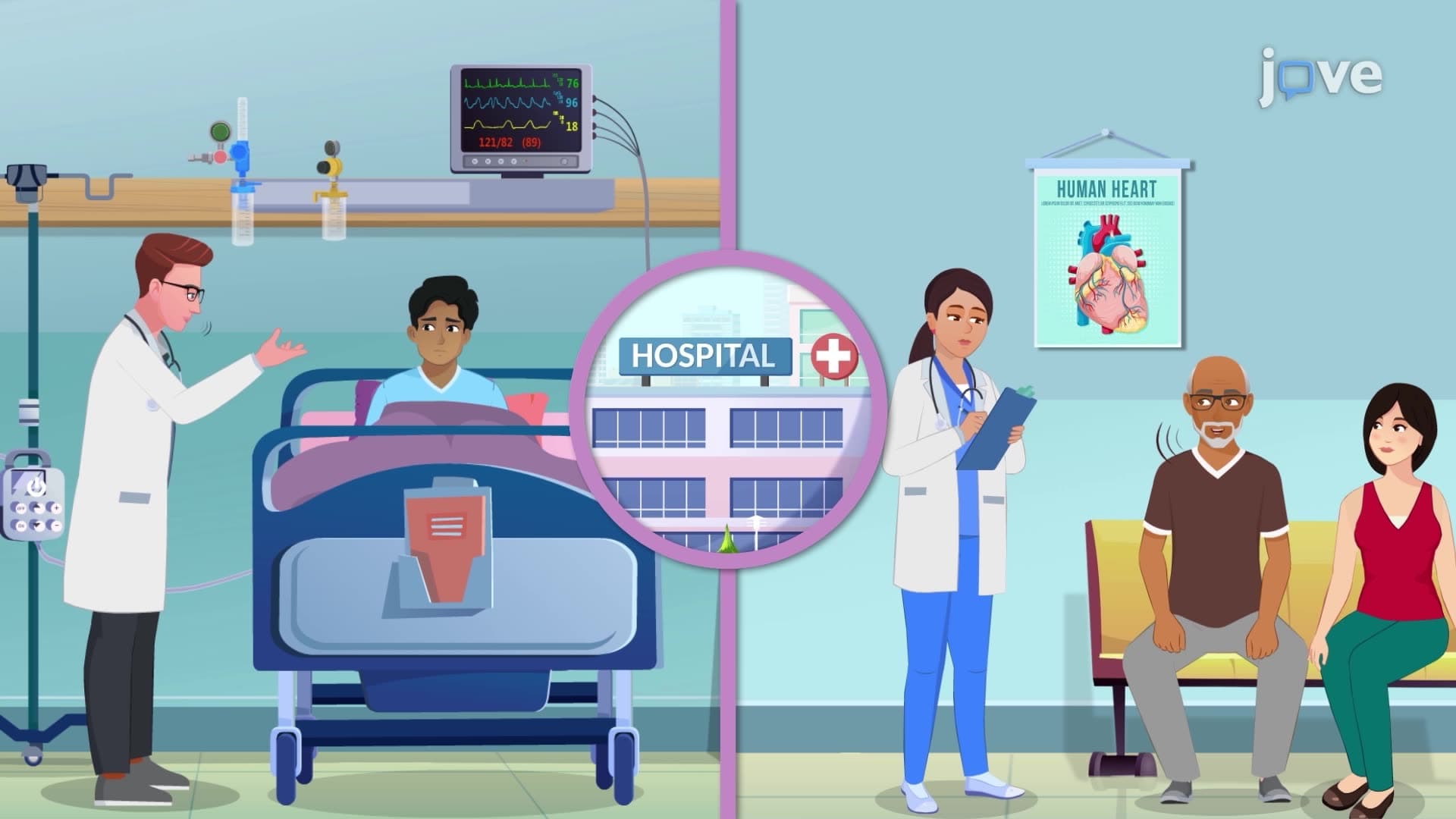
Did you know that patients receiving interdisciplinary care health care experience 25% fewer medical errors and shorter hospital stays? Interdisciplinary Care The Health Care Explained I demonstrates how diverse medical professionals collaborate to deliver comprehensive patient treatment. At Mayo Clinic, teams including physicians, nurse practitioners, and registered nurses work together to manage complex cases like diabetes care, combining medical expertise with specialized nursing knowledge. Watch the full video on JoVE Coach to master this concept with expert-led visuals and step-by-step explanations.
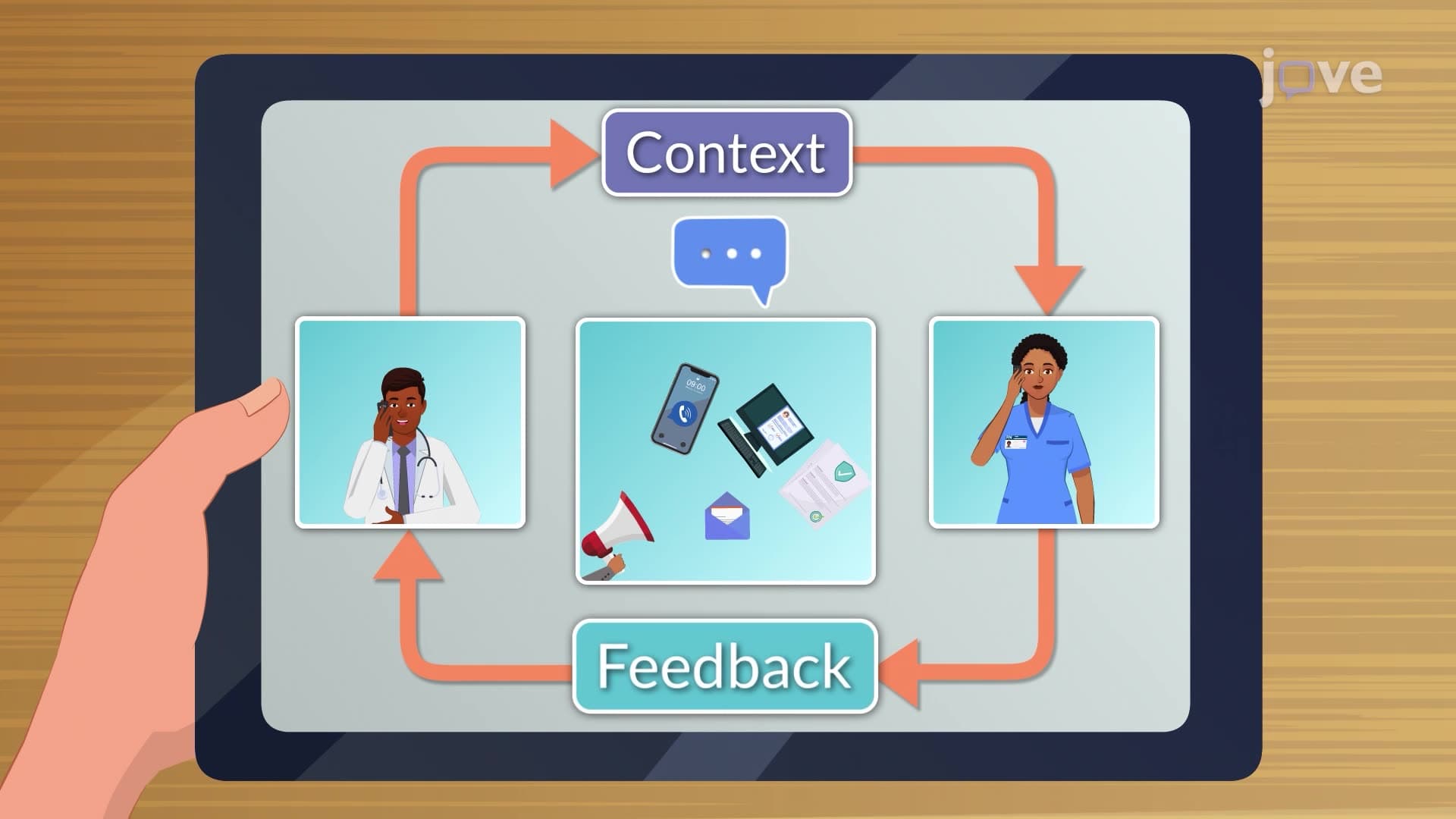
Interdisciplinary care represents a fundamental shift from traditional healthcare delivery models where individual providers worked in isolation. This collaborative approach brings together healthcare professionals from different disciplines who share decision-making responsibilities and work toward common patient care goals. Unlike multidisciplinary care, where professionals work independently within their specialties, interdisciplinary teams engage in integrated planning and coordinated implementation of treatment strategies.
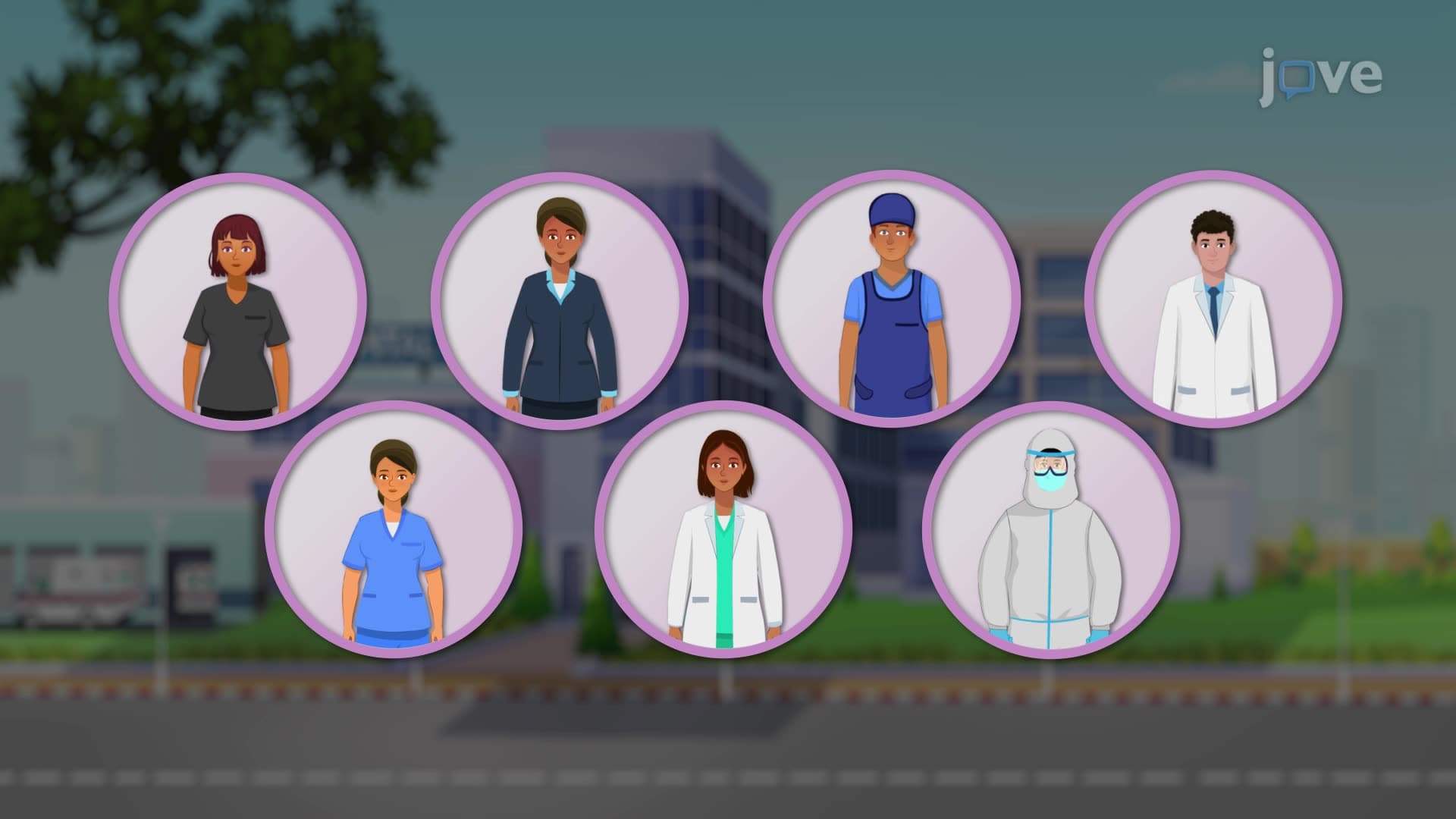
The foundation of effective interdisciplinary care rests on understanding each team member's unique contributions. Physicians serve as medical decision-makers, diagnosing conditions, prescribing treatments, and interpreting complex diagnostic tests like MRIs and blood panels. Advanced Practice Registered Nurses (APRNs) bring specialized expertise in areas such as geriatrics, cardiology, or wound care management, with prescriptive authority in all 50 states and Washington D.C. under varying supervision requirements.
Nurse Practitioners, a subset of APRNs, focus on primary care and specialty consultations, managing chronic conditions like diabetes and hypertension while coordinating with other specialists. Registered Nurses implement nursing care plans, monitor patient responses to treatments, and supervise Licensed Practical Nurses (LPNs) who provide direct patient care under professional oversight. Nursing assistants complete the care team by supporting daily living activities and basic patient comfort measures.
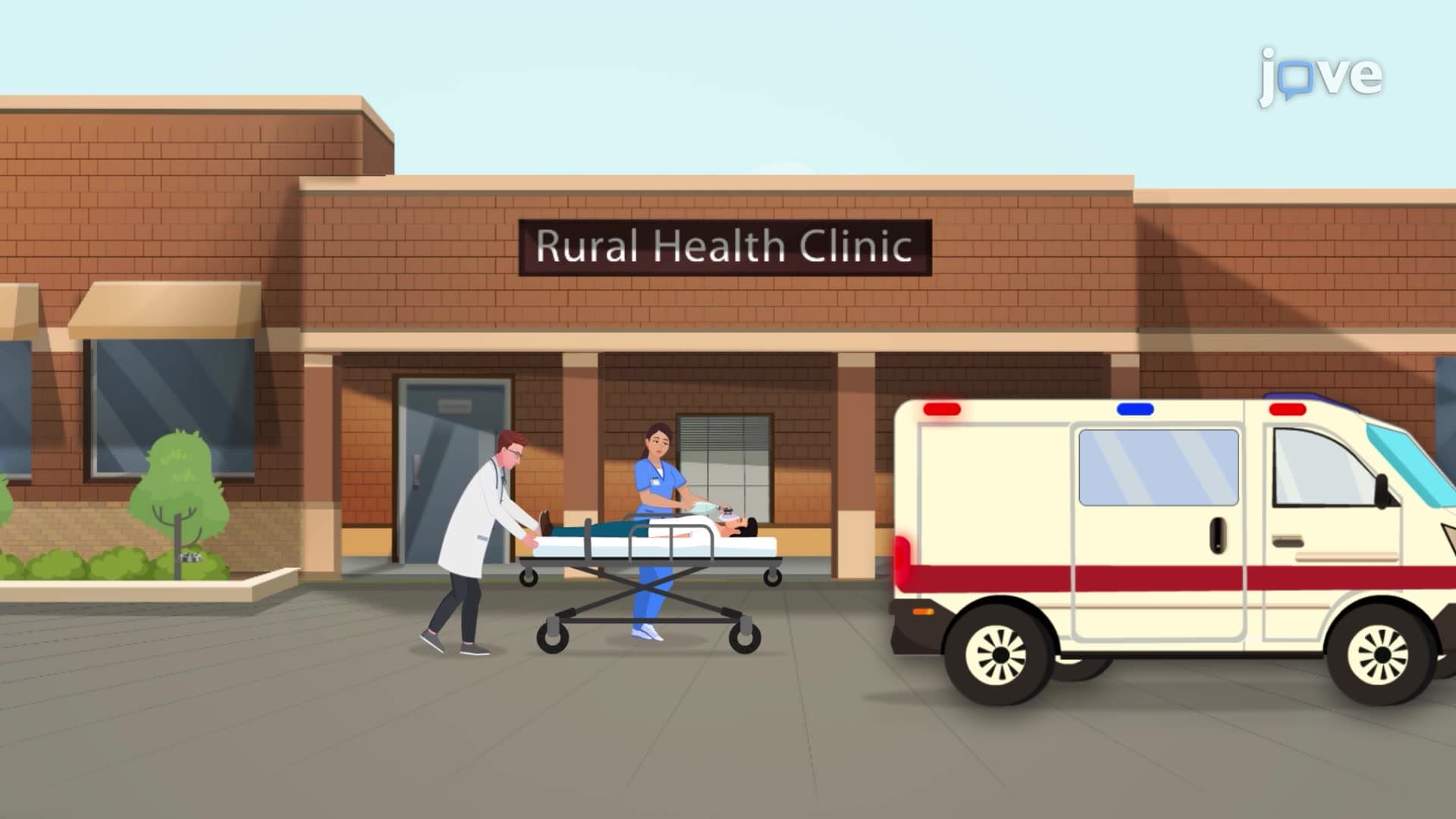
Major US healthcare systems like Cleveland Clinic and Johns Hopkins demonstrate interdisciplinary care effectiveness through specialized units such as stroke teams and cardiac care units. For example, when a patient presents with acute myocardial infarction at a US emergency department, the interdisciplinary team immediately activates: emergency physicians assess and stabilize, cardiologists perform interventional procedures, critical care nurses monitor vital signs and administer medications, and nursing assistants ensure patient comfort and family communication.
Students preparing for healthcare careers encounter interdisciplinary care concepts in AP Biology courses covering human body systems, college-level anatomy and physiology classes, and pre-professional programs. MCAT test-takers study collaborative care models in the psychological and social foundations section, while nursing students learn team dynamics for NCLEX-RN preparation. Understanding these collaborative relationships proves essential for success in healthcare professional programs and licensure examinations across all disciplines.
Related Micro-courses