Loading subject page…


37,756 views

Video Summary: Interdisciplinary Care the Health Care Explained Ii
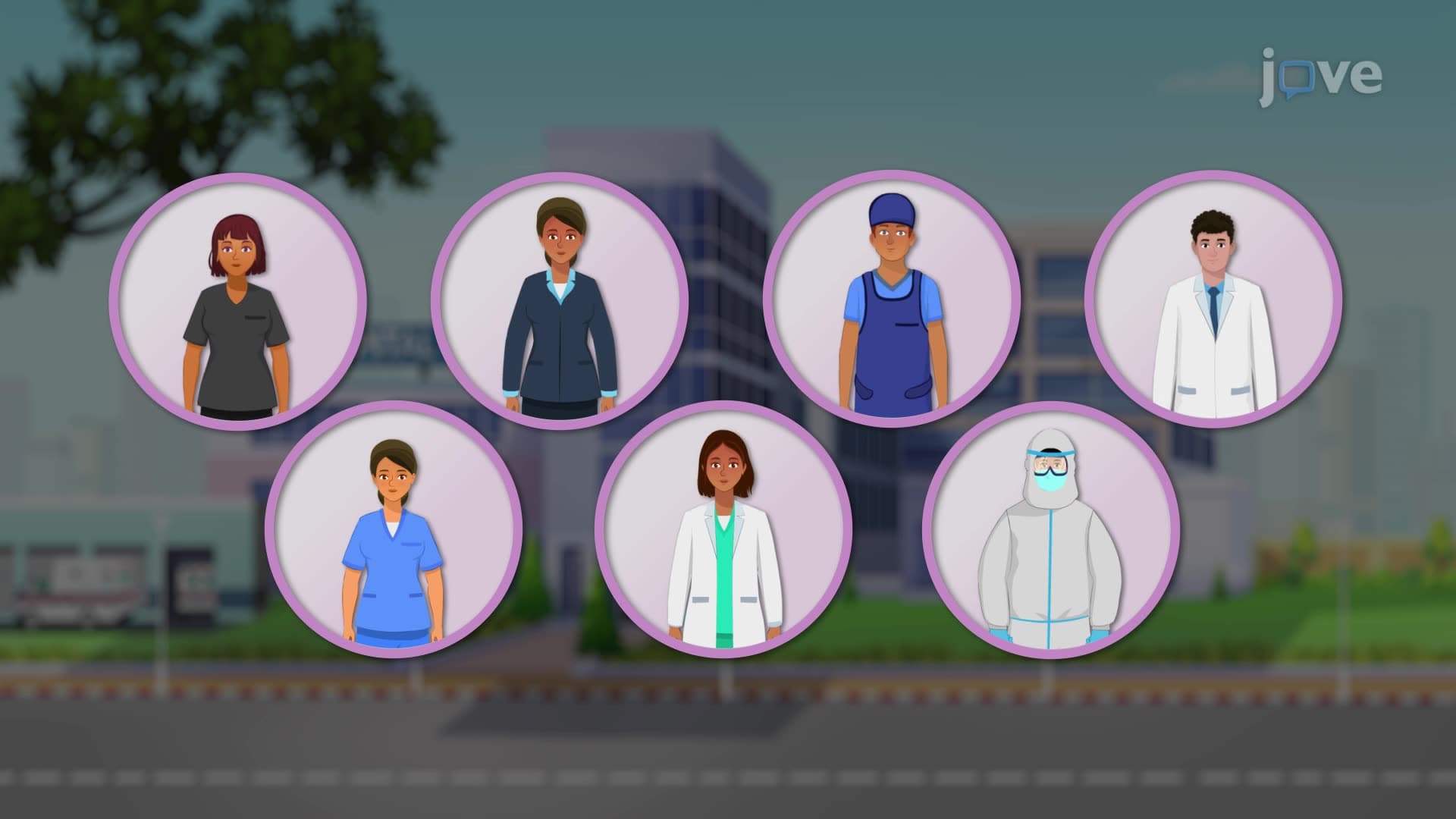
Did you know that a single patient in a Cleveland Clinic ICU might interact with over 15 different healthcare professionals in just 24 hours? Interdisciplinary care health care teams collaborate seamlessly to deliver comprehensive patient treatment, with specialists like pharmacists, respiratory therapists, and occupational therapists each contributing unique expertise. This collaborative approach, known as Interdisciplinary Care The Health Care Explained II, demonstrates how diverse medical professionals work together to optimize patient outcomes. Watch the full video on JoVE Coach to master this concept with expert-led visuals and step-by-step explanations.
Interdisciplinary care health care represents a fundamental shift from traditional isolated medical practice to collaborative, team-based healthcare delivery. This approach recognizes that complex patient needs require diverse expertise working in coordination. In modern US healthcare systems, from Mayo Clinic to Kaiser Permanente, interdisciplinary teams have become the gold standard for delivering comprehensive, patient-centered care.
The foundation of effective interdisciplinary care rests on understanding each team member's unique contributions. Pharmacists serve as medication experts, ensuring safe drug therapy through comprehensive medication reviews and drug interaction screening. At hospitals like Johns Hopkins, clinical pharmacists participate in daily rounds, providing real-time consultation on complex medication regimens.
Respiratory therapists specialize in pulmonary function optimization, operating ventilators, conducting pulmonary function tests, and implementing breathing treatments. Their expertise becomes critical in intensive care units and during procedures requiring airway management. Occupational therapists focus on functional independence, helping patients adapt to disabilities through assistive technology and modified techniques, enabling them to return to meaningful daily activities.
Interdisciplinary care overview includes essential diagnostic and therapeutic support services. Speech-language pathologists address communication disorders and swallowing difficulties, particularly crucial for stroke patients or individuals with neurological conditions. Their work often intersects with occupational therapy in comprehensive rehabilitation programs.
Clinical dietitians design evidence-based nutrition interventions, managing everything from diabetes meal planning to enteral nutrition in critically ill patients. At institutions like the Cleveland Clinic, registered dietitians collaborate directly with physicians to develop therapeutic diets that support medical treatment goals.
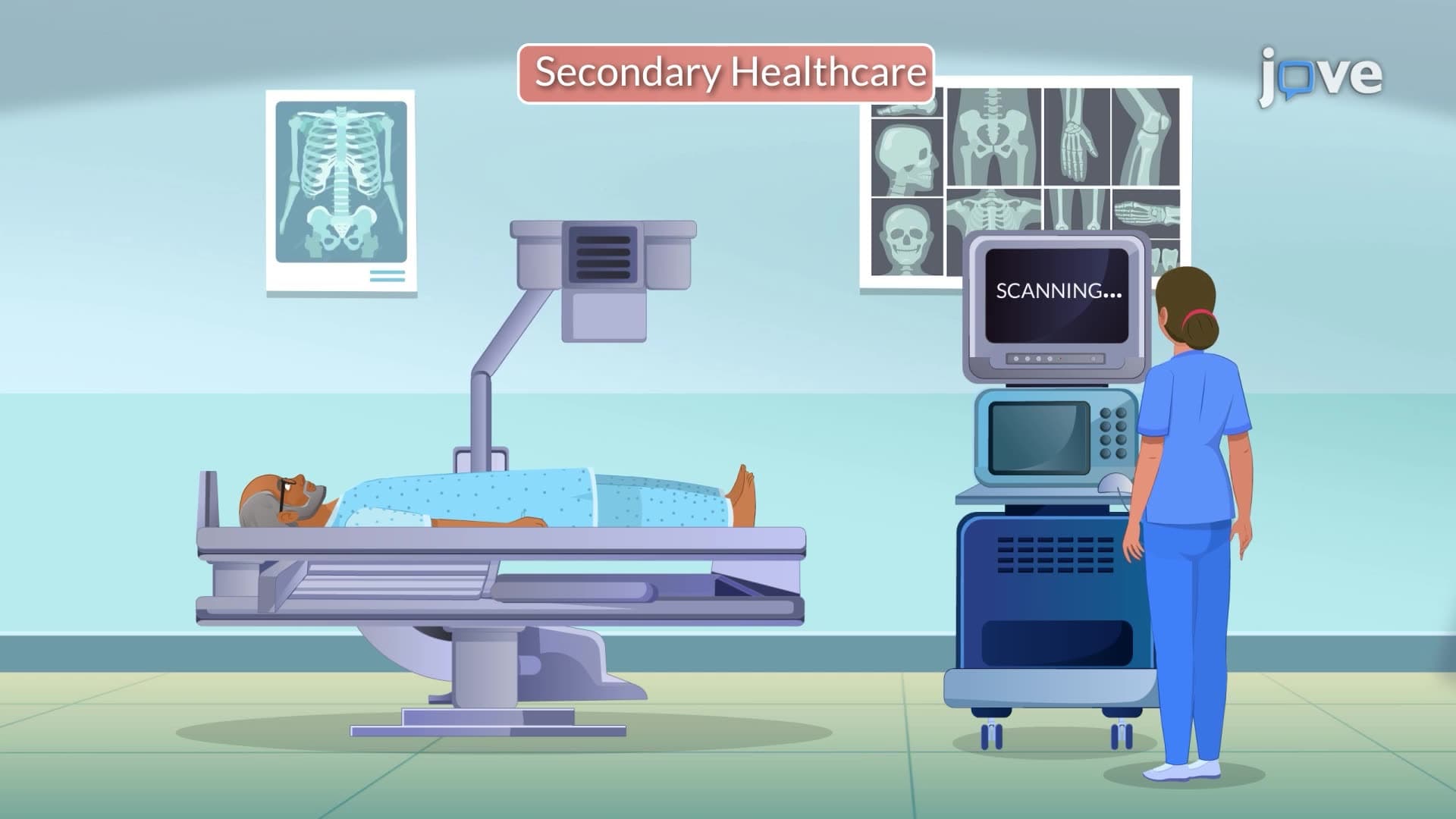
Radiographers and clinical laboratory technicians provide critical diagnostic information that guides treatment decisions. Radiographers operate imaging equipment, from routine chest X-rays to complex CT scans, ensuring proper positioning and image quality for accurate diagnosis. Clinical laboratory technicians perform essential tests on blood, urine, and other specimens, providing the laboratory data that physicians rely on for diagnosis and treatment monitoring.
This collaborative model appears frequently in healthcare-related coursework, including AP Biology discussions of human body systems, college-level healthcare administration programs, and pre-health professional preparation. Understanding these roles proves essential for students considering healthcare careers and appears on exams like the HESI A2 and TEAS nursing entrance exams.
Related Micro-courses