Loading subject page…

- Nursing
- Healthcare Delivery Systems
- Specialized Care Centers and Settings-II
Micro-course: Healthcare Delivery Systems
37,756 views
Learn key concepts and earn your certificate.




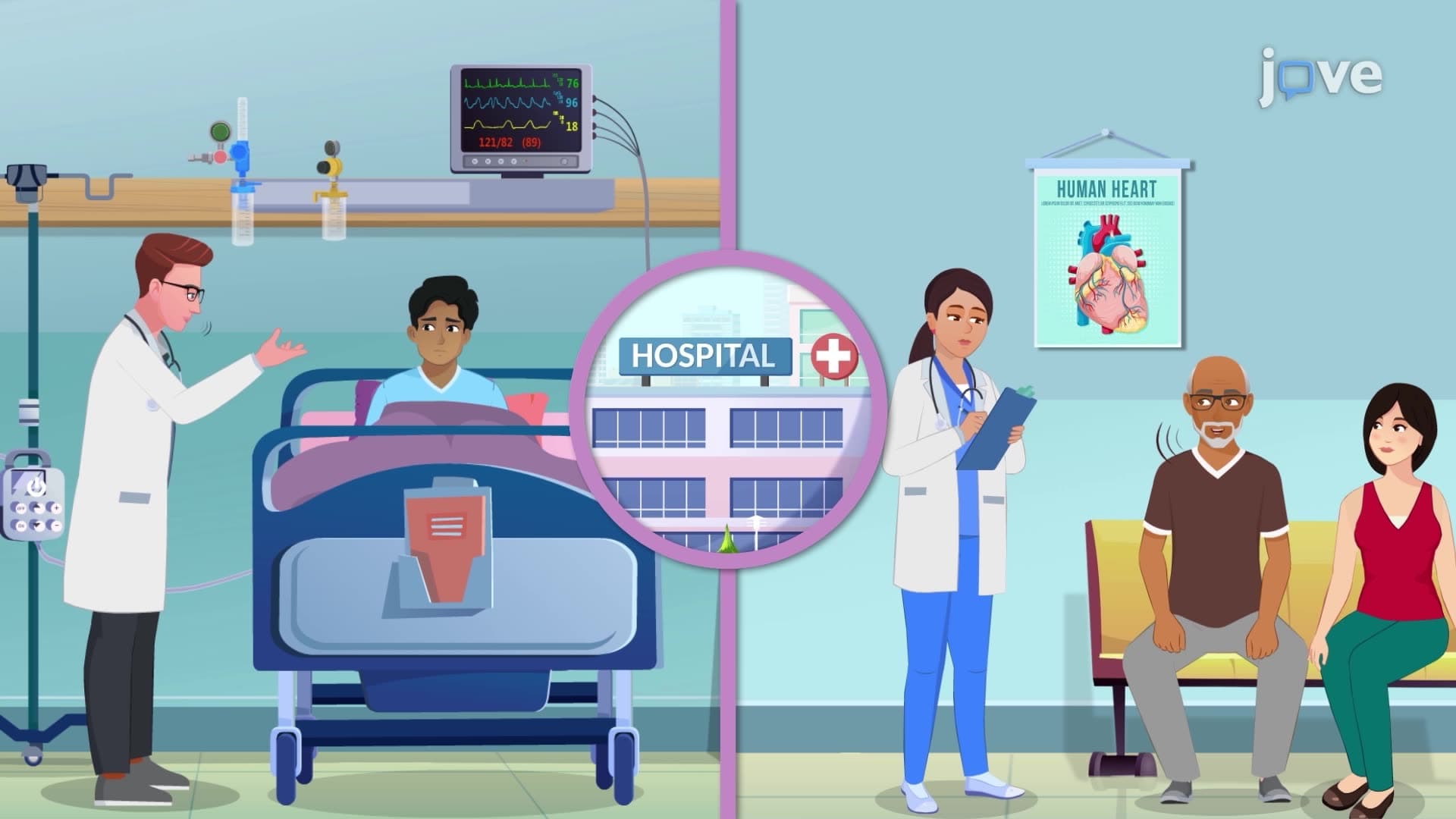
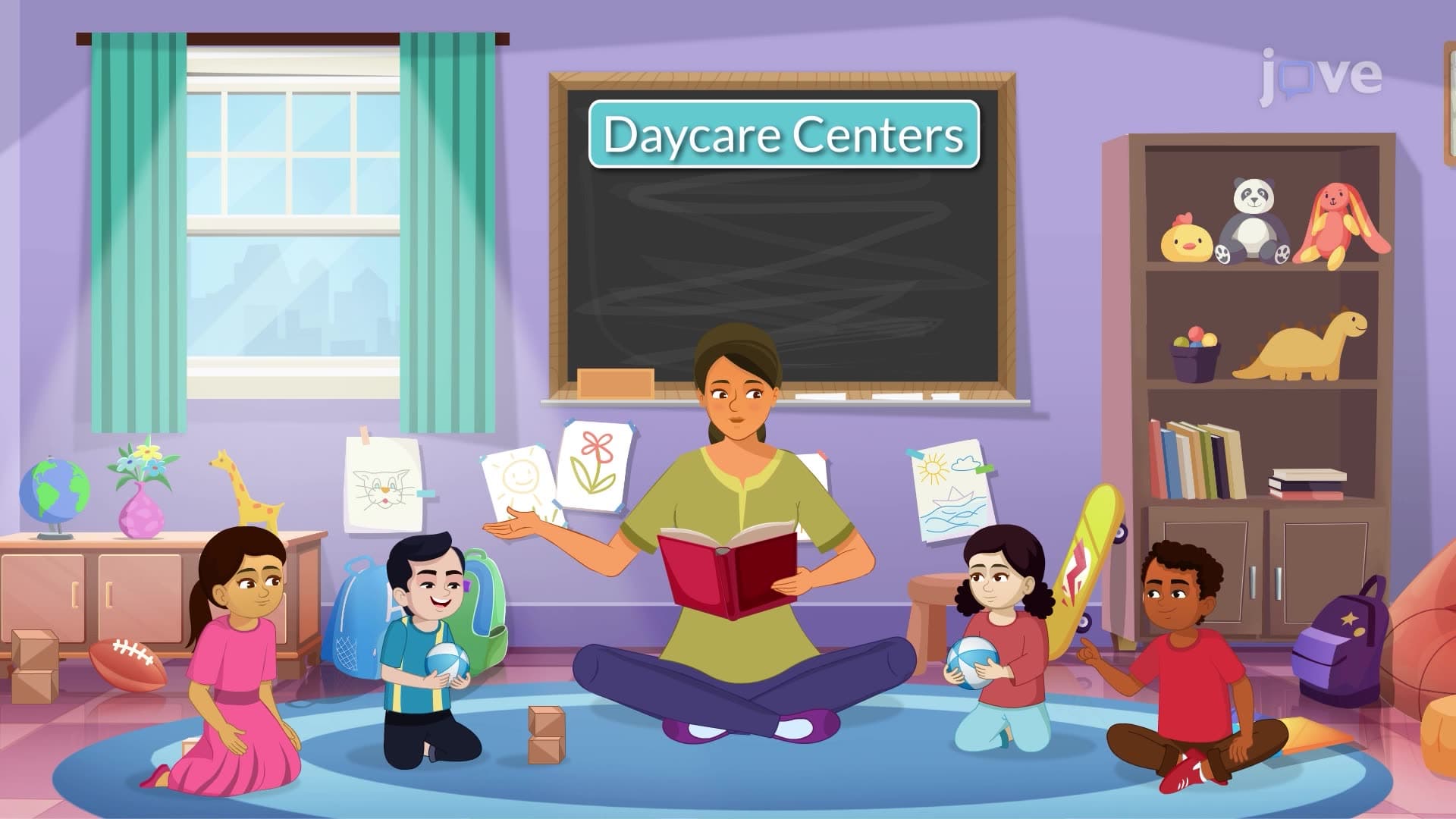

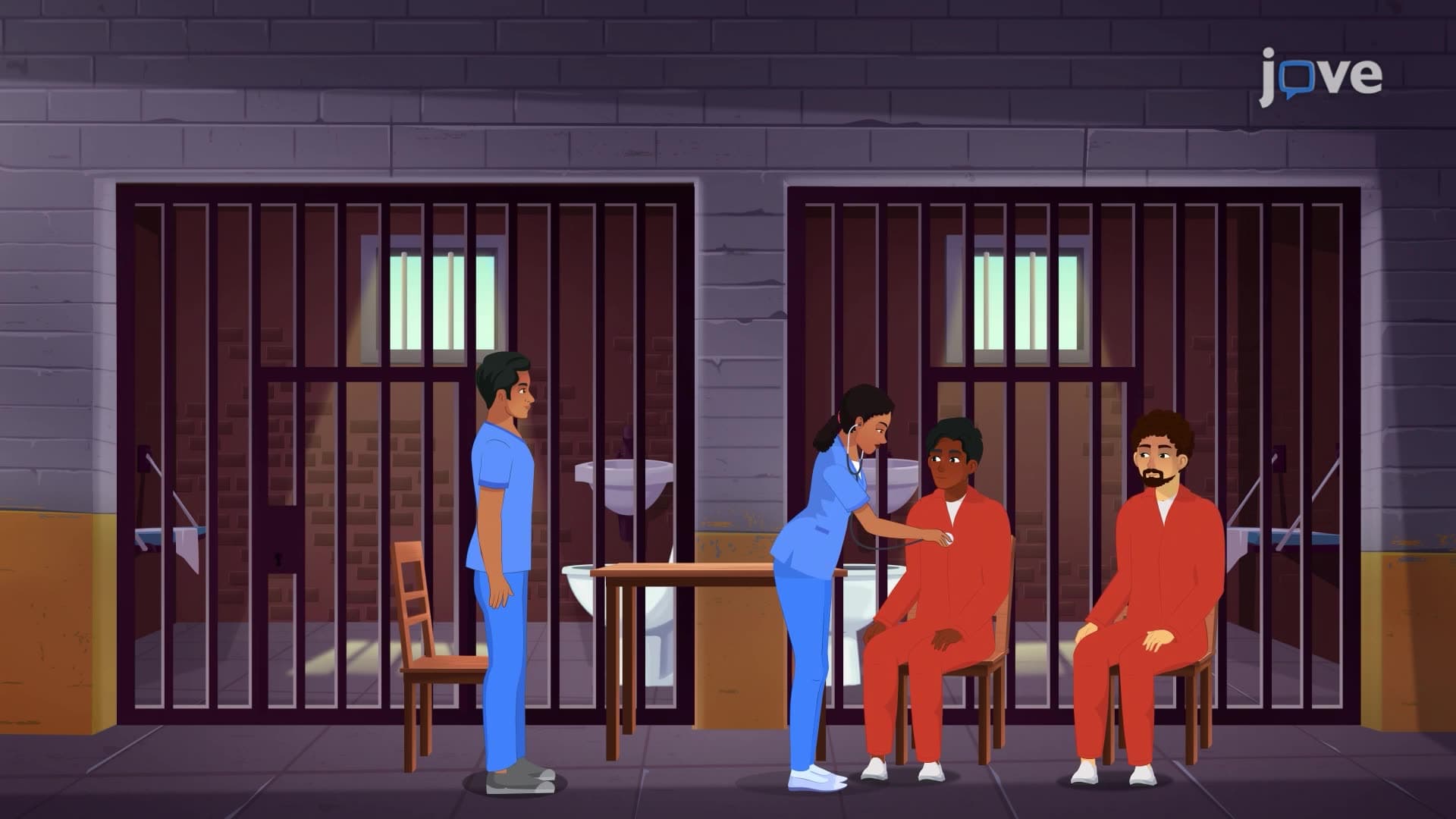


Specialized Care Centers and Settings-II

00:00
01:30
Video Summary: Specialized Care Centers and Settings Ii Explained
Did you know that over 60 million Americans live in rural areas where the nearest hospital might be hours away? Specialized care centers settings serve as critical healthcare lifelines in communities where traditional hospitals aren't accessible or practical. From rural health clinics staffed by nurse practitioners in Montana to occupational health centers at Boeing manufacturing facilities, these unique healthcare environments address specific population needs. The concept of Specialized Care Centers And Settings II Explained encompasses diverse care models including school health services, homeless shelter clinics, and rehabilitation facilities. Watch the full video on JoVE Coach to master this concept with expert-led visuals and step-by-step explanations.
- Understand the diverse types of Specialized Care Centers And Settings II Explained and their unique roles in the American healthcare system
- Identify the specific healthcare professionals who staff different specialized care environments and their scope of practice
- Analyze how geographic, economic, and social factors influence the development of specialized care settings
- Compare the services provided across rural health centers, school-based clinics, occupational health facilities, and rehabilitation centers
- Evaluate the challenges and benefits of delivering healthcare in non-traditional settings
- Apply knowledge of specialized care models to real-world scenarios involving vulnerable populations
- Recognize the interdisciplinary approach required in specialized healthcare environments
- Explore how these care settings address health disparities and access issues in underserved communities
Understanding Specialized Care Centers And Settings II Explained
Specialized care centers represent a fundamental shift from the traditional hospital-based healthcare model, addressing specific population needs and geographic challenges across the United States. These facilities fill critical gaps in healthcare delivery, particularly for underserved communities, occupational groups, and vulnerable populations who face barriers to accessing conventional medical care.
Rural Health Centers: Bridging Geographic Healthcare Gaps
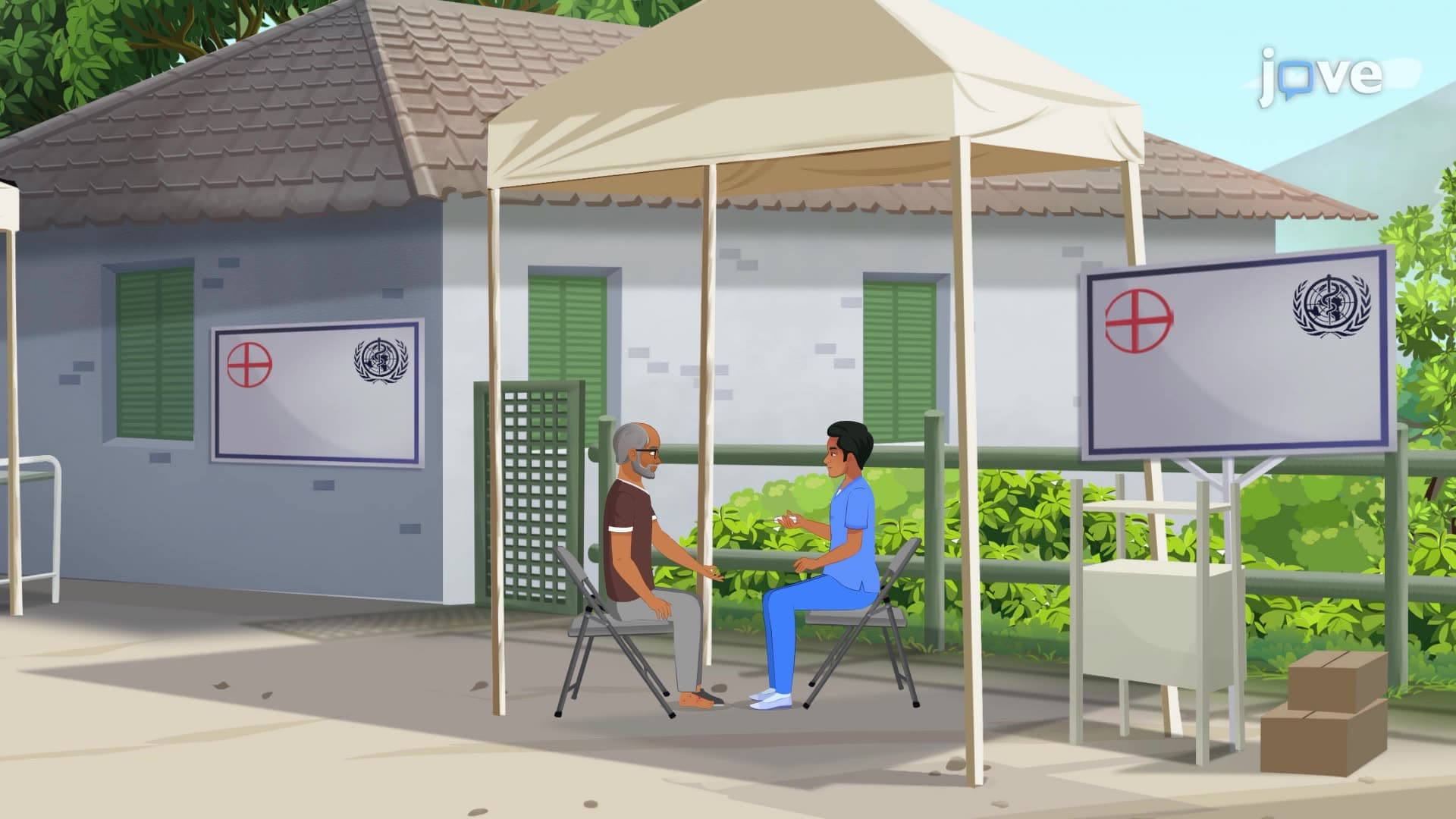
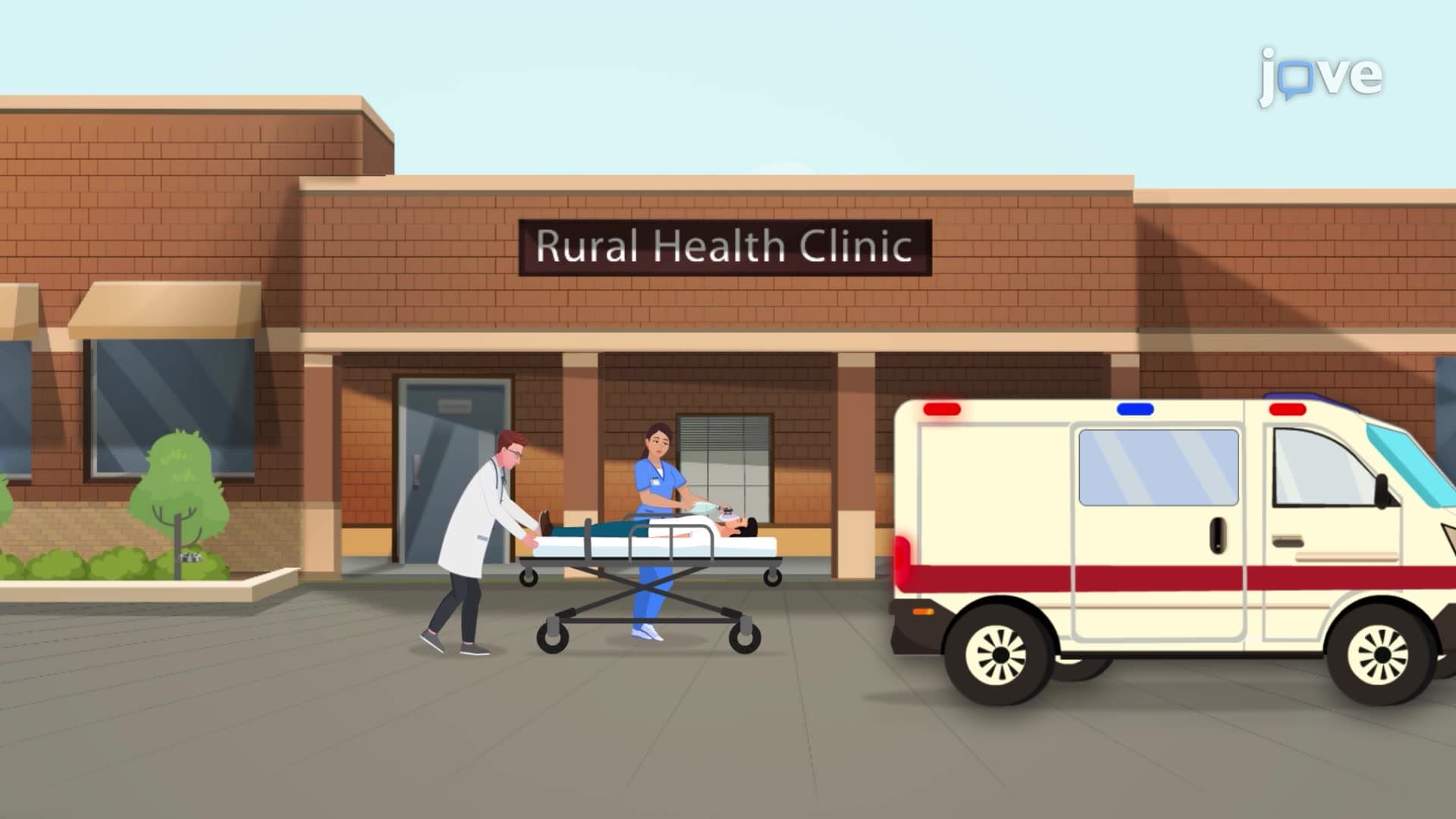
Rural health centers serve as healthcare anchors in America's most remote regions, where nearly 20% of the population lives but only 10% of physicians practice. These federally qualified health centers (FQHCs) and rural health clinics (RHCs) are typically staffed by nurse practitioners and physician assistants who provide primary care services under collaborative practice agreements. For example, the Indian Health Service operates over 600 facilities across rural America, serving Native American communities in states like Alaska, Montana, and Arizona. These centers handle everything from routine checkups to emergency stabilization before transferring patients to larger hospitals.
School-Based Health Services: Preventive Care in Educational Settings
School health programs represent one of the most cost-effective specialized care models, reaching over 50 million students nationwide. School nurses serve as the primary healthcare providers in educational settings, managing everything from diabetic students' insulin administration to responding to severe allergic reactions. In states like California and Texas, comprehensive school-based health centers provide additional services including mental health counseling and reproductive health education. These programs significantly impact academic performance, with studies showing that effective school health services reduce absenteeism by up to 15%.
Occupational Health and Rehabilitation Specialized Settings
Occupational health clinics address workplace-related injuries and illnesses, particularly important in high-risk industries like manufacturing, construction, and healthcare. Companies like General Motors and Amazon operate on-site medical facilities staffed by occupational health nurses who focus on injury prevention, ergonomic assessments, and immediate care for workplace incidents. Rehabilitation centers, meanwhile, employ multidisciplinary teams including nurses, physical therapists, and social workers to address complex recovery needs, particularly for individuals recovering from substance abuse or traumatic injuries.
This specialized care model is increasingly relevant for students preparing for healthcare careers, as questions about care settings frequently appear on nursing entrance exams like the HESI A2 and TEAS, as well as in AP Biology and Health Science courses focusing on public health systems.
Frequently Asked Questions
Specialized care centers and settings are healthcare facilities designed to serve specific populations or address particular health needs outside traditional hospital environments. These include rural health clinics, school-based health centers, occupational health facilities, homeless shelter clinics, and rehabilitation centers that provide targeted services to underserved or high-risk communities.
The NCLEX-RN frequently tests knowledge of community health nursing and specialized care settings through questions about scope of practice, referral processes, and population-specific interventions. You'll encounter scenarios involving school nurses managing diabetic students, occupational health nurses handling workplace injuries, and community health nurses working in homeless shelters.
HESI A2 anatomy and physiology sections may include questions about healthcare delivery models and nursing roles in various settings. The reading comprehension sections often feature passages about public health initiatives and specialized care programs, testing your ability to identify main ideas and supporting details about healthcare accessibility.
The Breathmobile program operates mobile asthma clinics that visit schools across Los Angeles County, serving over 6,000 students annually. Staffed by respiratory therapists and nurses, these specialized units provide on-site asthma management, medication administration, and family education, significantly reducing emergency room visits and school absences among participating students.
No prior medical experience is required to grasp these concepts. The focus is on understanding healthcare delivery models, population health needs, and basic nursing roles rather than complex medical procedures. High school students in health science courses and college undergraduates in introductory nursing or public health classes can easily master this material.
Create comparison charts highlighting the unique characteristics, staffing models, and target populations for each care setting type. Practice with case studies that require you to identify appropriate referral pathways and match healthcare needs with suitable specialized care environments.
Consider exploring health policy and healthcare economics to understand how these specialized settings are funded and regulated. You might also delve into epidemiology and population health to better understand the health disparities these centers address.
These centers provide preventive and early intervention services that cost significantly less than emergency department visits or hospital admissions. For example, school-based health centers reduce healthcare costs by approximately $3 for every $1 invested by preventing more serious health conditions and reducing missed school days.
Occupational health clinics focus specifically on work-related injuries and illnesses, requiring specialized knowledge of workplace hazards, OSHA regulations, and return-to-work protocols. These settings employ nurses trained in occupational health who understand industry-specific risks and prevention strategies that general healthcare providers might not encounter.
Related Micro-courses