Loading subject page…


37,761 views


Video Summary: What Is Healthcare Agencies I
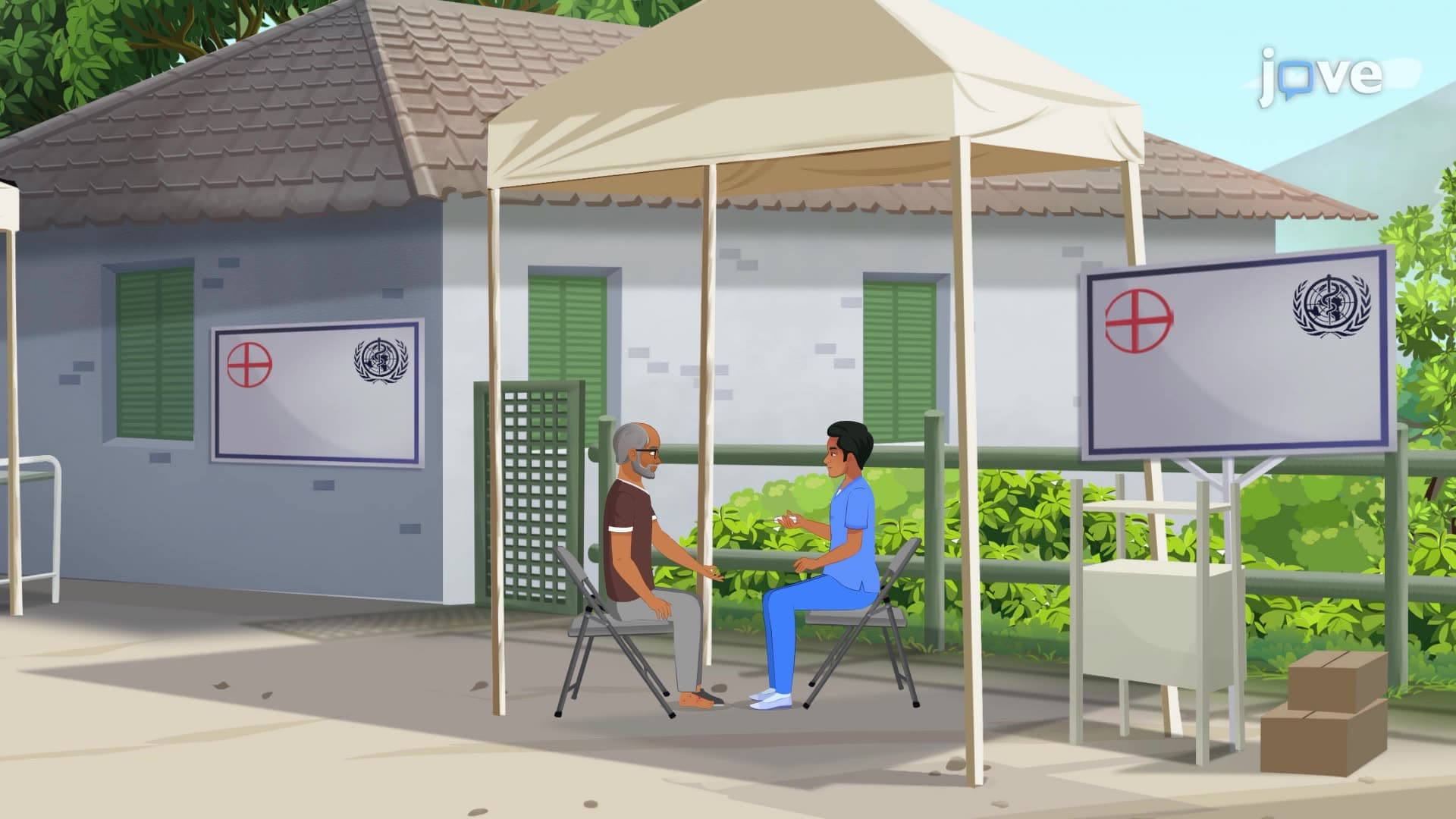
Did you know that over 35 million Americans receive services from healthcare agencies like Meals on Wheels every year? Healthcare agencies represent essential organizations that deliver vital health services across communities, ranging from non-profit volunteer groups to specialized support networks. These agencies, including prominent examples like the American Heart Association, provide everything from health screenings to emotional support for patients facing chronic conditions. Understanding What is Healthcare Agencies I reveals how these organizations fill critical gaps in our healthcare system through donations, grants, and community involvement. Watch the full video on JoVE Coach to master this concept with expert-led visuals and step-by-step explanations.
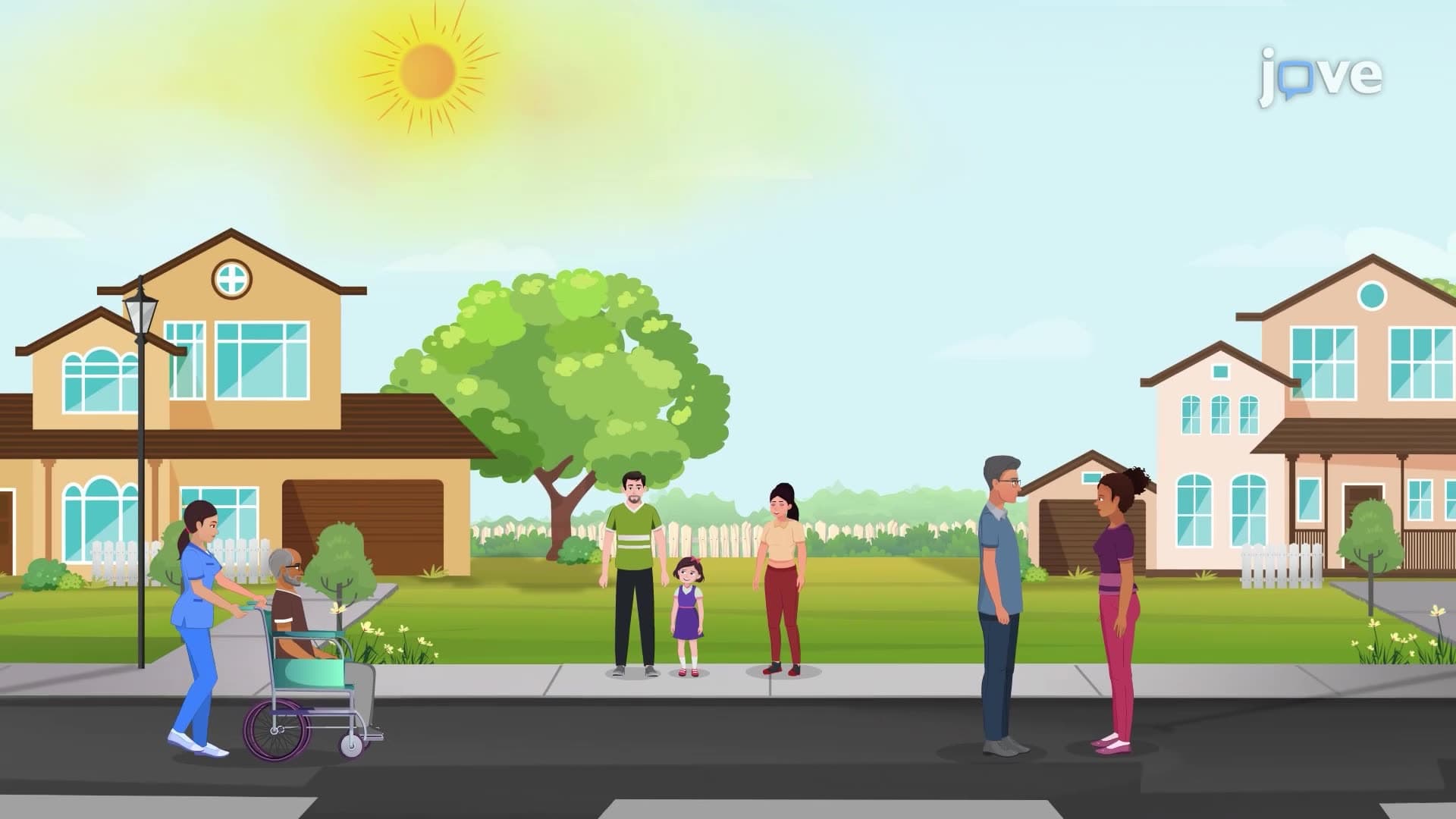
Healthcare agencies represent a diverse ecosystem of organizations that provide essential health services outside traditional hospital and clinic settings. These agencies fill critical gaps in the American healthcare landscape, particularly for underserved populations who may lack access to conventional medical care. Unlike traditional healthcare providers, these agencies often operate through community-based models that emphasize prevention, education, and ongoing support rather than acute medical treatment.
The distinction between healthcare agencies and traditional medical facilities lies primarily in their approach and funding mechanisms. While hospitals and private practices operate primarily through insurance reimbursements and direct payments, healthcare agencies typically rely on alternative funding sources including federal and state grants, private donations, corporate sponsorships, and volunteer labor. This funding model allows them to serve populations regardless of their ability to pay, making them essential components of the healthcare safety net.
Voluntary healthcare agencies constitute the largest category of these organizations in the United States. These non-profit entities depend heavily on community support and volunteer participation to deliver services. Major examples include the American Cancer Society, which provides patient navigation services and transportation to treatments, and the American Diabetes Association, which offers education programs and blood glucose monitoring supplies to low-income individuals.
Government healthcare agencies represent another significant category, including local health departments that provide immunizations, STD testing, and maternal health services. These agencies receive public funding and often serve as the primary healthcare access point for uninsured populations. The Veterans Administration, while technically a government agency, operates one of the largest integrated healthcare systems in the country, serving over 9 million veterans annually.
Healthcare agencies excel in creating support networks that address the psychological and social aspects of health conditions. Alcoholics Anonymous, with over 2 million members worldwide and approximately 1.3 million in the United States, exemplifies how peer support can complement traditional medical treatment. These organizations understand that successful health outcomes often depend on factors beyond medical intervention, including social support, lifestyle modification, and ongoing encouragement.
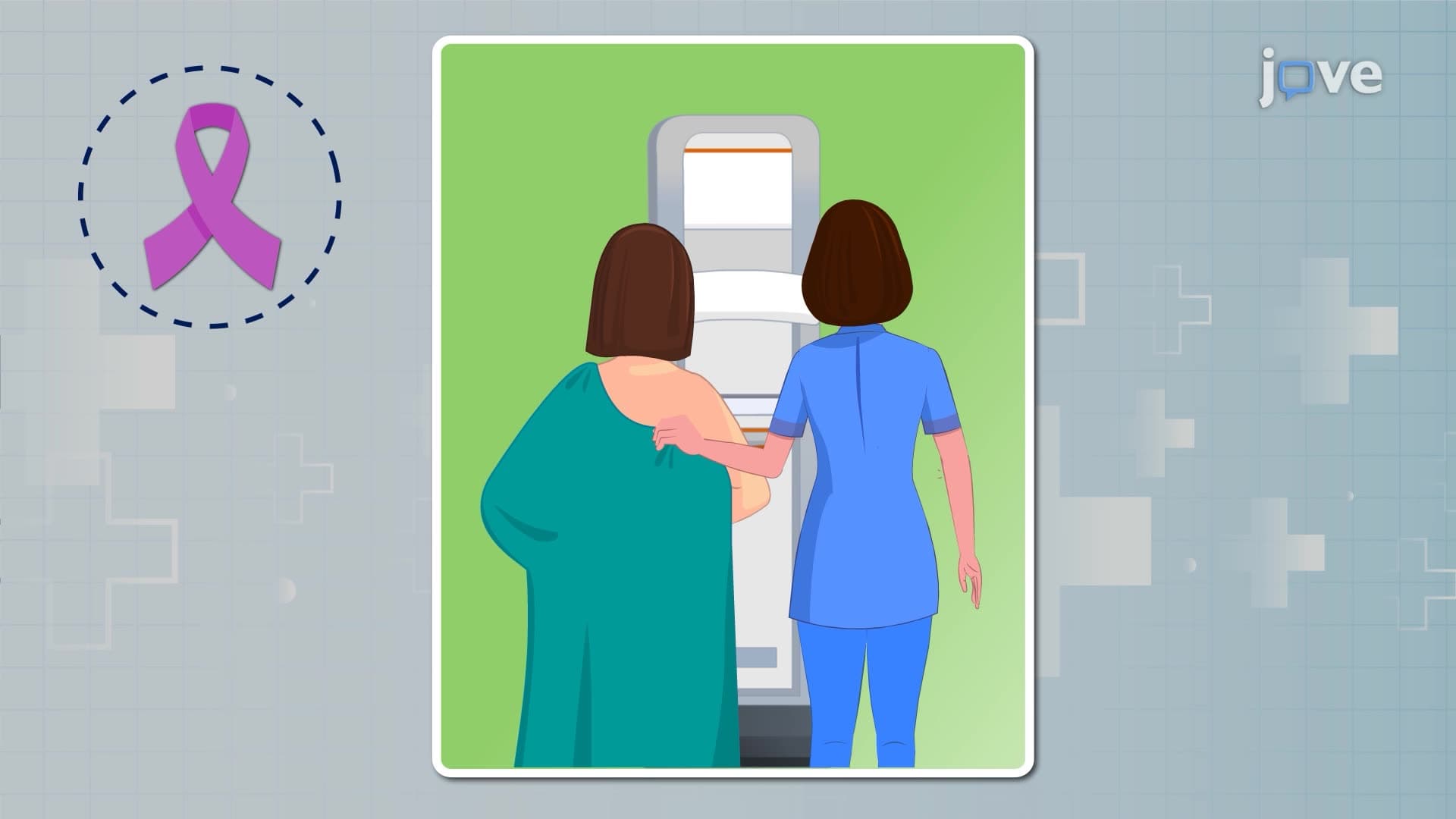
Cancer support groups demonstrate another vital function of healthcare agencies. Organizations like CancerCare provide free counseling, support groups, and practical assistance to cancer patients and their families. The Reach to Recovery program, operated by the American Cancer Society, specifically trains breast cancer survivors to provide peer support to newly diagnosed women, offering practical advice about prostheses, exercises, and emotional coping strategies.
For students preparing for healthcare careers, understanding healthcare agencies is crucial for several standardized examinations. The NCLEX-RN regularly includes questions about community resources and referral processes. MCAT social sciences sections often test knowledge of healthcare delivery systems, including the role of non-profit agencies. AP Psychology courses examine support groups as examples of group therapy and social support systems. College-level public health courses extensively cover healthcare agencies as components of population health strategies, making this knowledge essential for students pursuing careers in nursing, social work, public health, and healthcare administration.
Related Micro-courses