Loading subject page…


37,761 views

Video Summary: What Is Healthcare Agencies Ii
Did you know that over 9 million veterans receive care through specialized government healthcare agencies across America? Healthcare agencies encompass diverse organizations including religious parish nursing programs and government-funded institutions like VA hospitals. What is Healthcare Agencies II reveals how these specialized healthcare delivery systems serve distinct populations, from faith communities receiving holistic care to military personnel accessing dedicated medical services through the Veterans Administration. Watch the full video on JoVE Coach to master this concept with expert-led visuals and step-by-step explanations.
Healthcare agencies represent specialized healthcare delivery systems that extend far beyond conventional hospitals and private practices. These organizations serve specific populations with tailored approaches, funding mechanisms, and care philosophies that address unique community needs across the United States.
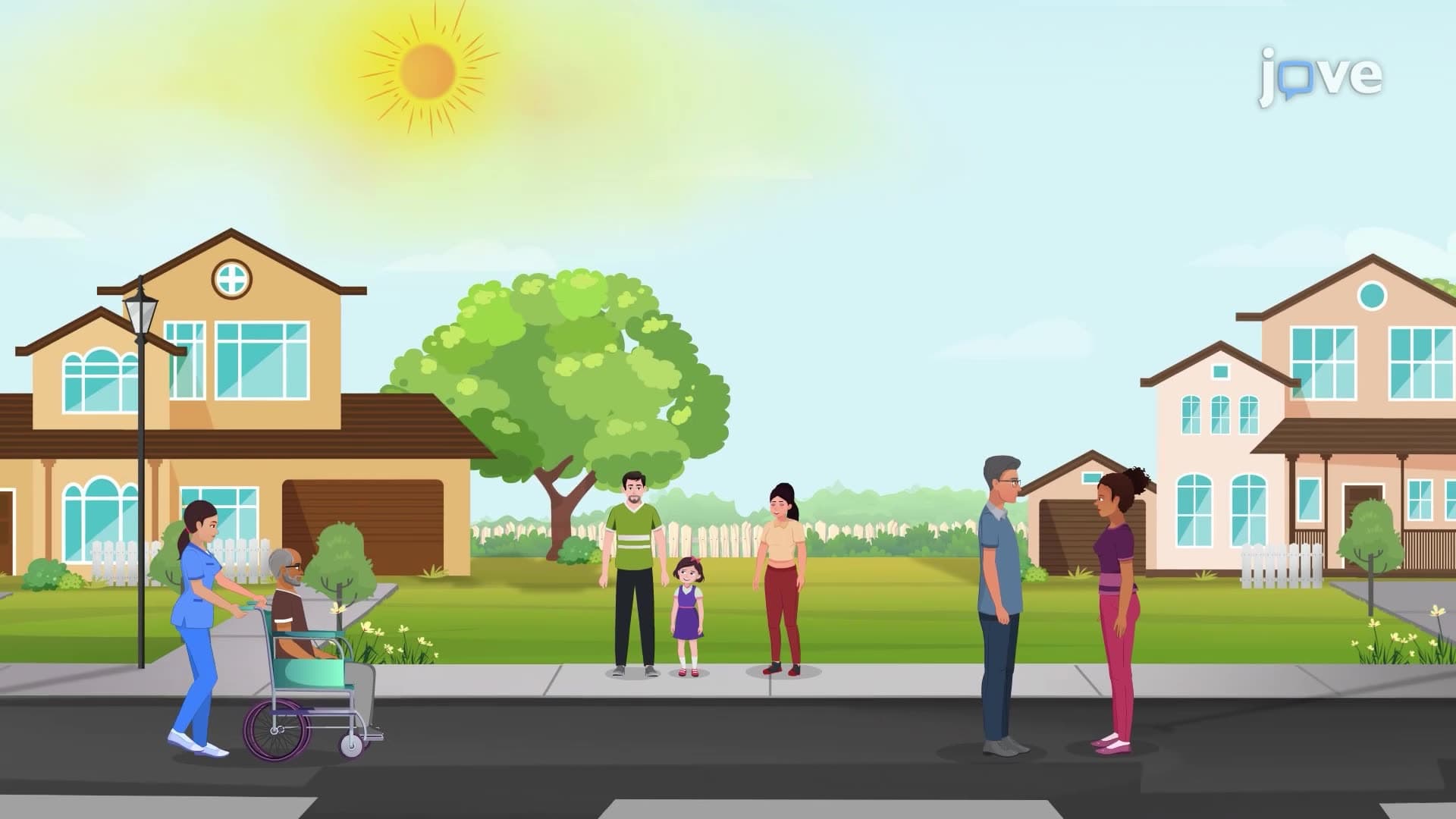
Religious healthcare agencies, particularly parish nursing programs, integrate spiritual care with traditional healthcare services. Parish nurses work within faith communities to provide holistic care that addresses physical, emotional, and spiritual well-being. These specialized practitioners focus heavily on health promotion and disease prevention, conducting health screenings at churches, organizing wellness programs, and providing health education to congregation members.
Major religious healthcare systems like Ascension Health, CommonSpirit Health, and Trinity Health operate hundreds of hospitals nationwide, serving millions of Americans annually. These organizations often prioritize care for underserved populations, reflecting their mission-driven approach to healthcare delivery. Parish nurses within these systems frequently collaborate with social workers, chaplains, and community health workers to address social determinants of health affecting vulnerable groups including elderly congregants, single-parent families, and low-income community members.
Government-funded healthcare agencies operate through federal, state, and local tax revenues to serve specific populations with unique healthcare needs. The Department of Veterans Affairs (VA) represents the largest integrated healthcare system in America, operating over 1,200 facilities including medical centers, community-based outpatient clinics, and specialized treatment programs for veterans.
Military healthcare systems, including facilities operated by the Department of Defense, provide comprehensive medical services to active-duty personnel, retirees, and their families through programs like TRICARE. These systems often lead in medical innovation, trauma care, and specialized treatments for combat-related injuries.
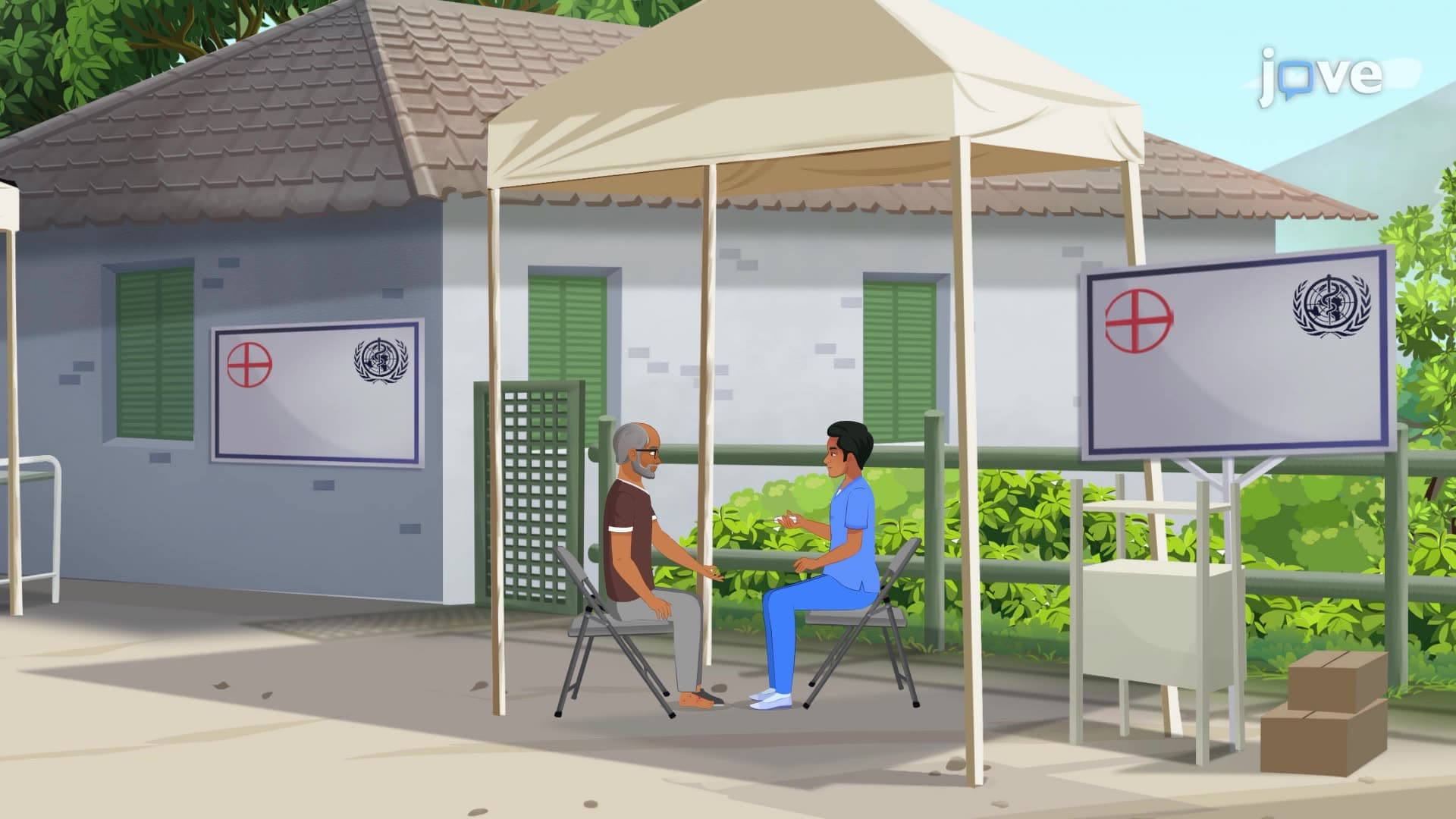
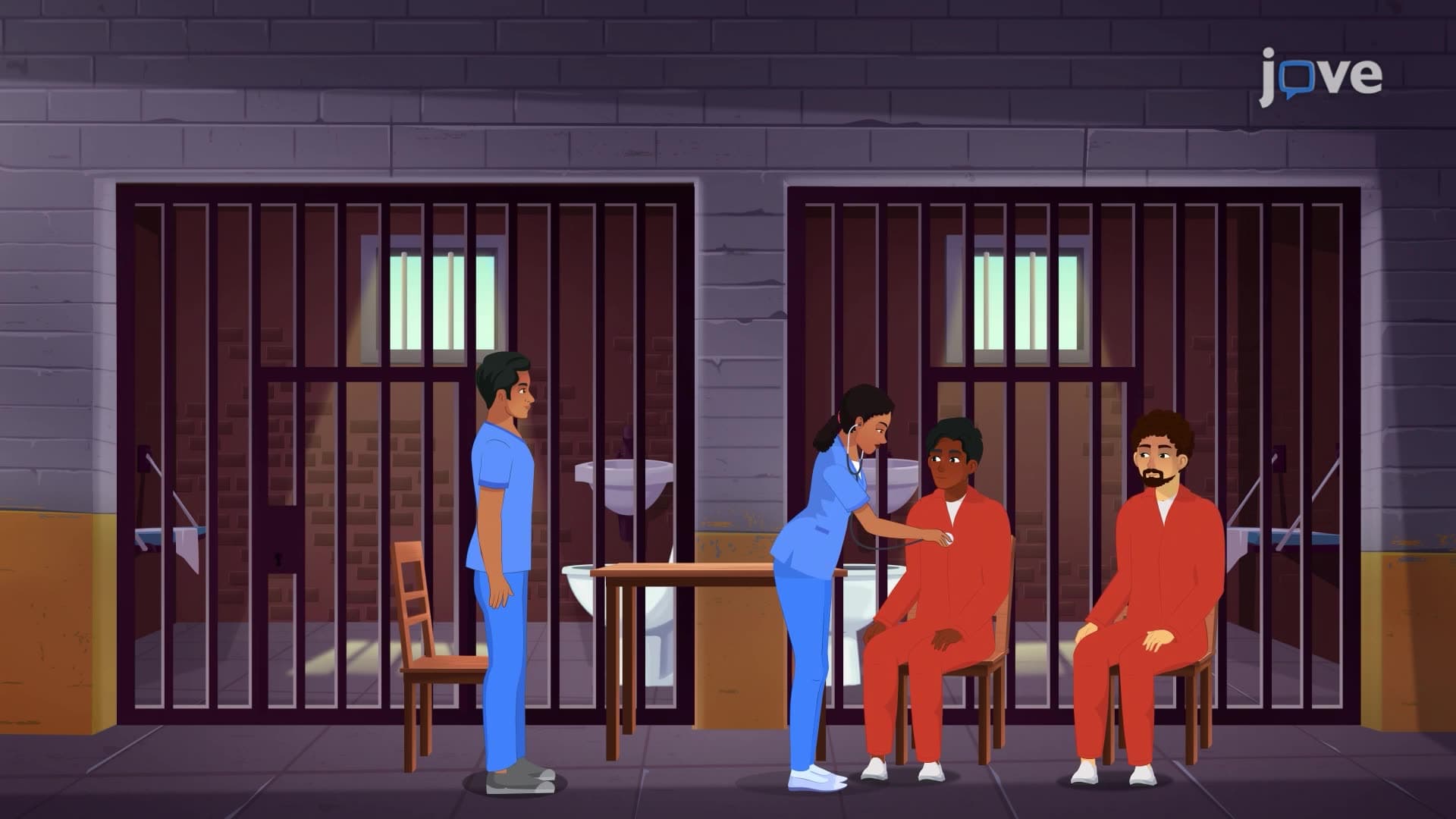
The Public Health Service (PHS) encompasses agencies like the Centers for Disease Control and Prevention (CDC) and Food and Drug Administration (FDA), which focus on population health, disease surveillance, and regulatory oversight. PHS also deploys healthcare professionals to underserved areas, correctional facilities, and during public health emergencies, as demonstrated during the COVID-19 pandemic response.
Understanding these healthcare agency types proves essential for students preparing for healthcare careers and standardized exams like the NCLEX-RN, MCAT, or AP Biology. Nursing students must recognize how care delivery varies between settings-parish nurses emphasize community health education and spiritual care integration, while VA nurses specialize in veteran-specific conditions like PTSD and traumatic brain injury.
These concepts frequently appear in college-level health sciences coursework, public health examinations, and healthcare administration programs, where students analyze healthcare delivery models, funding mechanisms, and population-specific care approaches.
Related Micro-courses