Loading subject page…


37,756 views


Video Summary: What Is Integrated Healthcare System
Did you know that over 60% of Americans receive care through an integrated healthcare system without even realizing it? An integrated healthcare system connects multiple healthcare providers under unified management to deliver coordinated care to specific populations. For example, Kaiser Permanente operates as both an insurance company and healthcare provider, managing everything from primary care to specialized treatments. This comprehensive approach to what is integrated healthcare system helps reduce costs while improving patient outcomes through seamless care coordination. Watch the full video on JoVE Coach to master this concept with expert-led visuals and step-by-step explanations.
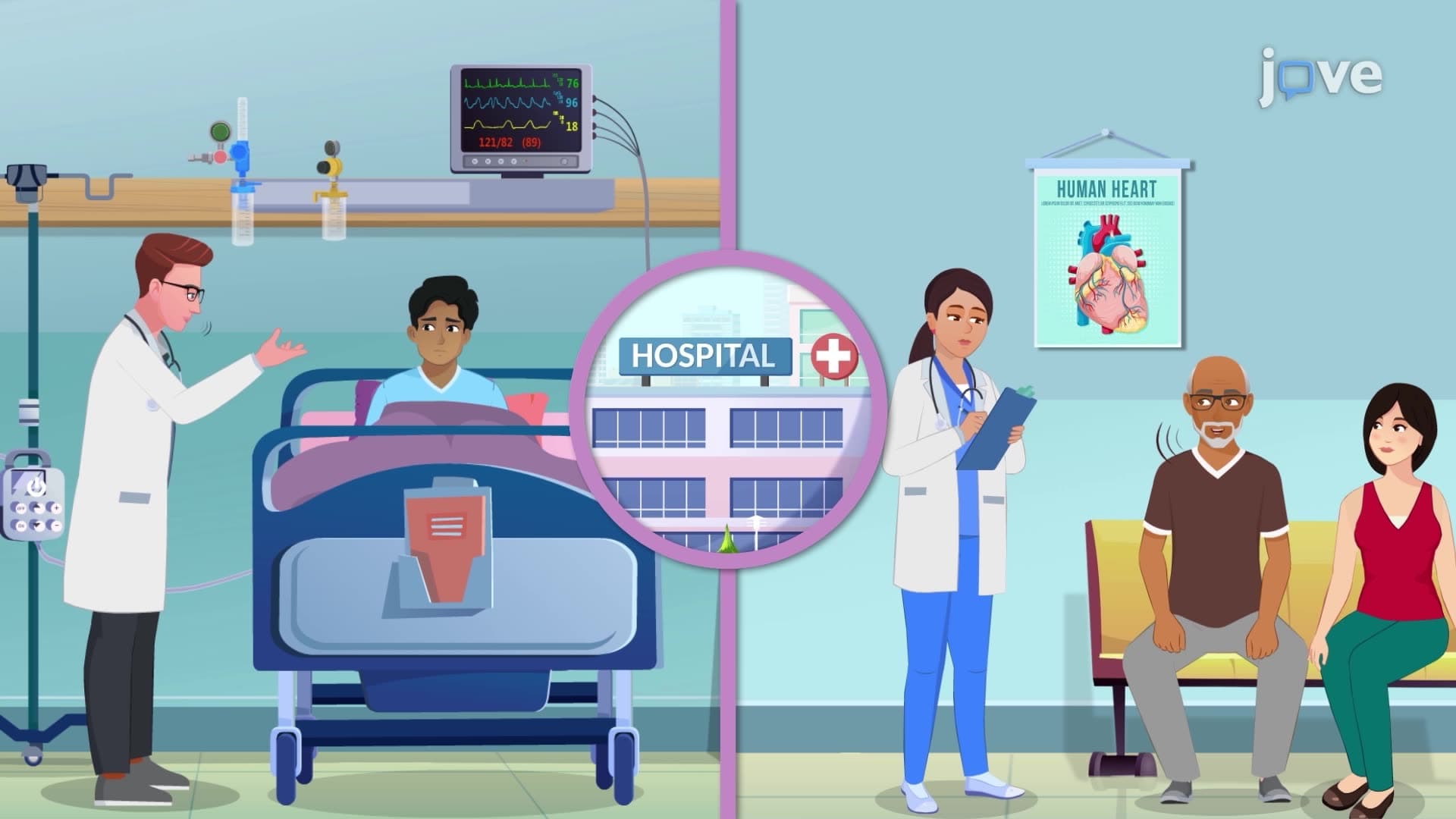
An integrated healthcare system represents a fundamental shift from the traditional fragmented approach to medical care. Rather than operating as isolated entities, these systems unite multiple healthcare organizations under coordinated management to serve specific patient populations. The integration extends beyond simple business partnerships-it creates a unified approach to patient care that spans prevention, treatment, and ongoing health management.
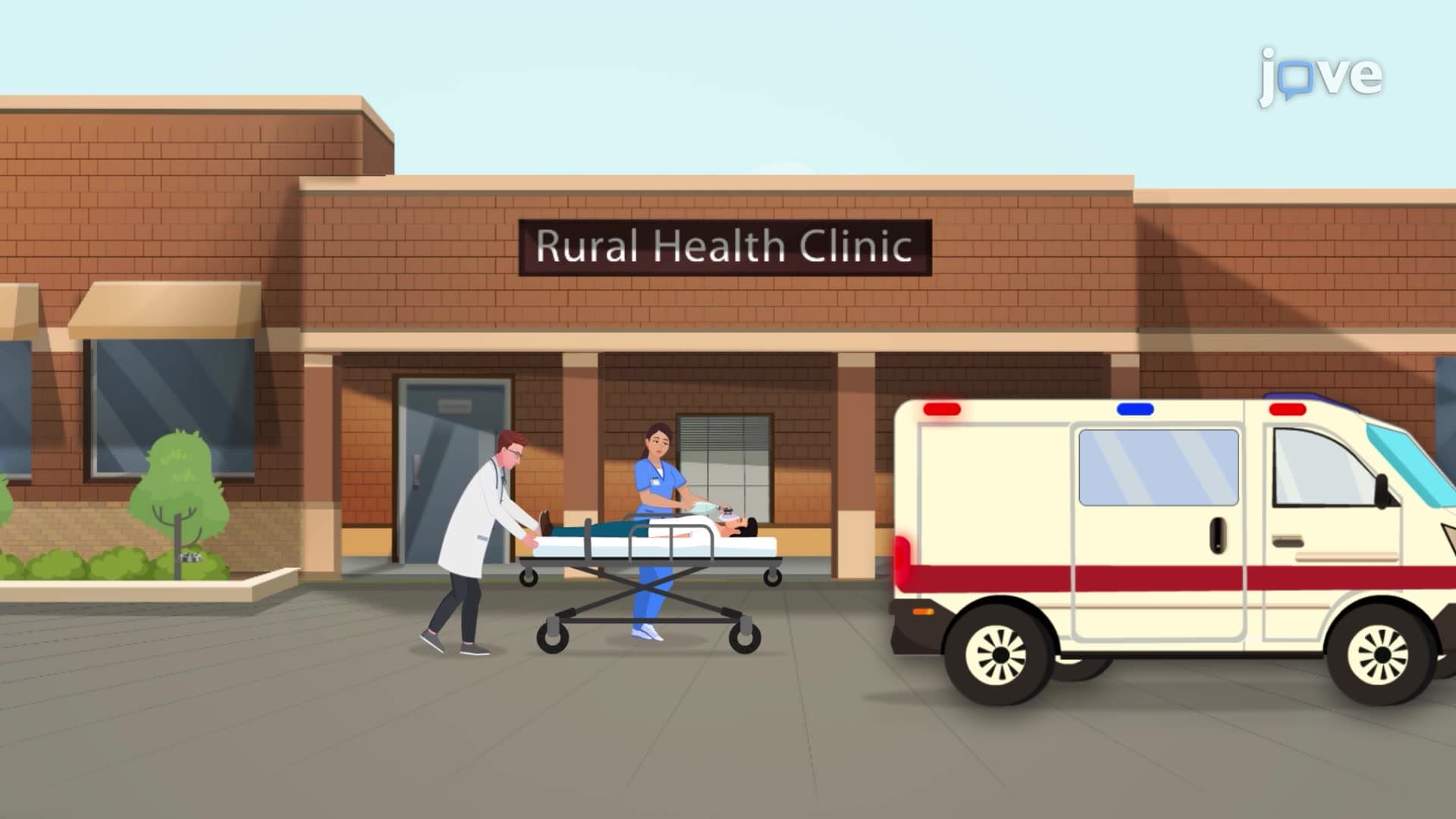
Healthcare integration occurs through two primary mechanisms. Horizontal integration brings together organizations providing similar levels of care under unified management. A prime example is the merger of regional hospitals like HCA Healthcare, which operates over 180 hospitals across 20 states, creating extensive networks that share resources, protocols, and expertise. This approach eliminates redundancies and improves access to specialized services across geographic regions.
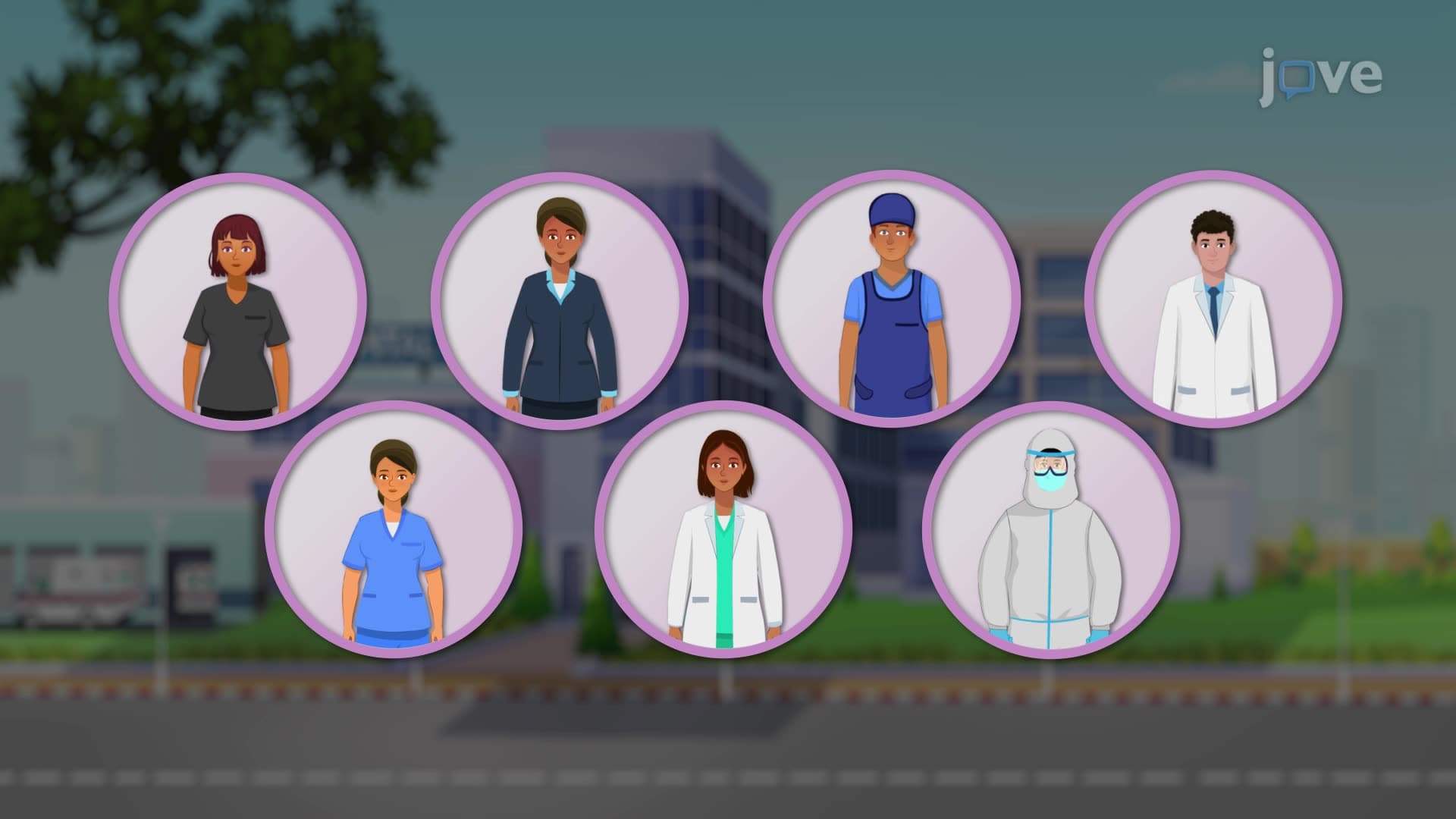
Vertical integration, conversely, combines organizations delivering different levels of care throughout the healthcare continuum. Mayo Clinic exemplifies this model by integrating primary care physicians, specialists, hospitals, research facilities, and even medical education under one organizational umbrella. This comprehensive approach ensures patients receive seamless care transitions from initial consultation through complex treatments and follow-up care.
Integrated systems assume dual responsibility for clinical outcomes and financial performance across their defined patient populations. This accountability model incentivizes preventive care and chronic disease management, as the system benefits financially from keeping patients healthy rather than simply treating illnesses. For students preparing for healthcare administration courses or the MCAT, understanding this shift from fee-for-service to value-based care represents a crucial concept in modern healthcare economics.
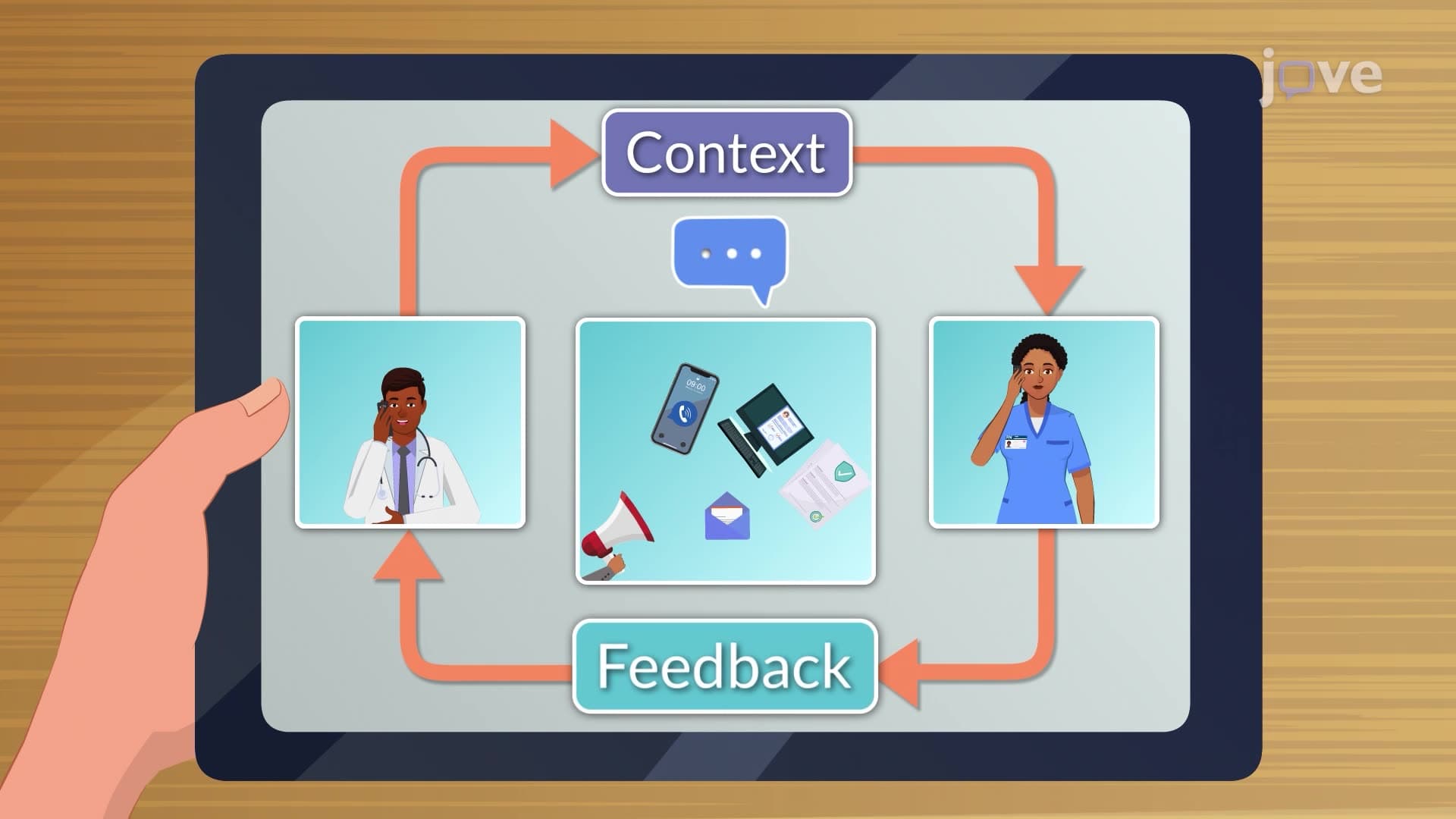
The effectiveness of integrated healthcare systems becomes evident in performance metrics. Organizations like Geisinger Health System in Pennsylvania demonstrate how integration reduces hospital readmissions, improves patient satisfaction scores, and controls healthcare costs. These systems utilize electronic health records, care coordination protocols, and population health analytics to optimize patient outcomes-concepts frequently tested in AP Biology, health sciences courses, and pre-medical examinations.
For college students studying healthcare management or public health, integrated systems provide practical examples of how organizational structure directly impacts patient care quality and healthcare accessibility across diverse communities.
Related Micro-courses