Loading subject page…


53,708 views


Video Summary: Aim of Nursing Roles and Responsibilities
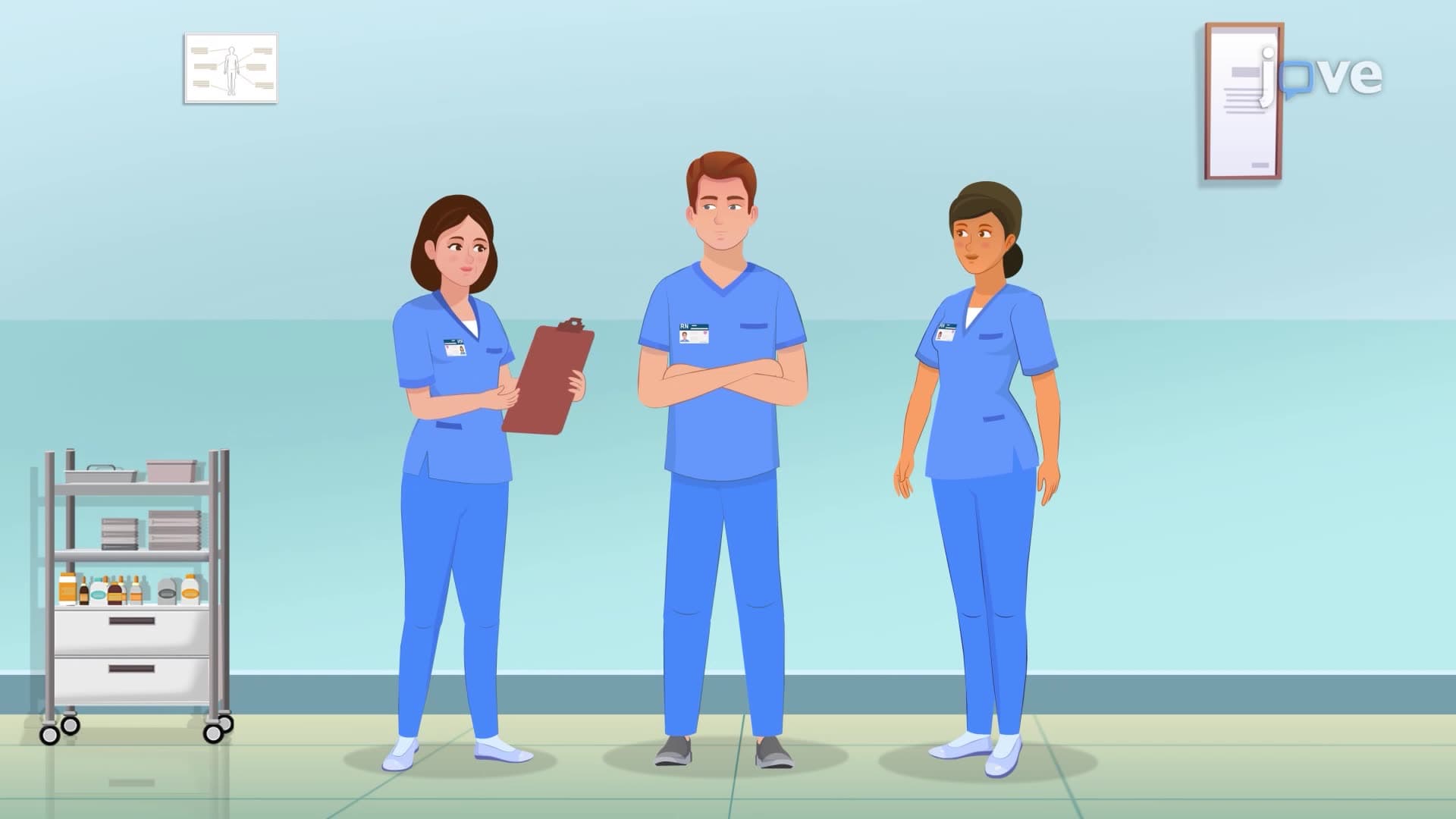
Did you know that nurses at Houston Methodist Hospital prevent over 2,000 infections annually through evidence-based health promotion? The aim of nursing: roles and responsibilities encompasses five critical areas that define modern healthcare delivery. From encouraging healthy lifestyle choices in community clinics to providing compassionate end-of-life care in hospice settings, nurses serve as healthcare's frontline advocates and caregivers. Watch the full video on JoVE Coach to master this concept with expert-led visuals and step-by-step explanations.
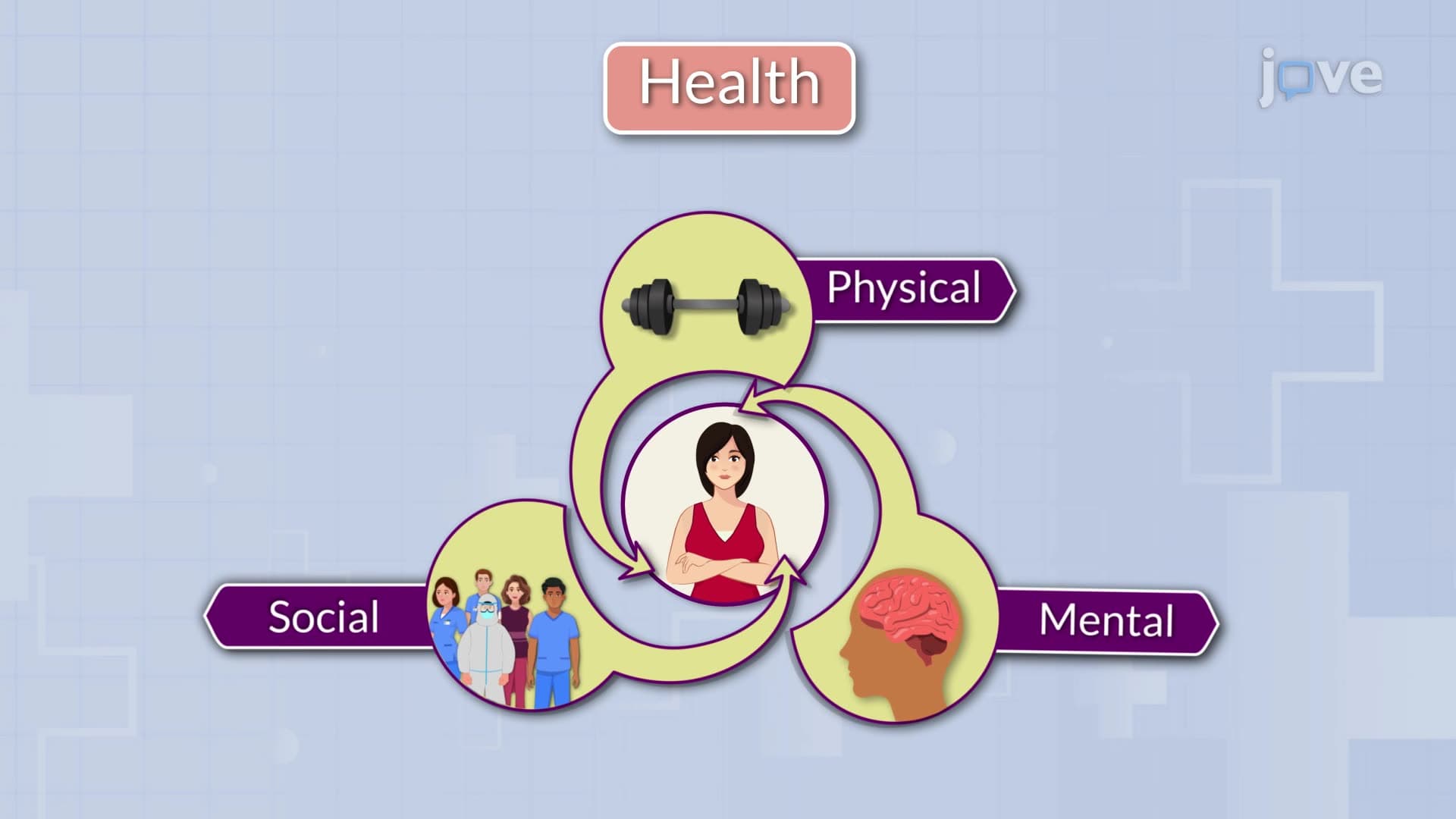
The aim of nursing: roles and responsibilities represents a comprehensive approach to healthcare that extends far beyond basic medical tasks. This framework, established by nursing theorists like Florence Nightingale and refined by modern practitioners, defines nursing as both an art and science focused on holistic patient care.
Nurses serve as health educators and lifestyle coaches, working in schools, community centers, and corporate wellness programs. At Kaiser Permanente clinics across California, nurses conduct nutritional counseling sessions, stress management workshops, and fitness assessments. This proactive approach reduces healthcare costs-studies show every dollar spent on nurse-led health promotion saves $3-5 in treatment expenses. For students preparing for the NCLEX-RN exam, understanding health promotion strategies is crucial, as questions often test knowledge of community health interventions and patient education techniques.
Prevention-focused nursing involves early detection and intervention strategies. Nurses at Cleveland Clinic's preventive medicine department administer vaccines, conduct mammography screenings, and provide prenatal care that reduces infant mortality rates. These activities require understanding of epidemiology, immunology, and health screening protocols-topics frequently tested on the MCAT and featured in AP Biology coursework covering public health concepts.
When illness occurs, nurses become recovery facilitators using evidence-based practice protocols. At Mayo Clinic's cardiac units, nurses implement standardized care plans that reduce readmission rates by 25%. This involves critical thinking skills tested on HESI A2 exams, where students must demonstrate clinical reasoning abilities. The nursing process-assess, diagnose, plan, implement, evaluate-forms the backbone of therapeutic interventions and appears extensively in college nursing fundamentals courses.
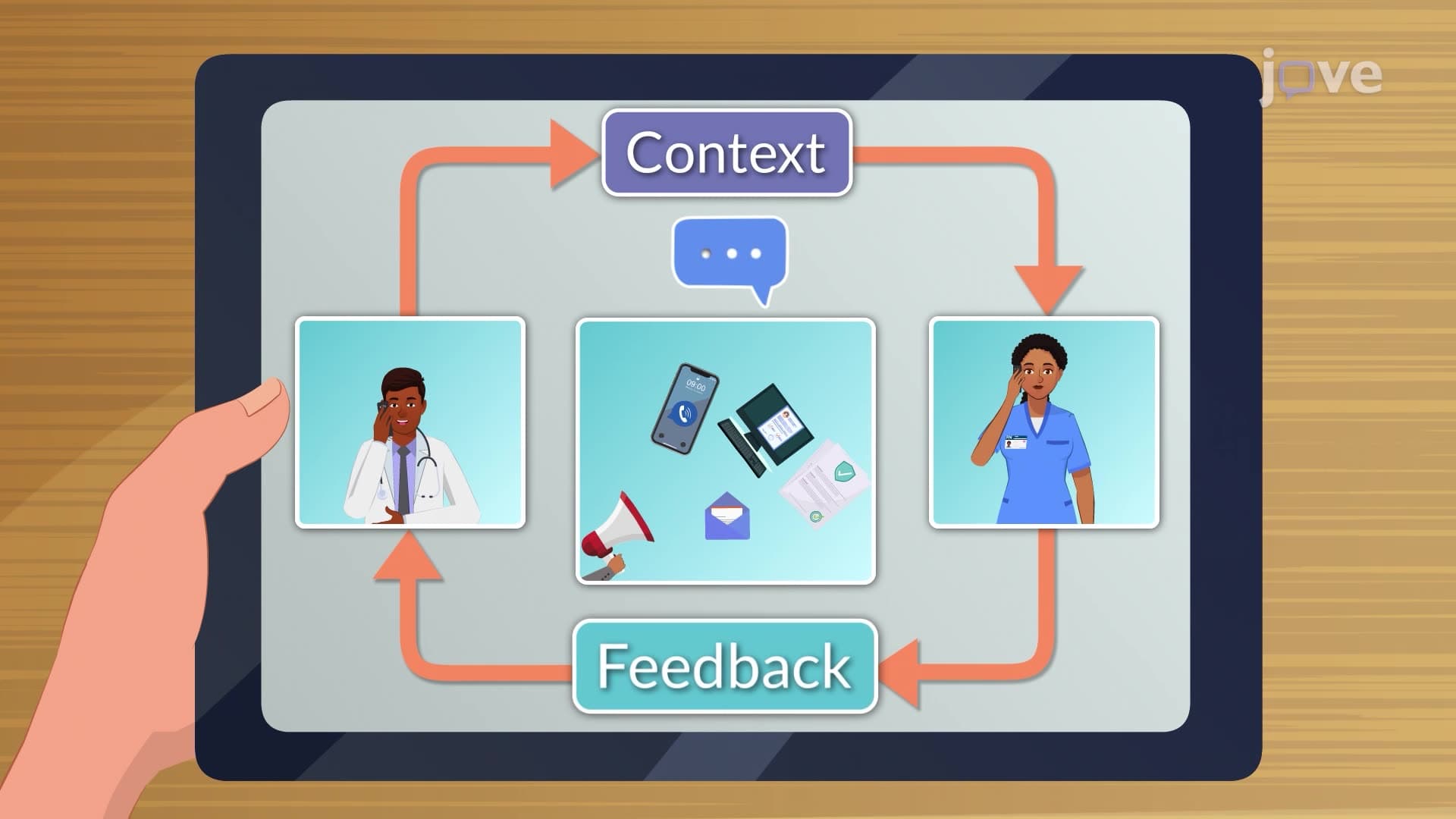
Caring for disabled and terminally ill patients requires advanced communication skills and cultural competency. Hospice nurses at Visiting Nurse Service agencies provide pain management, family support, and dignified end-of-life care. This aspect of nursing, emphasized in TEAS exam scenarios, demonstrates how nurses balance clinical expertise with emotional intelligence to serve society's most vulnerable members.
Related Micro-courses