Loading subject page…


53,708 views

Video Summary: Current Trends in Nursing Advanced Roles and Healthcare Transformation
Did you know that nurses at Kaiser Permanente can now monitor patients' vital signs remotely using AI-powered devices, revolutionizing healthcare delivery? Current trends in nursing: advanced roles and healthcare transformation are reshaping how healthcare professionals deliver patient care across the United States. From telehealth platforms enabling virtual consultations to evidence-based practices informed by real-time research, these emerging trends address critical nursing shortages while improving patient outcomes. Watch the full video on JoVE Coach to master this concept with expert-led visuals and step-by-step explanations.
The nursing profession stands at a pivotal moment in healthcare history. As the largest healthcare workforce in the United States, nurses are experiencing unprecedented changes that extend far beyond traditional bedside care. These transformations reflect broader societal shifts, technological advances, and evolving patient needs that demand innovative approaches to healthcare delivery.
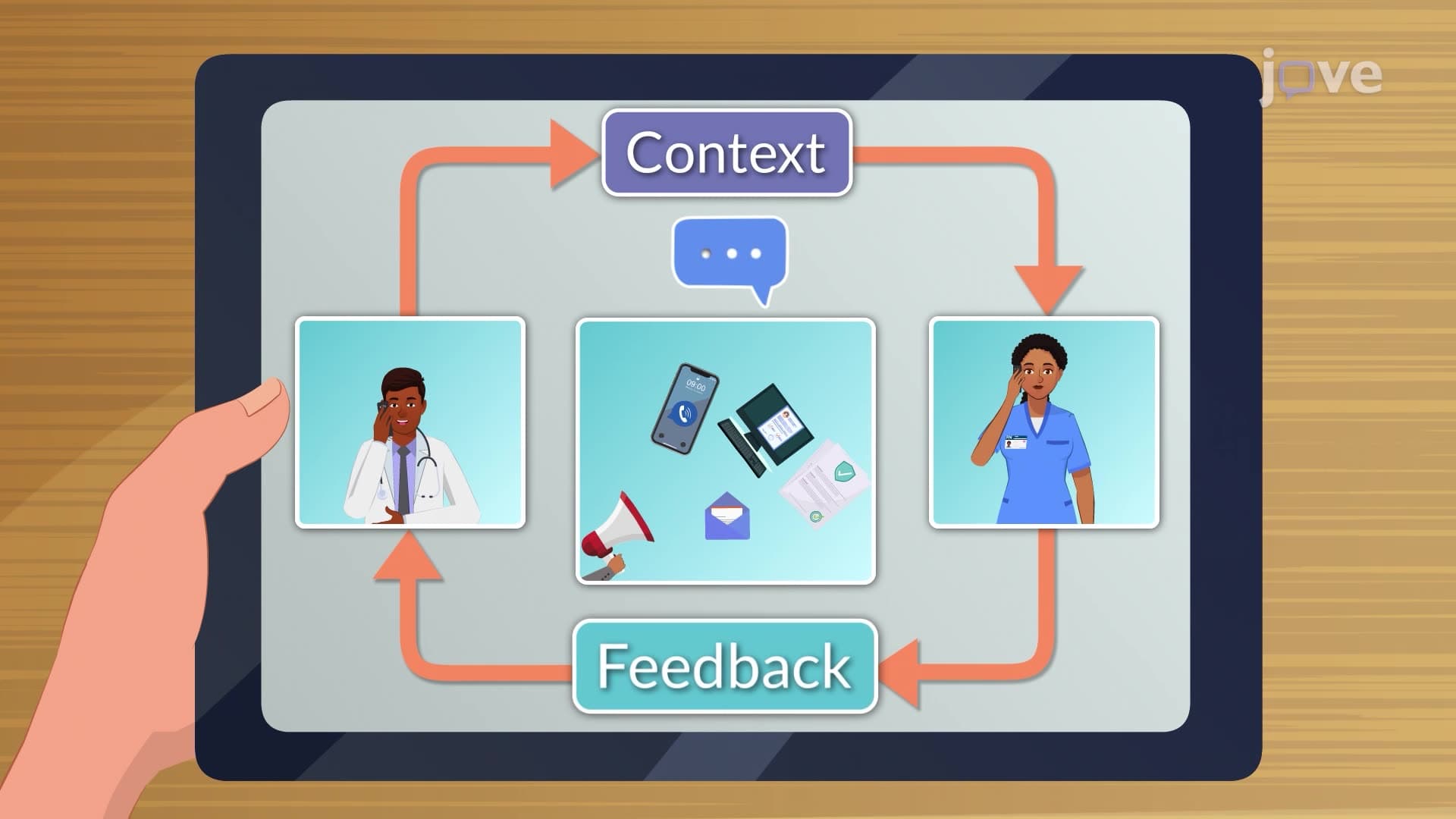
Telehealth has emerged as a cornerstone of modern nursing practice, particularly accelerated by the COVID-19 pandemic. Nurses working for organizations like Cleveland Clinic and Mayo Clinic now conduct virtual assessments, medication management, and patient education through secure digital platforms. Remote patient monitoring represents a significant advancement, where nurses can track patients' blood pressure, glucose levels, and heart rhythms from miles away using connected devices.
This technological shift addresses two critical challenges: nursing shortages and healthcare accessibility. The American Nurses Association reports that turnover rates in nursing have reached 27%, making remote care capabilities essential for maintaining patient coverage. Students preparing for the NCLEX-RN examination must understand how telehealth protocols integrate with traditional nursing processes, as these concepts increasingly appear in licensing examinations.
Evidence-based nursing practice has evolved from a theoretical concept to a practical necessity. Modern nurses must continuously evaluate research findings and integrate them into patient care protocols. For instance, nurses at Johns Hopkins Hospital regularly participate in research studies that directly influence their daily practices, from infection control procedures to pain management techniques.
This trend significantly impacts nursing education and certification exams like the HESI A2 and TEAS, which now emphasize critical thinking and research interpretation skills. College-level nursing courses require students to analyze peer-reviewed studies and apply findings to clinical scenarios, preparing them for advanced practice roles that demand evidence-based decision-making.
The democratization of health information through internet accessibility has fundamentally changed the nurse-patient relationship. Patients arrive at healthcare facilities with pre-researched information, questions about treatment alternatives, and expectations for collaborative care planning. Nurses must now serve as information validators, helping patients distinguish between credible medical sources and misinformation.
AI integration represents the most transformative trend in nursing practice. Electronic health records now feature predictive analytics that alert nurses to potential patient deterioration, medication interactions, and fall risks. Nurses at leading institutions like Massachusetts General Hospital work alongside AI systems that analyze patient data patterns, enabling more precise interventions and improved patient outcomes.
Related Micro-courses