Loading subject page…


53,708 views

Video Summary: What Is International Nursing Organizations Ii
Did you know that the World Health Organization coordinates healthcare responses across 194 countries, including emergency nursing deployment during crises like Hurricane Katrina? International nursing organizations II encompasses global bodies like WHO that shape nursing practice through evidence-based policies, workforce development, and cross-border collaboration. These organizations establish ethical recruitment standards and create virtual networking platforms connecting American nurses with international colleagues. What is International Nursing Organizations II represents a critical framework for understanding how global health governance impacts local nursing practice. Watch the full video on JoVE Coach to master this concept with expert-led visuals and step-by-step explanations.
International nursing organizations II refers to the second tier of global health governance bodies that directly influence nursing practice, education, and policy worldwide. Unlike national nursing organizations such as the American Nurses Association, these international entities operate across borders to address global health challenges, standardize nursing practices, and facilitate professional collaboration on a worldwide scale.
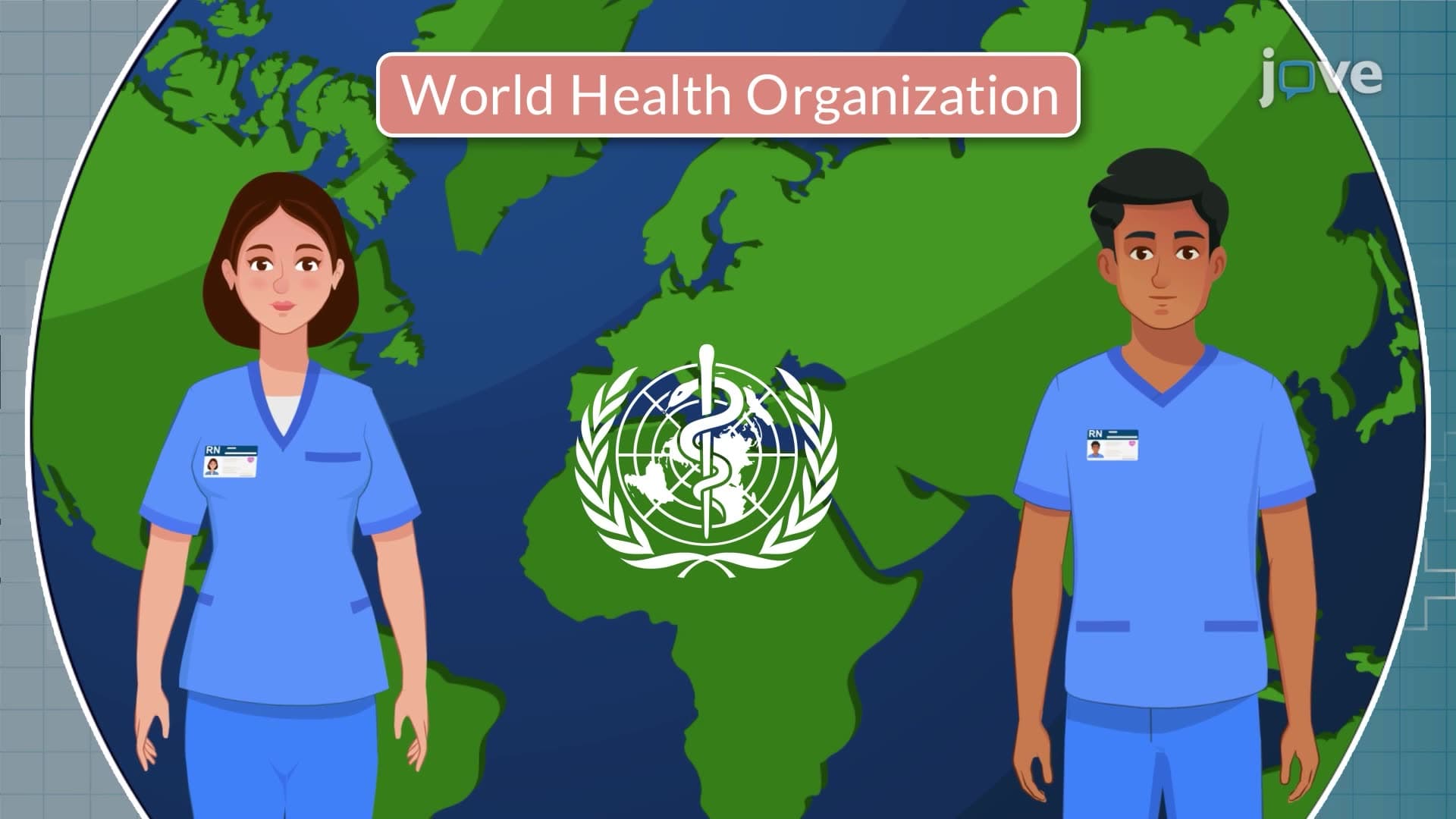
The World Health Organization stands as the most influential international nursing organization, serving 194 member states including the United States. WHO's impact on American nursing extends far beyond policy recommendations. During the COVID-19 pandemic, WHO guidelines directly influenced Centers for Disease Control and Prevention protocols that governed nursing practice in US hospitals. The organization's Global Strategic Directions for Nursing and Midwifery 2021-2025 provides a roadmap that American nursing schools and healthcare systems use to align with international best practices.
WHO's Global Code of Practice on the International Recruitment of Health Personnel directly affects US healthcare facilities that recruit international nurses. This framework ensures ethical recruitment practices and helps address nursing shortages in underserved American communities while protecting source countries from brain drain.
The WHO's Nursing and Midwifery Global Community of Practice represents a revolutionary approach to international nursing collaboration. This virtual platform connects over 28 million nurses worldwide, including thousands of American nurses seeking global perspectives on healthcare delivery. US nursing students can access this platform to understand international approaches to mental health awareness, climate-related health impacts, and infectious disease management.
Understanding international nursing organizations proves essential for several US-based assessments. The NCLEX-RN examination increasingly includes questions about global health competencies and international nursing standards. Medical College Admission Test (MCAT) social sciences sections frequently test knowledge of WHO programs and international health governance. College-level Global Health and Community Health Nursing courses rely heavily on WHO frameworks and international nursing organization policies.
American nurses pursuing advanced degrees or leadership roles often encounter international nursing organization content in graduate coursework. Master of Science in Nursing programs emphasize global health competencies, while Doctor of Nursing Practice students must demonstrate understanding of international healthcare delivery models and cross-border nursing collaboration strategies.
Related Micro-courses