Loading subject page…


53,708 views

Video Summary: What Is National Nursing Organizations Ii
Did you know that over 4 million registered nurses in the United States rely on professional organizations to shape their careers and patient care standards? National nursing organizations II encompasses critical professional bodies like the American Association of Critical-Care Nurses (AACN), which sets staffing standards for intensive care units across major hospitals like Johns Hopkins and Mayo Clinic. Understanding what is national nursing organizations II reveals how these groups create certification programs, accreditation standards, and advocacy platforms that directly impact nursing education and practice. Watch the full video on JoVE Coach to master this concept with expert-led visuals and step-by-step explanations.
National nursing organizations II represents a comprehensive system of professional bodies that govern, support, and advance the nursing profession in the United States. These organizations serve as the backbone of nursing practice, establishing everything from educational standards to workplace policies that affect millions of healthcare workers and patients daily.
The concept builds upon foundational nursing organizations by focusing on specialized groups that address specific aspects of professional development, accreditation, and student support. Unlike general nursing associations, these organizations target particular segments of the nursing community with tailored resources and advocacy efforts.
The AACN stands as the world's largest specialty nursing organization, representing over 120,000 acute and critical care nurses. This organization revolutionizes patient care through six essential standards for healthy work environments: appropriate staffing, meaningful recognition, true collaboration, effective decision-making, authentic leadership, and skilled communication.
In practice, AACN standards directly impact how intensive care units operate at major medical centers like Cleveland Clinic and Massachusetts General Hospital. Their certification programs, including the Critical Care Registered Nurse (CCRN) credential, help nurses demonstrate expertise in high-stakes environments where split-second decisions can mean the difference between life and death.
For students preparing for the NCLEX-RN or nursing school exams, understanding AACN's evidence-based approach to critical care provides crucial insight into modern nursing practice expectations and professional development pathways.
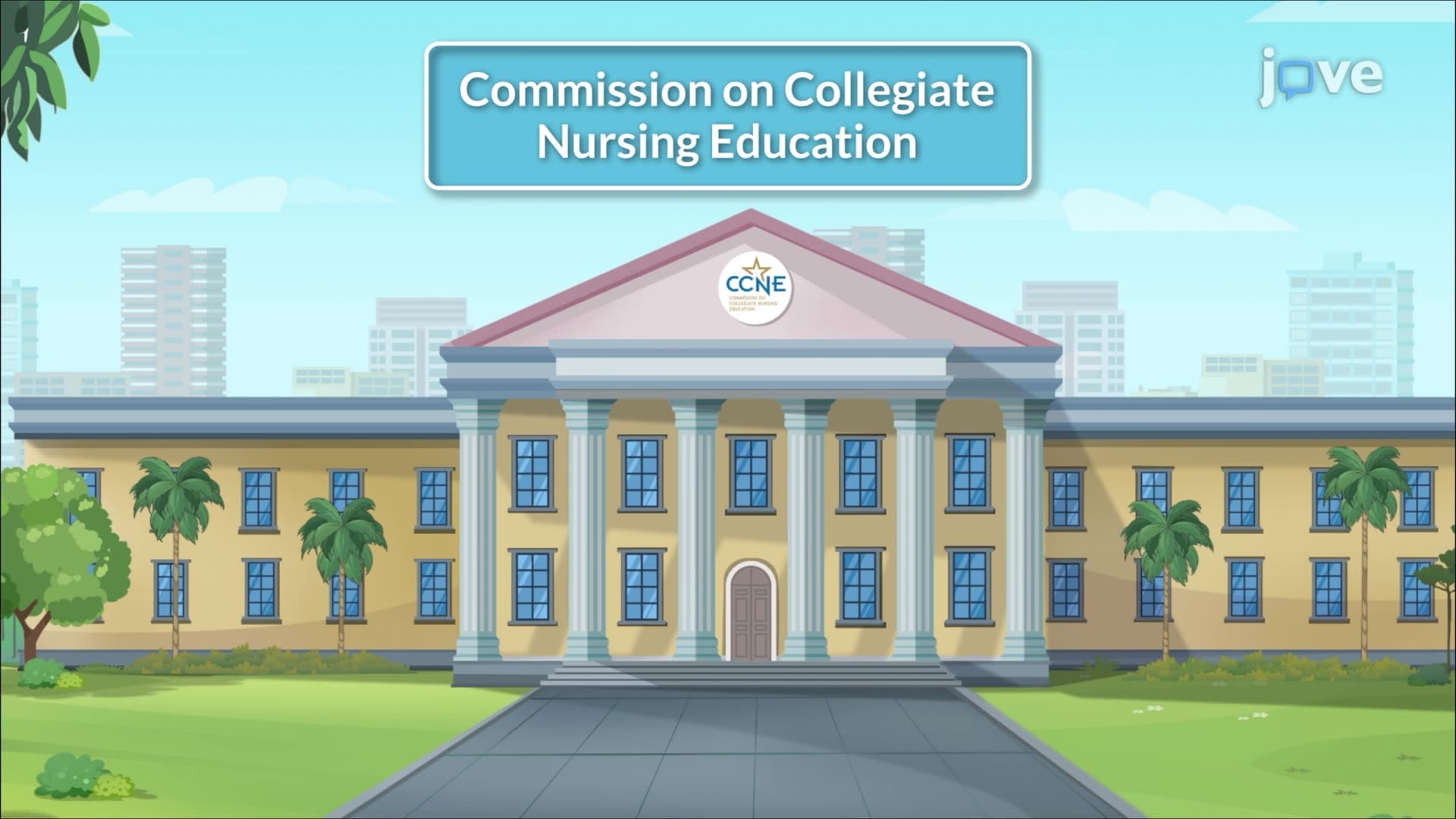
CCNE serves as the gold standard for nursing education accreditation in the United States. This autonomous organization evaluates nursing programs to ensure they meet rigorous quality standards, directly impacting which schools nursing students should consider for their education.
The accreditation process affects everything from federal financial aid eligibility to graduate school acceptance. Programs at prestigious institutions like Duke University School of Nursing and University of Pennsylvania School of Nursing maintain CCNE accreditation through comprehensive evaluations that examine curriculum quality, faculty qualifications, and student outcomes.
Students studying for the HESI A2 or TEAS nursing entrance exams benefit from understanding CCNE's role, as accredited programs typically provide superior preparation for these crucial assessments and subsequent nursing licensure examinations.
NSNA uniquely focuses on nursing students, providing a platform for professional development before graduation. With chapters at over 1,000 schools nationwide, NSNA offers scholarships, advocacy training, and early exposure to healthcare policy issues.
The organization's emphasis on self-governance prepares students for the leadership roles they'll assume as registered nurses. Through NSNA, students at schools like Johns Hopkins School of Nursing and Emory University's Nell Hodgson Woodruff School of Nursing gain practical experience in healthcare advocacy and professional networking that proves invaluable throughout their careers.
Related Micro-courses