Loading subject page…

- Nursing
- Vital Signs: Respiration
- Assessment of Diffusion and Perfusion
Micro-course: Vital Signs: Respiration
41,215 views
Learn key concepts and earn your certificate.











Assessment of Diffusion and Perfusion

00:00
01:17
Video Summary: Assessment of Diffusion and Perfusion Explained
Every time you take a breath at Denver's high altitude, your body works harder to assess diffusion and perfusion to maintain oxygen levels. The assessment of diffusion and perfusion involves measuring how oxygen moves across cell membranes and how effectively blood circulates throughout tissues. Healthcare professionals in US hospitals use pulse oximetry and capnography to evaluate these critical respiratory processes. Watch the full video on JoVE Coach to master this concept with expert-led visuals and step-by-step explanations.
- Understand the fundamental principles of assessment of diffusion and perfusion in respiratory physiology
- Identify the key differences between diffusion and perfusion processes in cellular oxygen transport
- Analyze oxygen saturation measurements using pulse oximetry and arterial blood gas sampling techniques
- Compare normal versus abnormal oxygen saturation ranges (95-100% for healthy individuals)
- Evaluate capnography waveforms to assess ventilation effectiveness and CPR monitoring
- Apply diffusion and perfusion concepts to interpret clinical scenarios in healthcare settings
- Recognize the relationship between inspiration/expiration phases and carbon dioxide elimination
- Explore how altitude, disease states, and physical activity affect diffusion and perfusion assessment
Understanding Assessment of Diffusion and Perfusion Fundamentals
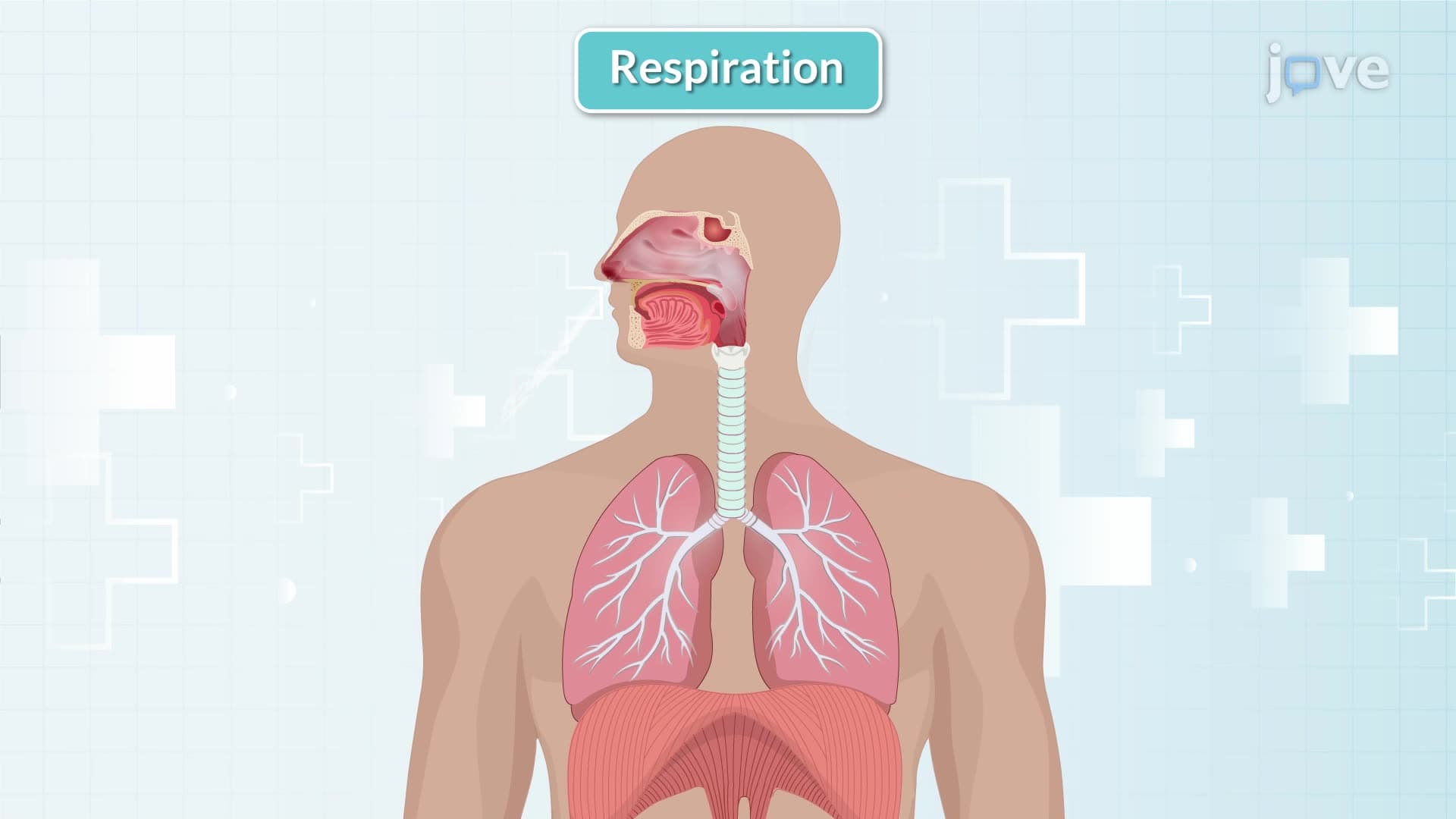
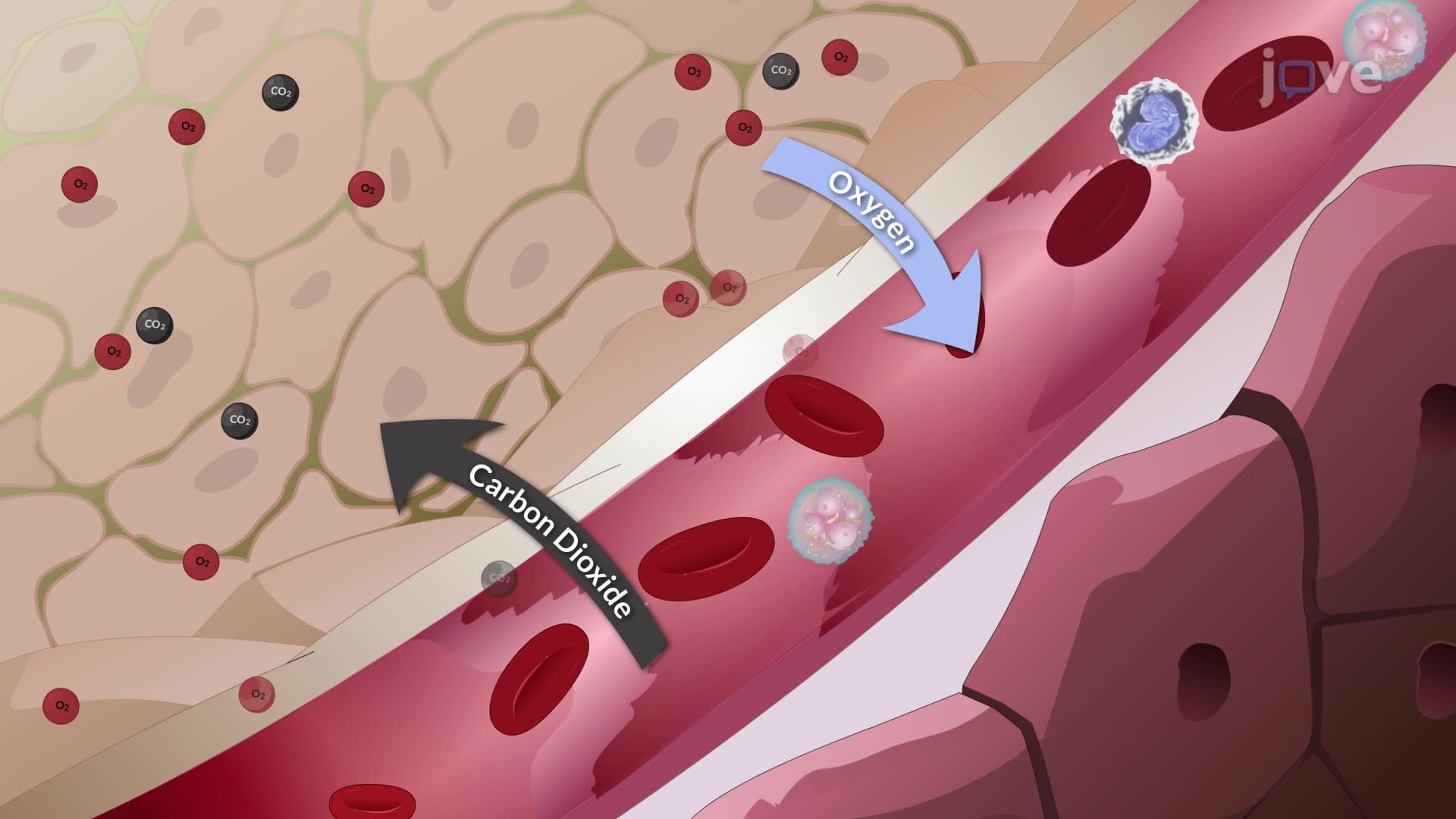
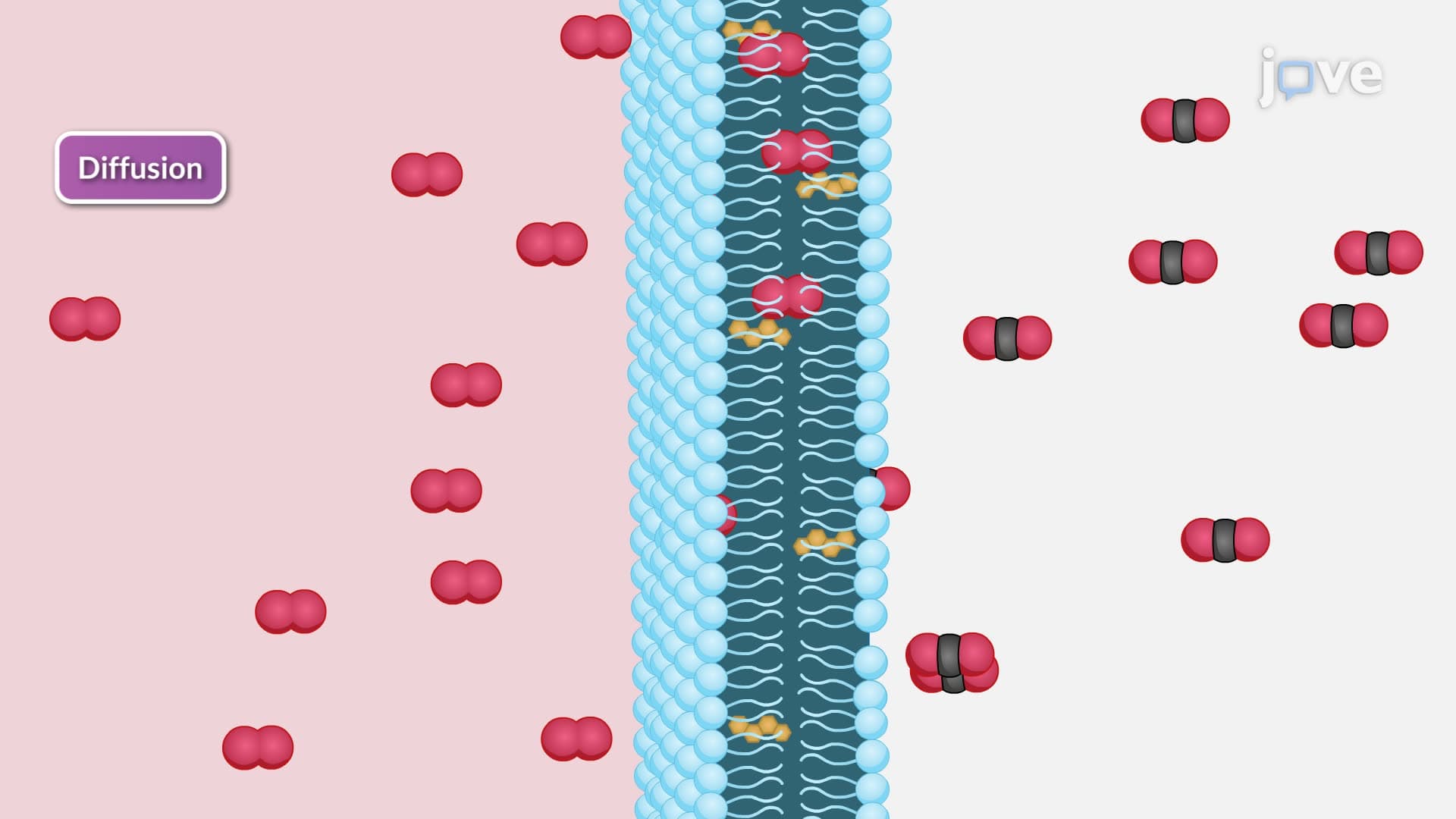
Assessment of diffusion and perfusion forms the cornerstone of respiratory and cardiovascular evaluation in clinical medicine. Diffusion represents the passive movement of gases across cellular membranes, following concentration gradients from areas of high concentration to low concentration. This process occurs primarily in the alveoli, where oxygen crosses from inhaled air into blood capillaries while carbon dioxide moves in the opposite direction for elimination.
Perfusion encompasses the active circulation of oxygenated blood through tissues and organs via the cardiovascular system. Effective perfusion ensures that cells receive adequate oxygen and nutrients while removing metabolic waste products. The assessment of both processes provides critical information about a patient's respiratory and circulatory status.
Clinical Measurement Techniques and Normal Values
Healthcare professionals employ several standardized methods to assess diffusion and perfusion. Pulse oximetry offers a non-invasive approach, using light wavelengths to measure oxygen saturation in peripheral blood vessels. Normal oxygen saturation ranges from 95-100% in healthy individuals at sea level. Values below 90% typically indicate hypoxemia requiring immediate medical attention.
Arterial blood gas (ABG) analysis provides the gold standard for assessing gas exchange efficiency. This invasive procedure measures partial pressures of oxygen and carbon dioxide, pH levels, and bicarbonate concentrations. ABG results help clinicians differentiate between respiratory and metabolic disorders affecting diffusion and perfusion.
Advanced Monitoring: Capnography Applications
Capnography represents an advanced assessment tool measuring end-tidal carbon dioxide concentrations in exhaled breath. The capnometer displays both numerical values and waveform patterns showing inspiration and expiration phases. During inspiration, carbon dioxide levels drop to near zero, while expiration produces characteristic waveform peaks.
This technology proves invaluable during cardiopulmonary resuscitation, allowing healthcare teams to monitor CPR effectiveness in real-time. Sudden increases in exhaled carbon dioxide often indicate return of spontaneous circulation. Emergency departments across the United States, from Mayo Clinic to Cleveland Clinic, rely on capnography for critical care monitoring.
Educational and Examination Relevance
Students preparing for MCAT, NCLEX, or AP Biology examinations frequently encounter questions about diffusion and perfusion assessment. These concepts appear in physiology courses at universities like Stanford and Harvard Medical School. Understanding normal values, measurement techniques, and clinical applications provides essential foundation knowledge for healthcare careers and advanced scientific study.
Frequently Asked Questions
Assessment of diffusion and perfusion evaluates how well oxygen moves into your blood and circulates throughout your body. Diffusion measures gas exchange in the lungs, while perfusion assesses blood flow delivery to tissues. Healthcare providers use pulse oximeters and blood tests to monitor these vital processes.
MCAT questions often test understanding of oxygen transport mechanisms and clinical measurement techniques. You'll encounter scenarios requiring interpretation of pulse oximetry readings, arterial blood gas values, and capnography waveforms. Focus on normal ranges (95-100% oxygen saturation) and pathophysiology concepts.
Pneumonia, pulmonary embolism, and heart failure commonly alter assessment findings in US hospitals. High altitude locations like Colorado show naturally lower oxygen saturation levels. Chronic obstructive pulmonary disease (COPD) affects both diffusion capacity and perfusion efficiency, requiring careful monitoring.
NCLEX-RN, HESI A2, and TEAS exams frequently test these concepts in respiratory and cardiovascular sections. Nursing students should understand pulse oximetry interpretation, normal oxygen saturation ranges, and capnography basics. Practice questions focus on patient assessment and intervention priorities.
Emergency departments use pulse oximetry as the fifth vital sign, checking every patient's oxygen saturation immediately. Trauma centers employ capnography during intubation procedures and CPR monitoring. Massachusetts General Hospital and Johns Hopkins exemplify best practices in perfusion assessment protocols.
Basic high school chemistry provides sufficient background for understanding these concepts. Focus on concentration gradients, gas laws, and simple transport mechanisms. College-level physiology courses build upon these foundations with more detailed molecular processes and clinical applications.
Create concept maps linking diffusion, perfusion, and measurement techniques together visually. Practice interpreting pulse oximetry readings and capnography waveforms using online simulators. Form study groups to discuss clinical scenarios and quiz each other on normal values and pathological conditions.
Investigate ventilation-perfusion matching, alveolar-arterial oxygen gradients, and hemoglobin-oxygen dissociation curves next. Advanced topics include pulmonary function testing, exercise physiology, and mechanical ventilation principles. These concepts prepare you for specialized healthcare roles and graduate-level coursework.
Related Micro-courses
13 Concepts

10 Concepts

8 Concepts